Richard
Found the whole experience very enlightening and educational

We partner with Rewilding Britain to help protect our natural spaces for future adventures.
All centres are vetted for safety and quality. Your adventure is in good hands with adventuro.
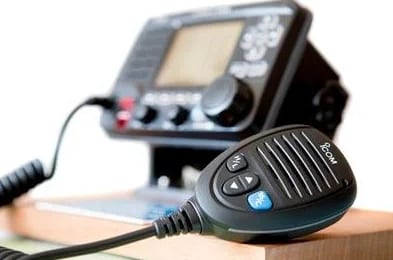
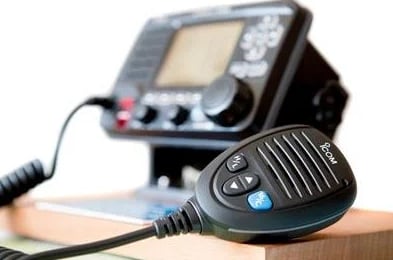
Understanding how to use a marine VHF radio is essential for safety at sea. The RYA SRC course teaches the correct procedures for communicating with marinas, coastguards, and other vessels using both fixed and handheld radios. Delivered through the RYA’s online learning platform, the training can be completed whenever it suits your schedule.
Training is completed through the RYA’s online learning platform using a series of structured lessons, videos, and interactive exercises. The modules guide you through the principles of marine radio communication, including how to choose the correct channels, make routine calls to marinas or harbour authorities, and communicate with other vessels. Practical examples help explain how radio communication works in everyday boating situations.
Later sections introduce emergency procedures, including distress calls and requests for assistance. Students practise using Digital Selective Calling through built-in simulators, allowing you to experience how emergency alerts and direct calls are transmitted. By the end of the course, you will understand how to use VHF radios correctly and safely and will be ready to take the official Short Range Certificate exam.
Learning takes place entirely online, allowing you to complete the course wherever you have internet access. All modules are delivered through the RYA’s training platform and can be accessed on a computer or tablet.
Because the training is self-paced, students can complete the lessons in a single day or break them into shorter sessions over several days. The platform includes simulator exercises that replicate real marine radio communication scenarios.
No previous radio or sailing experience is required. The course is designed for beginners as well as boat owners, crew members, and water users who need to understand marine radio procedures.
Students should have a device with internet access and be comfortable following online lessons. Completion of the course prepares you for the official RYA Short Range Certificate exam, which must be arranged separately.
We create practical learning experiences that focus on skills sailors and boaters will actually use on the water. Training is designed to be clear, supportive, and flexible so students can build knowledge at their own pace while still having access to guidance when needed.
Years of sailing and instructional experience allow our team to teach marine communication in a straightforward and realistic way. The aim is to help students gain confidence using safety equipment and understand the procedures that keep crews and vessels safe.
Yes. If a vessel carries a marine VHF radio fitted with Digital Selective Calling, at least one person onboard must hold a Short Range Certificate. The licence confirms that the operator understands the correct procedures for communicating with other vessels, marinas, and coastguard services.
Radio communication is a key safety tool at sea, particularly when mobile phone coverage is unreliable. The SRC qualification ensures operators know how to make routine calls as well as distress and emergency messages correctly.
The course covers both the practical operation of marine radios and the communication procedures used at sea. Students learn how to select channels, make routine calls, and communicate with harbour authorities or other vessels.
Additional topics include emergency procedures such as distress calls, medical assistance requests, and safety broadcasts. Training also introduces Digital Selective Calling systems and explains how they connect to the Global Maritime Distress and Safety System.
Most students complete the training in around five to eight hours. Because the course is self-paced, it can be completed in one session or spread across several shorter study periods.
Interactive modules and simulator exercises help reinforce the learning process. At the end of the course, students take a mock exam to check their understanding before sitting the official SRC assessment.
Digital Selective Calling is a feature found on modern marine radios that allows vessels to send automated alerts and direct calls. When used in an emergency, the system can transmit a distress alert containing vessel identification and location information.
The course includes simulator exercises that allow students to practise sending and receiving DSC calls. Learning how to use DSC correctly is an important part of modern marine safety training.
No prior boating or sailing experience is required. The course is designed to teach marine radio communication from the beginning and is suitable for anyone planning to spend time on the water.
Many students taking the course are boat owners, sailing crew, or paddlesport guides. Others complete it because they need a recognised qualification for chartering or professional boating roles.
Students learn how to operate marine VHF radios commonly found on boats. These include both fixed radios installed on vessels and handheld units used as portable communication devices.
The course also explains how radios interact with other safety equipment such as Emergency Position Indicating Radio Beacons. Understanding how these systems work together is important for maritime safety.
After completing the online course, you must pass the official RYA Short Range Certificate exam. The exam includes both a written theory section and a practical assessment of radio operation.
Candidates must also pay the certification fee to the RYA. Once the exam has been passed successfully, the SRC licence is issued as proof of qualification.
The learning portion of the course is completed online through the RYA training platform. Lessons, exercises, and practice scenarios can all be accessed remotely.
However, the official certificate requires an exam. This assessment is arranged separately and must be completed before the licence is issued.

Found the whole experience very enlightening and educational
Operated by The London School of Sailing, a partner of adventuro.
Hampshire and Isle of Wight, United Kingdom
From £1020
Hampshire and Isle of Wight, United Kingdom
From £935
Hampshire and Isle of Wight, United Kingdom
From £930
Hampshire and Isle of Wight, United Kingdom
From £765
Hampshire and Isle of Wight, United Kingdom
From £450