We partner with Rewilding Britain to help protect our natural spaces for future adventures.
All centres are vetted for safety and quality. Your adventure is in good hands with adventuro.
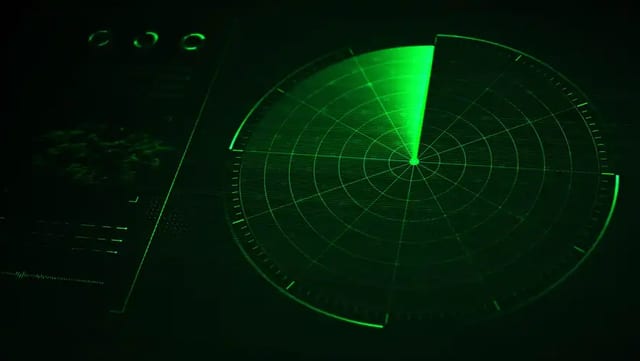
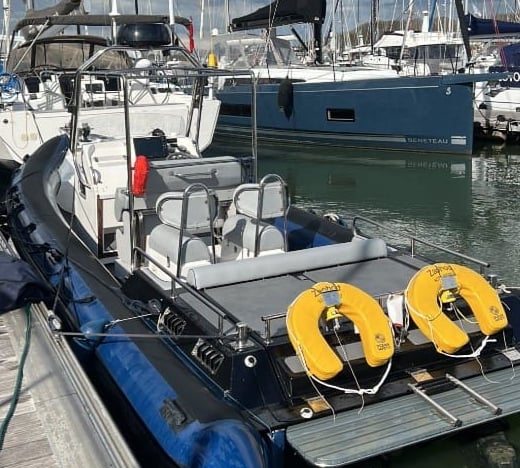
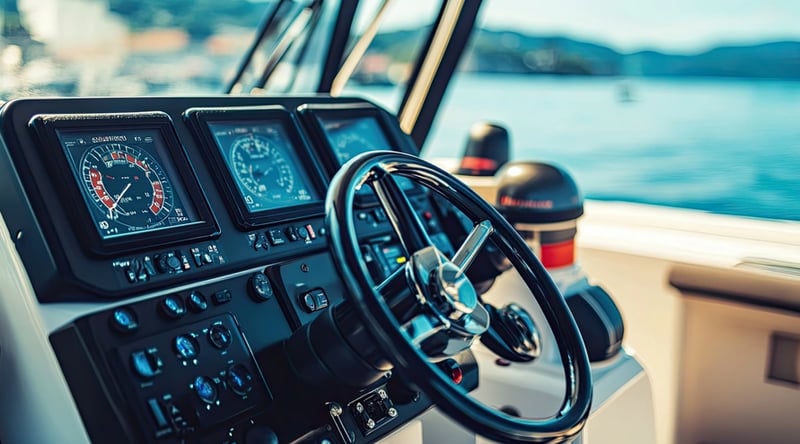
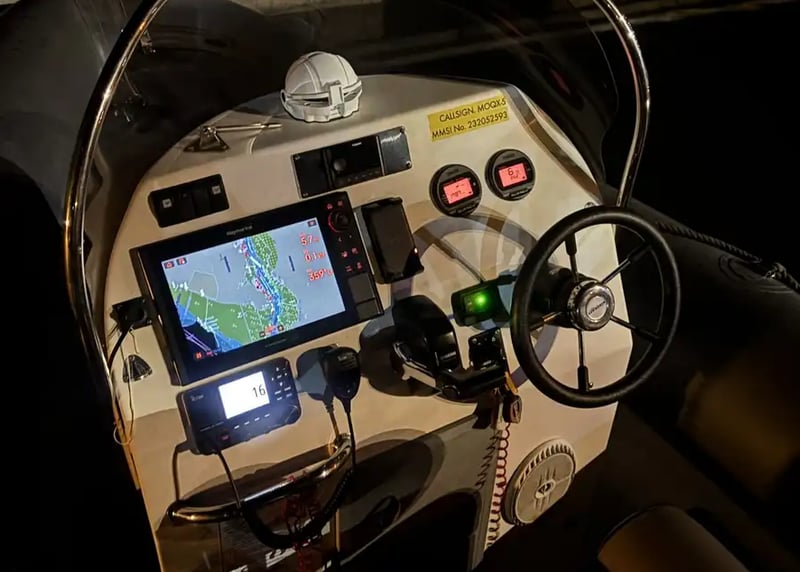
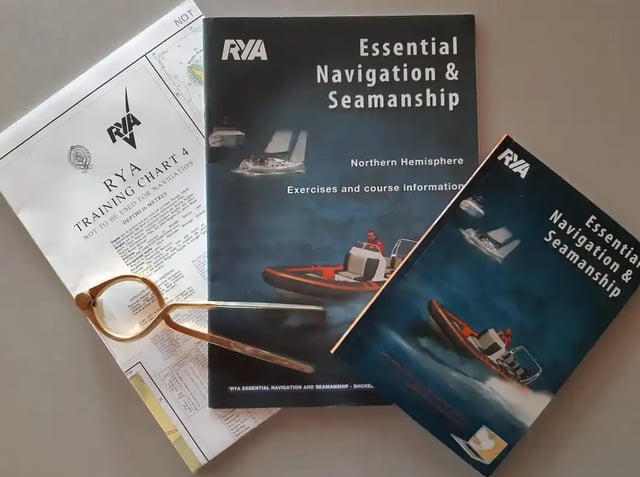
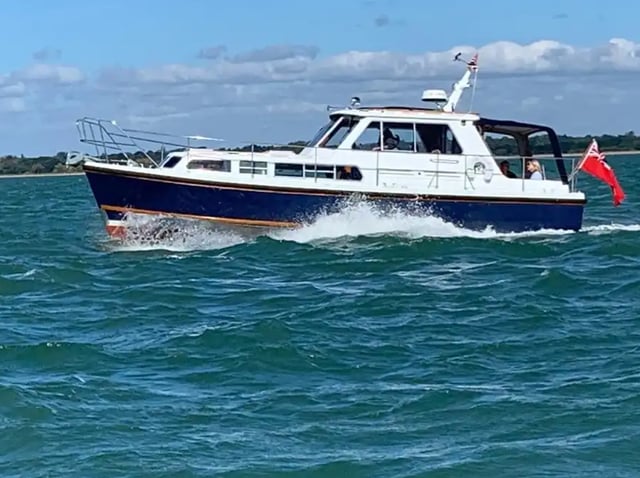
Understanding how to use radar properly can make a big difference when visibility drops or traffic increases. This course breaks things down in a clear, practical way so you can interpret radar information with confidence. It’s a focused day designed to help you make better decisions on the water using real examples.
Throughout the day, you’ll work through how radar functions, starting with the basics of setup and controls before moving into interpreting what you see on the screen. You’ll learn how to adjust gain, range, and clutter settings to get a clear picture, and how to identify vessels, land, and navigation marks accurately.
As the course develops, the focus shifts to applying this knowledge in realistic scenarios. You’ll practise radar plotting, assess collision risks, and understand how to use radar alongside the collision regulations. By the end, you’ll feel more confident using radar as part of your overall navigation toolkit, particularly in reduced visibility or busy waterways.
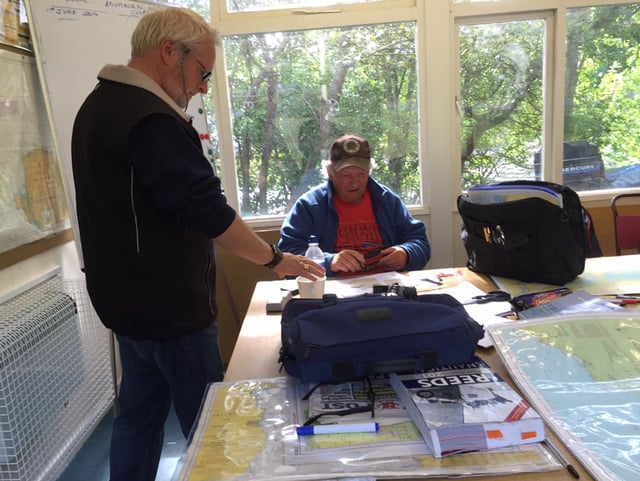
Training is delivered in the Southampton area, with sessions held at Hamble Point Marina and Marchwood Yacht Club. Both venues provide a comfortable classroom setting with easy access, parking, and facilities, making it straightforward to attend. Please use the booking form below to select which location you'd like to attend.
Being based close to the Solent, the course naturally links theory to real boating environments. This helps you relate radar use to situations you’re likely to encounter locally or further along the south coast.
No previous radar experience is required, and the course is designed to be accessible for beginners. Concepts are explained clearly, making it easy to follow even if you’re new to marine electronics.
A basic understanding of navigation is helpful but not essential. The course also works well as a refresher for more experienced boaters looking to improve confidence or accuracy when using radar.
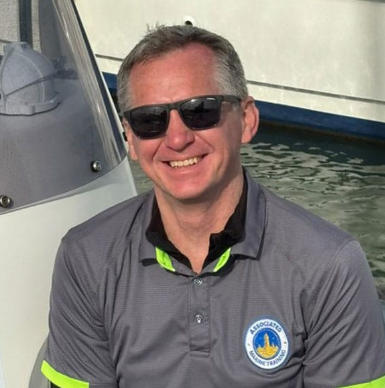
With Rob leading the approach, the course stays focused on practical understanding rather than technical overload. His experience allows him to explain radar use in a straightforward way, helping you quickly make sense of what can otherwise feel like a complex system.
Sessions are interactive and built around real scenarios, so you’re not just learning theory. The aim is to leave you confident in using radar as part of everyday boating, whether navigating in poor visibility, at night, or in busy areas.
This course is suitable for both sail and powerboat users who want to understand how to use radar effectively. It’s particularly useful for skippers navigating in poor visibility, at night, or in busy waterways where radar becomes an important safety tool.
It’s also a good option for new boat owners getting familiar with onboard electronics, as well as more experienced boaters looking to refresh their knowledge. The course is designed to suit a wide range of experience levels.
No prior radar experience is required. The course starts with the basics and builds up step by step, making it accessible for beginners while still providing value for those with some experience.
If you already have a basic understanding of navigation, you may find it easier to relate the material to real-world scenarios, but it’s not essential to benefit from the training.
The course runs over a single day, typically lasting between six and eight hours. This allows enough time to cover both theory and practical exercises in a structured way.
The day is designed to balance learning and application, so you’ll spend time understanding concepts as well as practising how to use radar effectively.
You’ll learn how to set up and adjust radar controls, interpret targets, and understand how objects move relative to your vessel. The course also covers plotting techniques to assess collision risk and how to use radar for navigation and pilotage.
In addition, you’ll explore the limitations of radar and common mistakes, helping you avoid misinterpretation. This ensures you use radar as a reliable aid rather than relying on it incorrectly.
Assessment is carried out through exercises and participation during the course rather than a formal written exam. You’ll complete radar plotting tasks and scenario-based activities to demonstrate your understanding.
This approach keeps the focus on practical ability, ensuring you can apply what you’ve learned rather than just recall information.
Courses are held in the Southampton area, including Hamble Point Marina and Marchwood Yacht Club. Both locations are easy to access and offer suitable facilities for classroom training.
Being close to the Solent, the training is relevant to real boating conditions, helping you connect what you learn with practical use on the water.

Hampshire and Isle of Wight, United Kingdom
From £930
Hampshire and Isle of Wight, United Kingdom
From £935
Hampshire and Isle of Wight, United Kingdom
From £780
From £89
Hampshire and Isle of Wight, United Kingdom
From £1895
About the centre
Hamble-le-Rice, Southampton
Operated by Associated Marine Training / AMT Boat Experiences Ltd, a partner of adventuro.