We partner with Rewilding Britain to help protect our natural spaces for future adventures.
All centres are vetted for safety and quality. Your adventure is in good hands with adventuro.
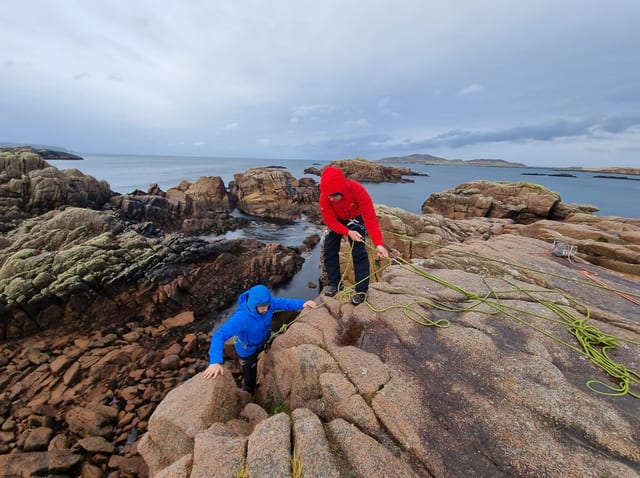
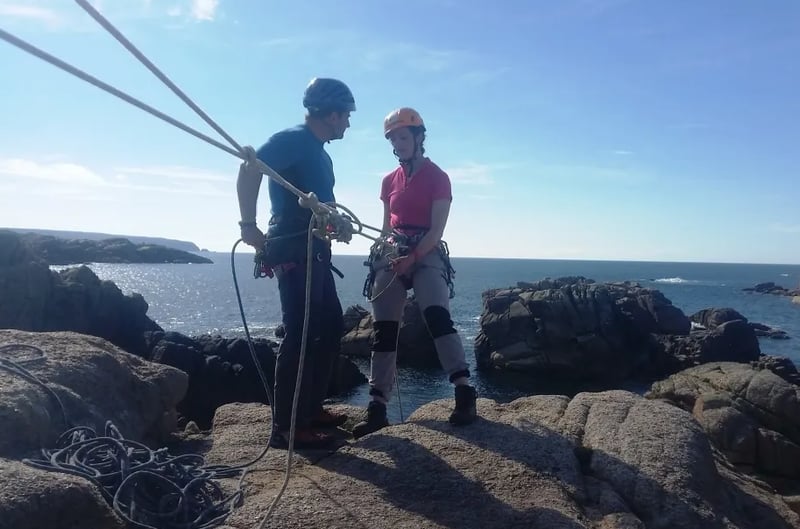
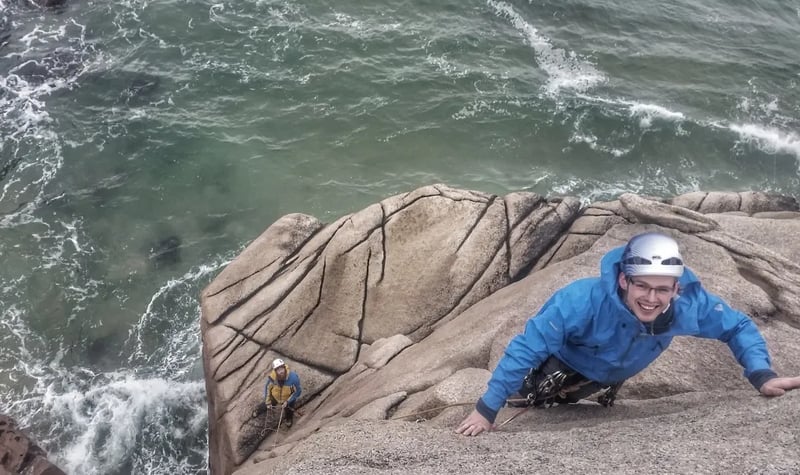
Die für erfahrene Kletterer konzipierte Rock Climbing Instructor-Qualifikation, die den Schritt zur Anleitung machen möchten, ist der landesweit anerkannte Mindestabschluss für die Betreuung von Gruppen an nicht von den Gezeiten beeinflussten Outdoor-Kletterfelsen in Irland und im Vereinigten Königreich. Dieser Kurs entwickelt die praktischen, technischen und zwischenmenschlichen Fähigkeiten, die du benötigst, um andere beim sicheren Klettern zu betreuen. Ausbildung und Prüfung finden in realen Outdoor-Umgebungen statt, damit die Fähigkeiten direkt in die berufliche Praxis übertragen werden können.
RCI-Ausbildung (3 Tage)
Die Ausbildung konzentriert sich auf den Aufbau solider Grundlagen für die Anleitung. Du verfeinerst zunächst deine eigenen Kletterfähigkeiten, bevor du zu Seilsystemen, Abseilsicherheit, Sicherungsmethoden und einer effizienten Organisation am Kletterfelsen übergehst. Viel Zeit wird auf Routenauswahl, die Positionierung der Gruppe und die Wahrung von Sicherheitsreserven in einer belebten Outdoor-Umgebung verwendet.
Neben den technischen Fähigkeiten entwickelst du die Fähigkeit, schrittweise zu unterrichten, Gruppen mit unterschiedlichen Leistungsniveaus zu betreuen und klar zu kommunizieren. Während des gesamten Kurses werden realistische Szenarien eingesetzt, darunter das Einrichten mehrerer Seile, die Betreuung von Anfängern und die Anpassung der Sessions an Wetter, Gesteinsart und Gruppenbedürfnisse.
RCI-Prüfung (2 Tage)
Die Prüfung bewertet deine Fähigkeit, innerhalb des Geltungsbereichs von Rock Climbing Instructor selbstständig zu arbeiten. Geprüft werden deine persönliche Kletterkompetenz, der Vorstieg, Seilsysteme, das Abseilmanagement und sichere Sicherungstechniken.
Anleitungsfähigkeiten sind ebenso wichtig. Die Prüfer beurteilen Sessionstruktur, Entscheidungsfindung, Betreuung der Gruppe und professionelles Urteilsvermögen. Die Prüfung bildet reale Arbeitsbedingungen ab und bestätigt, dass du bereit bist, Gruppen an Outdoor-Klettergebieten mit einer Seillänge sicher zu betreuen.
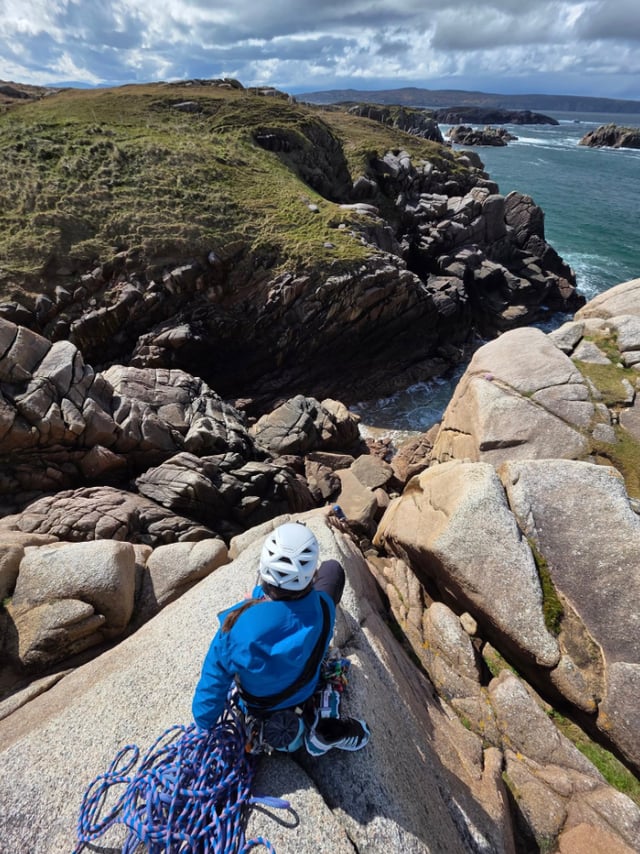
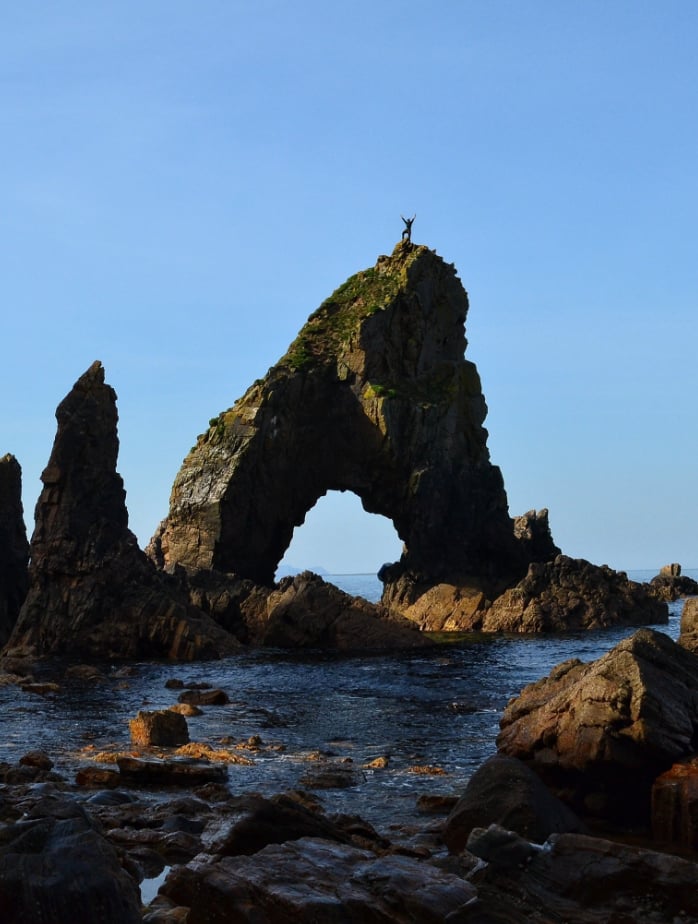
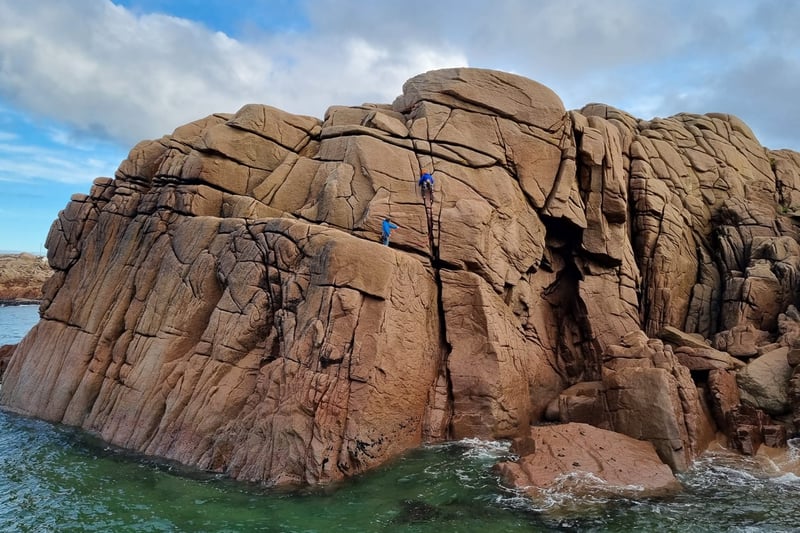
Ein großer Teil des Kurses findet auf Cruit Island statt, einem Küstenklettergebiet, das für seine Vielfalt an Routen mit einer Seillänge und seinen zuverlässigen Fels bekannt ist. Diese Umgebung ermöglicht wiederholtes Üben von Instruktorenfähigkeiten ohne Komplikationen durch die Gezeiten.
Die Ausbildung nutzt außerdem weitere Kletterfelsen in County Donegal, wodurch du Erfahrungen mit unterschiedlichen Gesteinsarten und Geländeaufteilungen sammelst. Die Arbeit an mehreren Klettergebieten hilft, Anpassungsfähigkeit zu entwickeln – eine unverzichtbare Fähigkeit für professionellen Unterricht.
Teilnehmer sollten bereits sichere Vorstiegskletterer mit einer soliden Erfahrung im Outdoor-Klettern sein. Du musst dich im Umgang mit Seilen, dem Einrichten von Anschlagpunkten und der effizienten Fortbewegung am Fels sicher fühlen.
Vorherige Erfahrung im Klettern mit anderen und in der Unterstützung weniger erfahrener Kletterer wird dringend empfohlen. Gute Kommunikationsfähigkeiten, sicheres Urteilsvermögen und ein ruhiger Umgang mit Sicherheit sind während des gesamten Kurses und der Prüfung unerlässlich.
Iain führt alle Rock Climbing Instructor-Kurse durch und bringt jahrzehntelange praktische Erfahrung im Klettern und Anleiten mit. Seit 2005 erkundet und entwickelt er das Klettern in Donegal, hat Hunderte neue Routen dokumentiert und ein unübertroffenes Verständnis für den örtlichen Fels und die Bedingungen aufgebaut.
Mit Iain zu trainieren bedeutet, von jemandem zu lernen, der täglich in den Umgebungen arbeitet, in denen du später anleiten möchtest. Sein Ansatz konzentriert sich darauf, kompetente und reflektierte Instruktoren auszubilden, die sowohl die technischen Systeme als auch die Verantwortung verstehen, die mit der Betreuung anderer am echten Fels einhergeht.
Die Rock Climbing Instructor-Qualifikation (RCI) ist der landesweit anerkannte Abschluss für die Betreuung und Anleitung von Gruppen an nicht von den Gezeiten beeinflussten Outdoor-Kletterfelsen mit einer Seillänge. Sie war früher als Single Pitch Award bekannt und stellt den Mindeststandard für professionellen Outdoor-Kletterunterricht dar.
Inhaber dieser Qualifikation sind darin geschult, Sicherheitssysteme zu verwalten, Anfänger zu betreuen und strukturierte Klettersessions durchzuführen. Der Geltungsbereich ist klar definiert und stellt sicher, dass Instruktoren in Umgebungen arbeiten, die ihrer Ausbildung und Erfahrung entsprechen.
Dieser Kurs richtet sich an erfahrene Kletterer, die regelmäßig draußen klettern und bereit sind, Verantwortung für andere zu übernehmen. Viele Teilnehmer sind Hallenkletterwand-Instruktoren, Outdoor-Enthusiasten oder Kletterer, die ihre Fähigkeiten durch eine Berufsausbildung formalisieren möchten.
Ein ausgeprägtes Interesse an Unterricht, Mentoring und Gruppenbetreuung ist wichtig. Der Kurs konzentriert sich ebenso stark auf Urteilsvermögen und Entscheidungsfindung wie auf Seilsysteme und Bewegungstechniken.
Die Ausbildung umfasst persönliche Kletterfähigkeiten, Vorstieg, Sichern und Abseilsicherheit, bevor sie zu Gruppenmanagement und Anleitungstechniken übergeht. Du übst, sichere Klettersysteme einzurichten, geeignete Routen auszuwählen und mehrere Seile an einem Kletterfelsen zu managen.
Soft Skills bilden einen wichtigen Teil des Kurses, darunter Kommunikation, Sessionstruktur und die Anpassung des Unterrichts an unterschiedliche Lernstile. Diese Elemente stellen sicher, dass du sichere und unterhaltsame Klettersessions durchführen kannst.
Die Bewertung findet über zwei Tage statt und bewertet sowohl die technische Kompetenz als auch die Fähigkeit, Unterricht zu geben. Du wirst in den Bereichen persönliches Klettern, Seilarbeit, Abseilsysteme, Sichern und Routenauswahl geprüft.
Die Prüfer achten außerdem genau darauf, wie du Menschen betreust. Dazu gehören die Einweisung von Gruppen, die Beaufsichtigung von Kletterern, sichere Entscheidungen und ein angemessener Umgang mit wechselnden Bedingungen oder den Bedürfnissen der Teilnehmer.
Ausbildung und Prüfung finden hauptsächlich auf Cruit Island und an weiteren Kletterfelsen in Donegal statt. Diese Klettergebiete bieten nicht von den Gezeiten beeinflusste Routen mit einer Seillänge, die ideal sind, um Instruktorenfähigkeiten zu erlernen und unter Beweis zu stellen.
Die Arbeit an verschiedenen Kletterfelsen ermöglicht dir Erfahrungen mit unterschiedlichen Gesteinsarten, Zustiegen und Geländeaufteilungen. Diese Vielfalt entspricht den realen Arbeitsbedingungen und stärkt deine Anpassungsfähigkeit.
Du benötigst deine persönliche Kletterausrüstung, einschließlich Klettergurt, Helm, Kletterschuhen, Sicherungsgerät und geeigneter Kleidung für die Bedingungen im Freien. Außerdem wird eine für das Klettern an Routen mit einer Seillänge geeignete Ausrüstungssammlung erwartet.
Gruppenausrüstung für den Unterricht kann während des Kurses bereitgestellt werden, doch die Teilnehmer sollten mit üblichen Instruktorensystemen vertraut sein und ihre eigene Ausrüstung sicher verwenden können.
Ja, Unique Ascent ist ein akkreditierter Anbieter für Mountain Training-Ausbildung und -Prüfung von Rock Climbing Instructor. Alle Kurse folgen dem nationalen Lehrplan und den Prüfungsstandards.
Die Akkreditierung stellt sicher, dass die Qualifikation in Irland und im Vereinigten Königreich anerkannt wird und die Ausbildung den professionellen und sicherheitsbezogenen Maßstäben der Outdoor-Branche entspricht.
Nach erfolgreichem Abschluss kannst du Gruppen an nicht von den Gezeiten beeinflussten Outdoor-Klettergebieten mit einer Seillänge im Geltungsbereich des Abschlusses betreuen und anleiten. Dazu gehören Anfängersessions, Jugendgruppen und organisierte Kletteraktivitäten.
Viele Instruktoren nutzen die Qualifikation als Sprungbrett zu weiterführenden Abschlüssen, etwa in höheren Kletter- oder Bergsteigerqualifikationen, und bauen so einen langfristigen Weg in der Outdoor-Branche auf.
Über das Zentrum
Donegal
Betrieben von Unique Ascent, einem Partner von adventuro.



Somerset and Dorset, United Kingdom
Ab £80
Derbyshire and Nottinghamshire, United Kingdom
Ab £200
Northern Ireland, United Kingdom
Ab €150