We partner with Rewilding Britain to help protect our natural spaces for future adventures.
All centres are vetted for safety and quality. Your adventure is in good hands with adventuro.
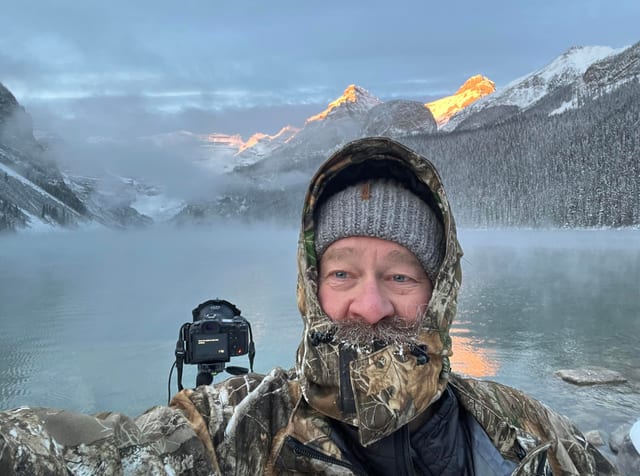

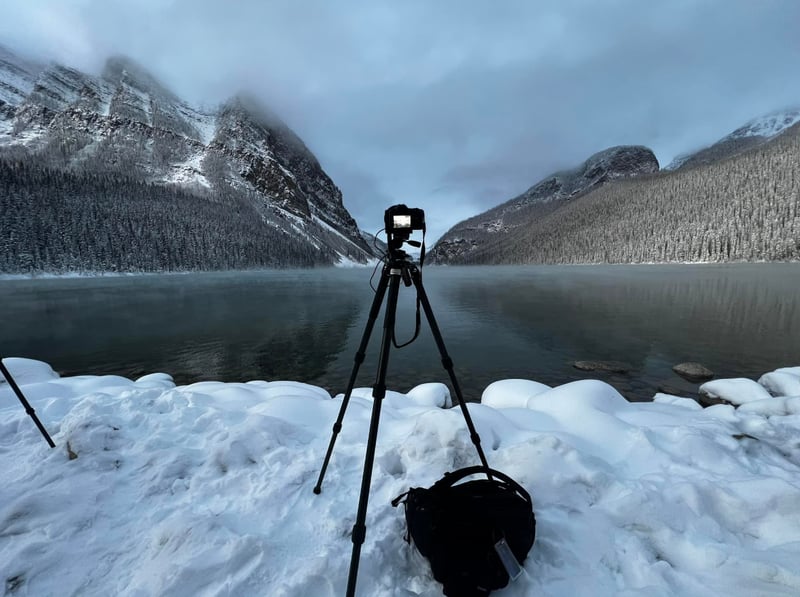
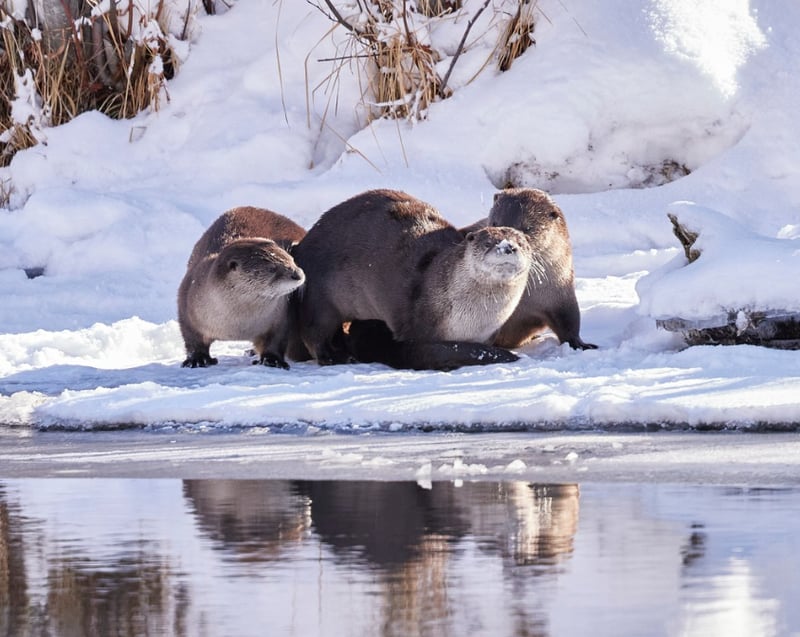
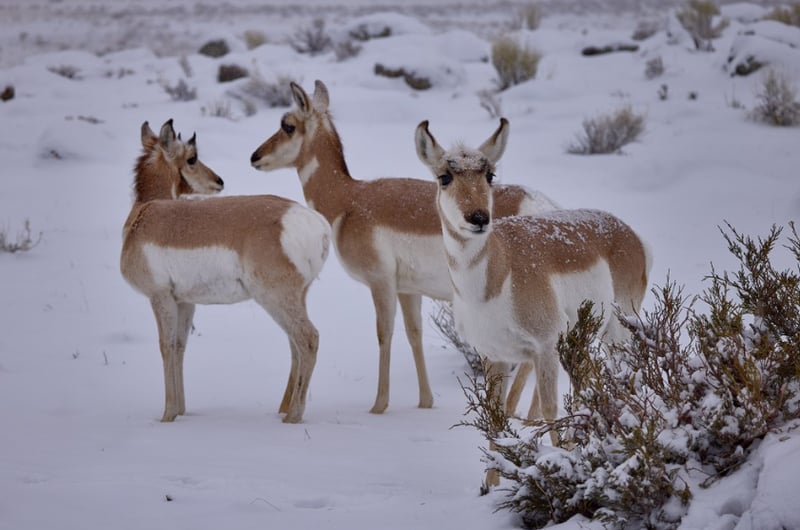
A winter photography safari in Yellowstone offers a truly memorable opportunity to sharpen your photography skills in one of the most incredible natural settings in North America. These private, guided sessions are completely customised, allowing guests to focus on wildlife, landscape, or general nature photography based on their personal goals and interests. Led by a professional with decades of hands-on experience in both photography and Yellowstone itself, these tours are designed to support photographers at every level.
Understanding exposure in snowy conditions
Wildlife tracking and composition
Low light and winter landscape techniques
Camera settings for fast-moving subjects
Practical use of long lenses and tripods in cold environments
Your winter photography safari is completely tailored to your needs, with planning starting well before you even arrive. You'll discuss your goals in advance so that the experience reflects your skill level, subject interests, and what you'd like to work on most. Each day starts and ends in Gardiner, Montana, and is conducted entirely by road between there and Cooke City, the only stretch of Yellowstone open to vehicles during the winter months. Along the way, you'll photograph wildlife in its natural habitat and frame snow-covered vistas, steam vents, and frozen rivers.
Full-day tours include a picnic lunch, and all sessions come with snacks and water refills. You won’t be hiking far from the vehicle, but you will spend time outdoors in extremely cold conditions, so proper winter clothing and boots are essential. Your instructor will be there throughout to assist with everything from technical camera queries to spotting wildlife, composing shots, and offering practical advice that improves your photography in real time.
This session takes place along the winter-accessible corridor between Gardiner and Cooke City, Montana—Yellowstone's only road open to cars from November through mid-April. This route runs through the Northern Range, widely regarded as one of the best places in North America to observe wolves, bison, foxes, elk, and other wildlife. The area also features dramatic scenery, including snow-draped valleys, frosted forests, and active geothermal features that create swirling steam and mist—ideal subjects for winter photography.
The tour begins in Gardiner, located just outside Yellowstone’s north entrance. Easily reached by car, Gardiner provides convenient access to the park’s northern roads and is home to a range of local amenities. The route does not include the park interior during this season due to winter closures for private vehicles, though snowcoach operators can be recommended if you'd like to explore further.
Participants must be aged 18 or older to book and should be comfortable spending several hours outdoors in freezing winter temperatures. A reasonable level of mobility is required, though extensive walking is not part of the session. You must bring your own photography gear and appropriate winter clothing, including insulated boots and multiple layers. Some mobility limitations may be accommodated—please contact the organiser in advance to discuss your needs.
The centre is led by a professional photographer with deep roots in both the craft of photography and the Yellowstone region. With a lifetime of experience, including a background in film and digital photography, the instructor brings both technical knowledge and local expertise to every tour.
Rather than offering off-the-shelf packages, each session is created specifically for you. The emphasis is on helping you improve your photography while having an unforgettable time in one of the most photogenic and wildlife-rich locations on the continent. Guests are treated as individuals, not clients, and the focus is always on providing a safe, enriching, and completely personalised experience.
You don’t need a top-of-the-line camera to benefit from this experience. While many guests bring DSLRs or mirrorless cameras with interchangeable lenses, point-and-shoots or bridge cameras are also welcome. The key is that you’re comfortable operating your camera, or willing to learn during the session.
Longer lenses are useful for wildlife photography, but not essential. The guide can advise on best techniques regardless of what equipment you bring, and if you're not sure what to pack, you’ll be given advice during pre-trip planning.
Yes, absolutely. The session can be tailored for any skill level, and beginners are very welcome. The instructor will go at your pace and explain settings, composition, and techniques in a way that’s easy to follow.
You’ll also be given plenty of time to practise, with hands-on support throughout the day. You won’t be rushed, and there’s no pressure to perform—you’re here to learn and enjoy Yellowstone.
The Northern Range is home to some of Yellowstone’s best wildlife and winter scenery. It’s possible to see bison, elk, foxes, coyotes, eagles, and sometimes wolves. The landscapes include snow-covered peaks, geothermal steam rising through icy air, and frozen rivers.
Because this is the only area open to vehicles during winter, wildlife is often easier to spot and photograph than in the warmer months. Each day is different, but the guide will take you to known hotspots to maximise your chances.
Temperatures can fall to -30°F (-34°C) or lower, especially in the early morning. You’ll need to dress in multiple layers with a waterproof and insulated outer layer, thermal base layers, gloves, a warm hat, and insulated boots.
Even though you won’t be hiking far, standing still outside can quickly lead to discomfort without the proper kit. Bring chemical hand warmers and spare gloves if you have them. You’ll get full advice on what to pack before your session.
Yes. Snacks and drinks (such as hot chocolate or tea) are provided on all tours. Full-day sessions also include a picnic lunch. Dietary requirements can usually be accommodated—just mention them in advance.
You’ll also be encouraged to bring a refillable water bottle, as hot drinks are topped up from thermoses carried in the guide vehicle.
Yes. Non-photographers can join and enjoy the wildlife viewing and scenery. They’ll be made welcome and can either relax in the vehicle or take in the views while the photographer(s) are working.
The pace is relaxed and focused more on positioning and composition than fast-paced trekking or activities, so it's a good experience for anyone who enjoys nature.
Operated by Brian Creek, a partner of adventuro.
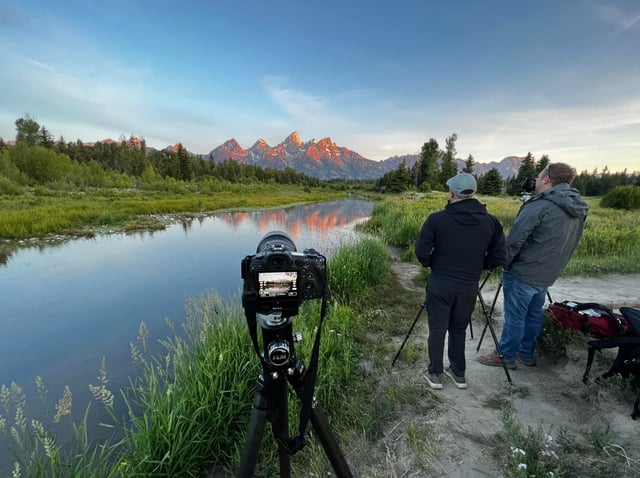
Greater Yellowstone, United States
From $495
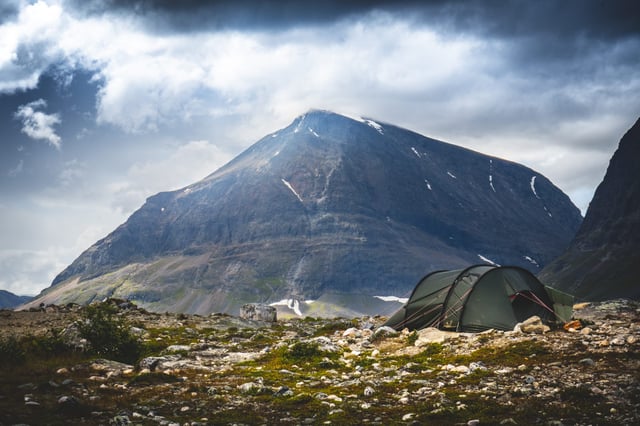

Brașov and Southern Carpathians, Romania
From €1216