We partner with Rewilding Britain to help protect our natural spaces for future adventures.
All centres are vetted for safety and quality. Your adventure is in good hands with adventuro.
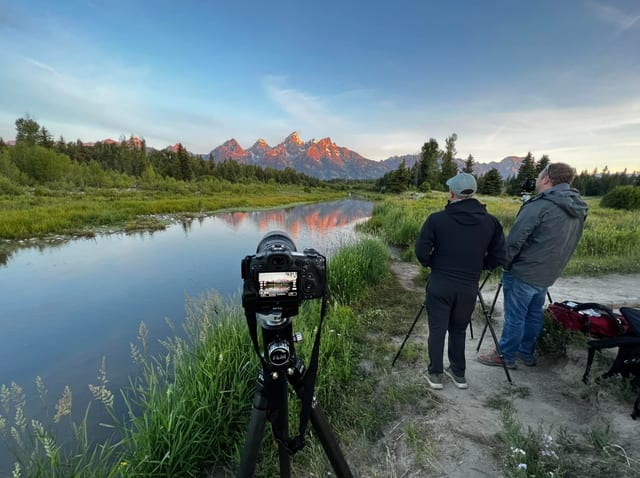
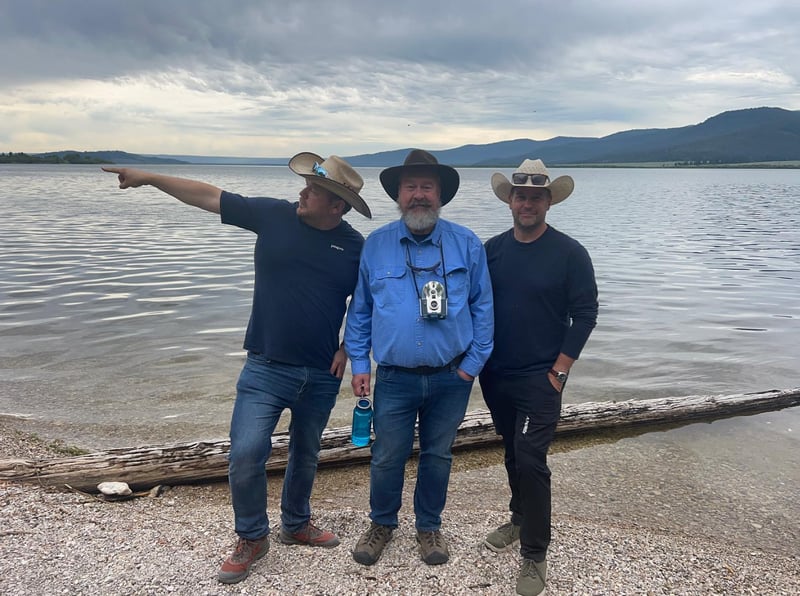
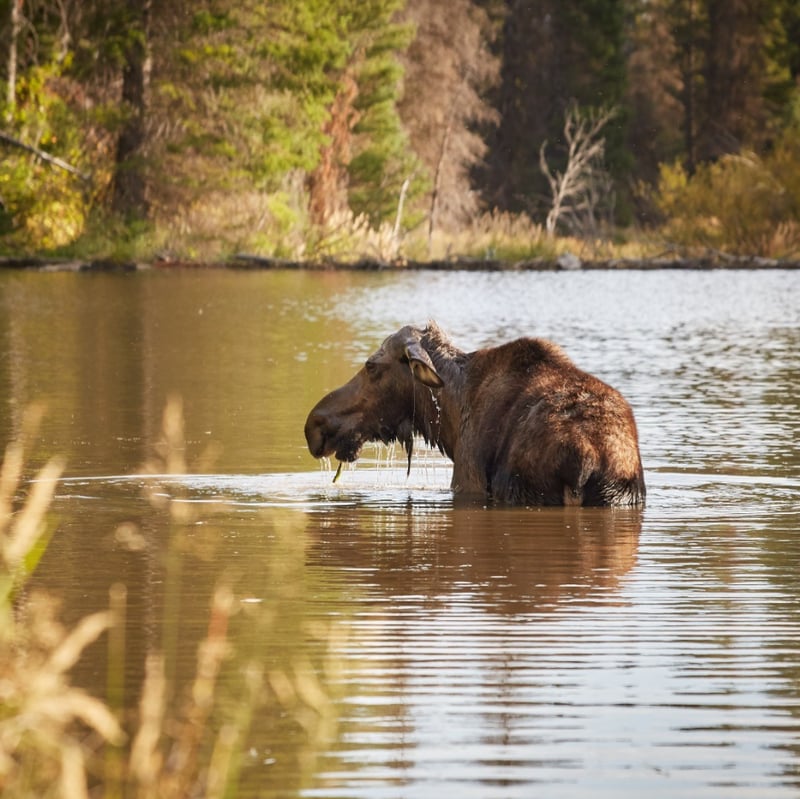
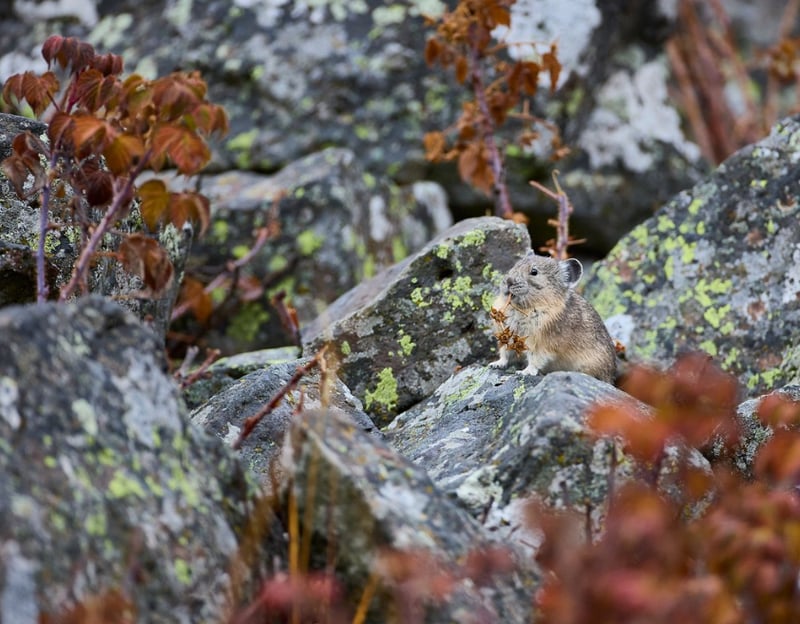
Experience a private wildlife photography safari in the heart of Yellowstone National Park, where the focus is on you, your camera, and the wild. These sessions are tailor-made to your interests and photography goals, whether you're just getting started or refining your skills with wildlife and landscape shots.
These safaris are designed around your personal goals and current skill level. Before you even arrive, you'll have a chance to speak with your instructor about what you want to get out of the session. Whether it's wildlife tracking, getting sharper handheld shots, or mastering long lenses, your itinerary will reflect your ambitions. Instruction is informal but detailed, with on-the-spot coaching, demonstrations, and time to review and refine images as needed.
On a full-day safari, you'll likely begin early to catch the best light and wildlife activity. You may visit key locations such as Hayden Valley, Lamar Valley, or Yellowstone Lake, all chosen based on wildlife sightings, weather, and lighting. Expect to cover some ground in a vehicle with short walks to viewing spots. Snacks are provided, and a picnic lunch is included on full-day tours. Half-day sessions are shorter but still packed with chances to improve your skills in the field.
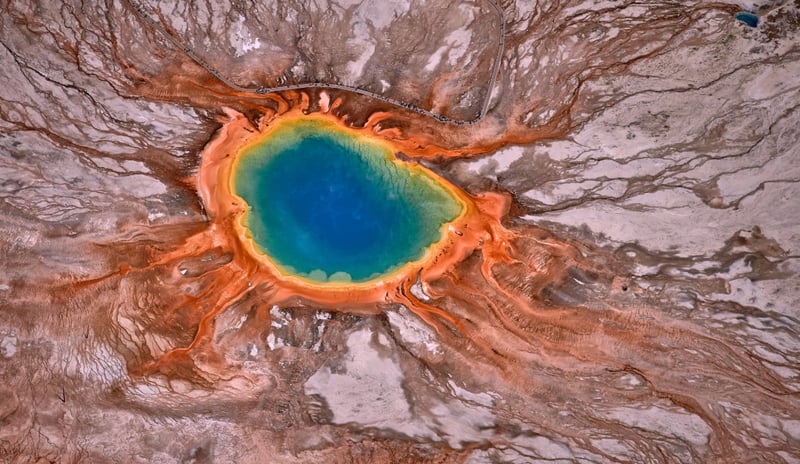
The entire session takes place within Yellowstone National Park, which spans three states and is one of North America’s premier wildlife and landscape photography destinations. From vast valleys to geothermal features, bison herds to bears, every turn offers a new photographic opportunity. Most sessions will be based in wildlife-rich areas in the northern and central regions of the park, accessible by vehicle and short hikes.
You’ll be provided with suggested meeting points based on your lodging or travel plans. The session typically starts from near Gardiner, West Yellowstone, or Mammoth Hot Springs, depending on the season and wildlife activity.
Participants should have a basic familiarity with using their own camera equipment and be able to carry it with them during short walks in uneven terrain. This session is suitable for beginners to advanced photographers, though not accessible for wheelchair users. If you have other mobility considerations, you're encouraged to contact us in advance so we can plan accordingly.
The centre is run by an award-winning photographer with decades of experience, shaped by a lifelong passion for nature and a deep understanding of photographic craft. With a background rooted in traditional film techniques and a mastery of modern digital tools, he offers practical, insightful instruction drawn from years of personal experience in the wild.
The centre is committed to creating meaningful, personalised sessions rather than generic tours. By limiting group sizes and tailoring each safari to the individual, the focus remains on helping you grow as a photographer while making the most of Yellowstone's incredible wildlife and scenery.
These private lessons are open to anyone with a basic understanding of how to use their camera, whether you’re just starting out or already experienced and looking to sharpen specific skills. The instruction is personalised to your level, so you won’t feel out of your depth or held back by the pace.
If you're brand new to photography, we can focus on fundamentals like exposure, aperture, and shutter speed, helping you get comfortable shooting in manual mode. More advanced guests might want help with fast-action wildlife shots, improving composition, making the most of natural light conditions, or night and astrophotography.
Yellowstone is one of the best places in North America to photograph wildlife. Depending on the season and conditions, you might see bison, elk, pronghorn, coyotes, wolves, bears, bald eagles, and more.
The guide closely monitors wildlife activity and uses local knowledge to give you the best possible chances of seeing animals. While sightings can't be guaranteed, you'll be taken to locations known for regular activity and given tips on how to photograph wildlife ethically and effectively.
You should bring your own camera and lenses suited to wildlife and landscape photography. A DSLR or mirrorless camera is ideal, and telephoto lenses (e.g., 300mm and longer) are particularly useful for photographing animals from a safe distance.
Other useful items include a tripod or monopod, extra batteries, memory cards, and camera and lens cleaning kit. If you're not sure what to bring or are thinking of renting equipment, we’re happy to discuss that with you during the planning stage.
If your camera lives in your iPhone that's fine as well!
Yes, you’re welcome to bring along a friend or family member, provided the group stays within the maximum limit of three participants. They can enjoy the day and the park alongside you but should be aware that the focus will be on photography.
Non-photographers often enjoy the safari just as much—it's a relaxed pace and a great opportunity to enjoy the scenery and wildlife. However, they should be prepared for early starts, long hours outdoors, and lots of time spent waiting or watching animals.
These safaris are vehicle-based, with short walks from the road to various vantage points. You won’t need to hike far or on difficult trails unless you specifically request that. The focus is on access to good photo opportunities without wearing you out.
That said, you should be able to walk short distances over uneven ground, possibly on snow or gravel, and be outside for several hours. If you have concerns about mobility or fitness, let us know in advance so we can adapt the session accordingly.
Yes, photo review and feedback are a regular part of the day, especially during quieter moments or snack breaks. Your instructor can give you practical advice on composition, focus, and exposure while you're still in the field, so you can make improvements on the spot.
If you’re interested in more detailed post-processing support or portfolio review, that can be arranged as an additional session outside the field day. However, during the safari itself, the priority is to help you capture better photos while you're on location.
Yes, start times for half-day sessions are flexible and will be agreed upon during your pre-trip planning call. Full-day safaris often start early to take advantage of the best wildlife activity and lighting conditions at dawn, while later start times to emphasise sunset or astrophotography are also available. Start times are quite variable and will be discussed and agreed to prior to your arrival.
If you have particular needs or travel arrangements that affect your schedule, we can adjust accordingly. We’re happy to work around your preferred timings, as long as it allows for a quality experience within daylight hours.
Yellowstone weather can be unpredictable, even in summer. It’s best to dress in layers and bring a waterproof jacket, sun protection (hat, sunglasses, sunscreen), and sturdy footwear suitable for walking short distances outdoors.
You’ll also want to bring a reusable water bottle (refills are provided) and any medication or personal items you may need throughout the day. A checklist will be provided after booking to help you prepare based on the season and your session length.
Herefordshire, Worcestershire and Warwickshire, United Kingdom
From £62
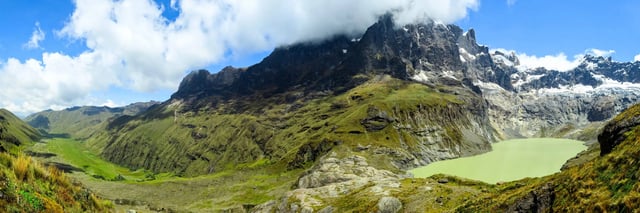
Quito & Avenue of Volcanoes, Ecuador
From $475

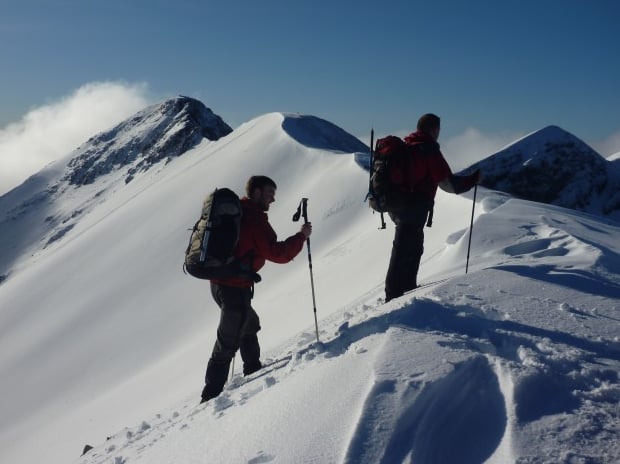
Cheshire, United Kingdom
From £499
Operated by Brian Creek, a partner of adventuro.
Greater Yellowstone, United States
From $695