We partner with Rewilding Britain to help protect our natural spaces for future adventures.
All centres are vetted for safety and quality. Your adventure is in good hands with adventuro.
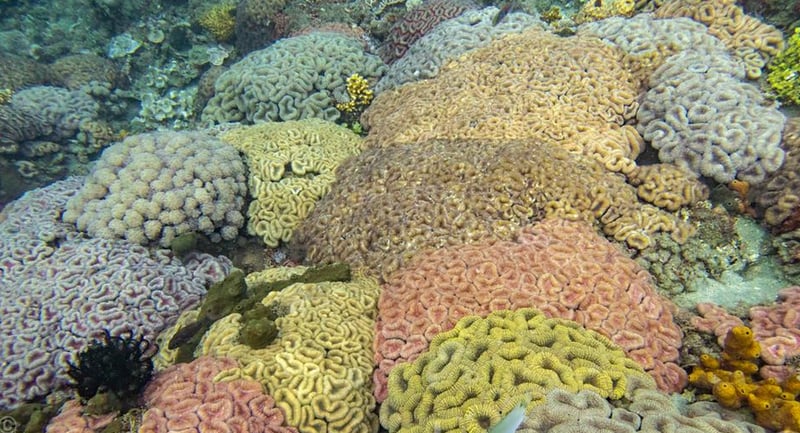
Take your diving to the next level with this unique three-day coral-focused certification. Perfect for anyone who loves marine life, this course introduces coral ecology and gives you the chance to contribute to real reef restoration work.
This three-day course begins with a detailed theory session and an introduction to coral biology. You’ll watch a short educational video and review the six most common coral growth forms before heading out for your first dive on the house reef. Here, you’ll apply your new knowledge to distinguish hard from soft corals and practise spotting various shapes and structures underwater.
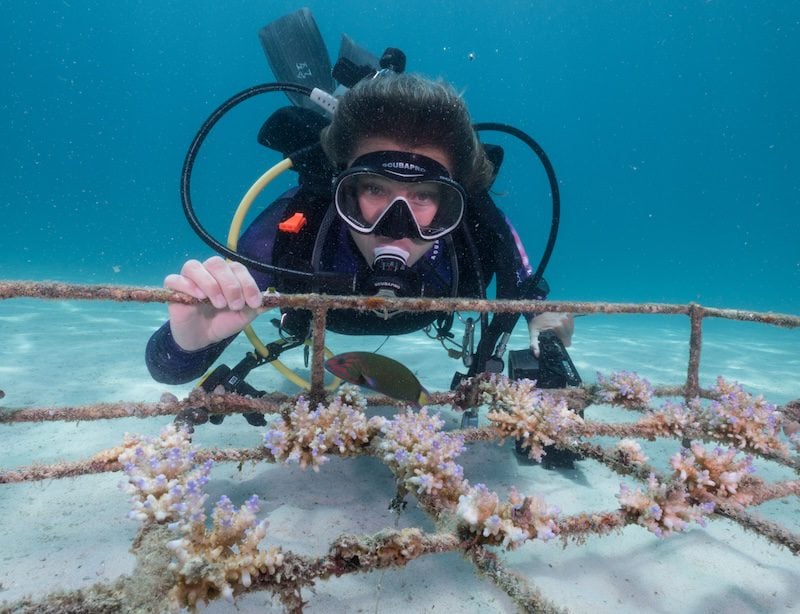
Over the following two days, you’ll take part in additional training dives focused on recognising common coral genera, including both small- and large-polyp stony corals. You’ll also study soft corals and gain confidence in identifying at least five from each category. The course finishes with an introduction to coral reproduction and a hands-on restoration dive at the resort’s coral nursery, where you’ll help transplant coral fragments to support local reef recovery efforts.
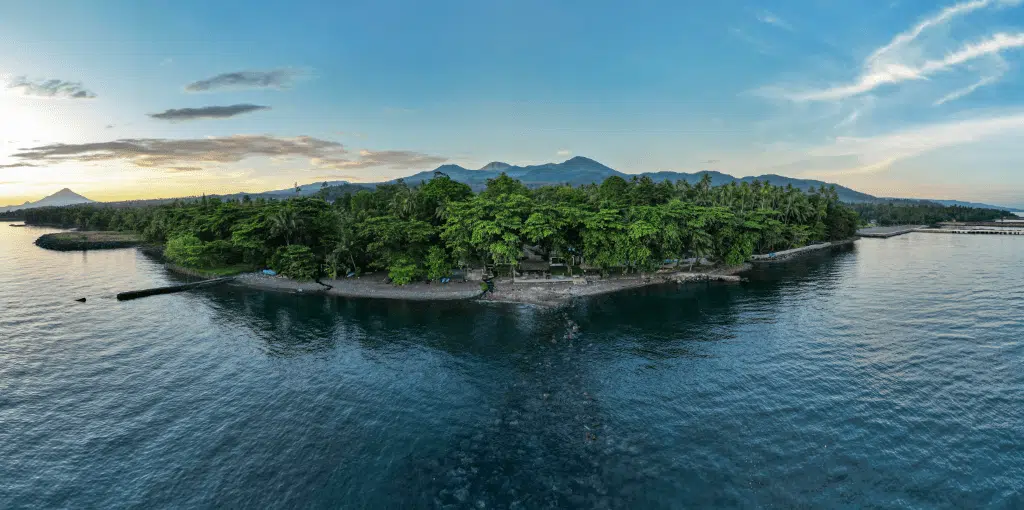
The course is offered at two locations in North Sulawesi: Manado and Bangka. The Manado site features a vibrant house reef with easy access to Bunaken Marine Park, known for its walls and marine biodiversity. It’s a calm, well-equipped site ideal for learning.
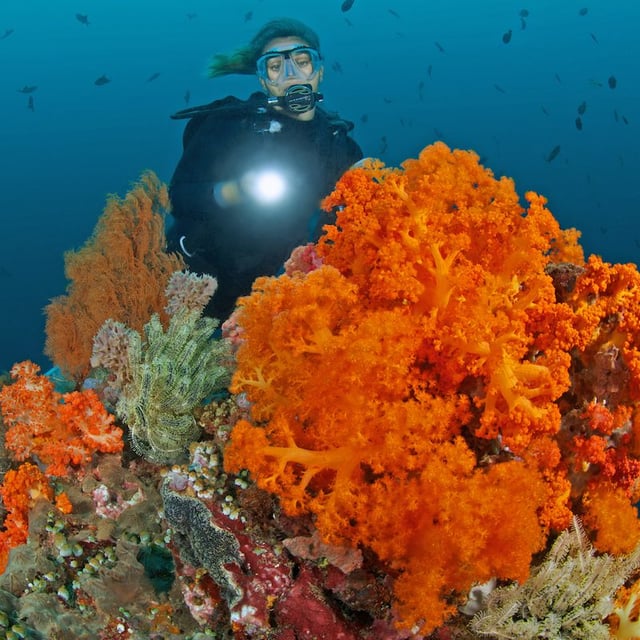
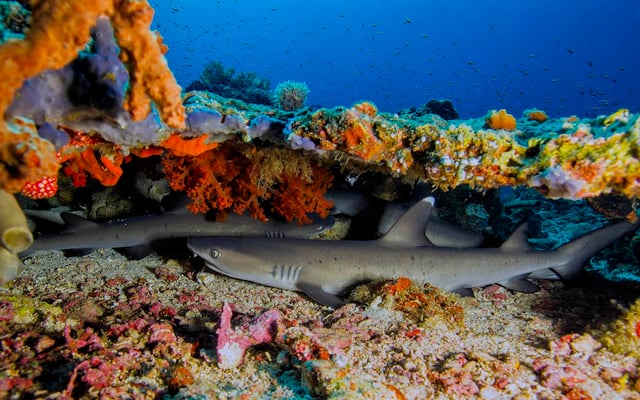
Bangka Island, by contrast, is home to colourful soft coral habitats and unique underwater topography. The nursery here is located on a sandy bottom just offshore and offers a more remote setting for conservation learning. Both locations provide a mix of classroom-style instruction and real-world diving experience, with warm waters and excellent visibility.
Participants must be certified Open Water Divers and comfortable diving in mild currents. No previous experience with coral identification is required, but an interest in marine ecology will enhance your experience.
The course is open to divers aged 10 and above. You should be reasonably fit and able to dive up to three times per day.
The centre is family-run and has been welcoming divers to North Sulawesi for decades. Known for its relaxed and friendly atmosphere, the team focuses on individualised service and meaningful ocean experiences.
The centre’s commitment to marine conservation is evident in every detail—from low-impact operations to active involvement in coral restoration. Their partnership with Ocean Gardener brings world-class education and sustainability into every dive.
You must be a certified Open Water Diver to participate in this course, as it involves multiple open water dives with specific coral identification tasks. Being comfortable with diving in conditions typical to North Sulawesi, such as mild currents and variable visibility, will help you get the most from the experience.
If you’re new to diving or not yet certified, it’s recommended to complete an Open Water course beforehand. This ensures you have the essential diving skills and safety knowledge to focus fully on the coral identification and restoration activities during this specialised course.
The course involves up to five dives spread over three days, including theory sessions and practical work underwater. While the dives are generally easy to moderate in difficulty, you should be reasonably fit to manage multiple dives in a day, as well as the occasional swimming between dive sites.
There are no strenuous physical challenges involved, but being in good health and able to handle basic diving exertion will make the experience more enjoyable. If you have any medical concerns, you should consult a doctor before signing up.
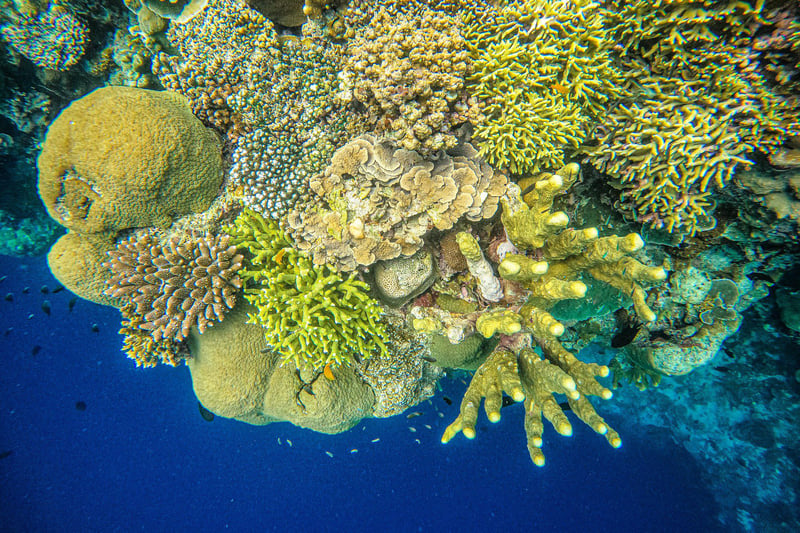
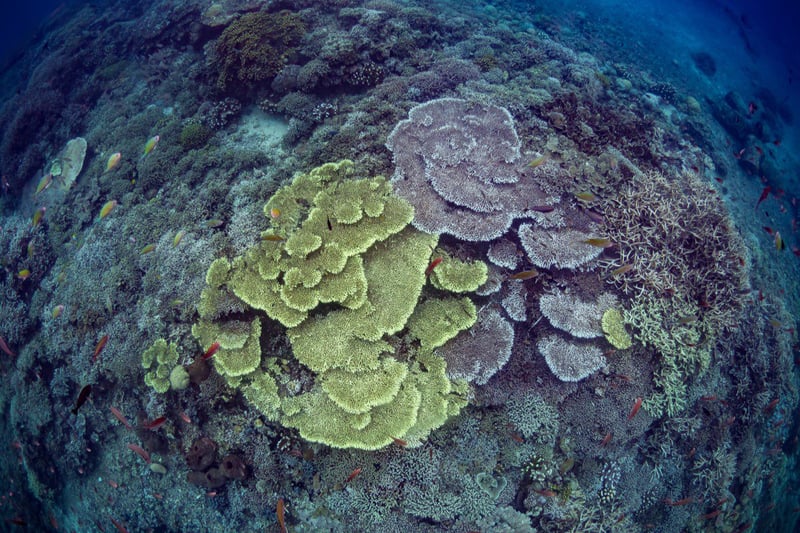
The course teaches you to identify 15 coral genera commonly found in the Indo-Pacific region. You will learn to distinguish different coral growth forms, such as branching, massive, and plate-like corals, along with recognising key features that separate hard and soft corals.
In addition to genus-level identification, you will explore coral biology fundamentals, including how corals reproduce and grow. This knowledge deepens your understanding of reef ecosystems and helps you notice subtle differences underwater that many divers miss.
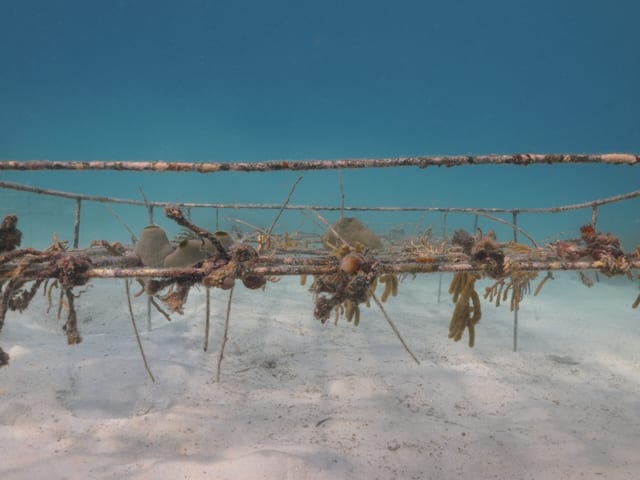
You will visit a coral nursery set up on metal frames on a sandy seabed, where small coral fragments are nurtured until ready for transplantation. The course includes hands-on experience with maintaining these nurseries, such as cleaning algae and caring for growing corals.
The final stage involves a transplant dive, where you help attach mature coral fragments back onto damaged reef areas. This practical conservation work offers a unique opportunity to contribute directly to the health and recovery of the local marine environment.
While the course requires Open Water certification, the dive sites used for the training are generally calm with good visibility, making them accessible for relatively new divers. The focus is on education and observation rather than challenging diving conditions.
However, all participants should be comfortable with basic buoyancy control and safe diving practices. Dive guides are present throughout the course to provide support and ensure a safe and enjoyable experience.
Basic dive equipment such as mask, snorkel, fins, wetsuit, buoyancy control device, regulator, and tank are typically provided by the centre as part of the course. However, if you have personal gear, bringing it along can improve comfort and fit.
It is recommended to bring a dive computer and underwater slate or notebook for taking notes during the identification dives. Waterproof cameras or underwater notebooks can also be useful to record observations for further study.
Yes, successful completion of all theory sessions, dives, and practical coral restoration work results in an official Ocean Gardener Coral Diver Level 1 certification. This qualification recognises your ability to identify key coral genera and your contribution to reef restoration efforts.
The certificate is internationally recognised within the Ocean Gardener network and can enhance your diving credentials. It also serves as a symbol of your commitment to marine conservation and sustainable diving practices.
Accommodation is not included in the course fee and must be arranged separately. There are various options nearby, ranging from budget guesthouses to more comfortable resorts, allowing you to choose what best suits your needs and preferences.
The centre can offer recommendations and assist with bookings if requested. Staying close to the dive centre is advisable to make the most of the early starts and multiple dives planned throughout the course.


Berkshire, Buckinghamshire and Oxfordshire, United Kingdom
From £400
About the centre
Minahasa Regency, North Sulawesi
Operated by Murex Resorts, a partner of adventuro.

North Sulawesi, Indonesia
From $3794