We partner with Rewilding Britain to help protect our natural spaces for future adventures.
All centres are vetted for safety and quality. Your adventure is in good hands with adventuro.
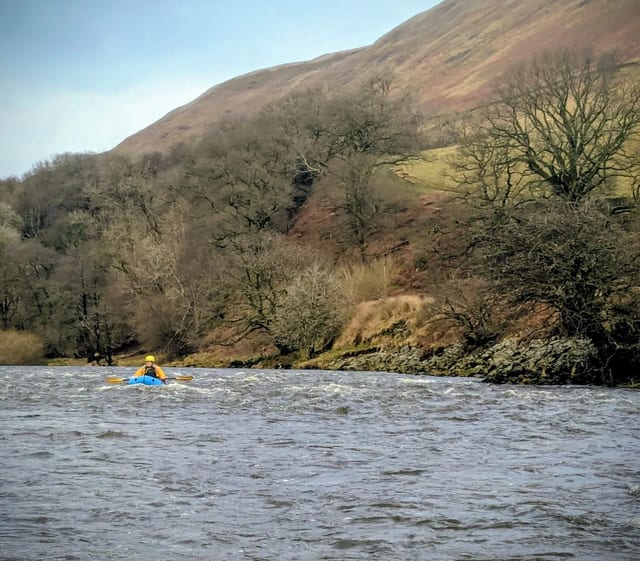
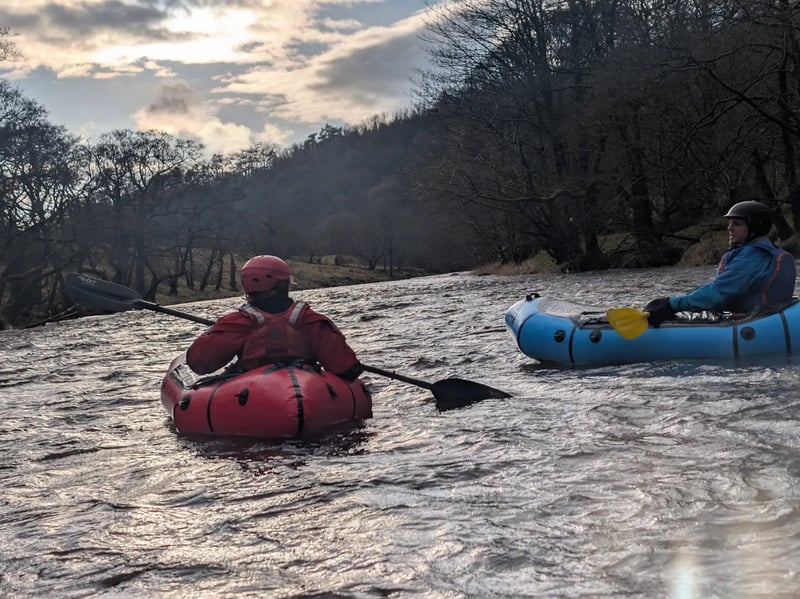
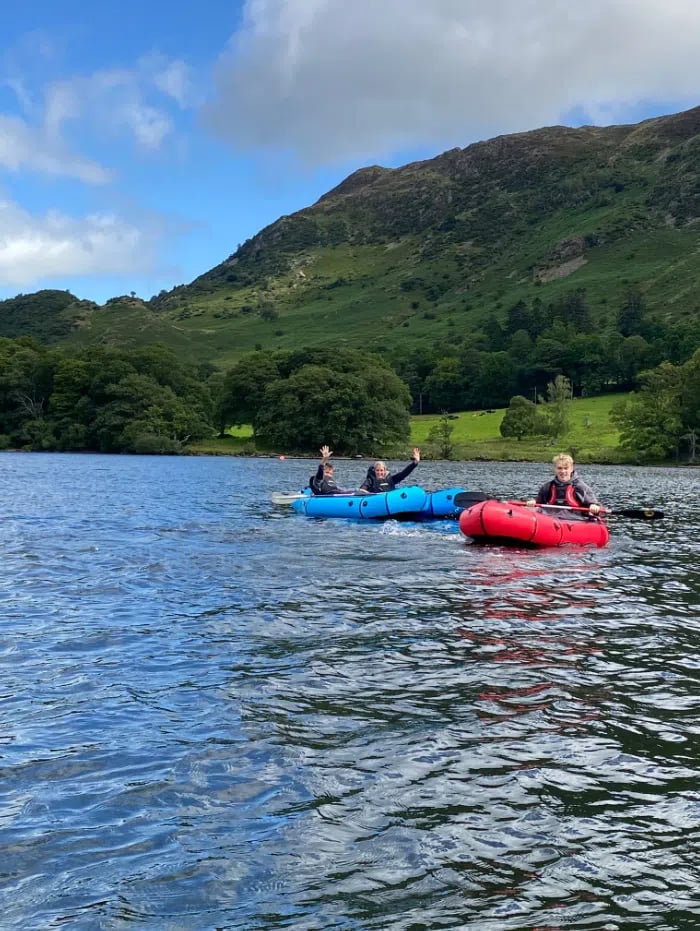
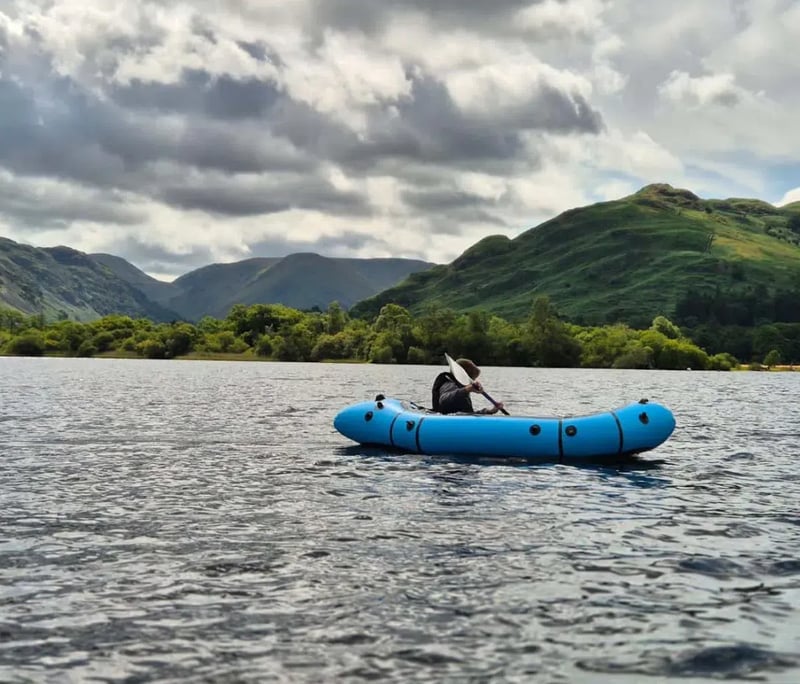
Combina el esfuerzo de desplazarte por la montaña con la recompensa de remar por aguas que la mayoría de la gente nunca ve. Esta distintiva expedición entrelaza ascenso, descenso y packraft en un solo viaje, diseñado en torno al terreno, el tiempo y lo que el grupo quiere obtener de la experiencia. Pensada para exploradores curiosos dispuestos a probar algo realmente diferente — y a utilizar la «mochila» de packraft tal como se concibió originalmente.
Tu aventura comienza en el punto de encuentro con una sesión informativa detallada sobre el equipo que cubre las dos partes de la actividad. Tu guía te enseñará la packraft, el remo y el chaleco de flotación, y después te mostrará cómo plegarlo todo hasta que ocupe lo suficiente para llevarlo en la mochila junto con las capas de abrigo, el equipo de acampada y la comida del día. Como cada viaje de senderismo y remo es realmente personalizado, la primera conversación también sirve para confirmar el plan del día: a qué montaña te diriges, dónde empieza el agua y dónde podríais acampar si el viaje incluye una noche. La sesión de seguridad cubre tanto los desplazamientos por montaña como el remo, con una explicación completa de lo que puedes esperar en cada tramo.
El ascenso es donde este viaje hace honor a su nombre. Avanzarás a pie con las embarcaciones plegadas dentro de las mochilas, siguiendo una ruta elegida para adaptarse al grupo, al tiempo y a la ubicación del acceso al agua. El terreno varía enormemente según el plan: algunos viajes suben por la ladera moderada de un valle; otros alcanzan una verdadera cumbre de montaña, con vistas que se abren en cada zigzag. En el punto de salida acordado, las packrafts salen de las mochilas, se hinchan y pasan de ser un bulto dentro de tu mochila a convertirse en una embarcación funcional en pocos minutos. Ese momento de deslizarte sobre el agua hasta la que acabas de caminar es lo que hace tan distintivo este formato de expedición: ninguna otra embarcación de remo te permite hacerlo.
Según la ruta, el resto del viaje puede desarrollarse como un único descenso gratificante hasta un vehículo que te espera, un recorrido de varios días que conecta varios tramos de agua con jornadas a pie entre ellos o una expedición que acampa en altura con el remo como protagonista. Las noches en la montaña tienen una calidad diferente a la de los campamentos junto al río: cielos más amplios, aire más fresco y esa quietud que solo se encuentra lejos de las carreteras. Como cada viaje se adapta a medida, tu guía construye contigo la forma del itinerario: jornadas más largas de caminata para grupos en buena forma y ambiciosos, planes más suaves para quienes combinan aprendizaje y exploración, y opciones de campamento flexibles que pueden responder a los cambios del tiempo. Termine como termine la aventura, bajarás de la montaña con la verdadera sensación de haber viajado, no solo de haber visitado un lugar.
El Lake District es uno de los mejores lugares del Reino Unido para este tipo de expedición. En un parque nacional relativamente compacto encontrarás una extraordinaria densidad de montañas transitables, tarns elevados, arroyos rápidos, ríos de valle más lentos y lagos profundos, todo lo cual puede combinarse en rutas de senderismo y remo realmente variadas. Según la experiencia y las ambiciones de tu grupo, un solo viaje puede incluir el ascenso a una montaña, un tarn remoto de altura, el descenso por un río a través de un valle boscoso o una combinación de las tres cosas. No hay dos expediciones iguales.
Lo que hace tan gratificante este paisaje para un viaje de senderismo y remo es la forma en que el agua y el terreno se entrelazan. Las montañas clásicas se alzan directamente sobre aguas tranquilas a las que pocos senderistas llegan; los valles largos canalizan los ríos desde las tierras altas hasta los lagos principales; e incluso las cumbres populares suelen tener cerca alguna masa de agua escondida y poco frecuentada por palistas. Acercarte a las montañas de esta manera — con una embarcación en la mochila — te permite descubrir una versión del Lake District que muy pocos visitantes llegan a experimentar y que permanece contigo mucho después de haberte secado.
Este viaje te exigirá más que una expedición fluvial o lacustre estándar, y merece la pena ser sincero contigo mismo sobre lo que eso implica. Debes tener una buena forma física general para la montaña: capacidad para llevar durante periodos prolongados una mochila cargada (incluidas la packraft, el remo, el chaleco de flotación y el material de acampada cuando corresponda) cuesta arriba y para desplazarte cómodamente a pie por terrenos variados. No se requiere experiencia remando: tu guía cubrirá todo lo necesario en el agua; pero la confianza en el agua, una capacidad básica para nadar y la disposición a aprender en condiciones reales son importantes. Los niños de 10 años o más son bienvenidos cuando van acompañados por un adulto participante, aunque las exigencias de una jornada de senderismo y remo hacen que este viaje sea más adecuado para niños mayores y resistentes que para los más pequeños. Cualquier persona de 18 años o más puede participar de forma independiente.
Preparar el equipaje para un viaje así requiere más que para una salida estándar. Además de todo lo que llevarías para un día en la montaña — buenas botas de montaña, impermeable adecuado, capas de abrigo, gorro y guantes, protección solar y abundante comida y agua — también necesitarás una mochila lo bastante grande para transportar el equipo de packraft y cualquier material de acampada adicional. Como las rutas son personalizadas, tu guía te enviará una lista precisa de equipo una vez acordada la estructura del viaje, para que sepas exactamente qué llevar y qué se proporcionará. Todo lo que deba mantenerse seco irá en las bolsas estancas suministradas, y tu guía te ayudará a equilibrar la mochila antes de la aproximación a pie.
El packraft es nuestro único objetivo, y los viajes de senderismo y remo son las expediciones más exigentes que organizamos; precisamente por eso la experiencia especializada cuenta. Todas las rutas han sido exploradas, recorridas y remadas antes de que tú pises la montaña, lo que significa que te incorporas a un viaje ya probado en cuanto a acceso, seguridad y disfrute. Los grupos reducidos hacen manejable una logística compleja, y nuestro equipo de expedición se elige por su fiabilidad y ligereza durante varios días que combinan caminatas y remo. Tu guía se siente tan cómodo en la montaña como en el agua, una combinación menos habitual de lo que parece.
Lo que realmente distingue este tipo de expedición es el acceso que proporciona. Como las packrafts se pliegan dentro de una mochila, podemos llegar a tarns, ríos y valles a los que sencillamente no se puede remar de ninguna otra manera, y podemos construir viajes enteros alrededor de esos lugares en vez de intentar añadir una embarcación a una ruta de senderismo estándar. Combinada con una guía paciente y cercana y un profundo respeto por los paisajes en los que trabajamos, esa flexibilidad es lo que convierte una aventura de senderismo y remo en algo verdaderamente memorable y la razón por la que muchos participantes regresan para planificar viajes progresivamente más ambiciosos después de probarlo por primera vez.
Más que una salida fluvial estándar, pero no necesitas ser un montañista experimentado. La referencia es aproximadamente esta: si caminas habitualmente por las colinas, puedes llevar una mochila cargada (unos 10–15kg) cuesta arriba durante varias horas y te desenvuelves bien sobre terreno irregular con tiempo variable, estás en una buena posición para disfrutar de esta expedición. Si tu día habitual al aire libre termina con un café y unas vistas, probablemente deberías prepararte para un viaje así haciendo primero algo de senderismo por colinas.
La dificultad específica que suele sorprender a la gente es cargar peso. Una packraft, un remo, un chaleco de flotación, capas de abrigo y provisiones para el día suman bastante, y en las excursiones con noche también llevarás el equipo de acampada. Tu guía te ayudará a preparar la mochila de forma inteligente y, en los viajes a medida, la distancia y el desnivel pueden adaptarse a la forma física del grupo. Si no estás seguro de estar preparado, coméntalo al reservar; preferimos diseñar un viaje que se ajuste a tus capacidades antes que verte sufrir al subir una montaña.
Depende por completo de la ruta que acuerdes con tu guía. Algunos viajes se centran más en caminar: aproximaciones largas, crestas elevadas y una travesía en remo más corta pero preciosa como recompensa por la subida. Otros se centran más en remar, con una aproximación a pie más corta hasta un tramo de agua de cierta longitud que te acompaña durante la mayor parte del día. Un tercer formato combina varios tramos a pie y en remo a lo largo de uno o más días, convirtiendo todo el viaje en una especie de recorrido conectado por el paisaje.
Tus preferencias dan forma al plan por completo. Si te encanta caminar y tienes curiosidad por el packraft, la proporción puede inclinarse hacia las colinas; si eres un palista entusiasta que quiere usar las montañas para llegar a un lugar excepcional, el énfasis cambia en la otra dirección. Esta conversación tiene lugar al reservar y es una de las razones por las que preguntamos por tu experiencia y tus objetivos antes de cerrar cualquier detalle.
Como referencia razonable, una mochila de packraft para una excursión de un día de senderismo y remo pesa 8–12kg, incluyendo la packraft, el remo, el chaleco de flotación, las capas de abrigo, la comida, el agua y los objetos personales. Para una excursión con noche, añade un saco de dormir, una esterilla, una tienda personal (o un refugio común si se utiliza uno) y comida adicional; normalmente el peso de la mochila asciende a unos 14–18kg. Estas cifras varían según la duración del viaje, el equipo que lleves y cuánto material común transportéis entre todos.
El peso de la mochila importa más de lo que la mayoría espera, porque tendrás que llevarlo cuesta arriba. Tu guía te ayudará a eliminar artículos innecesarios, distribuir sensatamente el equipo común entre el grupo y preparar la mochila de forma eficiente para no desperdiciar espacio ni esfuerzo. Invertir en equipo personal ligero — sacos de dormir modernos, ropa minimalista y un impermeable compacto — merece la pena en un viaje así. Si quieres asesoramiento sobre el equipo antes de la expedición, estaremos encantados de comentarlo contigo.
Los puntos de salida son realmente variados, y eso constituye una parte importante de lo que hace especial a esta expedición. Puede que hinches tu embarcación en la orilla de un tarn de montaña de apenas unos metros de ancho, al borde de un arroyo de montaña lo bastante grande para mantenerte a flote, o junto a un río más caudaloso que fluye por un valle inferior. En algunos casos, el punto de salida es el objetivo mismo de la caminata: una masa de agua remota a la que sencillamente no se puede llegar con una embarcación más grande.
Como cada ruta es personalizada, tu guía confirmará el punto de salida previsto según el nivel del agua, el tiempo y la capacidad del grupo. También tendrá siempre un plan alternativo por si las condiciones cambian ese día. Lo que no harás es salir desde un aparcamiento convencional o un acceso lacustre muy transitado: ese es precisamente el atractivo de este formato y lo que convierte el viaje en una categoría propia.
Los cambios meteorológicos forman parte normal de cualquier día en las montañas del Lake District, y tu guía los tiene en cuenta desde el principio. Los cambios pequeños — un chaparrón pasajero, una ráfaga de viento o la niebla cubriendo la cumbre — normalmente se incorporan al plan sin mayores problemas, siempre que vayas bien equipado. La sesión informativa explicará cómo añadir o quitar capas mientras avanzas, qué hacer si aumenta el viento en una cresta expuesta y cuándo hacer una pausa para dejar pasar un frente.
Los cambios más serios — vientos fuertes sostenidos, lluvias intensas persistentes que provoquen niveles peligrosos en los ríos, tormentas eléctricas o nieve en altura — pueden hacer necesario cambiar la ruta. Eso podría significar evitar la parte más elevada de la caminata, desviarse por un itinerario más protegido, cancelar el tramo de remo y salir caminando o, en casos excepcionales, abortar y reprogramar la actividad. Tu guía lleva equipos adecuados de comunicación y refugio de montaña, y toma decisiones con prudencia. Si quieres conocer de antemano los protocolos meteorológicos, estaremos encantados de explicártelos antes de que reserves.
No necesitas caminar habitualmente por la montaña, pero sentirse cómodo en la naturaleza ayuda de verdad. Si has hecho algunas caminatas guiadas o por tu cuenta en las colinas, entiendes lo básico sobre cómo vestirte para un tiempo cambiante y puedes moverte por terreno irregular sin sentir ansiedad, estarás bien preparado para este viaje. Quienes no tengan ninguna experiencia en montaña también pueden participar, pero normalmente disfrutarán más si empiezan con un formato más suave — quizá una aproximación a pie de medio día antes de remar en el río — en lugar de comenzar directamente con una aventura más larga de senderismo y remo.
No se requiere experiencia remando: tu guía se encargará de toda la enseñanza en el agua durante el propio viaje. Lo más importante es evaluar tus capacidades con honestidad: sé realista sobre tu forma física para la montaña, tu tolerancia al tiempo y tu disposición a cargar una mochila cuesta arriba. Si algo de esto te parece demasiado exigente, coméntalo al reservar y podremos adaptar el viaje o recomendarte un formato diferente que te convenga más.
Varía enormemente, según la ruta. Podrías remar en un tarn tranquilo y llano de montaña sin nada de corriente, en un arroyo suave que serpentea por un valle, en un río de caudal moderado con algún rápido fácil ocasional o en un tramo de lago apacible al final de un descenso. Lo que normalmente no encontrarás en un primer viaje es nada técnico: aguas bravas propiamente dichas, rápidos complejos o tramos que exijan habilidades avanzadas de remo. Tu guía siempre adapta el agua al grupo.
Si tienes intereses concretos relacionados con el agua — un tarn específico en el que te encantaría remar o un tramo de río sobre el que hayas leído — coméntalos durante la conversación de reserva. En algunos casos podrán incorporarse a la ruta; en otros, tu guía puede sugerir una opción diferente que te ofrezca lo que buscas sin añadir riesgos. La flexibilidad es una de las principales razones por las que las expediciones personalizadas funcionan tan bien.
Puede serlo, pero con algunas salvedades importantes. Los niños de 10 años o más son bienvenidos cuando van acompañados por un adulto participante y, para el joven adecuado — en buena forma, feliz en la montaña y entusiasmado por la aventura — un viaje de senderismo y remo puede ser una experiencia increíble. Hemos llevado a familias con adolescentes en días magníficos que todavía recuerdan años después. Para los niños más pequeños o aquellos a quienes les resultan difíciles las caminatas largas, una salida fluvial o lacustre estándar casi siempre es un mejor punto de partida.
Si estás pensando en una expedición familiar, lo mejor es conversar antes de reservar. Querremos conocer la experiencia de tus hijos caminando, su confianza en el agua y su resistencia general al aire libre, para recomendarte un itinerario personalizado de senderismo y remo que funcione para toda la familia o proponerte un formato alternativo que ofrezca una mejor experiencia. No tiene sentido obligar a los jóvenes a completar un viaje demasiado exigente para ellos.
La elección de la ruta se decide mediante una conversación, no a partir de un menú fijo. Al reservar, tu guía preguntará por tu experiencia caminando y remando, tu forma física, lo que esperas obtener del viaje, cuántos días tienes y si te atrae más la parte de montaña o la de agua. A partir de ahí, te propondrá una ruta adecuada, a menudo con varias opciones de distintos niveles de dificultad para que elijas la que te parezca correcta. Las decisiones finales también pueden adaptarse ese día según el tiempo y el estado de ánimo del grupo.
Este enfoque consultivo es una de las principales razones por las que estos viajes funcionan tan bien. En lugar de intentar que un recorrido genérico se adapte a todo el mundo, partimos de lo que quieres y construimos el viaje a partir de ahí. Si tienes en mente una montaña, un tarn o un río concreto, coméntalo: es posible que ya tengamos un plan basado en ello o que podamos explorar una opción para ti. El propio proceso de planificación forma parte de la experiencia.
Por supuesto: así es, esencialmente, como mejor funciona este formato. Algunos participantes llegan con un objetivo claro (coronar una montaña concreta, remar en un tarn específico o combinar una cresta conocida con un río determinado); otros llegan con una idea general (dos días, una mezcla de caminata y remo, un ambiente tranquilo y remoto) y dejan que el guía dé forma a los detalles. Ambos enfoques funcionan bien, siempre que la conversación tenga lugar con suficiente antelación para explorar, planificar y confirmar la logística.
Si tus objetivos van más allá de lo que se ofrece normalmente — una travesía prolongada de varios días, conectar varios sistemas fluviales o incluir fotografía o natación en aguas abiertas junto con el remo — también serán bienvenidas esas conversaciones. Puede que necesitemos más tiempo de preparación y planificación, pero muchas de nuestras expediciones más memorables comenzaron exactamente así: un participante llegó con una idea inusual y preguntó si era posible. Ponte en contacto pronto y trae tus preguntas.
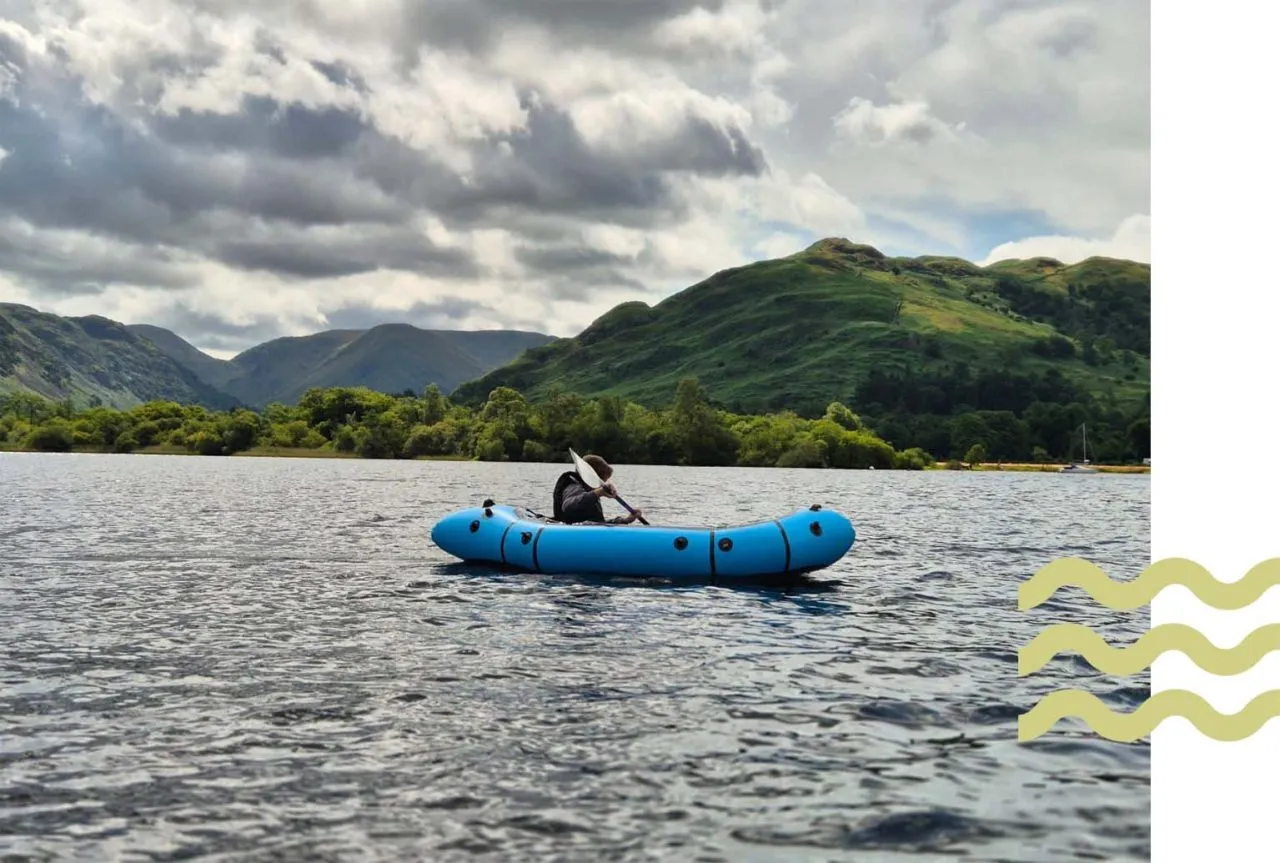
Sobre el centro
Carlisle
Operado por Lake District Packrafting, un partner de adventuro.
Cumbria, United Kingdom
Desde £180





Cumbria, United Kingdom
Desde £150
Cumbria, United Kingdom
Desde £44
Cumbria, United Kingdom
Desde £200
Cumbria, United Kingdom
Desde £180
Cumbria, United Kingdom
Desde £173.65
Cumbria, United Kingdom
Desde £102
Cumbria, United Kingdom
Desde £102