We partner with Rewilding Britain to help protect our natural spaces for future adventures.
All centres are vetted for safety and quality. Your adventure is in good hands with adventuro.
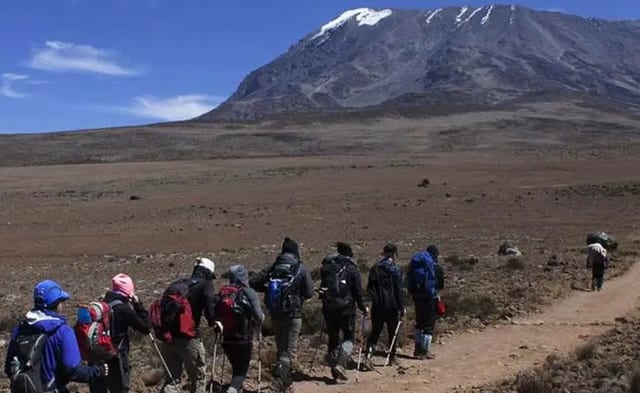
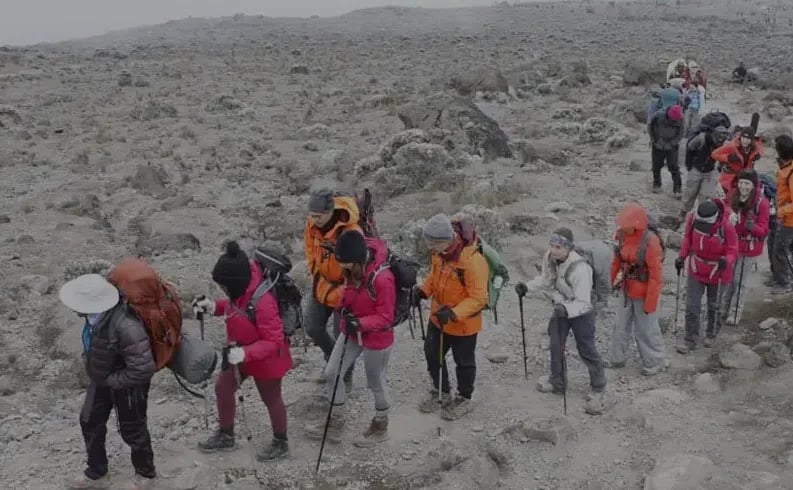
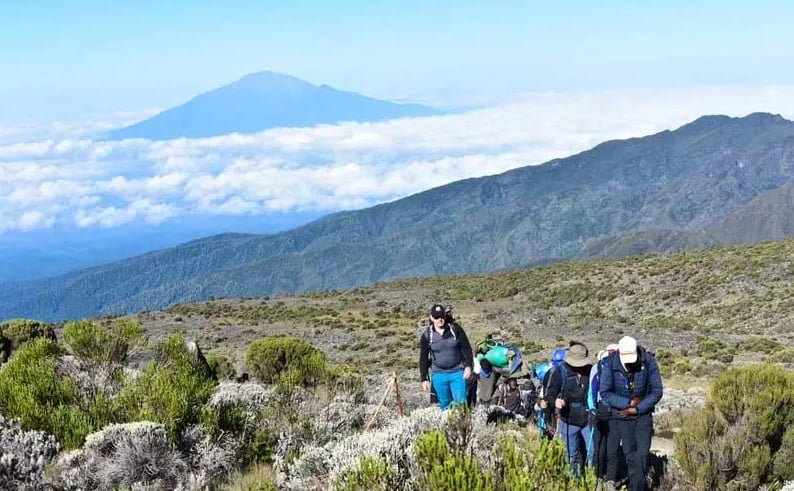
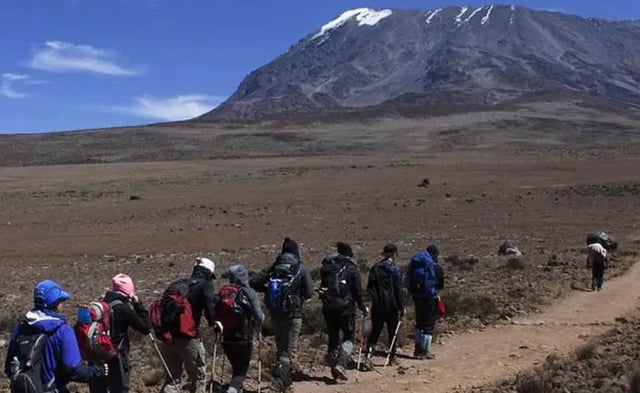
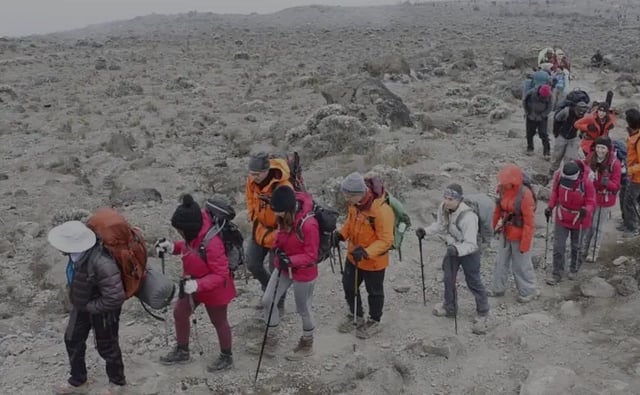
This four-day trek offers a challenging climb to Mount Oldoinyo Lengai, one of Tanzania’s most unique and culturally significant volcanoes. Guests can choose between the established Traditional Route, which follows a steady path through volcanic ash slopes and scrubland, or the Crater Ridge Route, which takes more rugged ridges for a remote wilderness experience.
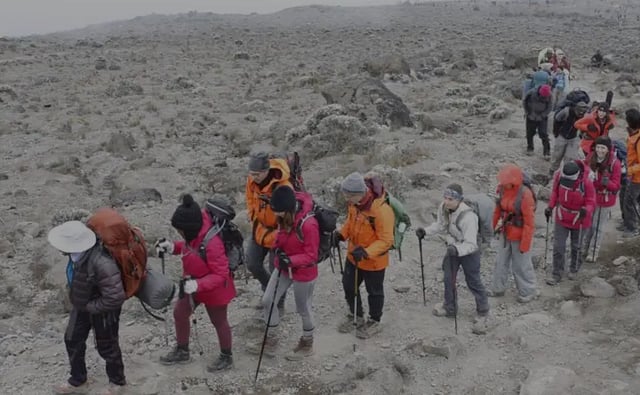
Both routes are supported by experienced guides, cooks, and porters. Each day includes acclimatisation and rest stops to help manage the physical demands of volcanic terrain. Trekkers gain insight into Maasai culture while traversing plains, volcanic slopes, and ridgelines.
The trek balances adventure, safety, and cultural immersion, providing panoramic views, wildlife sightings, and the rare opportunity to witness Oldoinyo Lengai’s active crater. This is ideal for those seeking a distinct climbing experience in northern Tanzania.
🏡 Traditional Route – Classic Summit Approach
This route ascends gradually through volcanic slopes, offering a mix of hiking challenges and cultural encounters. Overnight camps are positioned to allow acclimatisation and scenic views of Lake Natron and the surrounding plains.
The trek includes opportunities to meet Maasai villagers, observe local farming practices, and enjoy wildlife such as flamingos and birds in the Rift Valley. The route is suitable for trekkers with moderate fitness looking for a structured climb.
🧗 Crater Ridge Route – Remote Ridge Experience
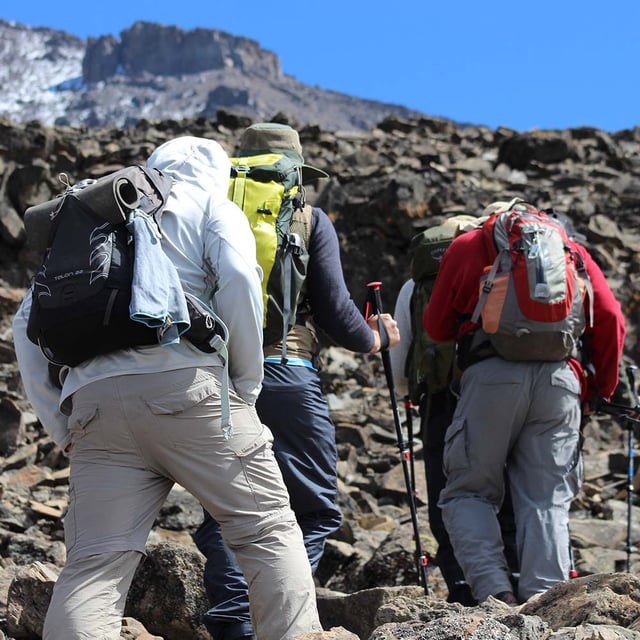
The Crater Ridge Route follows less-travelled ridges and escarpments for those seeking a more rugged adventure. Hikers navigate steep volcanic terrain, crater rims, and secluded valleys while enjoying wide panoramic vistas.
Along the way, trekkers pass traditional Maasai villages, organic farms, and native forests. This route is recommended for those with previous trekking experience and a desire for a challenging, rewarding climb with fewer crowds.
The team brings extensive experience guiding climbs on Mount Oldoinyo Lengai, combining safety, cultural knowledge, and local insight. Guides are trained to monitor acclimatisation, navigate volcanic terrain, and provide a supportive environment for trekkers of all levels.
Logistics are fully managed, from meals and campsites to transport and safety equipment, so guests can focus on the trek. The crew emphasises responsible trekking practices, supports local communities, and ensures each climb is both rewarding and well-organised.
Day 1: Arusha to Lake Natron Base Camp
Transfer from Arusha to Lake Natron. Settle into Base Camp (2,000m), rest, and explore the surrounding salt flats and flamingo habitats.
Day 2: Base Camp to Saddle Camp (2,500m)
Begin trekking through volcanic ash and scrubland to Saddle Camp. Evening preparation for the summit attempt.
Day 3: Summit Attempt and Return to Base Camp
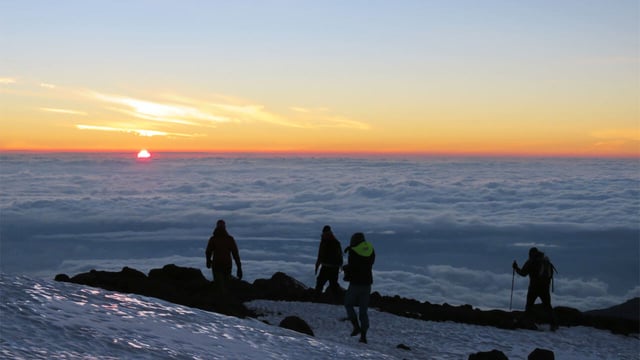
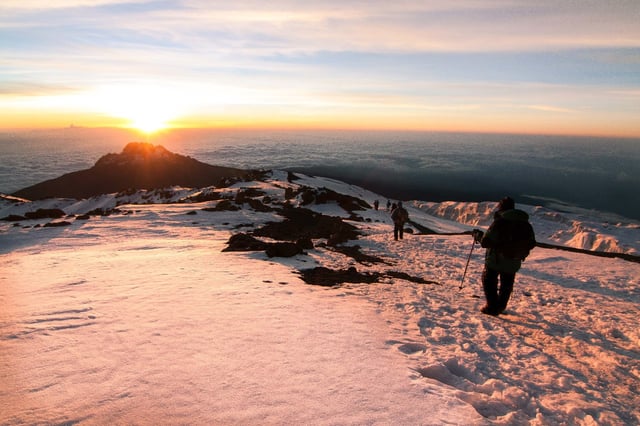
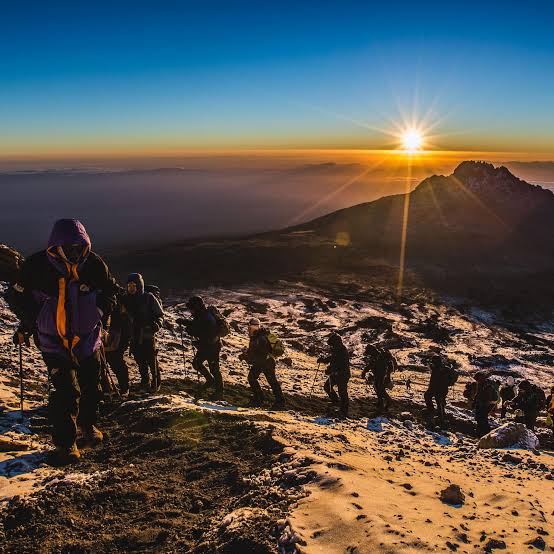
Start the pre-dawn ascent to the summit (2,878m). Enjoy sunrise over the crater, Lake Natron, and Rift Valley. Descend back to Base Camp for rest.
Day 4: Base Camp to Lake Natron and Departure
Final descent to Lake Natron, followed by transfer to Arusha or onward travel.
Day 1: Arusha to Lake Natron Base Camp
Drive from Arusha to Lake Natron Base Camp. Evening to relax, acclimatise, and enjoy views of the surrounding volcanic landscape.
Day 2: Base Camp to Crater Ridge Camp (2,500m)
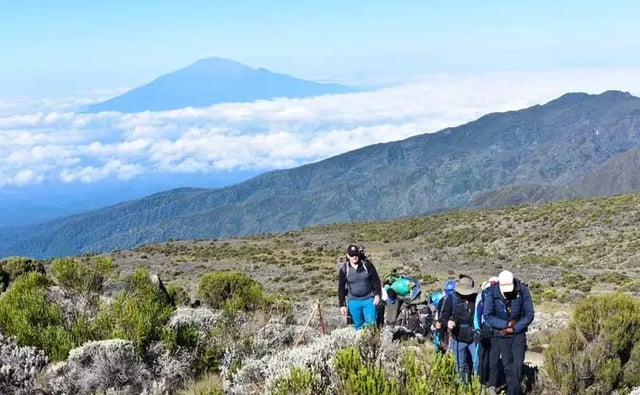
Ascend through rugged volcanic ridges and steep sections to Crater Ridge Camp. Panoramic views of the Great Rift Valley accompany the challenging terrain.
Day 3: Summit Attempt and Return to Base Camp
Early morning climb to the summit (2,878m). Observe the active crater and sweeping valley views, then descend to Base Camp for overnight rest.
Day 4: Base Camp to Lake Natron and Departure
Descend to Lake Natron and transfer back to Arusha or continue to your next destination.
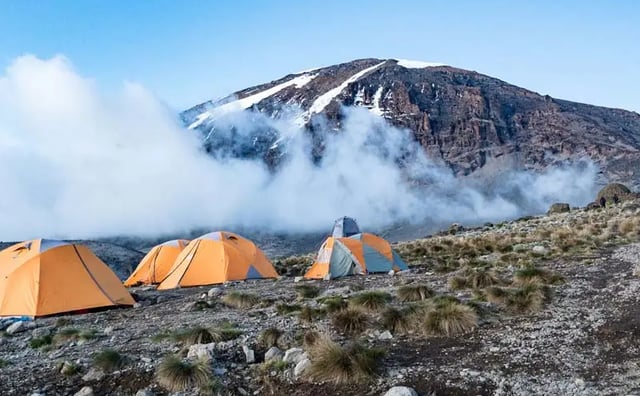
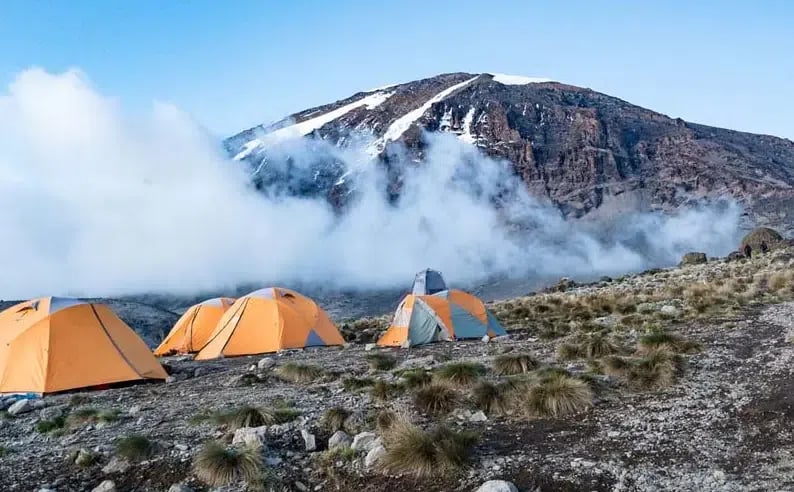
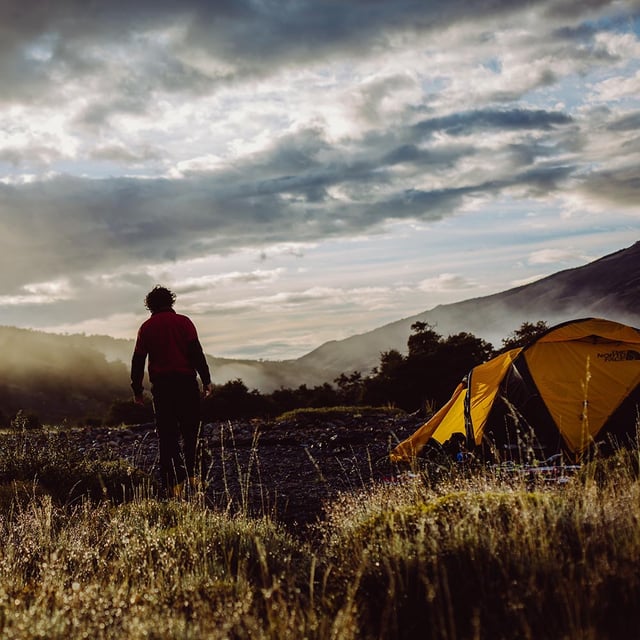
Accommodation during the trek is in high-quality mountain tents, with sleeping mats provided for comfort. Campsites are set up at Base Camp, intermediate camps, and along the route to allow proper rest and acclimatisation.
Before and after the trek, hotels can be arranged in Arusha or nearby towns. Each campsite provides communal areas for meals and briefings, ensuring comfort while maintaining the remote trekking experience.
Mount Oldoinyo Lengai is an active stratovolcano in northern Tanzania, famed for its unusual natrocarbonatite lava. It is sacred to the Maasai people, who refer to it as the “Mountain of God,” making it a culturally significant and unique climbing destination.
The volcano offers trekkers the chance to witness low-temperature lava flows and explore a landscape shaped by both geological and spiritual heritage. Its distinct terrain provides a challenge for those seeking adventure off the usual tourist routes.
The peak reaches 2,878 metres (9,411 feet) above sea level, making it the highest point in the Ngorongoro District. While not as tall as Kilimanjaro, it presents a steep and technical climb with volcanic ash and loose rock sections.
Trekkers should be prepared for variable terrain and elevation gains that demand good fitness and some previous hiking experience. The summit offers expansive views of the Rift Valley, Lake Natron, and active craters.
The most suitable periods are during the dry seasons from June to October and December to February. These months provide more stable weather and safer trail conditions for both ascent and descent.
Rainy seasons can make volcanic paths slippery and more challenging, so climbers are advised to plan around the drier months for a safer and more enjoyable trek.
The volcano is considered moderately challenging due to steep volcanic slopes, loose gravel, and rocky ridges. Climbers should have a good level of fitness and some trekking experience to manage the ascent comfortably.
Acclimatisation is important, as the climb can be physically demanding. Guides provide support to manage pace, rest periods, and safety during steeper sections.
There are two main options: the Traditional Route, which is gradual and structured with regular camps for acclimatisation, and the Crater Ridge Route, which is more rugged and follows less-travelled ridges for a physically demanding climb.
Each route offers distinct scenery, cultural encounters, and trekking challenges. Choice of route depends on fitness, experience, and preference for either a structured or more adventurous experience.
Yes, an experienced guide is highly recommended and often mandatory. Guides provide navigation, monitor safety, and ensure that trekkers adjust to the altitude and terrain safely.
A local Maasai ranger may also accompany the climb, particularly on more remote sections, enhancing both safety and cultural insight.
Oldoinyo Lengai is notable for its low-temperature natrocarbonatite lava, which flows differently from typical lava, creating dark, sponge-like formations. The cultural significance to the Maasai adds a spiritual element to the adventure.
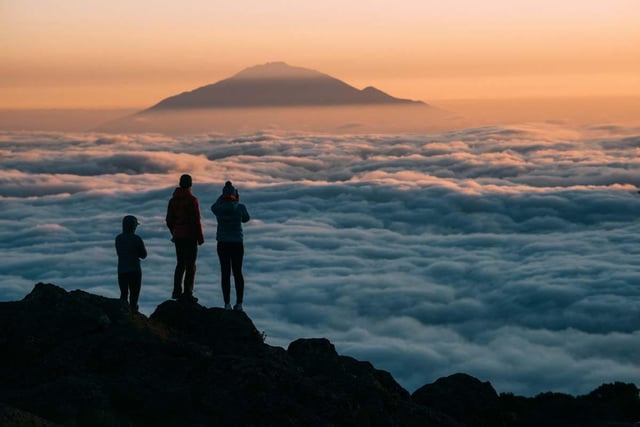
Trekkers enjoy dramatic crater views, volcanic ridges, and wide panoramas of the Rift Valley, Lake Natron, and surrounding plains. The combination of geology and tradition makes the climb a unique experience.
Essential items include sturdy hiking boots, layered clothing for varying temperatures, a headlamp for pre-dawn summit attempts, gloves, and sun protection.
Other essentials are a backpack with water, snacks, and personal items. Porters carry heavier equipment to reduce strain on climbers, allowing them to focus on the ascent.
Yes, with proper preparation, guidance, and equipment, the climb is considered safe. The presence of guides and rangers ensures safety in remote and volcanic areas.
The primary risks are altitude effects and challenging terrain, which can be managed with acclimatisation, careful pacing, and adherence to guide instructions.
About the centre
Arusha, Tanzania
Operated by Tanzania Migration Safaris and Travel, a partner of adventuro.