We partner with Rewilding Britain to help protect our natural spaces for future adventures.
All centres are vetted for safety and quality. Your adventure is in good hands with adventuro.
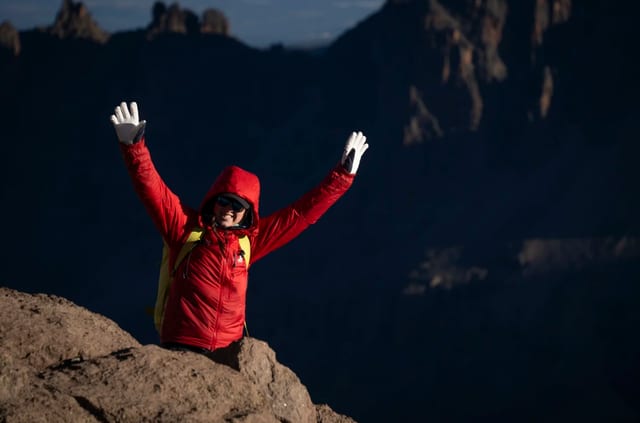
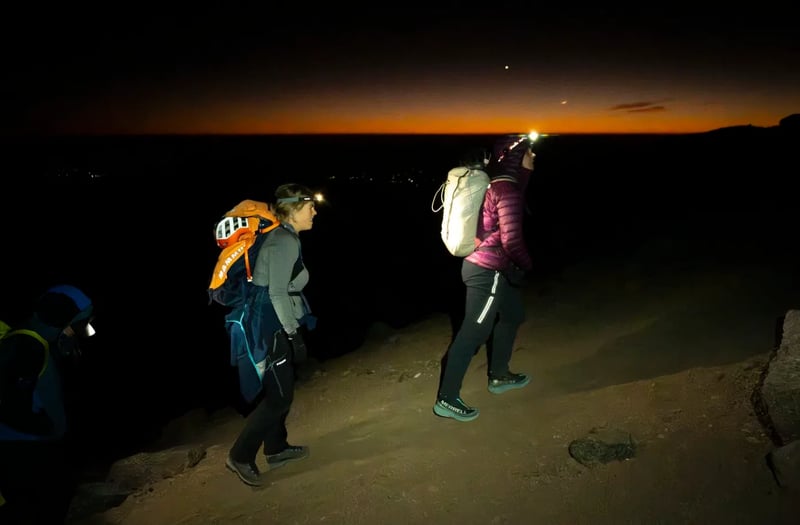
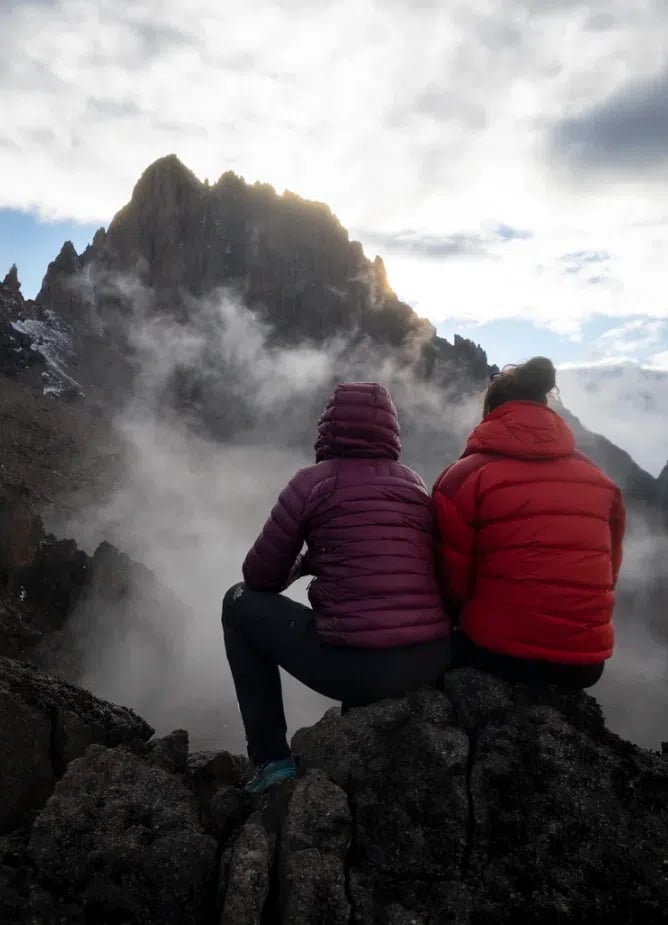
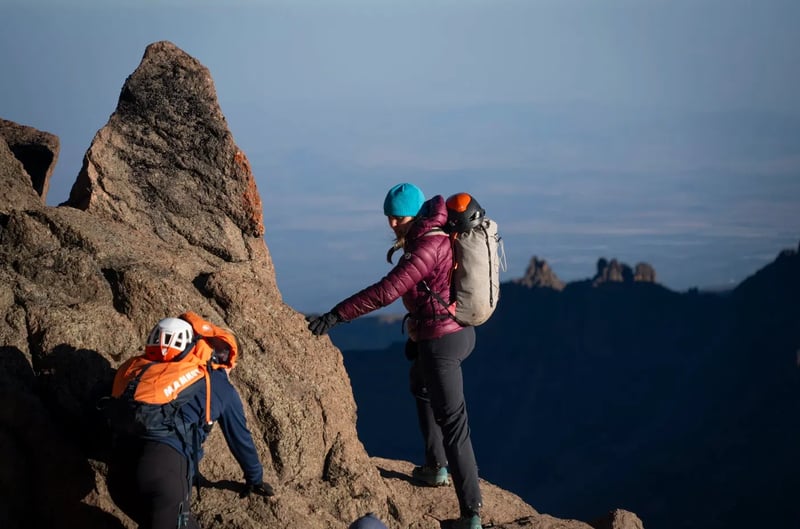
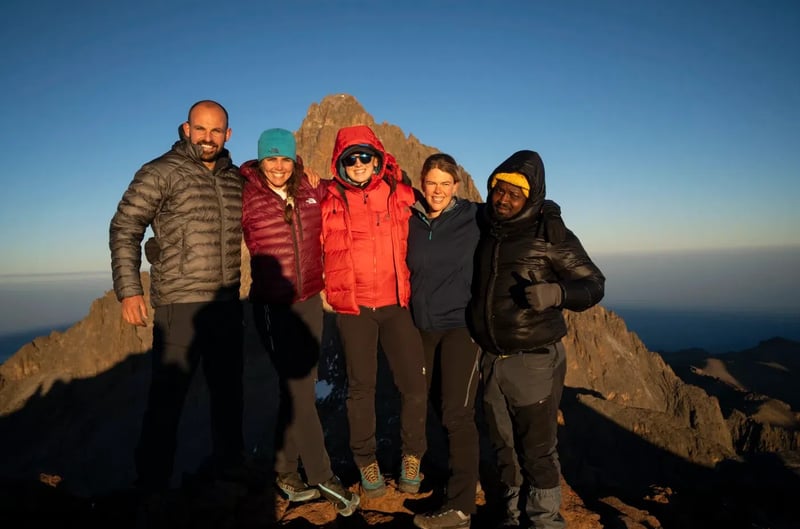
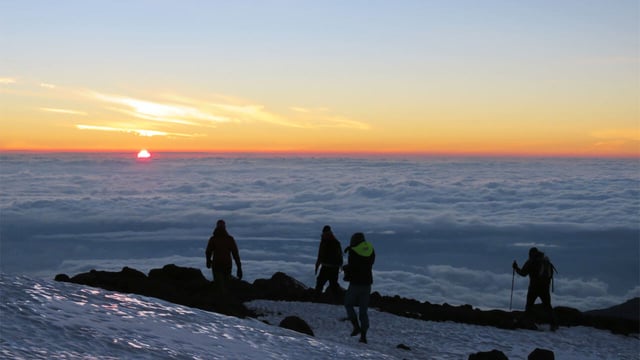
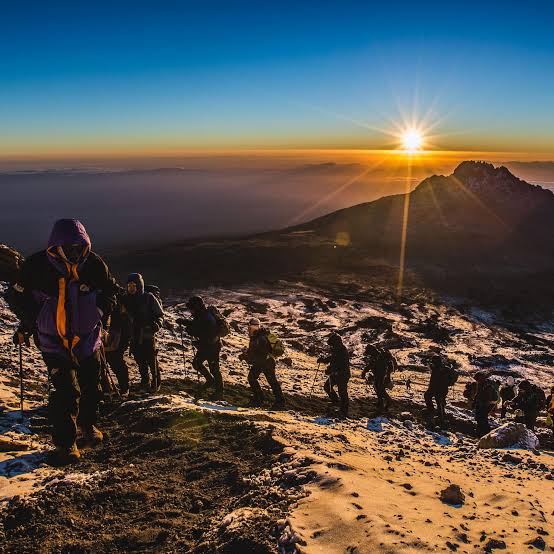
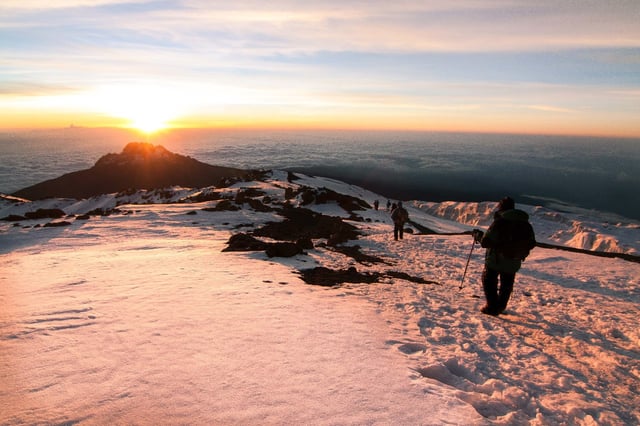
Across Mount Kenya, this experience offers two distinct paths to the summit. One focuses on reaching Point Lenana through a high-altitude trekking journey, while the other extends into a technical climb of Batian, adding a serious alpine challenge onto an already demanding route. Both options follow a structured ascent profile designed to support acclimatisation and maximise your chances of success.
Support is provided throughout by a full expedition team, allowing you to focus on moving well in the mountains rather than managing logistics. From trekking through varied terrain to preparing for summit day, each stage is planned with flexibility so that decisions can be adjusted based on weather, energy levels, and overall progression.
Qualified and experienced instructors guide every stage of the trip, combining technical climbing knowledge with a strong understanding of high-altitude environments. Their approach prioritises safety while helping you build confidence as you move through increasingly challenging terrain.
Each trip is shaped around your goals, whether that’s completing a high-altitude trek or stepping into technical alpine climbing. Flexibility is built into the itinerary, allowing the team to adapt plans when needed to give you the best possible experience on the mountain.
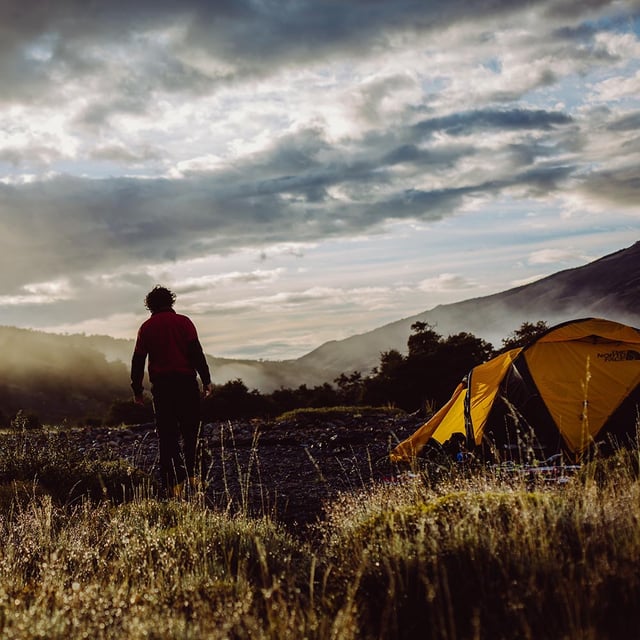
During the expedition, accommodation is provided in fully supported mountain camps. Each camp is set up in advance by the crew, meaning you arrive to a ready-made space with shelter and food prepared.
This approach allows you to conserve energy, particularly at higher altitudes. Comfortable sleeping systems and organised camp setups make it easier to recover between days and stay focused on the challenge ahead.
The trekking option focuses on reaching Point Lenana, offering a high-altitude experience without technical climbing. It’s ideal for those looking to build confidence in the mountains while still taking on a serious summit.
The climbing option includes the ascent of Batian, adding a technical alpine objective. This requires more experience and introduces ropework, route finding, and sustained climbing at altitude.
Yes, previous climbing experience is required. You should be comfortable on multi-pitch routes and confident handling rope systems in exposed environments.
Although guides support you throughout, the climb demands a level of independence and efficiency, especially given the added challenge of altitude.
Altitude becomes noticeable as you move above 4,000 metres, affecting pace and energy levels. The itinerary is designed to help your body adjust gradually.
Guides monitor how you’re adapting and will adjust plans if needed. Staying hydrated and maintaining a steady pace are key to managing altitude effectively.
A strong level of fitness is needed, with the ability to walk for several hours each day. Being comfortable on uneven terrain will help you manage the demands of the trip.
Preparation should include endurance training, hill walking, and building stamina over time. Climbers should also include regular climbing sessions.
Camps are fully managed by the expedition team, meaning everything is set up before you arrive. This includes tents, cooking areas, and sleeping arrangements.
This support helps reduce fatigue and allows you to recover properly between days, which is especially important at altitude.
Weather is monitored closely, and plans can be adjusted to suit conditions. The itinerary includes flexibility, particularly for the climbing days.
If conditions prevent certain objectives, alternatives will be offered to ensure you still get a valuable experience while staying safe.
Über das Zentrum
Mt Kenya
Betrieben von Highland Climbing Company, einem Partner von adventuro.
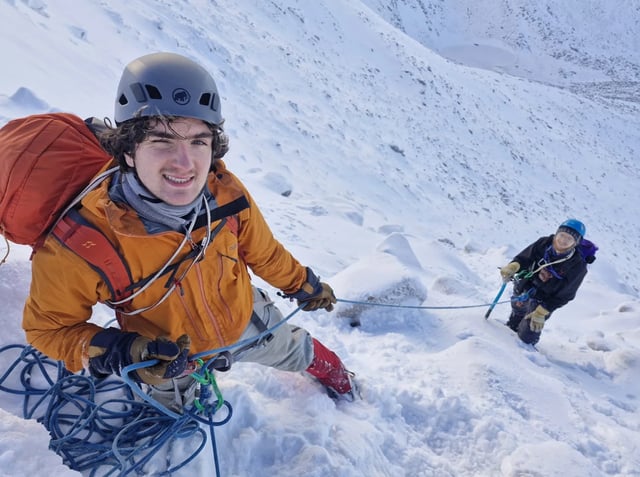
Highlands & Islands, United Kingdom
Ab £775
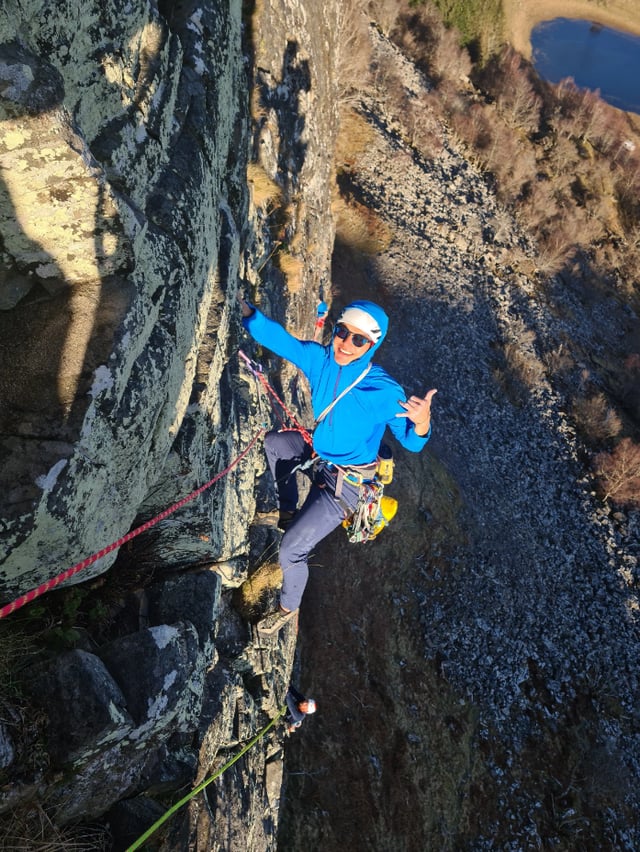
Highlands & Islands, United Kingdom
Ab £775
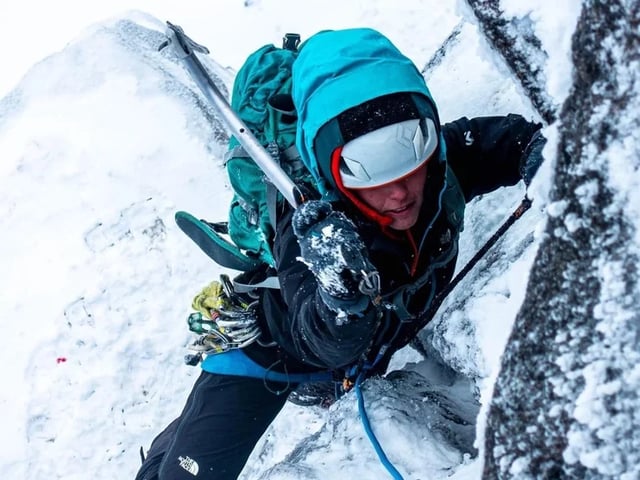
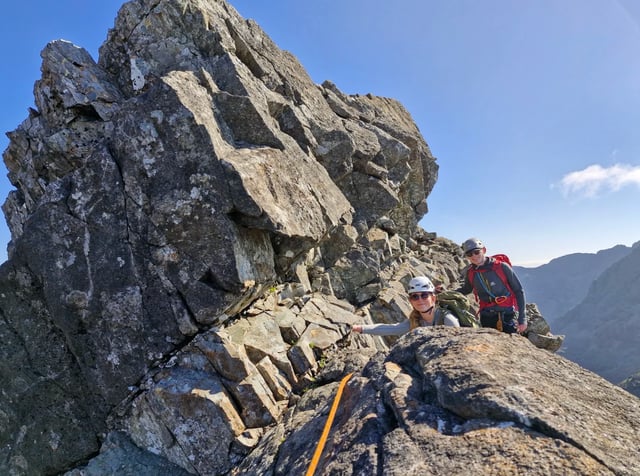
Highlands & Islands, United Kingdom
Ab £340
Highlands & Islands, United Kingdom
Ab £250
Bagmati Province, Nepal
Ab $6000
Chiang Mai and Doi Inthanon, Thailand
Ab ฿5700