
We partner with Rewilding Britain to help protect our natural spaces for future adventures.
All centres are vetted for safety and quality. Your adventure is in good hands with adventuro.
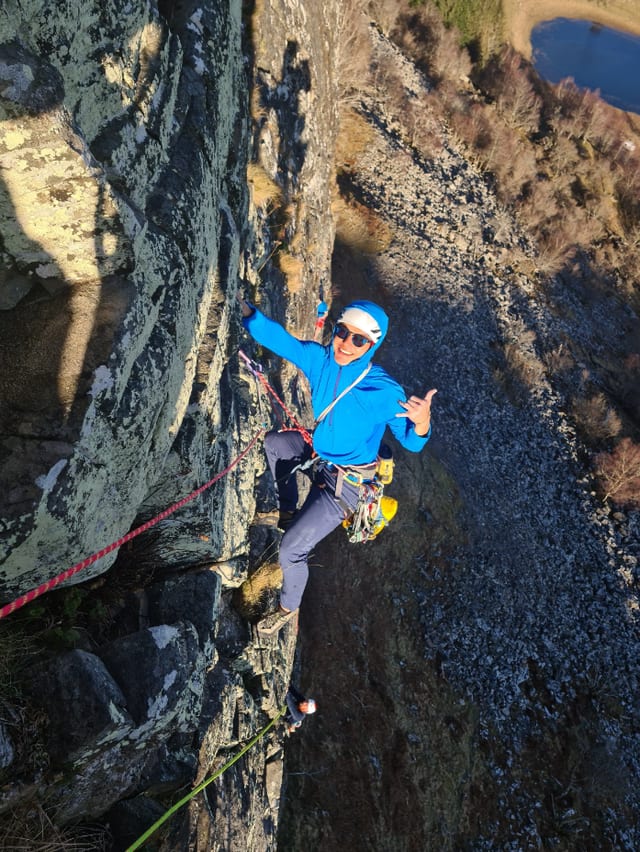
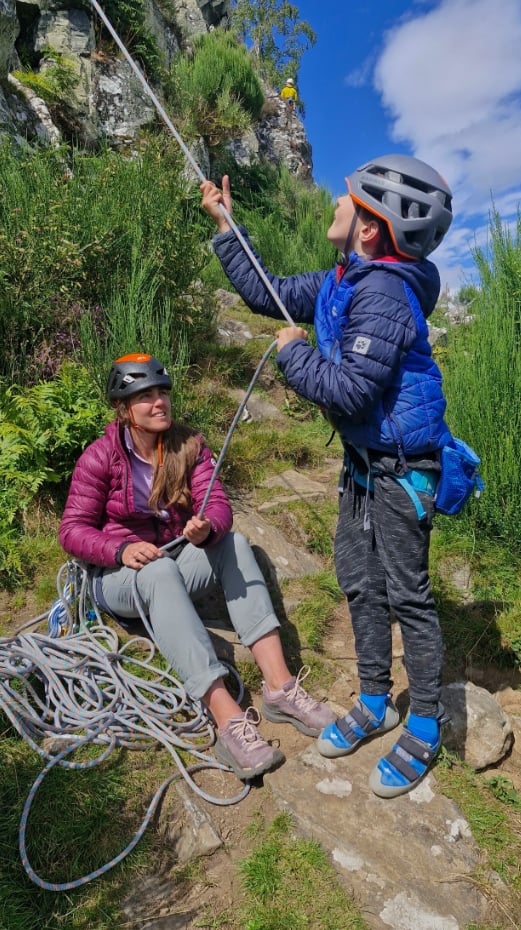
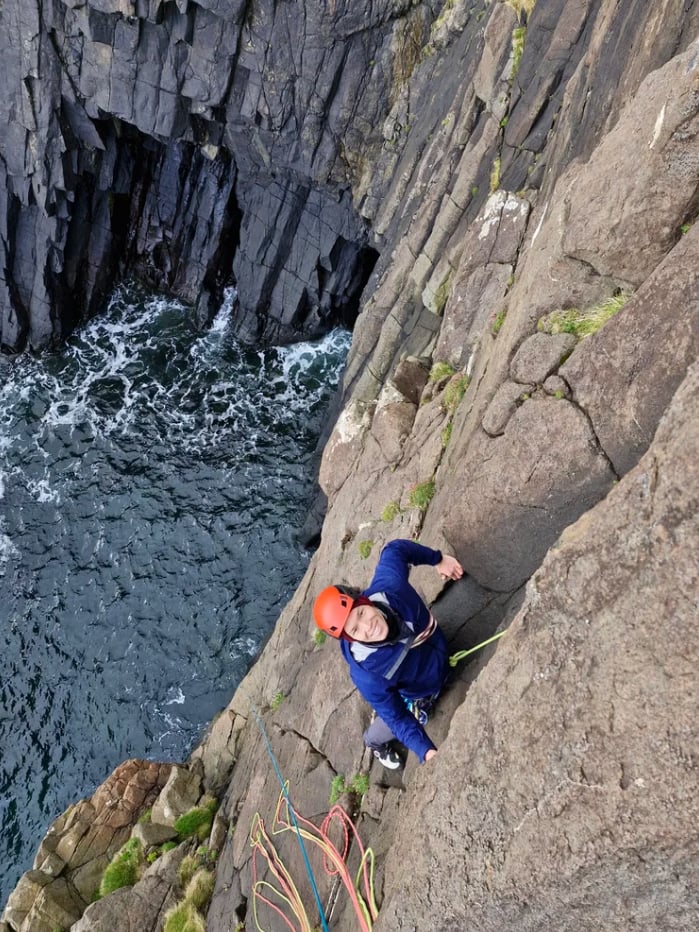
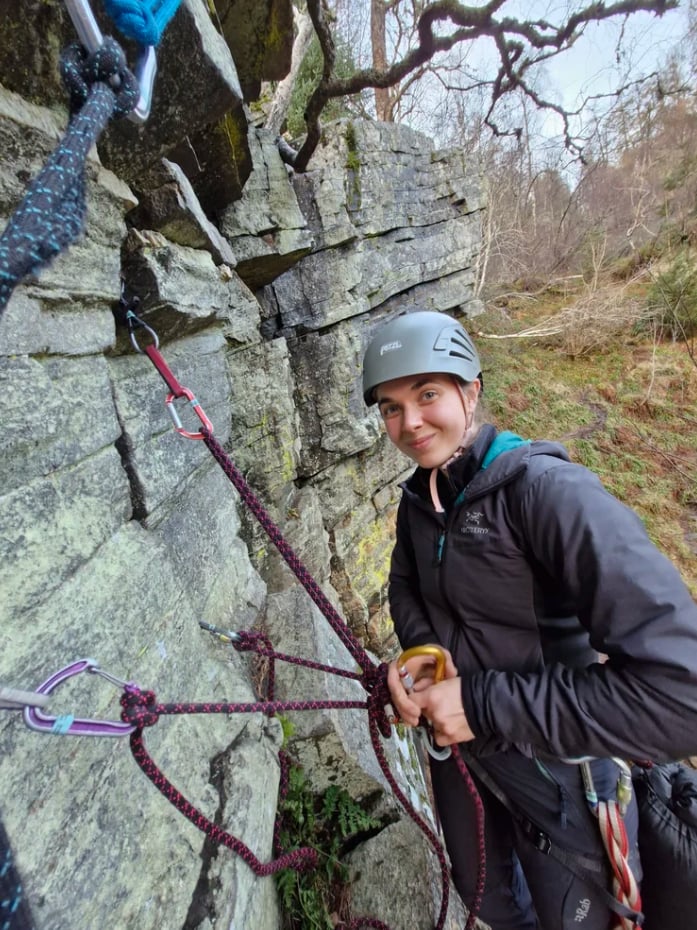
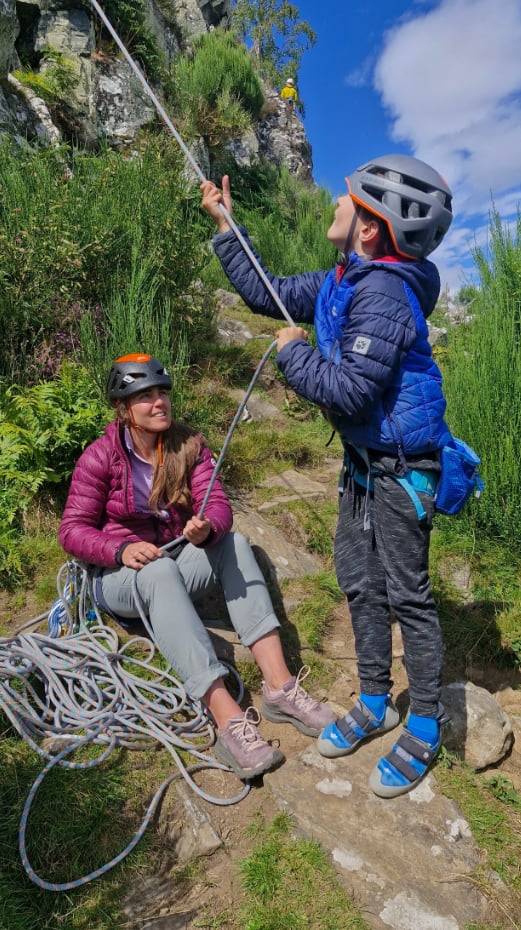
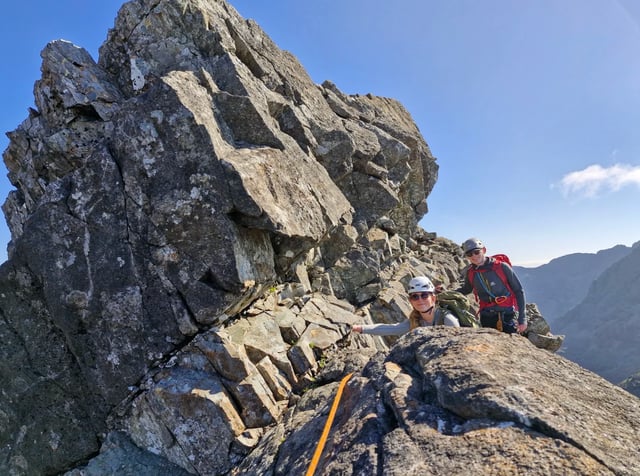
This course is designed to help you move from seconding routes to climbing independently on traditional rock. It focuses on building solid decision making, safe movement, and practical rope skills in real outdoor environments. Whether you choose a focused weekend or a longer progression week, the aim is steady improvement on genuine rock.
Each day is structured around hands on learning in real climbing environments, with a strong focus on developing independence. You’ll start by refining core movement skills on rock before progressing into placing protection, building anchors, and managing ropes on more complex terrain. Everything is introduced in a practical setting so you can apply it immediately rather than learning in isolation.
As confidence builds, you’ll move into leading climbs under close supervision. Your guide will support route choice, gear placement, and decision making at each stage, allowing you to understand not just how to climb, but when and why to make specific choices. Multi pitch routes may be introduced depending on your progress and comfort level.
Later in the course, attention shifts towards efficiency and self sufficiency. This includes managing stances, handling rope systems smoothly, and dealing with simple retreat or abseil scenarios. By the end of the course, the goal is for you to feel more capable managing your own climbs with a clearer understanding of safety and judgement on real rock.
Climbing takes place across a variety of Scottish venues chosen to match your level and learning goals. These may include inland crags, mountain edges, and coastal climbing areas depending on conditions and progression.
Locations are selected daily based on weather, access, and what will best support your development. This flexibility ensures you are always in the most suitable environment for learning, rather than being fixed to a single venue regardless of conditions.
Some prior climbing experience is required for this course, ideally from indoor climbing or outdoor seconding. You should already be comfortable tying in and moving confidently on rock or artificial walls.
A reasonable level of fitness is important, as some venues involve walking approaches and full days outdoors. The course is not suitable for complete beginners, as it focuses on progression into leading and independent decision making.
All instruction is delivered by fully qualified and experienced mountaineering and climbing instructors with strong backgrounds in traditional climbing environments. Safety and clear instruction are central to every session, ensuring you build skills in a controlled and supportive way.
Each course is fully private, allowing the pace and content to be adjusted around your experience and goals. Whether you are stepping into leading for the first time or refining existing skills, the approach is structured to build confidence and independence on real rock.
Yes, some experience is required before joining this course. Indoor climbing or outdoor seconding experience is usually enough to get started.
You should be comfortable tying in, belaying, and moving confidently on rock or artificial walls before attending.
Leading is introduced gradually depending on your confidence and ability. You may start by seconding before moving into supervised leading.
Your guide will decide when you are ready based on safety and consistency rather than a fixed schedule.
Indoor experience is a good starting point, especially if you are comfortable with belaying and movement. However, outdoor climbing introduces additional skills.
The course is designed to bridge that gap safely, with clear instruction on gear and decision making.
Most learning happens directly on the rock rather than in classroom style sessions. Short explanations are given before applying skills in real situations.
This helps reinforce understanding through practical repetition rather than theory alone.
You’ll experience a mix of single pitch and multi pitch traditional climbing depending on your progress. Venues are chosen to match your development.
Some days may focus on gear placement, while others progress into full route leading.
Yes, basic improvised rescue techniques are included where appropriate. This is introduced in a simple and practical way.
The focus is on awareness and safe decision making rather than complex rescue systems.
You should expect full days outdoors with walking approaches and continuous activity. Fitness helps you get more out of each session.
The technical difficulty is adapted to your level, but the overall days can still be tiring.
You should leave with a stronger understanding of trad climbing systems and decision making. This includes gear placement, rope management, and safe movement on rock.
Many participants feel more confident climbing independently or progressing into more advanced routes afterwards.
À propos du centre
Inverness
Géré par Highland Climbing Company, partenaire de adventuro.

North Wales, United Kingdom
À partir de £650
Highlands & Islands, United Kingdom
À partir de £675
Highlands & Islands, United Kingdom
À partir de £1245
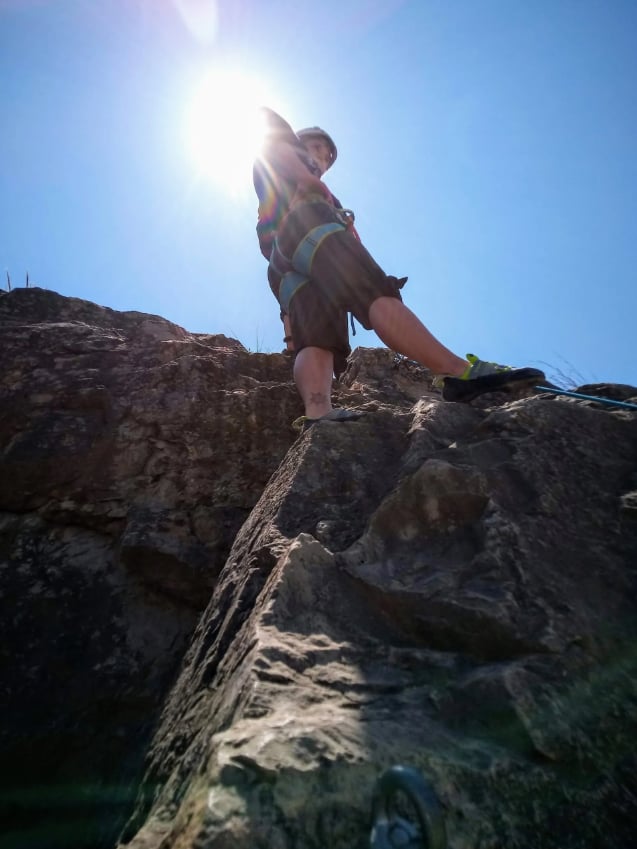
Mallorca, Spain
À partir de €285


Highlands & Islands, United Kingdom
À partir de £379
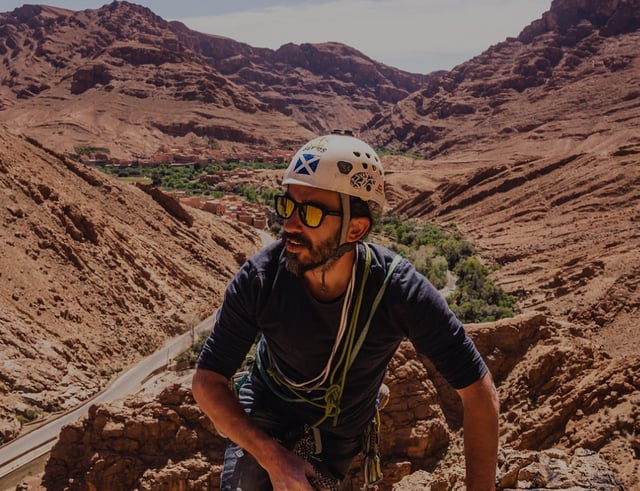
Saharan & Southern Provinces, Morocco
À partir de £904.34
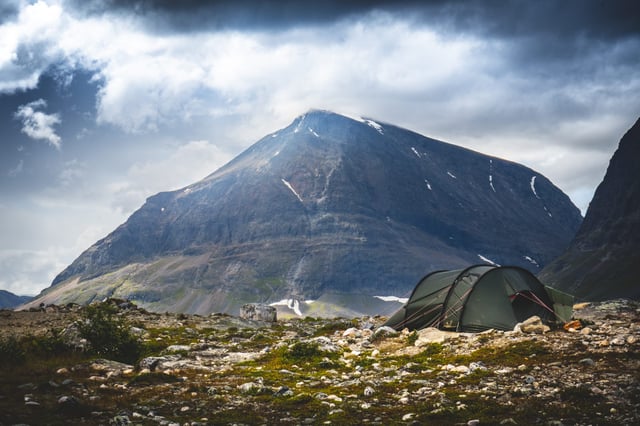
Upper Norrland (Övre Norrland), Sweden
À partir de £760
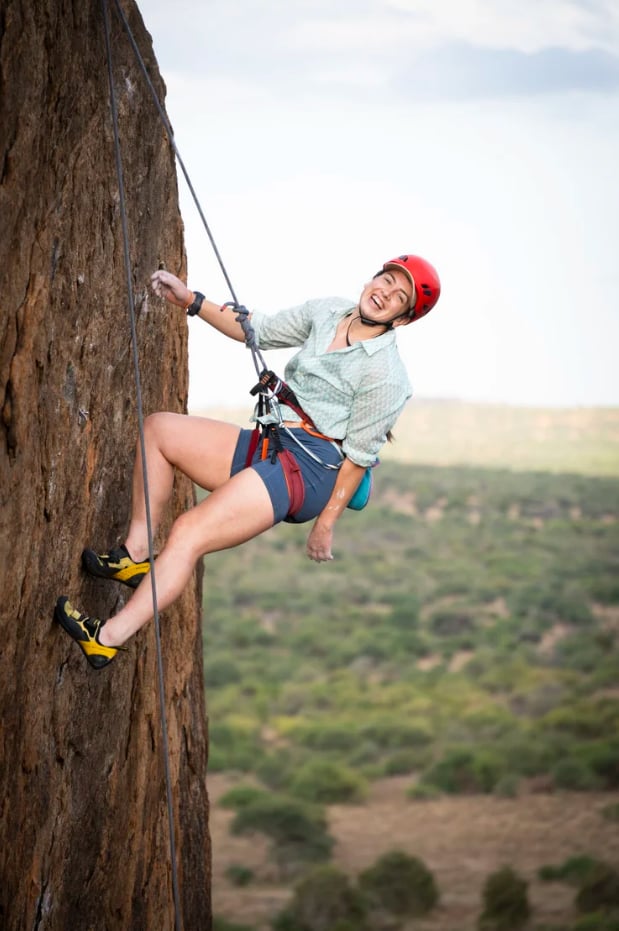
Mount Kenya Region, Kenya
À partir de £7635
Telemark, Norway
À partir de £1080
Highlands & Islands, United Kingdom
À partir de £775
Highlands & Islands, United Kingdom
À partir de £340
Highlands & Islands, United Kingdom
À partir de £250