We partner with Rewilding Britain to help protect our natural spaces for future adventures.
All centres are vetted for safety and quality. Your adventure is in good hands with adventuro.
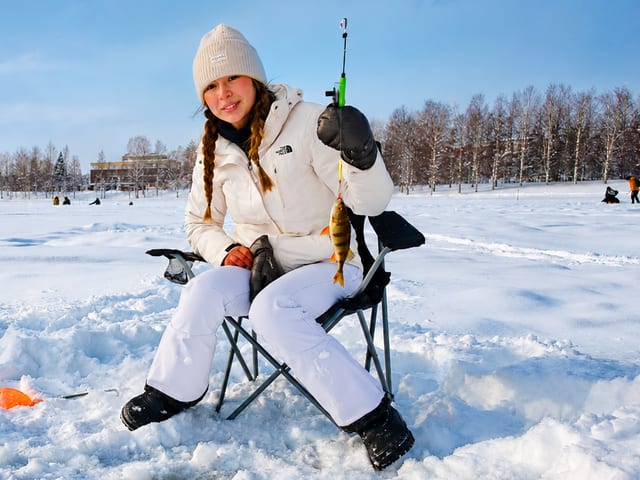
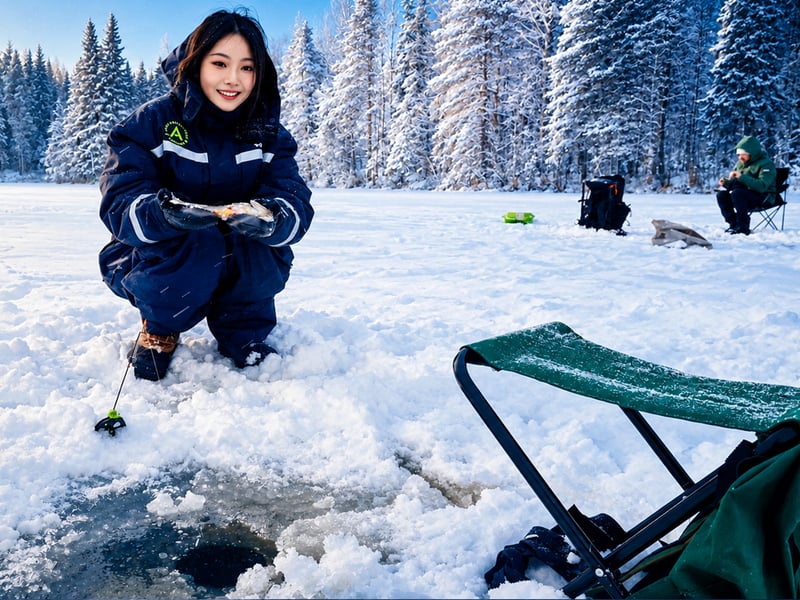
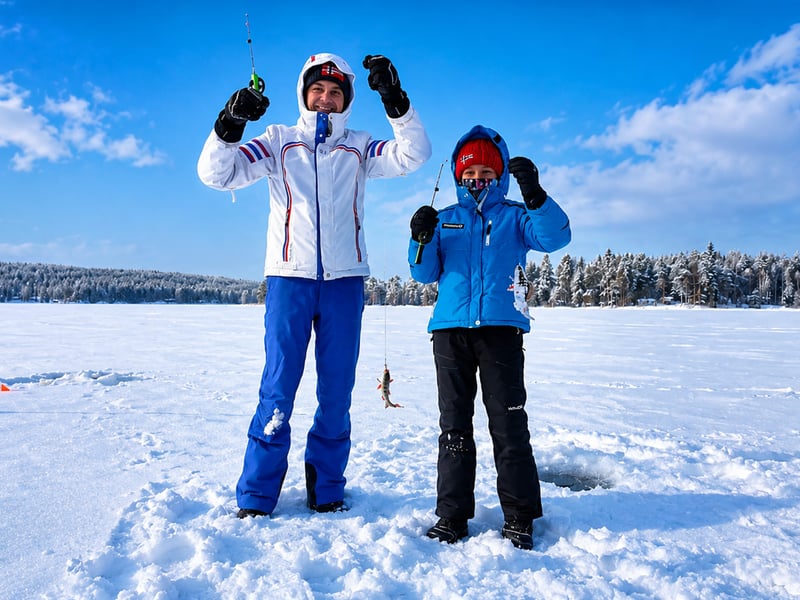
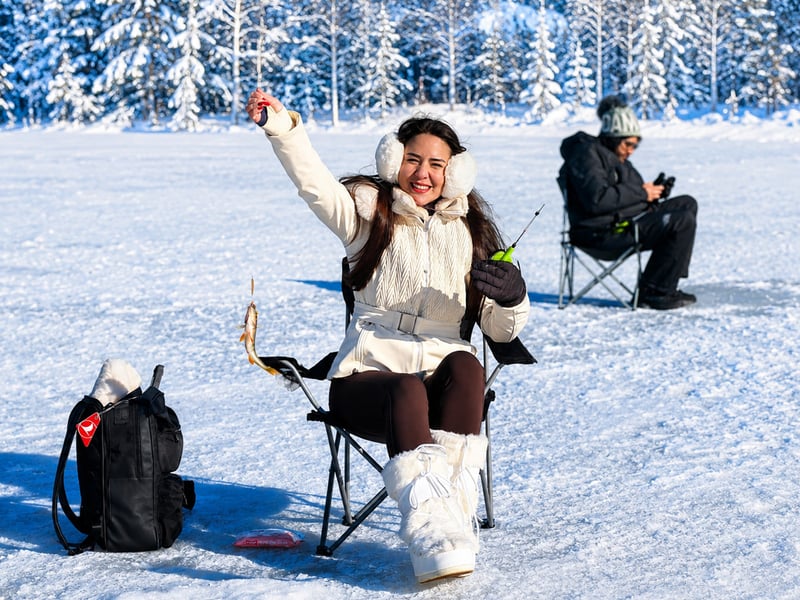
Step onto frozen water near Rovaniemi and try ice fishing the way local fishermen still do it. You drill your own hole, learn simple Finnish techniques, and spend real time in the quiet of a winter lake or river rather than watching from the bank.
Each morning the guide reads the ice, the weather, and where fish are most likely to move, then picks a lake or river for that day. After a safety talk you learn to drill, set a line, and stand steadily on a frozen surface. You work your own hole rather than watching from the side, and the guide stays close enough to open a second hole if the first is quiet.
The shorter outing gives you time on the ice with a snack and a warm drink. The longer session adds more fishing time, a BBQ lunch at a laavu shelter, and professionally edited photos afterwards. A catch is never promised; the day is about the method, the silence, and how people here have fished through winter for generations.
Frozen lakes and rivers around Rovaniemi are the workplace, not a single hole used every day. Early and late winter can mean a slightly longer drive to safer ice; mid winter often stays closer to town.
The landscape is open, quiet, and very cold, and that silence is part of the day. Your guide chooses the spot for safety and for a genuine chance of a bite, then brings you back to the same address they collected you from.
First time anglers are welcome. You should be happy standing still on ice in winter clothing and moving carefully when asked. Catching a fish is never promised; the day is about the method and the place as much as the catch.
Wear proper winter boots, a hat, gloves, and layers. A clothing set can be added if you do not have your own. Tell the team about dietary needs if you are on the longer session with the fire lunch.
Groups stay at eight or fewer so there is time to drill your own hole and ask questions. That cap is how the fishing stays personal instead of becoming a coach stop on the ice.
The fishing place is chosen each morning by people who know these waters, not copied from yesterday's map. You leave with a real sense of a local winter skill, whether or not a fish comes up.
Your guide collects you from your accommodation or meets you at the town pickup. There is a short safety talk so you know how to move on ice and what the day looks like. Winter clothing can be added if you have asked for a hire set. Then you leave the streets and head for whichever lake or river looks right that morning.
No two days use the same hole. The drive is based on thickness, weather, and where fish have been moving. Early and late winter can take you farther out; mid-winter often stays nearer town. The aim is a safe surface and a fair chance under it, not a postcard location that never changes.
On the ice you learn how to drill, how to use simple Finnish gear, and which fish live in these waters. The guide also shows you how to walk and stand so you stay balanced on a frozen lake. Stories about winter fishing sit alongside the practical steps. You will drill your own hole rather than watching someone else do it.
Once the gear is set, you fish. With eight guests or fewer, the guide can stay close and open extra holes if the first is quiet. A catch is never promised, but local knowledge is what you came for. The quiet of the lake is as much a part of the day as the line in your hand.
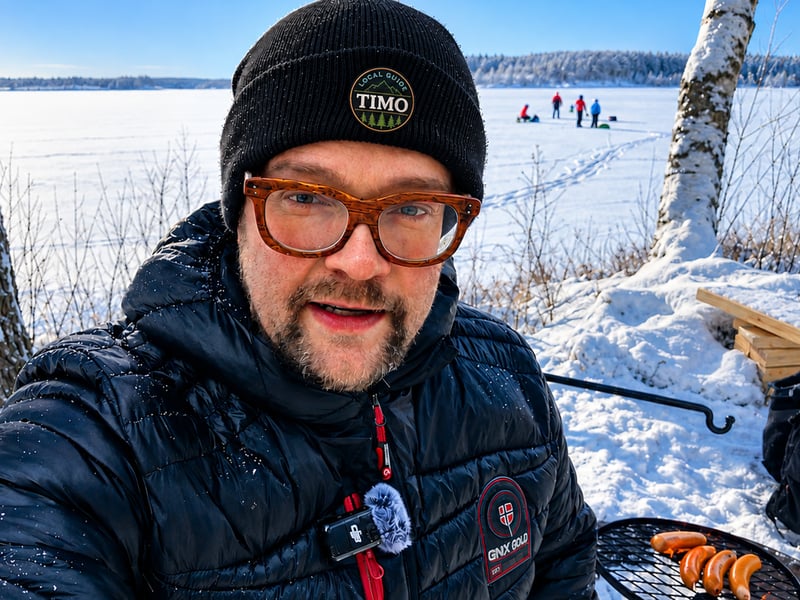
On the longer session you gather at a laavu for a BBQ lunch and hot drinks. The shorter outing keeps this lighter: a snack and something warm on the ice. Tell the team about vegetarian, vegan, or gluten-free needs so the fire meal can be planned. This is the pause that warms your hands before the last casts or the drive home.
When the session ends you pack the gear and drive back to the same address you started from. On the longer outing, edited photos are sent afterwards so you do not have to spend the day behind a camera. Whether you landed a fish or not, you leave knowing how this winter skill actually works.
Most guests are collected from accommodation in the Rovaniemi area. One regular meeting point is Scandic Pohjanhovi on Pohjanpuistikko if you prefer to join in town. The team will confirm which option applies to your date.
Wear your outdoor layers to the pickup. If you are staying outside the usual area, write to the team before you travel so they can say whether a collection still works.
No. The guide shows you how to drill, how to hold the line, and how to stand safely on the ice. First-timers are the usual guests, and the pace stays with people who have never fished in winter before.
Ice fishing is slow and quiet by nature. Patience helps more than technique on a first visit, and there is time to ask questions at the hole rather than rushing through a demonstration.
A catch is never guaranteed. Fish move with weather, light, and the season, so the same lake can feel busy one morning and quiet the next.
Your guide picks the spot for the best chance that day and will open more than one hole if the first is quiet. Even without a fish, you have learned a real local skill on a frozen lake and spent time in the silence of a winter waterway.
The shorter highlights outing is about trying the method: roughly an hour and a half on the ice, a snack, and a warm drink. It is the quicker way to drill your own hole and feel how the gear works.
The longer session gives more time on the ice, a BBQ lunch at a wilderness shelter, hotel transfers, and edited photos afterwards. Choose the length that matches how long you want to be outside in the cold.
The exact lake or river is chosen on the morning of your date. Ice thickness and where fish are active decide the drive, so you are not taken to a single hole that never changes.
Early and late winter can mean travelling a little farther from town to reach safer ice. Mid winter often stays closer to Rovaniemi, when the surface near the city is thick enough for the group.
There are no more than eight guests, so the guide can stay with you at the hole and help you drill, set a line, and move if the first spot is quiet.
That cap is what keeps the day personal. You are not sharing the ice with a large coach group, and there is space to ask questions without waiting in a queue for the next hole.
Dress for standing still in Arctic air: thermal layers, a warm mid-layer, hat, gloves, and boots with grip. You will spend most of the session on the ice rather than walking to stay warm.
If you do not have a winter suit, ask the team about adding a clothing set before you travel. They can have one ready so you are not relying on city clothes for a morning on a frozen lake.
The longer session includes a BBQ lunch at a laavu with hot drinks. Vegetarian, vegan, and gluten-free plates can be planned if you tell the team in advance so the fire meal matches what you eat.
The shorter outing includes a light snack and a warm drink rather than a full meal. That is enough to take the edge off the cold while you are still fishing.
Children who are happy to stay warm and still on the ice can join. The day is cold and patient rather than active, so extra layers for smaller guests make a real difference.
Ask the team about your child's age before you travel so they can say whether that date feels realistic. Younger children may prefer the shorter outing if standing still in the wind is new to them.
English and Finnish run through the season. From October to the end of March, Spanish, French, Italian, Russian, Turkish, or Greek may be possible when a guide is free.
A named language is not guaranteed. If you choose a language other than English or Finnish, your guide may be a multilingual host rather than the local fisherman, while the fishing itself stays the same.
The guide will not take the group onto doubtful ice. The meeting point and the lake can change on the morning to keep everyone on a surface that is thick enough for the session.
If a date cannot run, the team will be in touch. That decision is about ice, not about whether the fish are biting, and they will talk through a new plan rather than leaving you guessing.
About the centre
Rovaniemi
We are a local team based in Rovaniemi, sharing Finnish Lapland with small groups. Most days run with no more than eight guests, so the pace stays relaxed and there is room to stop for the things that make a trip feel personal. The team includes lifelong locals and international guides who have made Lapland their home, and from October through March we do our best to match you with a guide who speaks your language when availability allows.
Every outing is designed by people who know these forests, frozen rivers, and night skies well. You will find Northern Lights hunts, national park walks, ice fishing, husky farm visits, and snowmobile days that stay off the busiest tourist loops. We work with trusted local partners and keep the focus on genuine hospitality, so you leave with a clearer sense of the real Lapland, not just a checklist of sights.
Operated by Evigo Oy, a partner of adventuro.