We partner with Rewilding Britain to help protect our natural spaces for future adventures.
All centres are vetted for safety and quality. Your adventure is in good hands with adventuro.
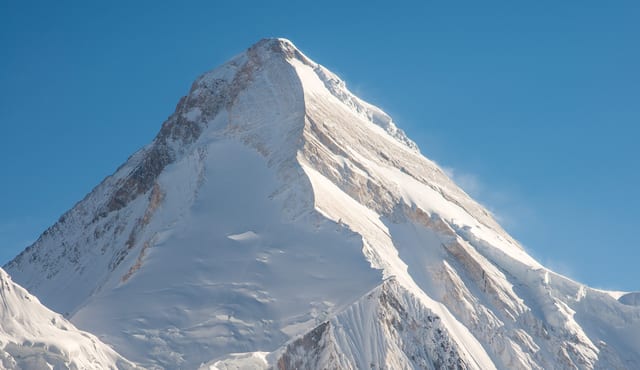
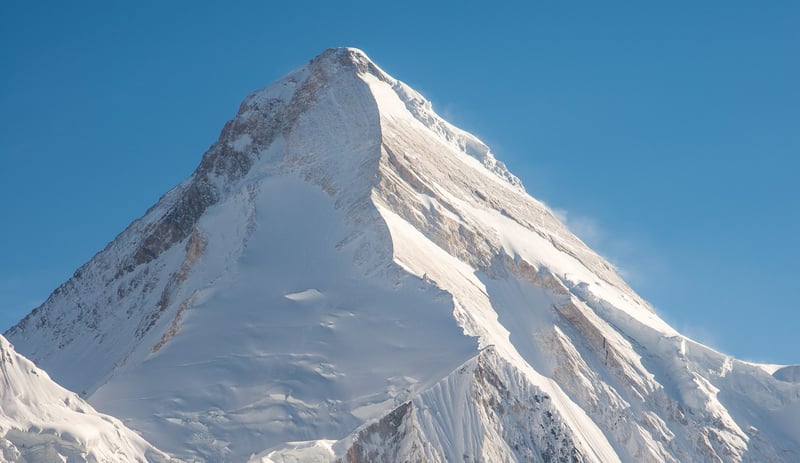
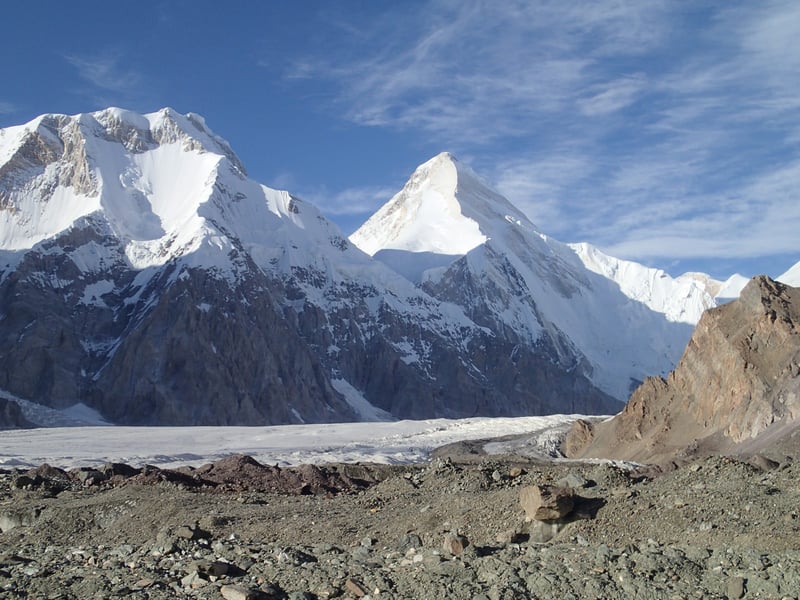
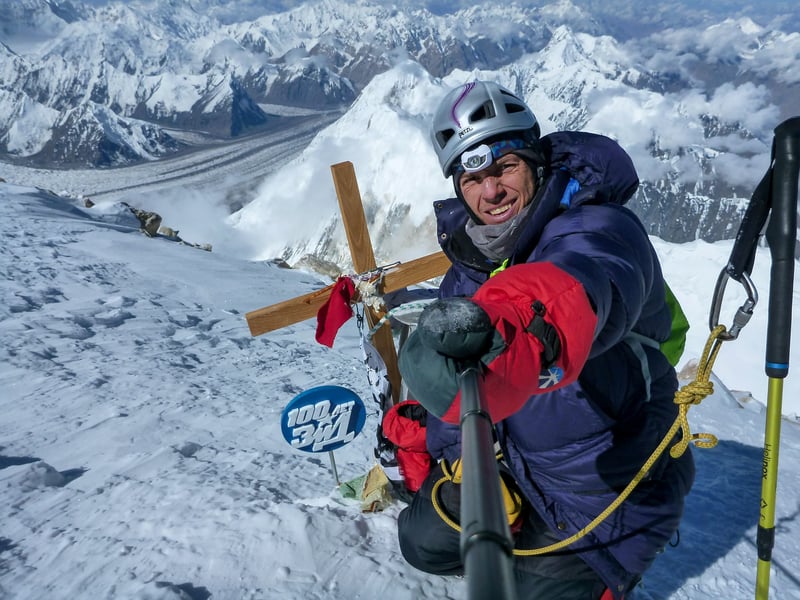
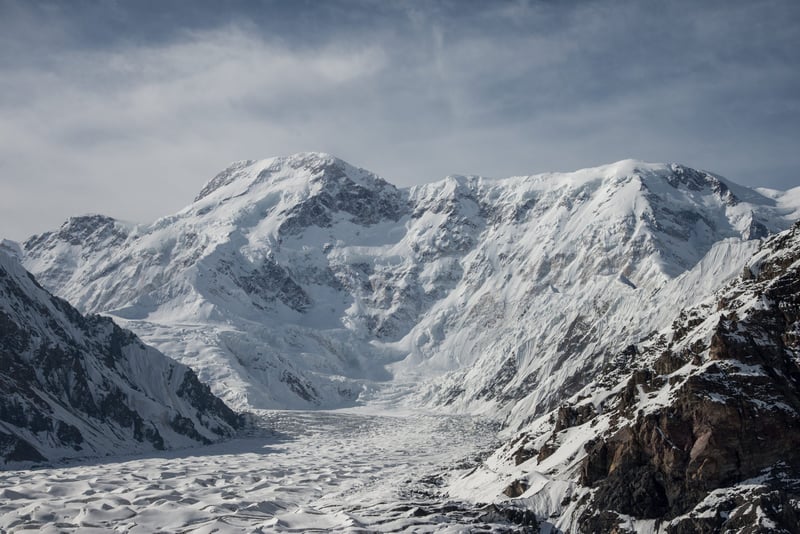
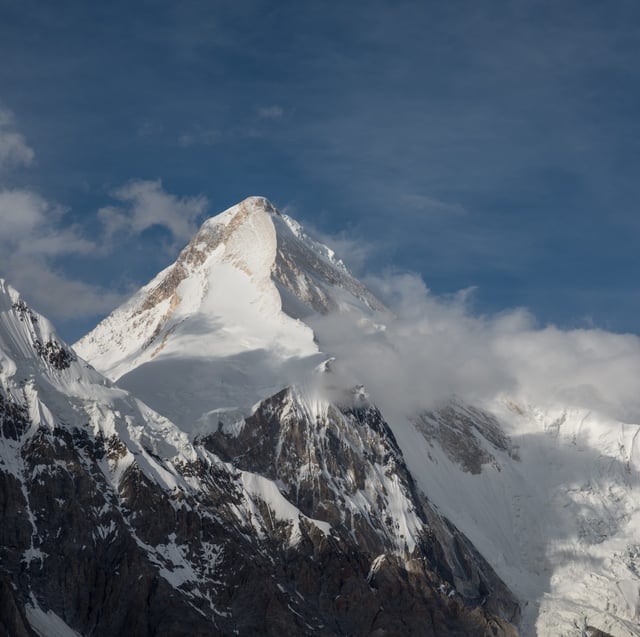
Known for its near-perfect marble pyramid, Khan Tengri stands amongst the most recognisable mountains on the planet. Rising above the meeting point of Kyrgyzstan, Kazakhstan and China, it has become one of the most coveted high-altitude mountaineering objectives in Central Asia and a major milestone for climbers pursuing the Snow Leopard award.
This 21-day expedition follows the classic southern approach from the South Inylchek Glacier. Careful acclimatisation, multiple camp rotations and experienced logistical support combine to create a structured journey towards the 7,010-metre summit. Along the way, you'll experience glaciers, high camps, technical sections and some of the finest mountain scenery in the Tian Shan range.
Operating on mountains above 7,000 metres requires more than strong guiding alone. Detailed acclimatisation planning, route management and logistical coordination all play an important role in giving climbers the best possible opportunity for success.
Throughout the expedition, experienced mountain professionals manage camp operations, weather assessments, safety systems and route preparation. This allows you to focus on the climb while benefiting from support built around years of high-altitude expedition experience.
Your expedition begins in Bishkek, where you'll meet the team, complete equipment checks and receive a detailed briefing on the climb ahead. After spending time in the city, the journey continues towards Kar-Kyra through the beautiful landscapes surrounding Issyk-Kul Lake.
A helicopter flight then transports the group directly onto the South Inylchek Glacier at approximately 4,000 metres. Surrounded by towering peaks, the Base Camp provides immediate access to the heart of the Tian Shan mountain range.
The first days in the mountains focus on glacier skills, acclimatisation and preparing for higher elevations. Training sessions on snow and ice help refresh technical skills before the first rotation begins.
Progressing through Camp 1 at 4,100 metres, Camp 2 at 5,300 metres and Camp 3 at 5,800 metres, you'll gradually adapt to the altitude before returning to Base Camp for rest and recovery. These days provide valuable preparation for the summit push later in the expedition.
Several days are reserved for rest, acclimatisation and monitoring mountain conditions. This period allows the body to recover while retaining the benefits gained during the initial rotation.
Time is also spent reviewing equipment, refining summit plans and preparing mentally for the more demanding stages ahead.
The second rotation follows the established route through the lower camps before continuing towards Camp 4 above 6,000 metres. From here, the summit route becomes increasingly serious, involving fixed ropes, steep terrain and prolonged exposure to high altitude.
Summit day includes navigating rocky sections, a narrow couloir, snow slopes and the final summit dome before reaching Khan Tengri at 7,010 metres. After enjoying views across the Tian Shan, the descent begins back towards the lower camps and eventually Base Camp.
Reserve days have been included to provide flexibility in the event of poor weather or changing mountain conditions.
Once the expedition is complete, a helicopter returns the team to Kar-Kyra before the transfer back to Bishkek. A final day in the city provides an opportunity to relax, enjoy local cuisine and reflect on the achievement before departure.
During the expedition, accommodation includes hotel stays in Bishkek, facilities at Kar-Kyra Camp and expedition camps positioned throughout the mountain phase of the climb.
South Inylchek Base Camp offers tent accommodation, communal dining facilities and support services that provide a comfortable environment for acclimatisation and recovery. Higher on the route, accommodation consists of high-altitude expedition tents located at strategic camps.
Both routes ultimately reach the same summit but approach the mountain from different glaciers and camp systems. The south route accesses the mountain via the South Inylchek Glacier and is often considered the classic approach used by many international expeditions.
Route conditions vary from season to season, but both options require strong fitness, previous mountaineering experience and the ability to operate effectively at extreme altitude.
Although regarded as one of the more accessible 7,000-metre peaks, Khan Tengri remains a serious high-altitude mountaineering challenge. Climbers must contend with altitude, glacier travel, fixed ropes, steep snow slopes and changing mountain conditions.
Success depends on fitness, acclimatisation, previous experience and favourable weather during the summit window.
The expedition is generally suitable for climbers aged 18 and over due to the physical demands, altitude and technical nature of the route.
If younger climbers wish to join, please send a request before booking. Previous mountaineering experience and suitability can then be reviewed individually.
The Bottle is one of the most recognised sections on the south route. This steep area requires careful timing and efficient movement, particularly when snow and ice conditions become more challenging.
Crossing it safely is an important part of the ascent and one of the route's most memorable features.
The name Khan Tengri translates roughly to Lord of the Sky and originates from ancient Turkic traditions. Its isolated position and distinctive marble summit have inspired stories and legends for centuries.
The mountain's dramatic appearance helps explain why it has become one of the most admired peaks in the world.
Accommodation combines hotels in Bishkek, facilities at Kar-Kyra Camp and expedition camps on the South Inylchek Glacier and mountain route.
Base Camp offers tent accommodation, dining facilities and support services, while higher camps consist of expedition tents positioned to support acclimatisation and summit attempts.
You'll need excellent cardiovascular fitness, proven high-altitude experience and the ability to perform over long days in cold, exposed terrain with a loaded pack.
Training should include weighted hiking, stair climbing and endurance work in the months leading up to departure to prepare for the physical demands of the route.
The price covers professional guiding, accommodation in Bishkek and mountain camps, meals at Base Camp, helicopter transfers, camp infrastructure, permits and internal logistics.
International flights, visa fees, personal insurance, equipment rental and transport to the meeting point are not included.
The main climbing season runs from July through August, when glacier conditions and weather on the south route are most favourable for summit attempts.
Reserve days are included in the itinerary to provide flexibility should conditions require adjustments to the summit schedule.
This expedition suits experienced mountaineers with prior climbs above 5,000 or 6,000 metres who are comfortable with glacier travel, fixed ropes and multi-day high-altitude camping.
Previous expedition experience and familiarity with cold-weather mountaineering equipment are strongly recommended before attempting this route.
About the centre
Bishkek
You'll join experienced mountain guides for high-altitude expeditions, technical climbing and ski touring across the Caucasus, Central Asia, the Alps and the Andes. Programmes are built around careful acclimatisation, glacier skills and small group ratios so you can progress safely toward major summits and remote ski objectives.
Whether you're aiming for a first 7,000-metre peak, a classic Alpine ascent or a backcountry ski week, you'll get structured preparation, camp logistics and hands-on coaching from guides who know these ranges intimately. Every trip is planned with weather flexibility, clear kit guidance and support from arrival through to summit day and descent.
Operated by Rock n Snow, a partner of adventuro.
Gorno-Badakhshan, Tajikistan
From €6300
Ysyk-Köl Region (Issyk-Kul), Kyrgyzstan
From €4950