We partner with Rewilding Britain to help protect our natural spaces for future adventures.
All centres are vetted for safety and quality. Your adventure is in good hands with adventuro.
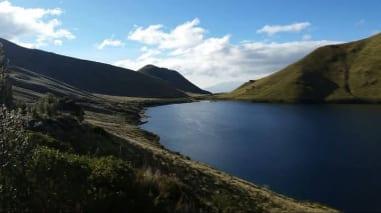
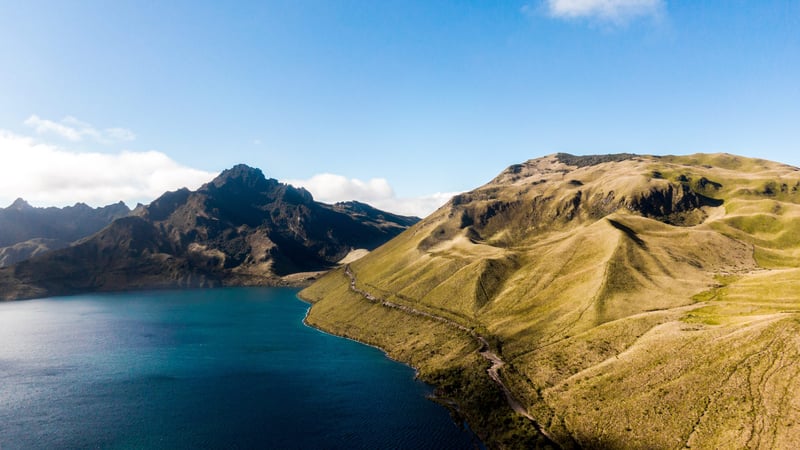
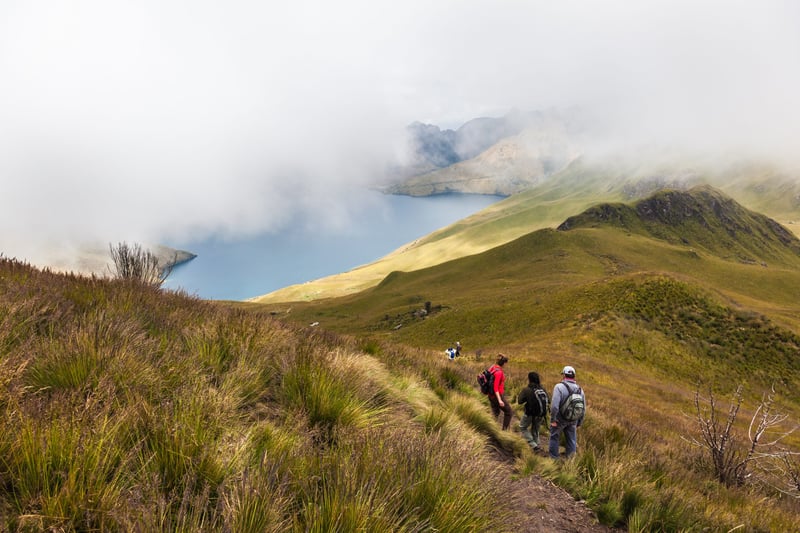
This mid-mountain ascent takes you deep into the highlands of Ecuador, offering a rewarding mix of challenging terrain and wellness-focused practices. Tackle the slopes of Fuya Fuya Volcano while blending movement, altitude, and mindfulness in one unforgettable day out.
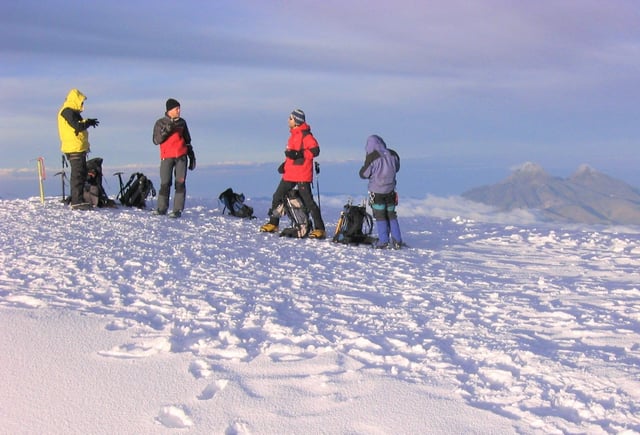
The day begins with a drive into the Mojanda Reserve, where you’ll be met with striking views of lakes and rugged Andean páramos. The main objective is the summit of Fuya Fuya Volcano at 4,263 metres, offering a physically challenging but accessible ascent for participants in good shape. As you move along volcanic trails and through high-altitude grasslands, the guide will incorporate tailored breathing techniques and movement-based warmups to help the body adjust to the altitude. You’ll also receive guidance on pacing, hydration, and posture to support your climb.
Throughout the hike, the focus isn’t just on reaching the summit. Stretching sessions, wellness pauses, and sensory activities are built into the route to reconnect with the surrounding environment and manage physical strain. Nutritious snacks and natural drinks will be shared at rest points to keep energy levels up. The descent includes a closing wellness session designed to restore balance and support recovery. Expect around 5–6 hours of activity including time for rest, practice, and mindful movement, all guided with support and safety in mind.
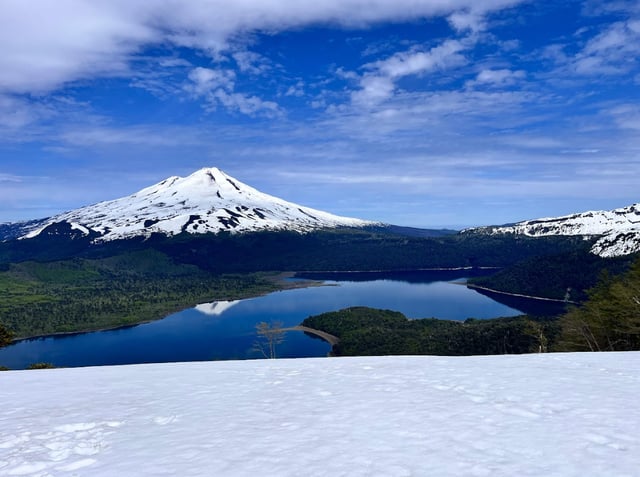
The Mojanda Reserve lies north of Quito in the Imbabura province, known for its open páramo ecosystems, glacial lakes, and ancient volcanic peaks. Mojanda Lake and its surroundings offer expansive views and a peaceful backdrop for high-altitude activities. The reserve sits at an altitude starting around 3,700 metres, making it ideal for acclimatisation walks and mid-mountain training.
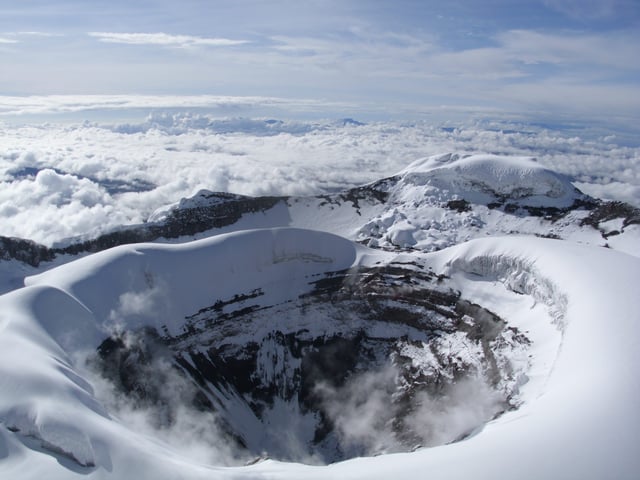
Fuya Fuya Volcano is a twin-peaked dormant volcano rising steeply above Mojanda Lake. The terrain is varied—switching between open grassy slopes, volcanic scree, and rocky outcrops—with views over Otavalo and the surrounding valleys. The remoteness of the area ensures minimal crowds and a strong sense of immersion in the natural environment, all within a day’s reach from Quito.
Participants should be in good physical condition and have some previous experience with hiking or trekking, particularly at higher altitudes. No specialist mountaineering equipment is needed, but the weather and elevation can make the conditions challenging, so appropriate technical clothing, footwear, and personal supplies are essential.
Anyone prone to altitude sickness should consult a medical professional in advance. This trip is not recommended for those with limited mobility or underlying health conditions affecting endurance.
Responsible Travel Operadora de Tours is a well-established German-Ecuadorian company with over a decade of experience delivering adventure and cultural trips throughout South America. With multilingual operators and in-depth knowledge of the terrain, the team ensures each outing is both safe and personalised. Their attention to blending activity and wellbeing is backed by years of refining routes, wellness methods, and local connections.
From the heart of Quito, the company coordinates seamless logistics across Ecuador, Colombia, Perú, and Bolivia. Whether you're climbing a volcano, walking through the Amazon, or combining exercise with reflection, their focus is always on providing meaningful experiences that suit your pace and preferences.
This ascent is suited for individuals who are in good physical condition and accustomed to regular exercise or hiking. The route includes some steep sections and covers uneven terrain at high altitude, so participants should be comfortable walking for several hours with short breaks.
Although technical climbing skills aren’t necessary, some prior experience with high-altitude trekking or long mountain walks will be helpful. The added wellness components are low-impact and designed to support your performance and recovery, not push your limits further.
Wellness elements are woven throughout the experience, rather than being a separate activity. These include guided breathing exercises, warm-up stretches at the beginning of the hike, and body-awareness practices to reduce muscle tension and promote good posture.
At various stages, you’ll pause for brief mindfulness-based exercises that help with acclimatisation, oxygen flow, and general relaxation. A closing sensory session near the end of the descent brings the experience together, helping you reflect and reset both physically and mentally.
Yes, children from the age of 8 are welcome, provided they are used to walking long distances and enjoy outdoor activities. The guide will adapt the pace to suit the group’s needs, and the wellness elements can be fun and engaging for younger participants.
Families should consider the effects of high altitude on children, particularly if they are not yet acclimatised. It’s recommended to spend at least a day or two at a similar elevation beforehand, and parents should ensure children are equipped with proper clothing and footwear.
Yes, you will need to bring your own clothing and basic gear. This includes layered technical clothing, insulated gloves and hats, semi-rigid mountain boots, and a backpack suitable for carrying snacks, water, and extra layers.
The terrain and altitude demand careful preparation, so it’s important to carry sunglasses (category 4), sunscreen, a personal first aid kit, and a thermal water bottle or hydration pack. If you’re unsure about any kit requirements, you’ll receive a list ahead of time with recommended gear.
Fuya Fuya reaches 4,263 metres above sea level, which is high enough for some people to feel the effects of thinner air. Symptoms can include shortness of breath, light-headedness, and fatigue if you’re not acclimatised.
However, the hike is designed to support your body’s adaptation through a gradual ascent and integrated wellness activities. The route includes rest points, and your guide will help monitor your wellbeing. Staying hydrated, moving at a steady pace, and using breathing techniques will make the experience manageable and enjoyable.
The ascent is non-technical, meaning it doesn’t involve ropes or climbing gear. However, some parts are steep, slippery, or exposed to wind, especially near the summit. A good level of balance and mobility is essential.
While there is no extreme danger, care should be taken with footing and weather changes. Your guide is trained in mountain safety and will adapt the route or pace if conditions shift. Helmets are recommended for certain sections where loose rock is present.
Yes, a nutritious lunch box is included and will be provided during the hike, along with natural drinks and snacks to support energy levels. These refreshments are selected to suit physical activity and help with altitude adjustment.
You are welcome to bring additional snacks if you prefer. It’s also recommended to carry at least 1.5 litres of water in an insulated bottle or hydration pack, as the cold can affect regular water bottles. Alcohol and caffeine should be avoided on the day for better altitude performance.
About the centre
Quito, Ecuador
Operated by Responsible Travel, a partner of adventuro.



From £190
Central & Atlas Mountains, Morocco
From €220
Brașov and Southern Carpathians, Romania
From €162

Quito & Avenue of Volcanoes, Ecuador
From $4035