Sarah Booth
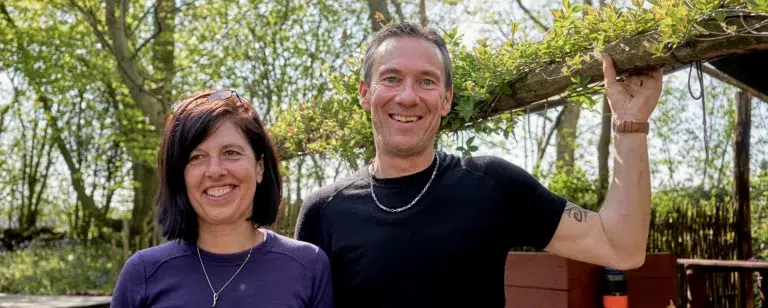
Lovely day, Gary and Nicola were very knowledgeable and friendly. The structure of the day created a warm & collaborative atmosphere. The food was also super tasty!
ActivityForaging Course in Kent

We partner with Rewilding Britain to help protect our natural spaces for future adventures.
All centres are vetted for safety and quality. Your adventure is in good hands with adventuro.
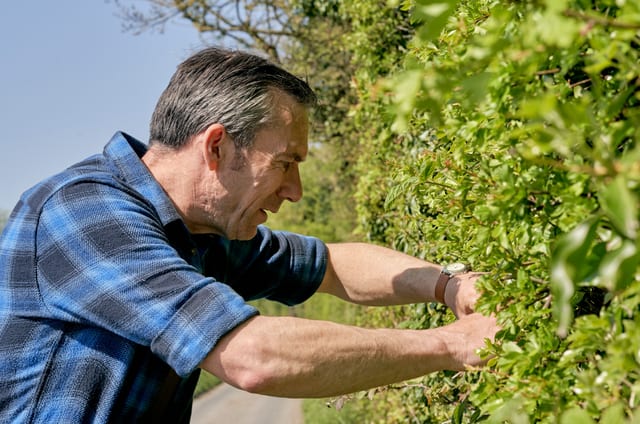
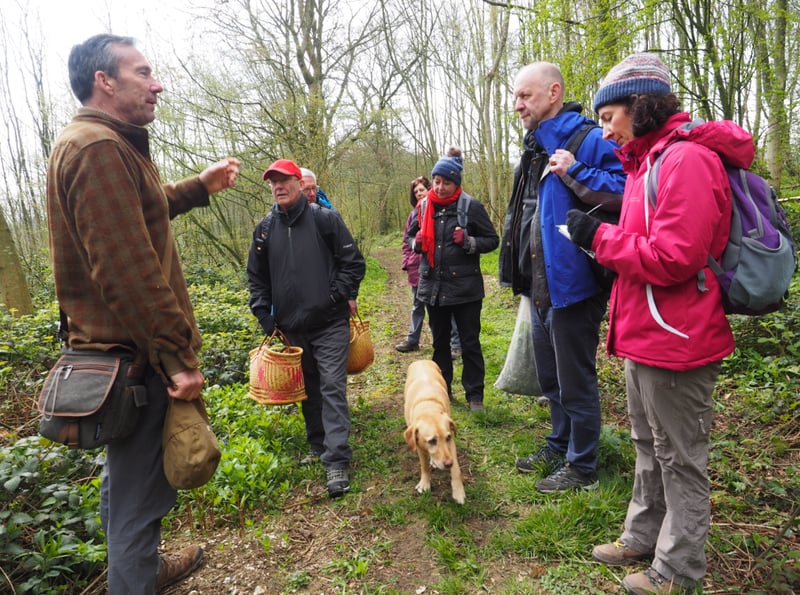
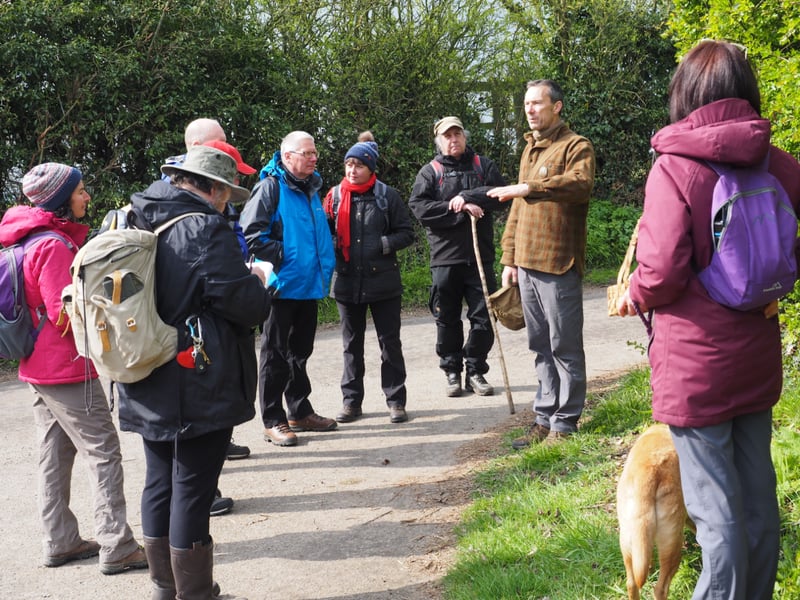
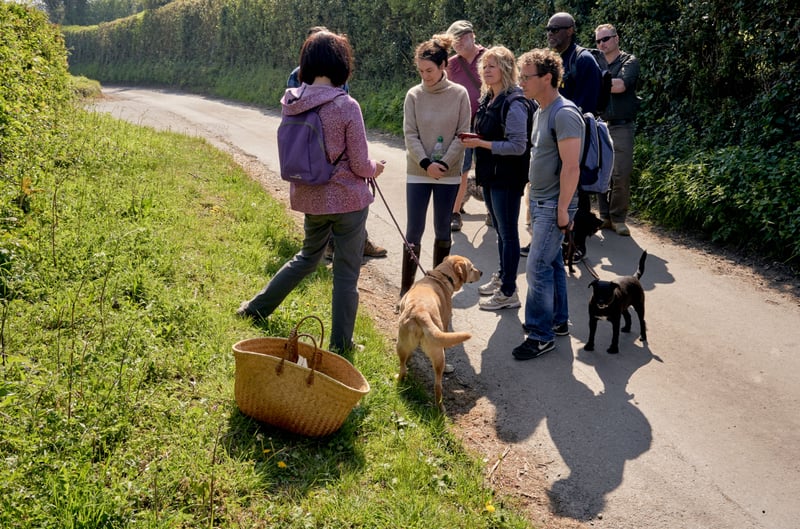
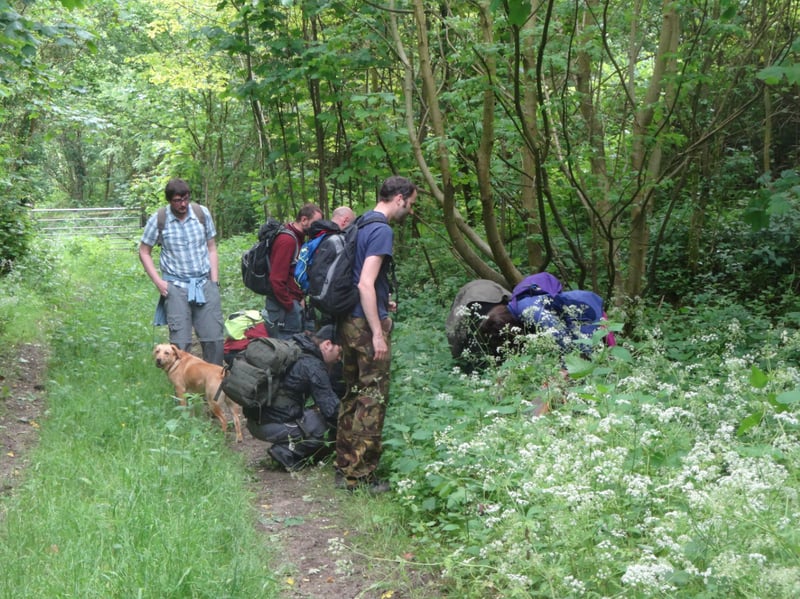
Spend a day learning to recognise and collect edible plants, berries, nuts, and fruits across the Kent Downs. You’ll explore hedgerows, fields, and ancient woodland while gaining practical knowledge of safe and sustainable foraging. The day concludes with cooking and tasting dishes prepared from your finds.
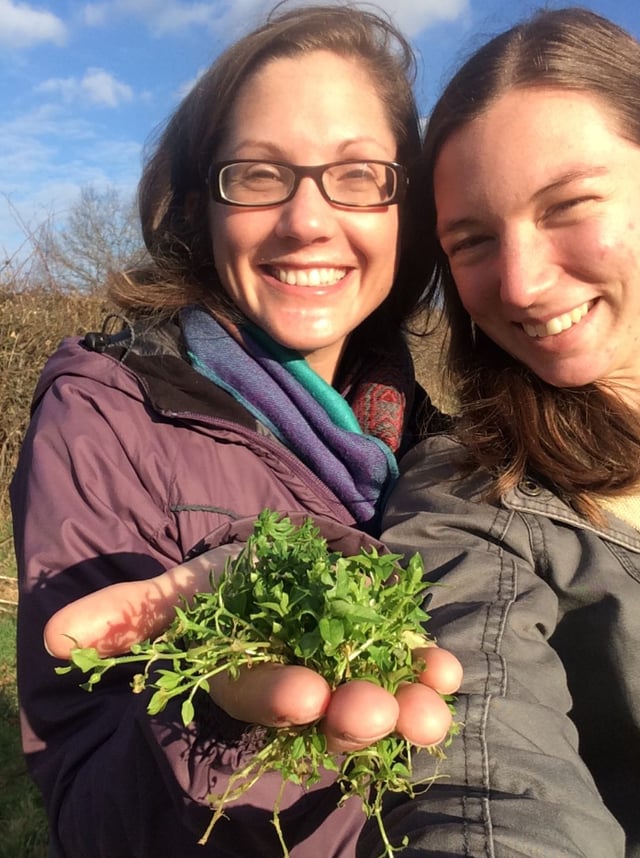
The day begins at the meeting point with a briefing on the legalities of foraging, suitable locations, and how to collect and store your finds. You’ll then walk through hedgerows and lanes, learning to identify common edible plants, berries, and nuts, and spotting poisonous lookalikes.
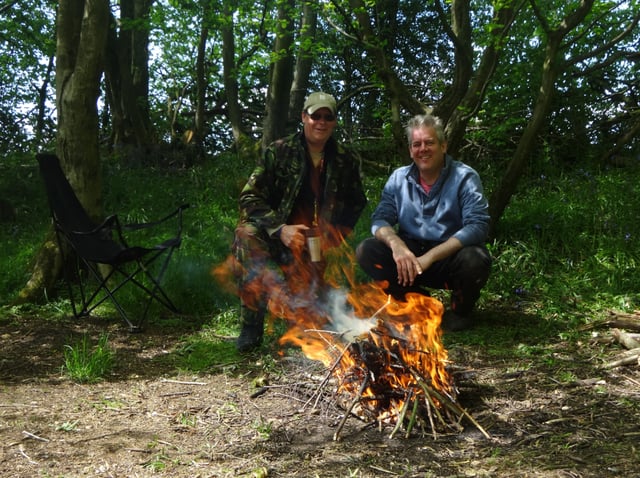
Moving into ancient woodland, you’ll continue collecting plants while observing different habitats. At the woodland camp, the kettle will be ready for a hot drink and a break. After enjoying your packed lunch, you’ll review the plants collected, reinforcing identification points and learning their culinary uses.
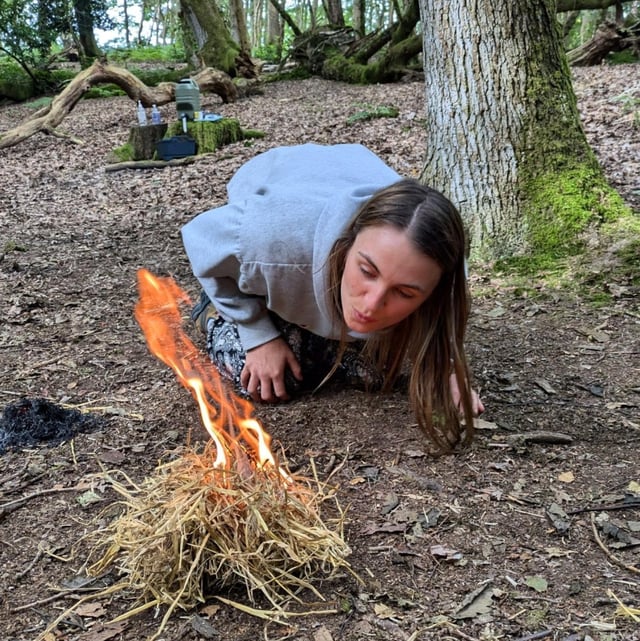
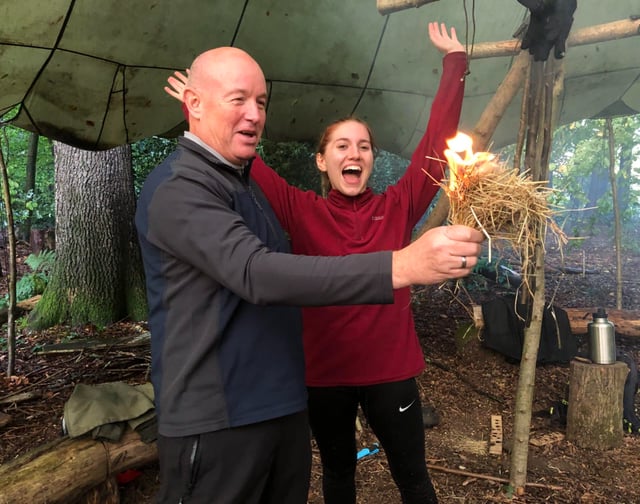
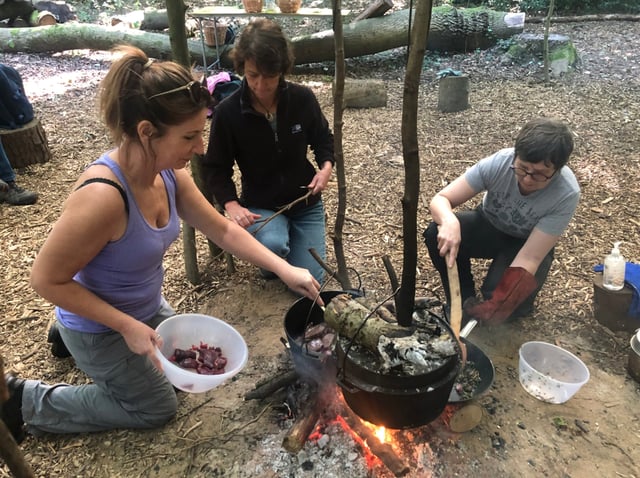
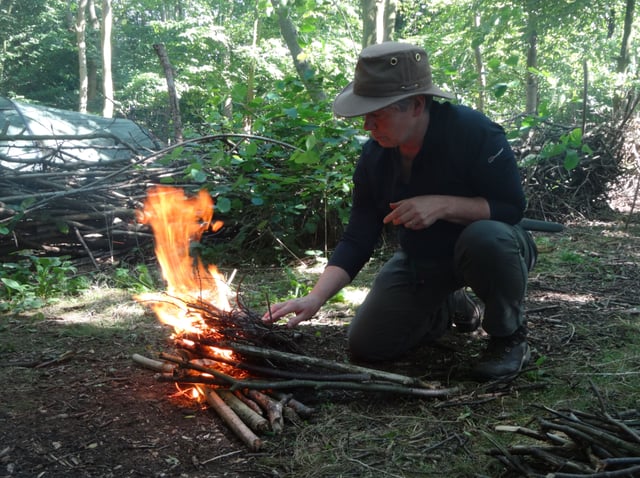
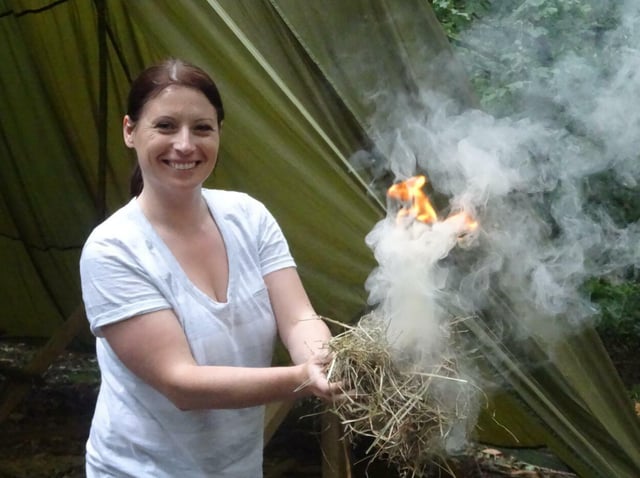
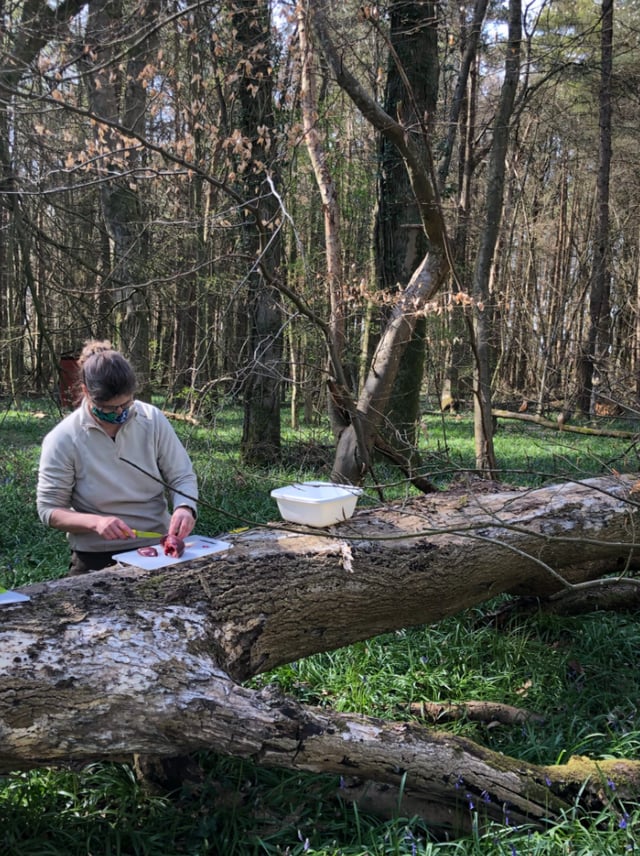
The afternoon focuses on cooking with your foraged ingredients over open fires. Each participant prepares a dish to contribute to a communal banquet. Previous dishes have included dandelion and hogweed frittata, jack-by-the-hedge pakoras, nettle burgers, blackberry ketchup, and more. The session ends with everyone enjoying the meal together, reflecting on the skills and knowledge gained.
The course takes place in Westwell, Kent, within the Kent Downs Area of Outstanding Natural Beauty. The woodland and surrounding hedgerows provide a rich variety of edible plants and seasonal produce, making it an ideal learning environment.
The site is accessible by both rail and road from London. There is a short walk from the meeting point to the woodland camp, with collected equipment and materials transported by 4x4 to simplify the start of the day.
No previous foraging experience is required, though a curiosity about edible plants and the outdoors will enhance your enjoyment. Participants should be able to walk moderate distances over uneven terrain.
Wear appropriate clothing and footwear for the outdoors. Bring a packed lunch to supplement the foraged food, as the cooking session will take place later in the afternoon.
The centre has over 15 years of experience running small-group foraging courses, ensuring individual attention and a hands-on approach. Courses focus on safe, sustainable, and legal foraging practices.
Participants benefit from expert guidance in identifying edible plants, understanding seasonal availability, and preparing dishes over open fires. The woodland setting provides an authentic environment to learn and enjoy wild food cooking.
Courses take place in Westwell, Kent, which is easily accessible by road from the M20 and M2. For those travelling by train, Ashford International station is just 5 miles away, with a high-speed connection from St. Pancras taking around 40 minutes. Charing station is also close, approximately 4 miles from the site, and taxis can be arranged in advance if needed.
The woodland setting is slightly off the beaten track, providing a quiet environment for bushcraft learning while remaining within convenient reach of local transport links. Once you arrive, the walk to the woodland camp is about 15 minutes at a gentle pace, with the final stretch uphill. Your gear will be transported most of the way in a 4×4, so only light carrying is required.
No prior experience is required. The course is designed for anyone curious about edible plants, berries, nuts, and fruits, whether you are a complete beginner or have some basic knowledge.
The instructors provide guidance on identifying, collecting, and using seasonal produce safely. Small group sizes allow for personalised support throughout the day.
Most courses are aimed at adults, but children aged 12 and over may join, provided they are accompanied by a responsible adult.
Only one adult may accompany one child on a course. The adult is responsible for the safety and behaviour of the under-18 participant throughout the session. This ensures a safe and manageable learning environment for everyone.
You will focus on common edible plants, berries, nuts, and fruits found in British hedgerows, fields, and ancient woodlands. Identification includes seasonal variations, so what you learn depends on the time of year.
Poisonous plants and lookalikes will also be covered to ensure you can forage safely. The course emphasises recognition of distinguishing features and sustainable collection practices.
Pets and alcohol are not allowed on courses. The woodland setting includes livestock nearby, and there is regular use of knives, axes, and other tools, which makes bringing animals unsafe. Some participants also prefer a dog-free environment, which is taken into account.
Courses aim to maintain a safe, focused environment for all attendees, so alcohol and pets are not permitted. This ensures everyone can concentrate on learning and enjoying the bushcraft activities.
The woodland is carefully managed to protect its natural environment. Conservation and sustainable woodland management are integral to all courses, and participants are encouraged to learn about natural history and responsible practices as part of the experience.
Course sizes are kept small, usually a maximum of 8 people, to minimise environmental impact and ensure a more personalised learning experience. Every activity is designed to respect the woodland while providing meaningful bushcraft education.
The course runs from 10am to 4pm. The morning includes a briefing on legalities, safe collection methods, and identification tips, followed by a walk through hedgerows and lanes to gather plants.
In the afternoon, participants move to the woodland camp, review collected plants, and prepare dishes using an open fire. The day ends with a communal meal using the foraged ingredients.
Yes, each participant prepares a dish using the plants, berries, and nuts collected during the day. Cooking is done over an open fire in the woodland camp.
Previous dishes have included dandelion and hogweed frittata, jack-by-the-hedge pakoras, blackberry ketchup, nettle burgers, and more. Everyone sits down together to enjoy the meal at the end of the course.
After you’ve made your booking, the centre will send a comprehensive joining pack 6 to 8 weeks before the session. This pack contains essential information about the meeting point, what to bring, clothing and equipment recommendations, and any other instructions needed to fully participate in the course.
It is important to bring this joining pack with you on the day, as it includes guidance that ensures you are properly prepared, helping the session run smoothly and safely from start to finish.
Lovely day, Gary and Nicola were very knowledgeable and friendly. The structure of the day created a warm & collaborative atmosphere. The food was also super tasty!
ActivityForaging Course in Kent
Operated by Jack Raven Bushcraft, a partner of adventuro.