We partner with Rewilding Britain to help protect our natural spaces for future adventures.
All centres are vetted for safety and quality. Your adventure is in good hands with adventuro.
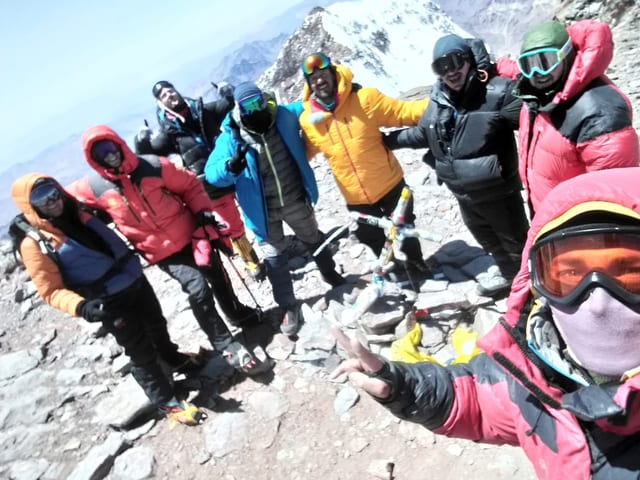
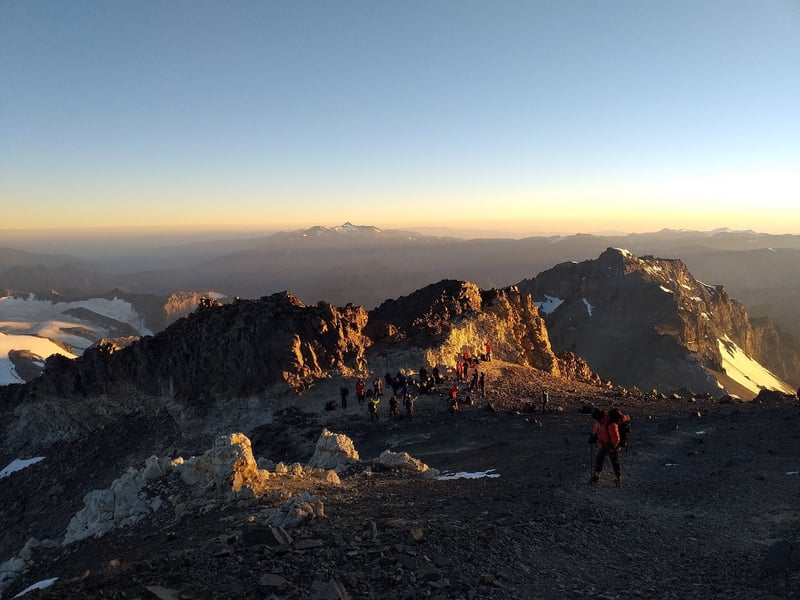
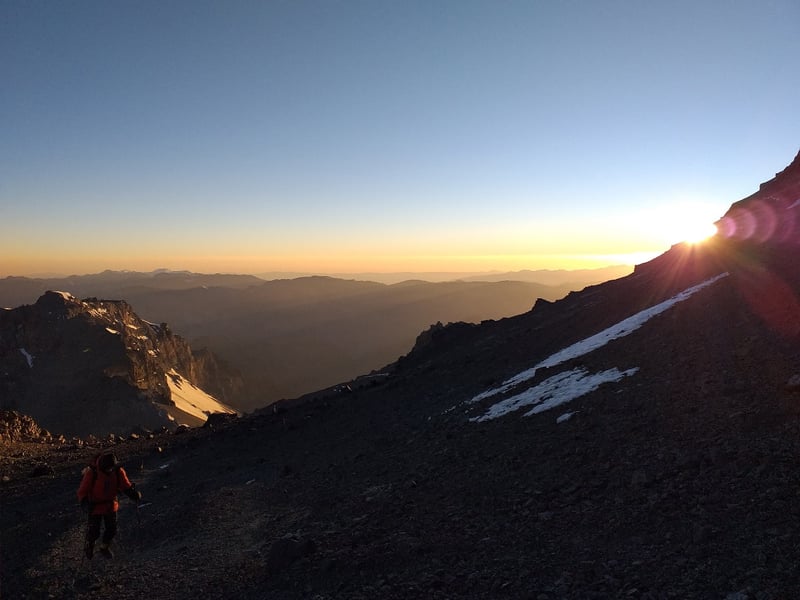
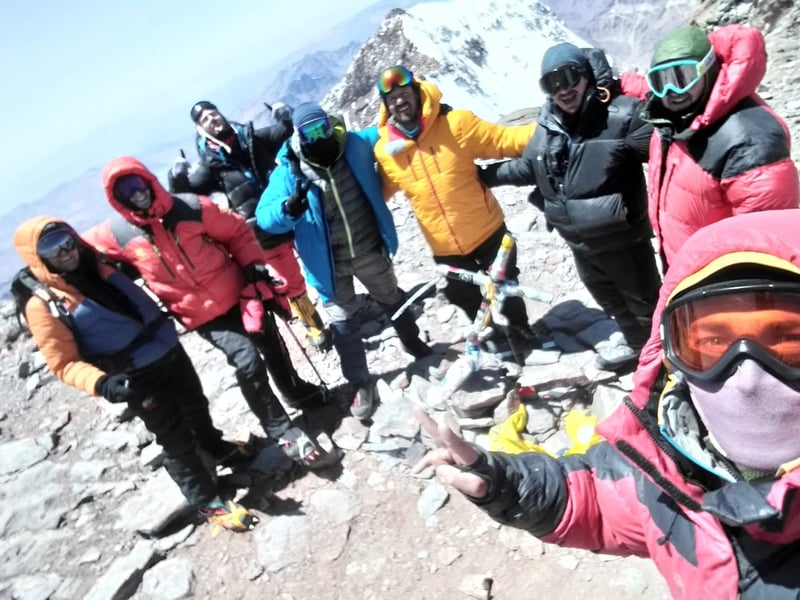
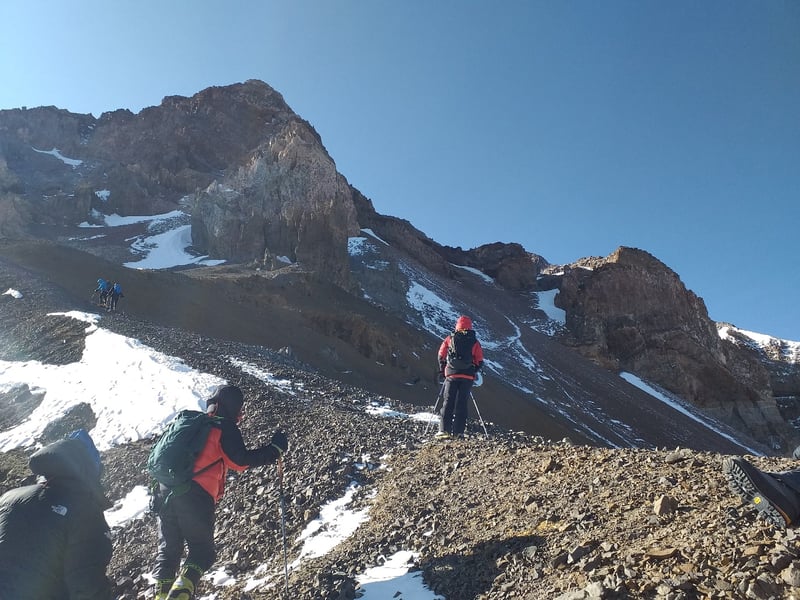
Aconcagua is the highest mountain in South America and the tallest peak outside Asia. Rising to 6,962 metres in the Argentine Andes, it attracts climbers from around the world seeking a serious high-altitude challenge and an important milestone within the Seven Summits collection.
This 17-day expedition follows a carefully planned acclimatisation schedule designed to maximise summit success while helping participants adapt safely to the altitude. Combining mule-supported logistics, established camps, experienced guides and progressive altitude gain, the expedition provides a structured approach to one of the world's most sought-after mountaineering objectives.
Over 17 days you'll travel from Mendoza into Aconcagua Provincial Park, trekking through Penitentes and Confluencia before establishing at Plaza de Mulas Base Camp. Several acclimatisation rotations take you to Camp Canada and Nido de Condores, building the altitude tolerance needed for summit day above 6,000 metres.
The final push climbs through Plaza Colera to the summit at 6,962m, with a reserve day built in for weather. Mule support carries heavy loads on the lower mountain, letting you focus on acclimatisation and recovery before the high camps. You'll descend through the same route and celebrate in Mendoza before departure.
This expedition is led by experienced mountain professionals with extensive knowledge of high-altitude mountaineering, expedition planning and altitude management. Every aspect of the itinerary has been designed to balance acclimatisation, recovery and progression, helping participants prepare effectively for the demands of climbing above 6,000 metres.
From permit assistance and camp logistics to weather monitoring and summit strategy, the team provides comprehensive support throughout the expedition. Small guide ratios and carefully managed camps help create an environment where climbers can focus fully on the challenge ahead.
Your expedition begins in Mendoza, the gateway to Aconcagua and one of Argentina's most famous mountain regions. After arriving, you'll meet your guide, organise permits, complete equipment checks and arrange any required gear rentals before enjoying a welcome dinner and expedition briefing.
The following day, you'll travel to Penitentes at 2,725 metres. Surrounded by the Andes, this mountain settlement serves as the final staging point before entering Aconcagua Provincial Park. Equipment is prepared, mule loads are organised and final preparations are completed ahead of the trek.
The expedition enters Aconcagua National Park and begins the gradual process of acclimatisation. The first camp is Confluencia at approximately 3,300 metres, reached after a steady trek through increasingly dramatic mountain scenery.
An acclimatisation hike to Plaza Francia follows, providing impressive views of Aconcagua's enormous south face before returning to camp. From there, you'll continue to Plaza de Mulas Base Camp at 4,400 metres, one of the largest and most famous high-altitude camps in the world.
Several days are dedicated to acclimatisation and higher camp rotations. You'll begin carrying equipment to increasingly higher elevations while allowing your body to adapt gradually to the altitude.
Ascents to Camp Canada at 4,950 metres and Nido de Condores at 5,590 metres provide valuable acclimatisation before descending back to Plaza de Mulas for recovery. This strategy of climbing high and sleeping lower is one of the key factors in preparing for a successful summit attempt.
Once acclimatisation is complete, the expedition begins its final ascent. You'll return to Nido de Condores before moving to Plaza Colera at approximately 6,000 metres, the final high camp before summit day.
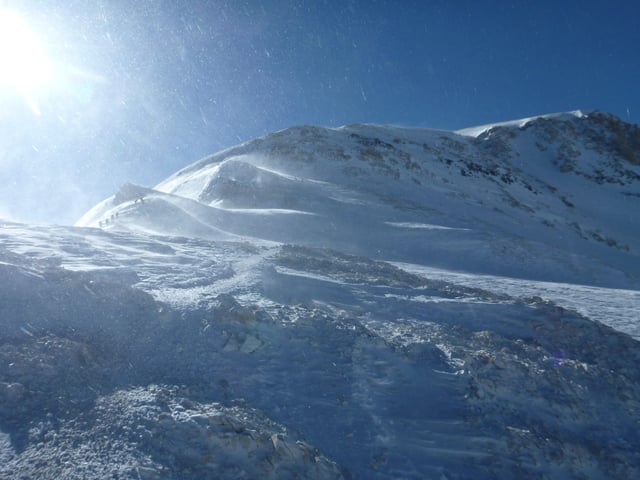
Summit day begins well before sunrise as you climb towards the highest point in the Americas. The route follows rocky and scree-covered terrain, with crampons sometimes required depending on conditions. After approximately eight hours of climbing, you'll stand atop Aconcagua at 6,962 metres before beginning the descent back towards camp.
A reserve day is included within the programme to provide flexibility should weather conditions delay the summit attempt.
Following a successful ascent, you'll descend back through the camps and return to Plaza de Mulas before hiking out of the national park. The expedition concludes with a celebratory dinner in Mendoza before departure on Day 17.
Accommodation throughout the expedition includes hotels in Mendoza and Penitentes, alongside a series of established mountain camps positioned along the route.
Participants stay in high-altitude expedition tents during the climb, including multiple nights at Plaza de Mulas Base Camp. These camps provide essential support services while allowing climbers to acclimatise gradually as they progress higher on the mountain.
Previous mountain experience is strongly recommended due to the altitude and duration of the expedition. Participants should ideally have experience trekking or climbing at altitude and be comfortable spending multiple days in remote mountain environments.
Although Aconcagua's normal route is not highly technical, the altitude presents a significant challenge. Experience with multi-day mountain trips and a strong level of fitness will greatly improve your chances of success.
Aconcagua is often described as a physically demanding rather than technically difficult mountain. The primary challenge comes from the altitude, with climbers spending multiple days above 5,000 metres and reaching almost 7,000 metres on summit day.
Long days, cold temperatures, strong winds and the effects of altitude all contribute to the difficulty. Proper preparation, fitness and acclimatisation are essential for a successful ascent.
The expedition is generally suitable for participants aged 18 and over due to the physical demands and extreme altitude involved.
If younger participants wish to join, please send a request before booking. Previous experience, fitness levels and mountain background can then be assessed individually.
Plaza de Mulas is the main base camp on Aconcagua and one of the largest high-altitude camps in the world. Situated at approximately 4,400 metres, it serves as the primary acclimatisation and logistics hub for climbers attempting the mountain.
The camp includes dining facilities, support staff and communication services, creating a surprisingly comfortable environment considering its remote mountain location.
Mules play a vital role in transporting heavy equipment and expedition supplies between camps. This significantly reduces the amount of weight participants need to carry during the lower stages of the expedition.
Using mule support helps conserve energy and allows climbers to focus on acclimatisation and recovery before moving to the higher camps.
Yes, specialist mountaineering insurance is required for all participants. Policies should cover high-altitude trekking, emergency evacuation, rescue services and medical treatment.
It is important to confirm that your policy specifically covers activities at altitudes approaching 7,000 metres before travelling.
The main climbing season runs from late November through February, when weather conditions on the normal route are most stable. During these months temperatures are warmer and wind speeds are generally lower, improving summit prospects.
Expeditions outside the peak season face greater weather uncertainty. Your guides monitor forecasts throughout the trip and use the reserve day when conditions require flexibility.
The Aconcagua climbing permit is not included in the expedition price and must be purchased separately in Mendoza before entering the national park. Permit fees vary depending on nationality and season, so budget accordingly before you travel.
Your guides assist with the permit process during the first days in Mendoza, helping ensure paperwork and payments are completed before the trek begins.
Full-board meals are included throughout the expedition once you leave Mendoza, with hearty breakfasts, lunches and dinners prepared at base camp and high camps. The cooking team works at altitude to provide nutritious food that supports recovery during acclimatisation rotations.
Lunches and dinners in Mendoza and Penitentes before and after the climb are not included, so plan for meals during arrival and departure days in the city.
Mule support carries group equipment and heavy loads between lower camps, significantly reducing what you carry on the approach and early acclimatisation days. Above Plaza de Mulas you carry personal clothing, sleeping gear and summit equipment between high camps.
Your guides advise on packing for each rotation. A summit backpack and duffel bag are essential, and rental options for specialised mountaineering kit can be arranged in Mendoza if needed.
About the centre
Mendoza
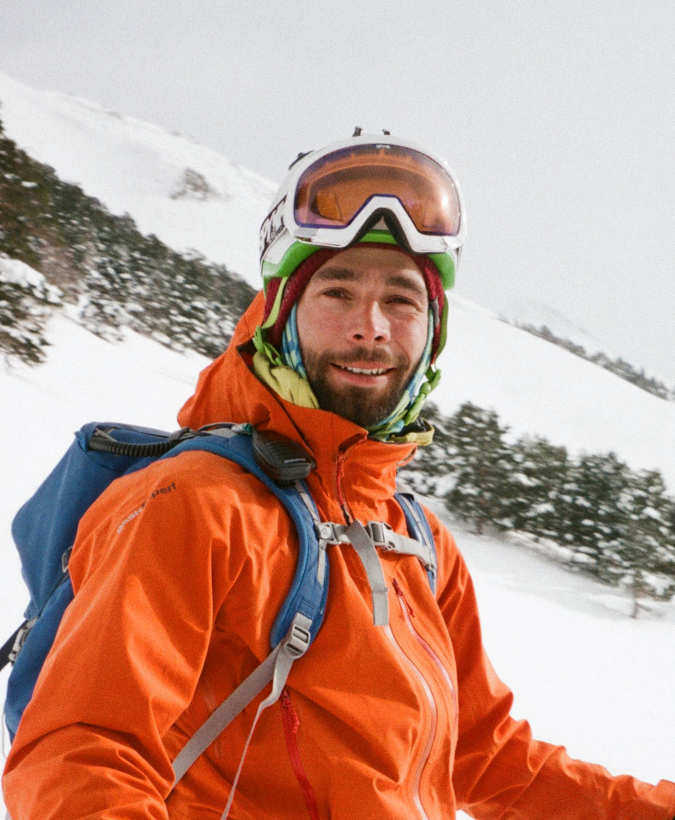
You'll join experienced mountain guides for high-altitude expeditions, technical climbing and ski touring across the Caucasus, Central Asia, the Alps and the Andes. Programmes are built around careful acclimatisation, glacier skills and small group ratios so you can progress safely toward major summits and remote ski objectives.
Whether you're aiming for a first 7,000-metre peak, a classic Alpine ascent or a backcountry ski week, you'll get structured preparation, camp logistics and hands-on coaching from guides who know these ranges intimately. Every trip is planned with weather flexibility, clear kit guidance and support from arrival through to summit day and descent.
Operated by Rock n Snow, a partner of adventuro.
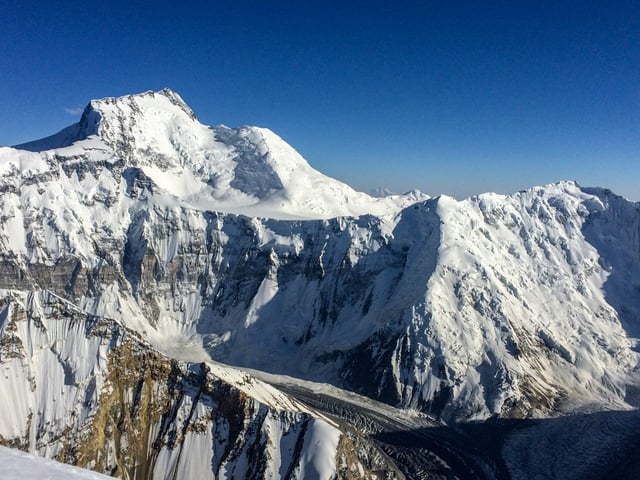
Gorno-Badakhshan, Tajikistan
From €6300
Ysyk-Köl Region (Issyk-Kul), Kyrgyzstan
From €4950
Ysyk-Köl Region (Issyk-Kul), Kyrgyzstan
From €4800