We partner with Rewilding Britain to help protect our natural spaces for future adventures.
All centres are vetted for safety and quality. Your adventure is in good hands with adventuro.
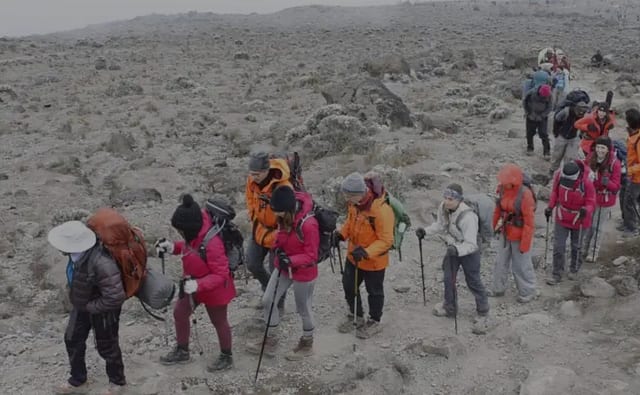
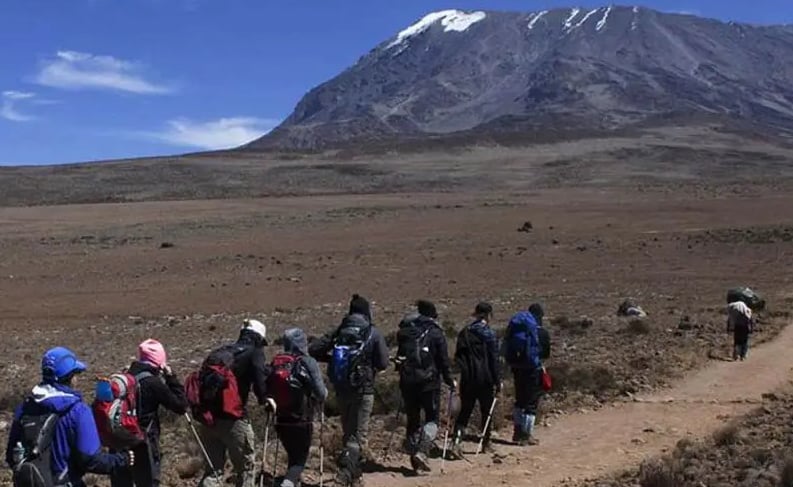
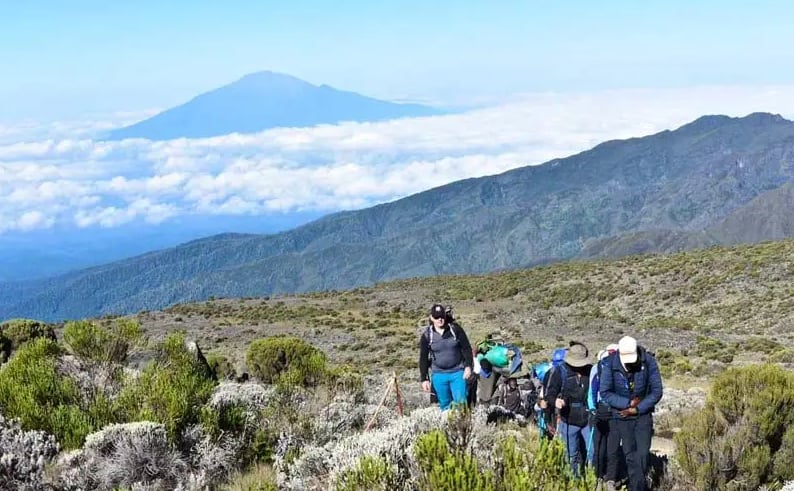
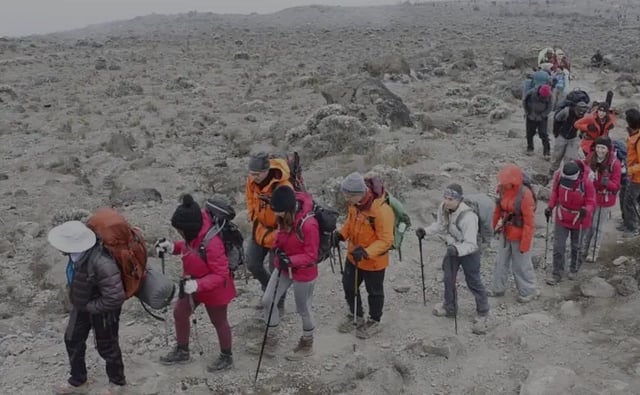
Diese siebentägige Kilimandscharo-Trekkingtour bietet Ihnen die Flexibilität, zwischen drei der etabliertesten Routen des Berges zu wählen, die jeweils ein anderes Erlebnis auf Afrikas höchstem Gipfel bieten. Ganz gleich, ob Sie die ruhigere und allmählich ansteigende Lemosho-Route, die abwechslungsreiche und beliebte Machame-Route oder den abgelegenen nördlichen Zugang der Rongai-Route bevorzugen – jede Option wurde für einen ausgewogenen und gut getakteten Aufstieg konzipiert.
Während der gesamten Trekkingtour durchqueren Sie verschiedene Landschaften – vom dichten Regenwald am Fuß des Berges über die hoch gelegene alpine Wüste bis hin zur Gipfelzone. Jede Route folgt einer sorgfältig geplanten Akklimatisierungsstrategie, die Ihrem Körper hilft, sich an die Höhe zu gewöhnen, während Sie Zeit haben, die Umgebung zu genießen und die körperliche Herausforderung zu bewältigen.
Sie werden auf jedem Schritt unterstützt: Erfahrene Guides überwachen Ihren Fortschritt, während ein komplettes Team den Lageraufbau, die Mahlzeiten und die Logistik übernimmt. So können Sie sich auf den Aufstieg konzentrieren und darauf vertrauen, dass im Hintergrund alles für ein reibungsloses und gut organisiertes Erlebnis erledigt wird.
Diese Route beginnt an der Westseite des Berges und ist für ihre ruhigeren Wege und weitläufigen Landschaften bekannt. Sie bietet eines der besten Akklimatisierungsprofile mit einem allmählichen Aufstieg, der die Gipfelchancen verbessert und Ihnen mehr Zeit zur Anpassung an die Höhe gibt.
Diese Route gehört aufgrund ihrer Kombination aus abwechslungsreichen Landschaften und einer effektiven Akklimatisierungsstruktur zu den am häufigsten gewählten Optionen. Sie umfasst steilere Abschnitte und bekannte Besonderheiten wie die Barranco-Wand und bietet einen körperlich anspruchsvolleren Aufstieg.
Diese Route nähert sich dem Berg von Norden nahe der kenianischen Grenze, ist normalerweise weniger überlaufen und folgt einer gleichmäßigeren Steigung. Sie ist eine gute Option für alle, die ein ruhigeres Erlebnis suchen, und ist tendenziell trockener als die südlichen Routen.
Das Team verfügt über umfangreiche Erfahrung in der Leitung von Kilimandscharo-Trekkingtouren und legt großen Wert auf Sicherheit, Vorbereitung und kontinuierliche Unterstützung während des gesamten Aufstiegs. Die Guides sind darin geschult, die Höhenentwicklung genau zu überwachen, Ihnen dabei zu helfen, ein gleichmäßiges Tempo beizubehalten, und in jeder Phase der Reise fundierte Entscheidungen zu treffen.
Jedes Detail wird beachtet – von gut organisierten Lagern über zuverlässige Ausrüstung bis hin zu Mahlzeiten, die lange Trekkingtage unterstützen. Darüber hinaus setzt sich das Team für verantwortungsvollen Tourismus ein, indem lokale Teams unterstützt und die Bergwelt respektiert werden, während zugleich ein gut strukturierter und unvergesslicher Aufstieg geboten wird.
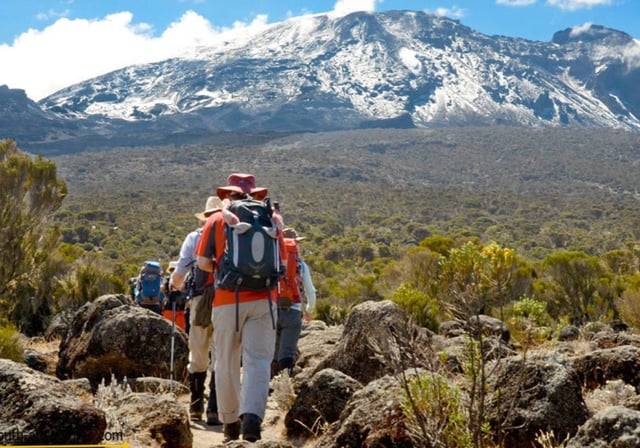
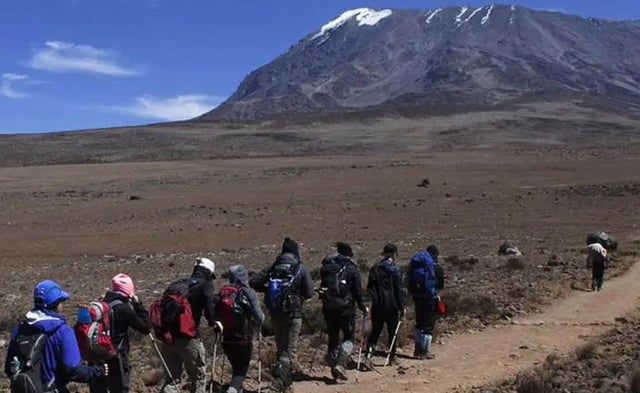
Die Trekkingtour beginnt mit einer Fahrt zur Westseite des Berges, wo Sie im dichten Regenwald starten. Die ersten Tage sind darauf ausgelegt, Sie mit kürzeren Wanderungen und einem allmählichen Höhengewinn an den Aufstieg zu gewöhnen. Mit zunehmender Höhe öffnet sich die Landschaft zum Moorland und zur Shira-Hochebene, die weite Ausblicke und ein klares Gefühl für die Größe des Berges bietet.
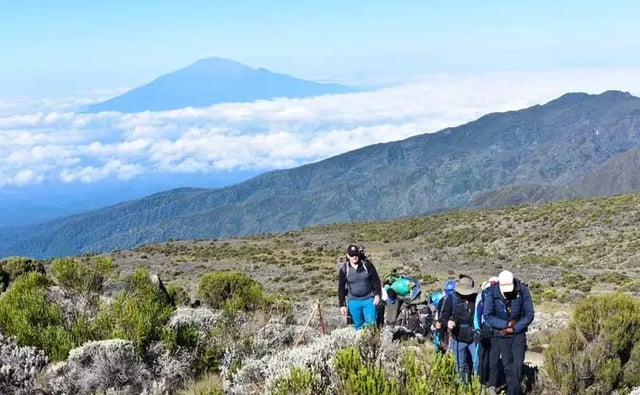
Auf halber Strecke folgen Sie dem Prinzip „hoch steigen, niedrig schlafen“: Sie steigen in größere Höhen auf und gehen anschließend zum Lager hinunter. Dies ist entscheidend für die Akklimatisierung und hilft Ihrem Körper, sich an die dünnere Luft anzupassen. Sie kommen an vulkanischen Formationen vorbei, durchqueren Täler und steigen die Barranco-Wand hinauf, die zwar steil, aber gut zu bewältigen und lohnend ist.
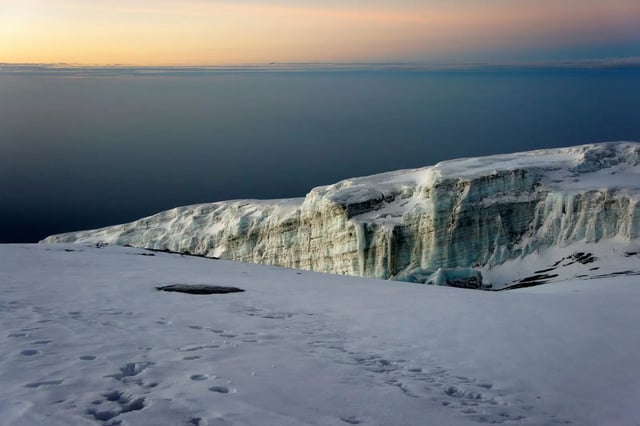
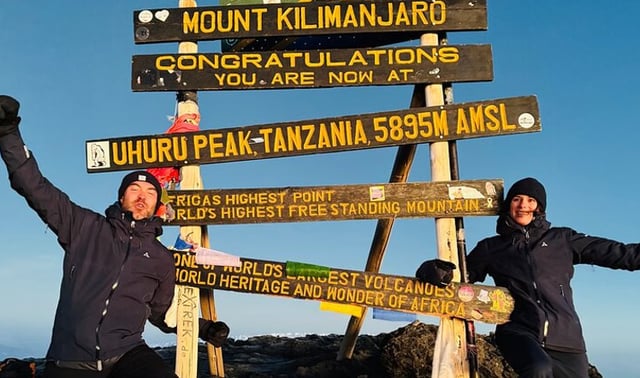
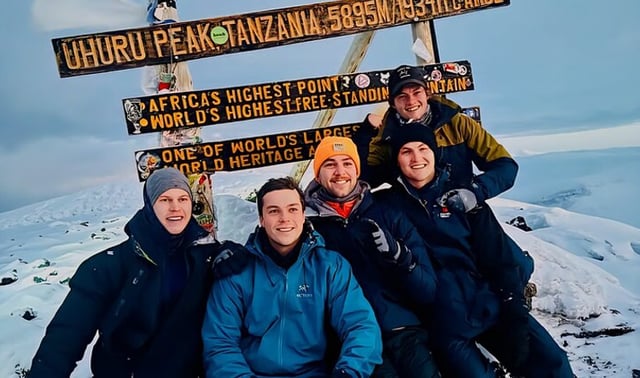
Der letzte Abschnitt führt Sie zum Basislager, wo Sie sich vor dem Gipfelversuch um Mitternacht ausruhen. Der Aufstieg zum Uhuru Peak erfolgt langsam und gleichmäßig. Sie erreichen den Gipfel bei Sonnenaufgang und steigen anschließend durch wechselnde Landschaften zu den tiefer gelegenen Lagern und schließlich zum Ausgangstor ab.
Die Machame-Route beginnt im üppigen Regenwald und geht beim Aufstieg ins Moorland schnell in steileres Gelände über. Diese Route ist für ihre Vielfalt bekannt, da sich Landschaft und Höhe mit jedem Tag spürbar verändern. Der Weg umfasst Grate, offene Hochebenen und Panorama-Aussichtspunkte über den Berg.
Ein wichtiges Merkmal dieser Route ist ihre Akklimatisierungsstrategie: Tagsüber steigen Sie in größere Höhen auf und sinken zum Schlafen wieder auf eine niedrigere Höhe ab. Dieser Ansatz hilft Ihrem Körper, sich effektiver anzupassen, und erhöht Ihre Chancen, den Gipfel zu erreichen. Die Barranco-Wand ist ein Höhepunkt und bietet einen anspruchsvollen Aufstieg mit den Händen sowie weite Ausblicke vom Gipfel.
Wie bei den anderen Routen erreichen Sie das Basislager, bevor Sie gegen Mitternacht mit dem Gipfelaufstieg beginnen. Der letzte Aufstieg ist anspruchsvoll, doch der Gipfel bei Sonnenaufgang macht die Anstrengung lohnenswert. Anschließend steigen Sie durch mehrere Höhenzonen ab und kehren schließlich zu den bewaldeten unteren Hängen zurück.
Die Rongai-Route beginnt an der Nordseite des Berges und bietet einen ruhigeren, allmählicheren Aufstieg. In den ersten Tagen wandern Sie durch offene Waldgebiete und Moorland, mit weniger Trekkinggästen auf dem Weg und klaren Ausblicken über die umliegenden Ebenen.
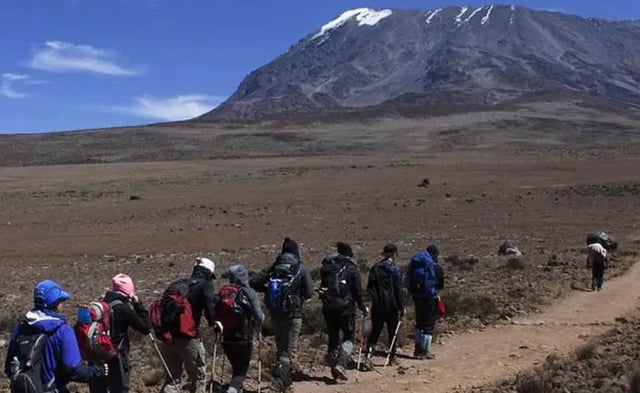
Die Route weist eine gleichmäßige Steigung auf und ist daher eine gute Option für alle, die ein konstanteres Tempo bevorzugen. Mit zunehmender Höhe wird das Gelände anspruchsvoller, mit felsigen Wegen und alpinen Wüstenlandschaften. Außerdem kommen Sie in der Nähe des Mawenzi Peak vorbei, einem der markanten Gipfel des Kilimandscharo.
Nach dem Erreichen des Basislagers beginnt der Gipfelversuch in der Nacht, mit einem langen und gleichmäßigen Aufstieg zum Uhuru Peak. Der Abstieg erfolgt über eine andere Route, sodass Sie eine weitere Seite des Berges erleben, bevor Sie die Trekkingtour am Ausgangstor beenden.
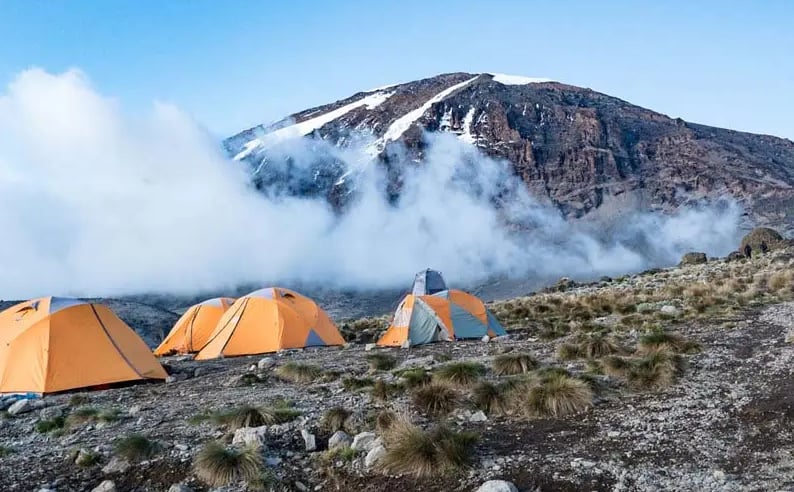
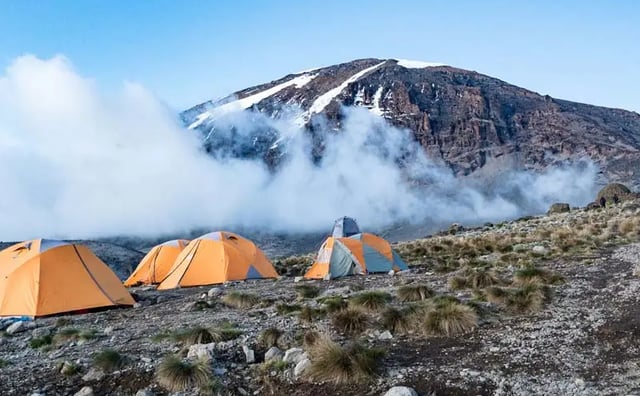
Während der Trekkingtour übernachten Sie in Bergzelten an ausgewiesenen Lagern entlang der Route. Diese Lager werden jeden Tag vom Unterstützungsteam aufgebaut und bieten Ihnen einen festen Ort zum Ausruhen, während Sie den Berg hinaufsteigen.
In höheren Lagen wird es kälter und die Bedingungen sind ungeschützter, daher ist die richtige Ausrüstung für den Komfort wichtig. Vor und nach der Trekkingtour kann bei Bedarf eine Unterkunft in Moshi oder Arusha organisiert werden, damit Sie Zeit zur Vorbereitung und Erholung haben.
Jede Route bietet ein anderes Gleichgewicht aus Landschaft, Schwierigkeitsgrad und Besucheraufkommen. Lemosho ist ideal, wenn Sie eine ruhigere Route mit hervorragender Akklimatisierung wünschen, Machame eignet sich für alle, die abwechslungsreiches Gelände und einen aktiveren Aufstieg suchen, und Rongai ist eine gute Wahl, wenn Sie einen gleichmäßigeren, weniger überlaufenen Anstieg bevorzugen.
Bei Ihrer Entscheidung sollten Sie außerdem die Jahreszeit und Ihre persönlichen Vorlieben hinsichtlich der Wegbedingungen berücksichtigen. Ein Gespräch mit einem Experten vor der Buchung kann dabei helfen, die Route an Ihre Erfahrung und Erwartungen anzupassen.
Die Trekkingtour ist körperlich anspruchsvoll, mit langen Wandertagen und zunehmender Höhe. Technische Kletterkenntnisse sind zwar nicht erforderlich, aber Ausdauer und mentale Belastbarkeit sind wichtig, um die Route zu bewältigen.
Die größte Herausforderung ist die Höhe und nicht das Gelände selbst. Ein gleichmäßiges Tempo, die richtige Akklimatisierung und die Unterstützung durch die Guides spielen eine entscheidende Rolle beim Erreichen des Gipfels.
Frühere Trekkingerfahrung ist hilfreich, aber nicht erforderlich. Viele Menschen wählen den Kilimandscharo als ihre erste Hochgebirgstour und erreichen den Gipfel mit der richtigen Vorbereitung erfolgreich.
Ein vorheriges Training, einschließlich langer Wanderungen und einiger Höhenmeter, macht das Erlebnis besser bewältigbar und angenehmer.
Die Gipfelnacht beginnt gegen Mitternacht und umfasst einen langsamen, gleichmäßigen Aufstieg bei Kälte und Dunkelheit. Stirnlampen weisen Ihnen auf dem Weg zum Kraterrand den Weg.
Bei Sonnenaufgang den Gipfel zu erreichen, ist der Höhepunkt der Tour, doch der Aufstieg ist körperlich und mental anspruchsvoll. Nach dem Erreichen des Gipfels beginnen Sie mit einem langen Abstieg in niedrigere Höhenlagen.
Die Guides überwachen während der gesamten Trekkingtour Ihren Gesundheitszustand und sind darin geschult, Symptome frühzeitig zu erkennen. Tägliche Kontrollen helfen dabei zu verfolgen, wie sich Ihr Körper an die Höhe anpasst.
Wenn sich die Symptome verschlimmern, entscheidet das Team, ob eine Pause eingelegt oder abgestiegen wird. Sicherheit steht immer an erster Stelle, und die Pläne werden entsprechend angepasst.
Die Mahlzeiten werden von einem eigenen Koch zubereitet und sollen Energie und Nährstoffe für lange Trekkingtage liefern. Während der gesamten Trekkingtour können Sie eine Mischung aus warmen Mahlzeiten, Snacks und Getränken erwarten.
Ernährungsanforderungen können in der Regel berücksichtigt werden, wenn sie im Voraus mitgeteilt werden, sodass Sie jeden Tag passende Optionen haben.
Die besten Zeiten für den Aufstieg sind die Trockenzeiten von Januar bis Mitte März sowie von Juni bis Oktober. Diese Zeiträume bieten stabileres Wetter und bessere Bedingungen für die Trekkingtour.
Die Regenzeiten im April, Mai und November können rutschige Wege und eingeschränkte Sicht mit sich bringen. Routen wie Rongai sind jedoch oft trockener und können auch in diesen Zeiträumen eine gute Option sein.
Die Unterkunft am Berg erfolgt in Campingzelten, die an ausgewiesenen Lagern entlang der Route aufgebaut werden. Diese werden vom Unterstützungsteam organisiert, sodass Sie jeden Tag an einem vorbereiteten Lagerplatz mit fertigen Schlafgelegenheiten ankommen.
Die Einrichtungen sind einfach, und in höheren Lagen wird es kälter. Vor und nach der Trekkingtour kann bei Bedarf separat eine Unterkunft in Moshi oder Arusha für zusätzlichen Komfort organisiert werden.
Die Preise beginnen in der Regel bei etwa $2000 pro Person, dies ist jedoch nur eine grobe Schätzung. Die endgültigen Kosten hängen von Faktoren wie Gruppengröße, Umfang der Unterstützung, Routenwahl und Jahreszeit ab.
Für einen genauen Preis fordern Sie am besten über das Buchungsformular ein individuelles Angebot an. So wird sichergestellt, dass die Reise auf Ihre Bedürfnisse und Vorlieben zugeschnitten ist.
Über das Zentrum
Moshi, Tanzania
Betrieben von Tanzania Migration Safaris and Travel, einem Partner von adventuro.
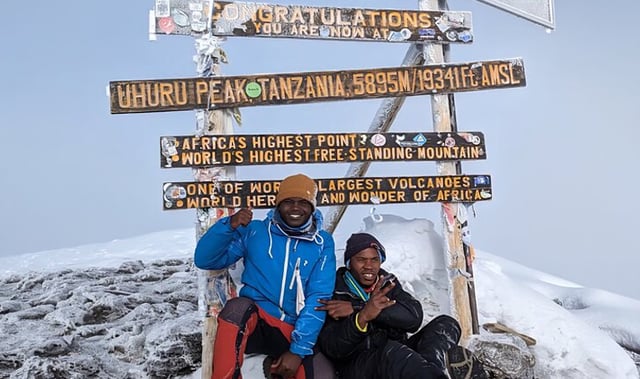
Kilimanjaro & Arusha, Tanzania
Ab $2600
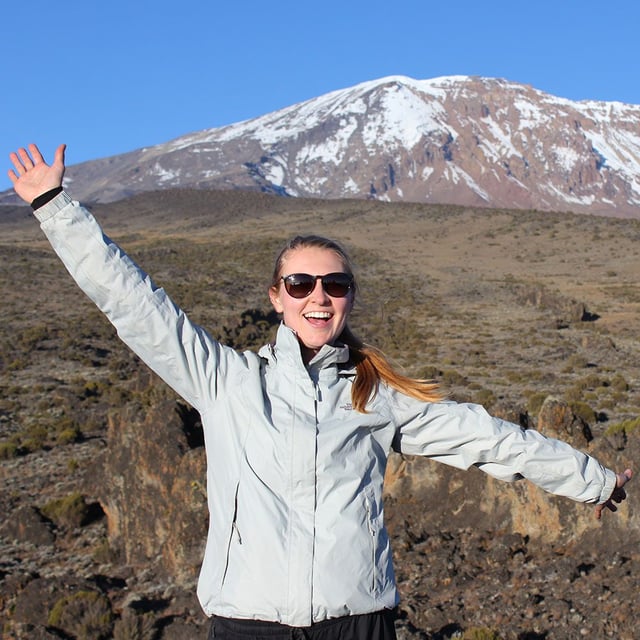
Kilimanjaro & Arusha, Tanzania
Ab $2800
Kilimanjaro & Arusha, Tanzania
Ab $2800
Kilimanjaro & Arusha, Tanzania
Ab $2800
Kilimanjaro & Arusha, Tanzania
Ab $2318.40
Kilimanjaro & Arusha, Tanzania
Ab $3600
Kilimanjaro & Arusha, Tanzania
Ab $2800
Kilimanjaro & Arusha, Tanzania
Ab $850