We partner with Rewilding Britain to help protect our natural spaces for future adventures.
All centres are vetted for safety and quality. Your adventure is in good hands with adventuro.
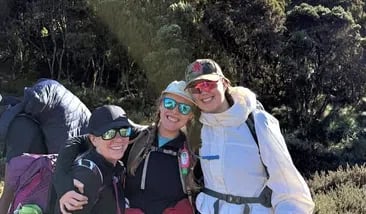
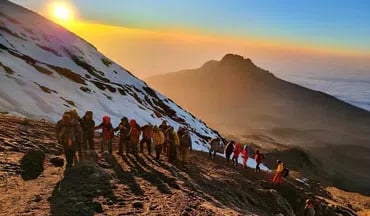
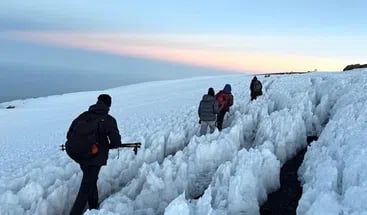
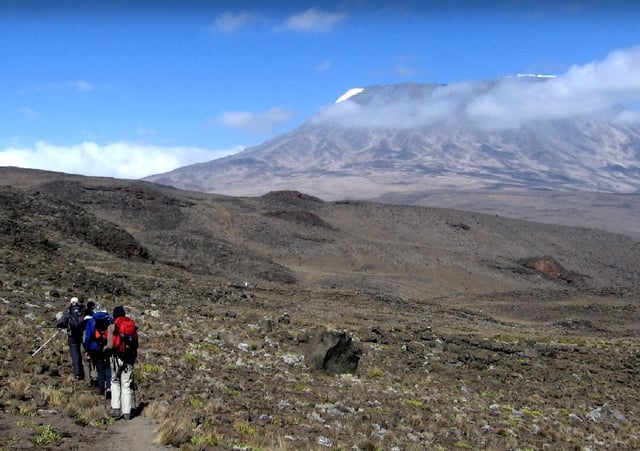
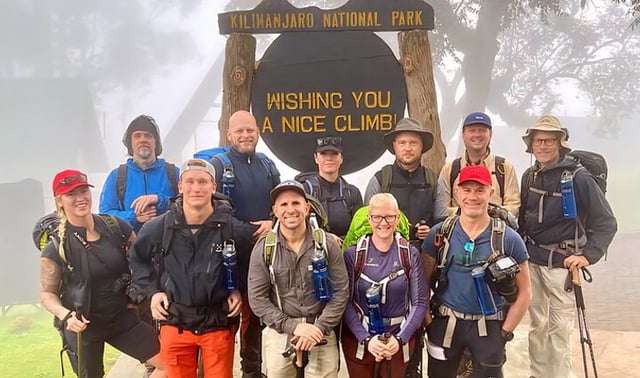
Set across Kilimanjaro’s elevated western plateau, this seven-day trek begins high on the mountain and progresses through vast open terrain before joining the main summit route. Early exposure to altitude provides immediate mountain conditions, with sweeping views and a sense of space across the Shira landscape.
Progress is paced to support adjustment to elevation, with structured acclimatisation sections such as Lava Tower built into the itinerary. A dedicated mountain crew manages all camps, meals, and logistics, ensuring consistency and support throughout the ascent toward the final summit push.
Focused safety protocols are in place throughout every climb, led by guides trained in wilderness response and high-altitude trekking. Daily monitoring, oxygen availability, and structured pacing are used to support climbers as conditions change with elevation.
Alongside expedition support, each journey contributes to local health and education initiatives in the Moshi region. This connection between trekking and community support adds long-term value beyond the mountain experience itself.
Starting from Londorossi Gate, registration is completed before continuing by vehicle to a higher trailhead on the western side of the mountain. The route immediately enters heath and moorland terrain with open views and steady elevation gain.
Shira 1 Camp is reached after a gradual hike across volcanic ground. The evening is spent resting and adjusting to the higher starting altitude.
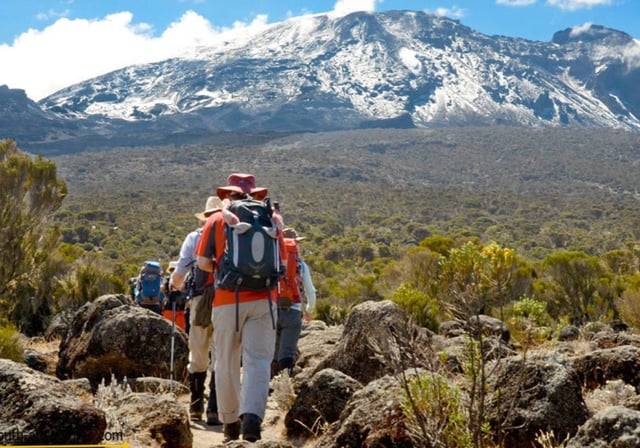
Continuing across the Shira Plateau, the trail passes through wide open terrain with volcanic formations and distant views of Kibo peak. The walk is steady, with gradual altitude change throughout the day.
Shira 2 Camp is reached by afternoon, allowing time for recovery and light acclimatisation exploration. The open setting supports early adjustment to mountain conditions.
Ascending toward Lava Tower provides a key acclimatisation opportunity before descending to lower elevation for overnight rest. This profile helps the body adapt more effectively to reduced oxygen levels.
Barranco Camp is reached in the afternoon, set in a sheltered valley beneath dramatic rock walls. The remainder of the day is kept light to support recovery.
The morning begins with a steady climb up the Barranco Wall, requiring careful footing but no technical equipment. Once above, the route continues across ridges and valleys with gradual gain.
Karanga Camp is reached for rest and recovery ahead of higher altitude sections. The afternoon is focused on hydration and preparation for summit staging.
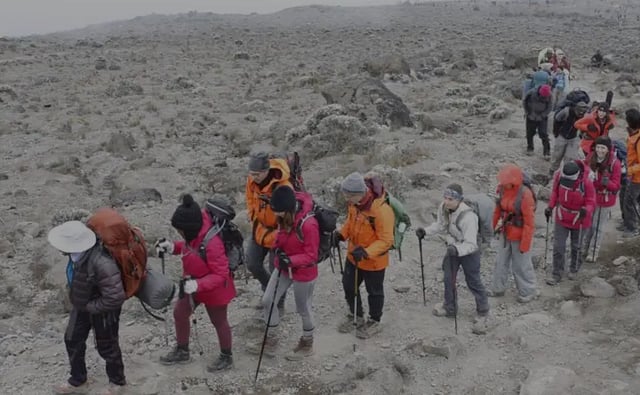
The landscape becomes increasingly barren as the route enters alpine desert conditions. The climb continues steadily toward Barafu Camp, the final staging point before summit night.
Arrival at camp is followed by early rest, with preparation focused on the overnight ascent. Energy conservation becomes a priority ahead of the final push.
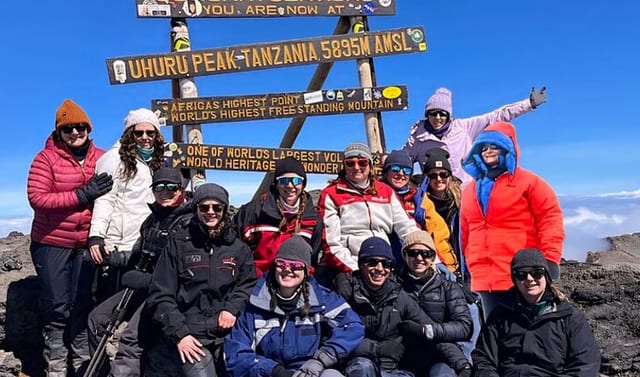
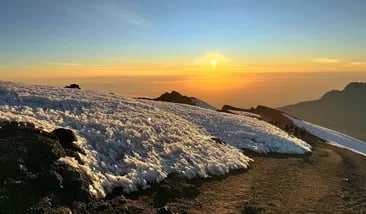
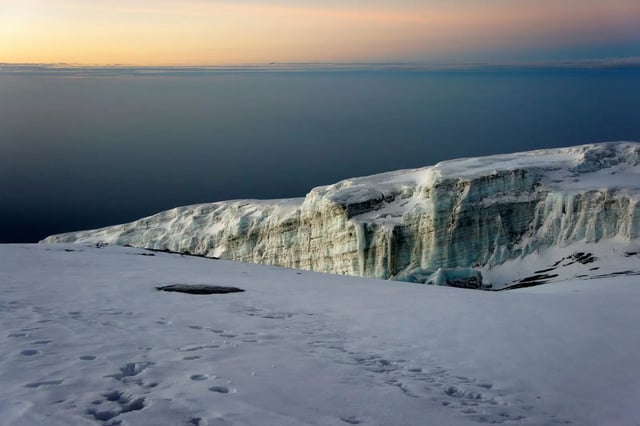
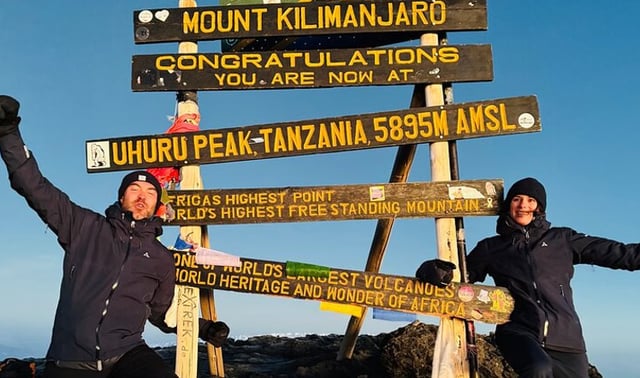
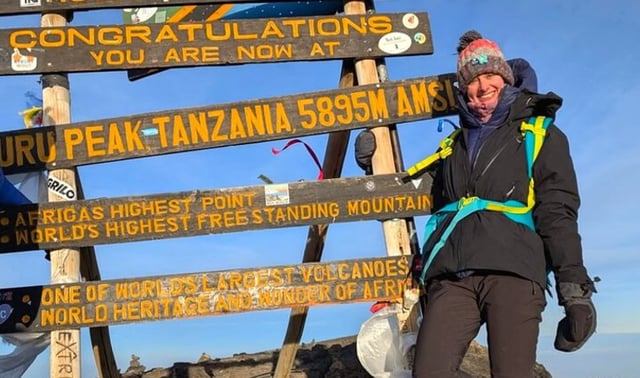
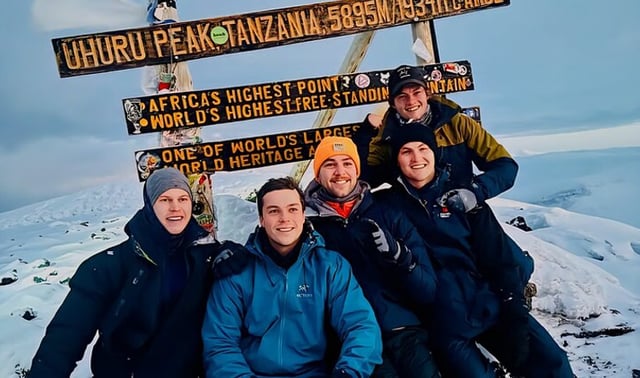
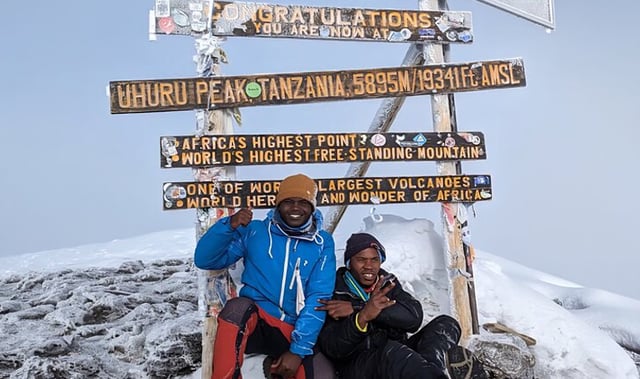
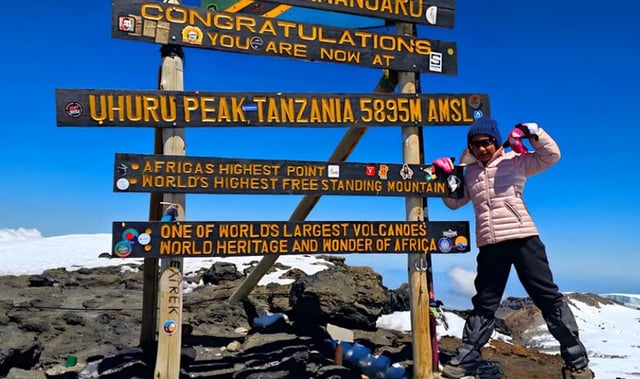
The summit attempt begins shortly after midnight, climbing through scree and rocky terrain toward Stella Point before continuing to Uhuru Peak. Sunrise often occurs near the upper ridge of the mountain.
After a short time at the summit, descent begins immediately to Barafu before continuing down to Mweka Camp. This is the most demanding stage of the trek, combining ascent and full descent in one continuous effort.
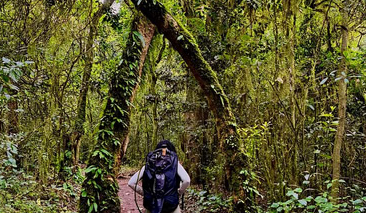
Descending through rainforest terrain brings warmer conditions and noticeably improved oxygen levels. The trail is steady and continuous, allowing time for recovery after summit efforts.
Arrival at Mweka Gate marks completion of the trek, followed by certificate collection and transfer back to base accommodation or onward travel.
Configured around remote mountain camps, accommodation is provided in shared tents set up at each stage of the trek. These camps include sleeping and dining areas managed by the support crew.
Conditions become progressively colder and more exposed at higher altitude, particularly during summit staging. Equipment and camp logistics are fully handled by the team to support rest and recovery.
Beginning at higher elevation provides immediate exposure to mountain conditions, which can feel more intense in the early stages. The open plateau also offers expansive views across the surrounding landscape.
Acclimatisation is supported through structured pacing and key altitude variation later in the itinerary.
The itinerary includes a climb-high, sleep-low profile, particularly on the Lava Tower section. This helps the body adjust gradually to reduced oxygen levels.
Rest periods and controlled ascent rates are built into each stage to improve overall adjustment.
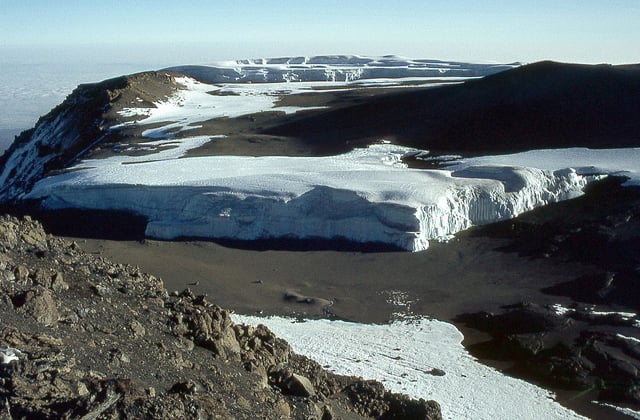
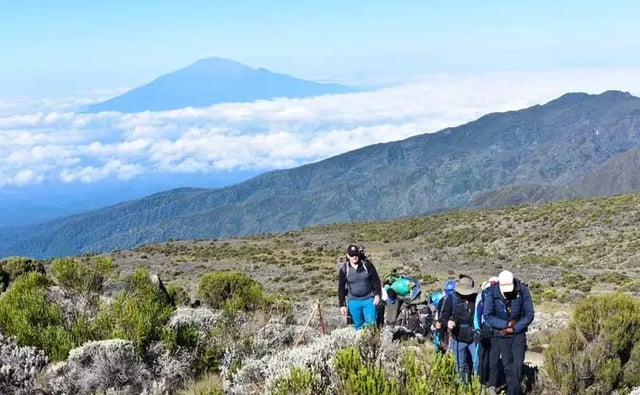
The route passes through moorland, volcanic rock formations, ridge lines and alpine desert before reaching summit terrain. Conditions vary significantly across each stage.
Later sections become more exposed, with physical demand driven largely by altitude.
Guides conduct daily health checks using pulse oximetry to monitor oxygen levels and physical condition. Adjustments are made based on individual responses.
Emergency oxygen is available, and descent is prioritised if required.
Camping is used throughout, with tents and shared dining spaces set up at each location. All logistics are handled by the support crew.
Higher camps are colder and more exposed, particularly before summit night.
Meals are prepared daily and designed to support energy levels and recovery. Food is served at each campsite by the support team.
Water is treated where needed, and regular hydration is encouraged throughout the trek.
The summit push begins around midnight on day six, allowing ascent in colder, more stable conditions. This timing supports arrival at sunrise.
After reaching the summit, descent continues immediately to lower camps.
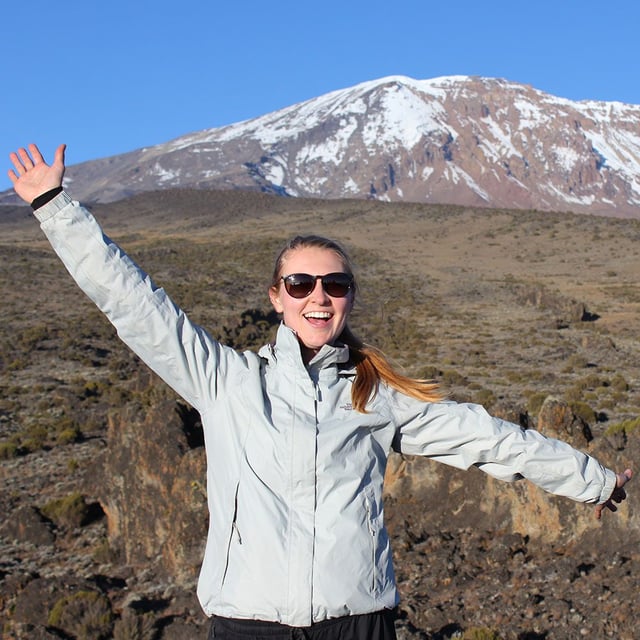
About the centre
Moshi
Operated by Hillborn Organic Coffee, a partner of adventuro.
Kilimanjaro & Arusha, Tanzania
From $2800
Kilimanjaro & Arusha, Tanzania
From $2800
Kilimanjaro & Arusha, Tanzania
From $2600
Kilimanjaro & Arusha, Tanzania
From $2200
Kilimanjaro & Arusha, Tanzania
From $80