We partner with Rewilding Britain to help protect our natural spaces for future adventures.
All centres are vetted for safety and quality. Your adventure is in good hands with adventuro.
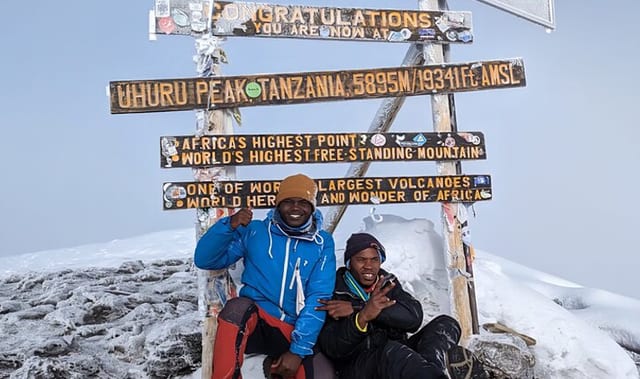
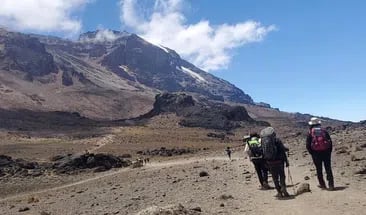
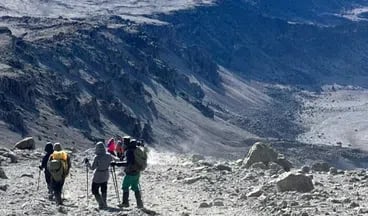
Diese sechstägige Besteigung folgt dem direktesten südlichen Zugang zum Kilimandscharo und führt zügig vom dichten Regenwald über steile Gratabschnitte in hochalpines Gelände. Die Route ist von Beginn an körperlich anspruchsvoll und umfasst anhaltende Aufstiege, die über die gesamte Strecke ein gleichmäßiges Tempo und eine konstante Energieeinteilung erfordern.
Erwarten Sie einen strukturierten Aufstieg mit Unterstützung eines erfahrenen Bergteams, das an allen Camps Navigation, Verpflegung und Sicherheit übernimmt. Da rasch an Höhe gewonnen wird, ist die Erholungszeit an jedem Stopp besonders wichtig, vor allem vor dem Gipfelaufstieg, der über Nacht beginnt und bis in die frühen Morgenstunden andauert.
Jede Besteigung wird von zertifizierten, im Wildnisbereich ausgebildeten Guides mit umfassender Erfahrung in steilem Hochgebirgsgelände geleitet. Tägliche Gesundheitschecks, Sauerstoffunterstützung und sorgfältige Strategien zur Tempoeinteilung helfen dabei, die Anforderungen schneller Aufstiegsrouten wie dieser zu bewältigen.
Neben der technischen Unterstützung am Berg leistet jede Reise einen Beitrag zu gemeinnützigen Projekten in der Region Moshi. Dazu gehört die Unterstützung von Initiativen zur Gesundheitsbildung, die Hochgebirgsabenteuer mit konkreter Wirkung vor Ort verbinden.
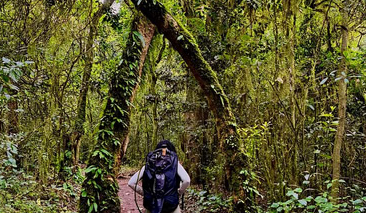
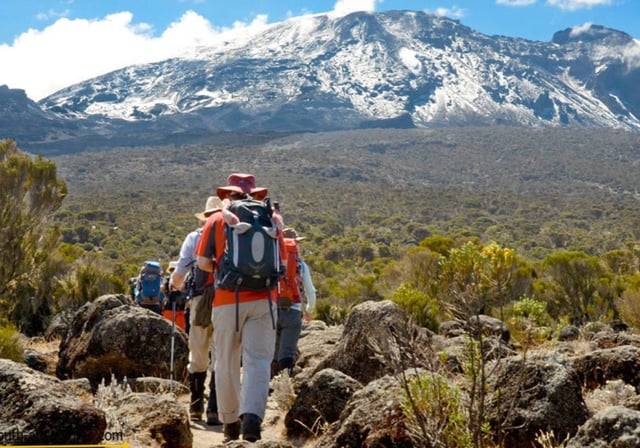
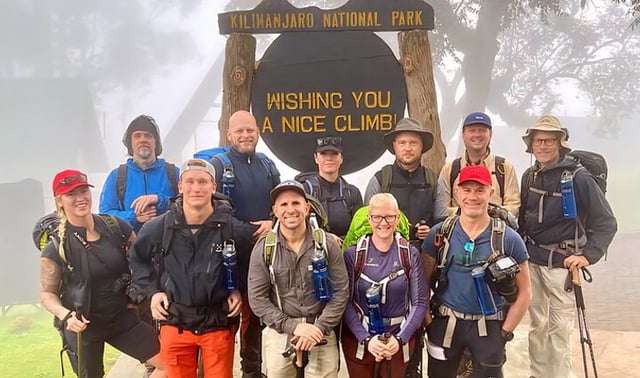
Die Trekkingtour beginnt am Umbwe Gate, wo der Weg unmittelbar in dichten Regenwald führt und von Anfang an steil ansteigt. Der Weg ist stellenweise schmal, mit kontinuierlichem Höhengewinn durch feuchtwarme Waldgebiete.
Nach einem anhaltenden Aufstieg wird das Umbwe Cave Camp erreicht, das eine einfache, aber geschützte Übernachtungsmöglichkeit bietet. Nach dem körperlich anspruchsvollen ersten Tag liegt der Fokus auf Ruhe und Erholung.
Nach dem Verlassen des Waldes geht die Route in Heideland über und eröffnet weitere Ausblicke auf die umliegenden Täler. Der Weg folgt einem steilen Grat und weist über weite Teile des Tages eine deutliche Aufwärtsneigung auf.
Mit der weiteren Öffnung der Landschaft wird das Barranco Camp unterhalb hoch aufragender Felsformationen erreicht. Der Abend dient der Erholung und der Vorbereitung auf die nächste Aufstiegsetappe.
Der Tag beginnt mit dem Aufstieg an der Barranco Wall, einem bekannten felsigen Abschnitt, der sicheren Tritt und vorsichtige Bewegungen erfordert. Oberhalb der Wand führt die Route über Grate und durch Täler weiter, wobei allmählich Höhe gewonnen wird.
Das Karanga Camp wird am frühen oder späteren Nachmittag erreicht; die Zeit dort dient der Erholung und der Unterstützung der Akklimatisierung. Dieser Stopp spielt eine wichtige Rolle bei der Vorbereitung auf die bevorstehenden Abschnitte in größerer Höhe.
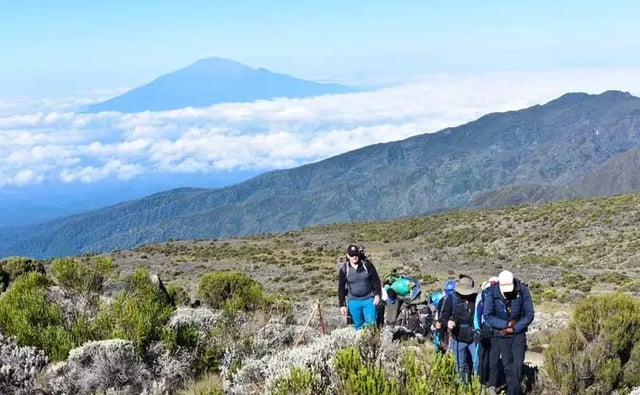
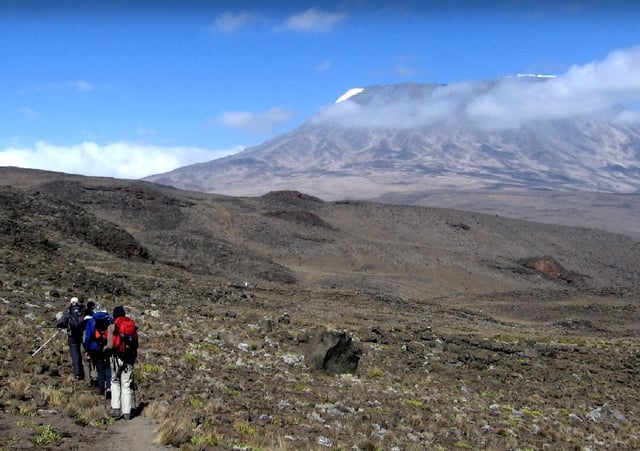
Das Gelände wird zunehmend karger, während der Weg in die Bedingungen einer alpinen Wüste führt. Der Aufstieg wird in gleichmäßigem Tempo fortgesetzt, mit weniger natürlichen Orientierungspunkten und zunehmend exponiertem Gelände.
Das Barafu Camp wird am Nachmittag erreicht und dient als letzte Basis vor dem Gipfelversuch. Frühe Ruhe wird priorisiert, um die Abfahrt um Mitternacht vorzubereiten.
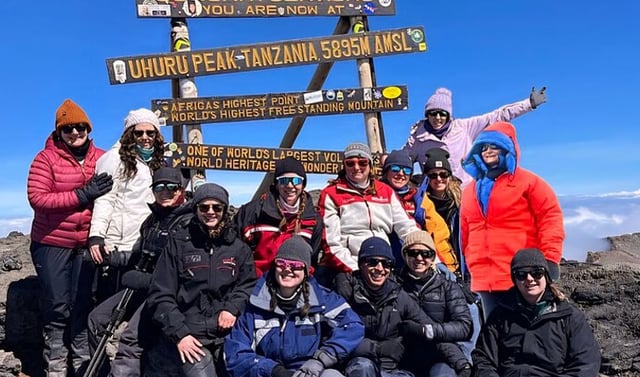
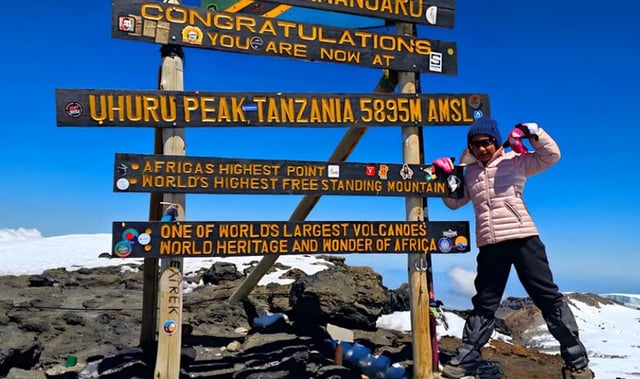
Der Gipfelversuch beginnt kurz nach Mitternacht mit dem Aufstieg über steile Geröllhänge zum Stella Point, bevor es weiter zum Uhuru Peak geht. Die Bedingungen sind kalt und anspruchsvoll; ein langsamer, gleichmäßiger Fortschritt ist durchgehend entscheidend.
Nach einem kurzen Aufenthalt auf dem Gipfel beginnt der Abstieg zurück durch die höher gelegenen Camps und anschließend weiter zum Mweka Camp. Dies ist der körperlich anspruchsvollste Tag, da nächtlicher Aufstieg und langer Abstieg in einer einzigen Etappe kombiniert werden.
Die letzte Etappe führt durch Regenwaldgelände bergab, wo die Luft wärmer wird und der Sauerstoffgehalt spürbar zunimmt. Der Weg verläuft gleichmäßig und kontinuierlich und lässt Zeit zur Erholung nach der Gipfelbesteigung.
Die Ankunft am Mweka Gate markiert das Ende der Trekkingtour. Dort werden Abschlusszertifikate ausgestellt, bevor der Transfer zurück zur Unterkunft am Ausgangspunkt oder die Weiterreise erfolgt.
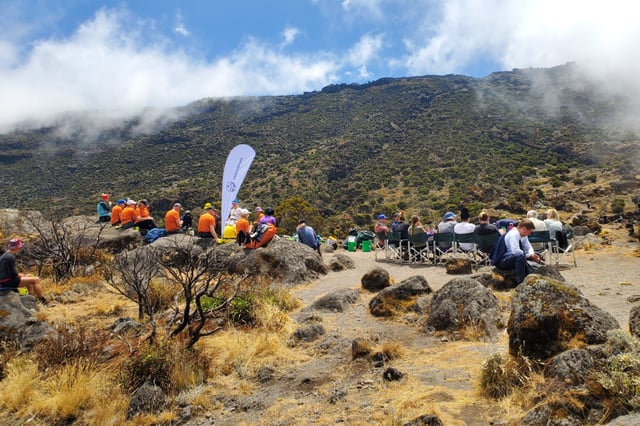
Die Unterkunft besteht aus einer Kombination aus Bergcamps und ausgewiesenen Übernachtungsplätzen entlang der Route. Diese bieten einfachen Schutz, Schlafmöglichkeiten und gemeinschaftliche Essbereiche zur Erholung zwischen den Trekkingetappen.
In höheren Lagen wird das Gelände exponierter, die Temperaturen sinken und die Einrichtungen werden einfacher. Die Unterstützungsteams kümmern sich um Ausrüstung und den Aufbau der Camps, sodass der Fokus auf Erholung und Fortschritt liegen kann.
Diese Route gilt aufgrund ihrer steilen Anstiege und des schnellen Höhengewinns weithin als eine der körperlich anspruchsvollsten. Im Vergleich zu anderen Routen bleibt weniger Zeit für eine schrittweise Akklimatisierung.
Sie eignet sich am besten für Personen, die sich bei mehrtägigen, anhaltenden Aufstiegen unter hochalpinen Bedingungen wohlfühlen.
Der Aufstieg verläuft direkter, sodass auf kürzerer horizontaler Strecke schnell Höhe gewonnen wird. Dadurch entsteht ein kontinuierlicherer Aufstieg statt eines allmählichen Anstiegsprofils.
Das Gelände umfasst bereits früh im Reiseverlauf steile Waldabschnitte, Grate und exponierte alpine Zonen.
Tägliche Gesundheitschecks werden mithilfe der Pulsoxymetrie durchgeführt, um den Sauerstoffgehalt und die körperliche Reaktion zu überwachen. Die Guides passen das Tempo bei Bedarf an, um einen sicheren Aufstieg zu unterstützen.
Notfallsauerstoff ist verfügbar; bei einer Verschlechterung der Symptome wird der Abstieg priorisiert.
Die Unterkunft wechselt zwischen einfachen Bergcamps und ausgewiesenen Übernachtungsplätzen entlang des Weges. Die Einrichtungen sind einfach gehalten und auf Erholung statt Komfort ausgelegt.
In höheren Lagen wird es kälter und exponierter, insbesondere in der Nähe der Ausgangspunkte für den Gipfelaufstieg.
Die Mahlzeiten werden vom Unterstützungsteam zubereitet und an jedem Stopp bereitgestellt, mit Fokus auf Energieversorgung und Erholung. Die Verpflegung ist darauf ausgelegt, anhaltende körperliche Anstrengung in großer Höhe zu unterstützen.
Das Wasser wird bei Bedarf aufbereitet, und über den gesamten Tag wird regelmäßiges Trinken empfohlen.
Der Gipfelaufstieg beginnt am fünften Tag gegen Mitternacht, sodass der Aufstieg bei kälteren und stabileren Bedingungen erfolgen kann. Dieser Zeitplan ermöglicht die Ankunft am Gipfel etwa bei Sonnenaufgang.
Nach einem kurzen Aufenthalt am Gipfel wird der Abstieg sofort zu tiefer gelegenen Lagern fortgesetzt.
Über das Zentrum
Moshi
Betrieben von Hillborn Organic Coffee, einem Partner von adventuro.
Kilimanjaro & Arusha, Tanzania
Ab $2318.40
Kilimanjaro & Arusha, Tanzania
Ab $2800
Kilimanjaro & Arusha, Tanzania
Ab $2137.20
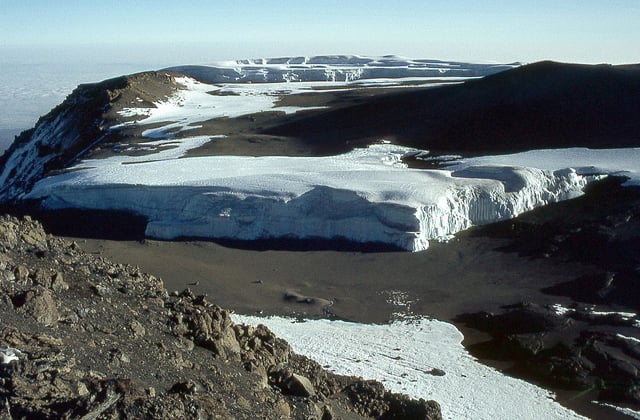
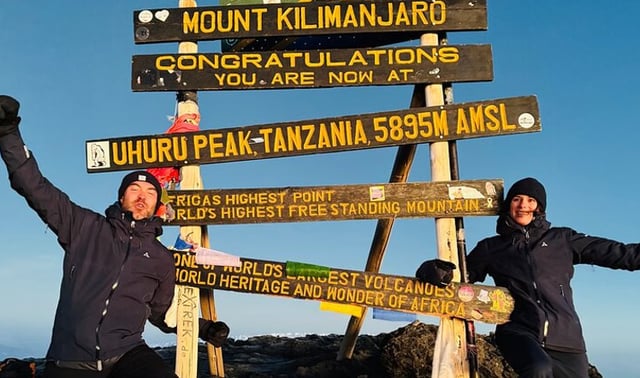
Kilimanjaro & Arusha, Tanzania
Ab $2800
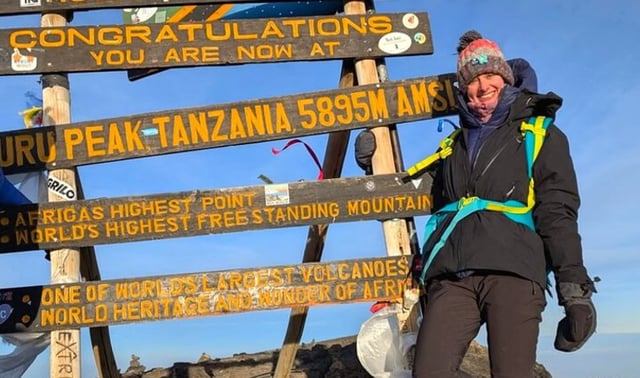
Kilimanjaro & Arusha, Tanzania
Ab $2800
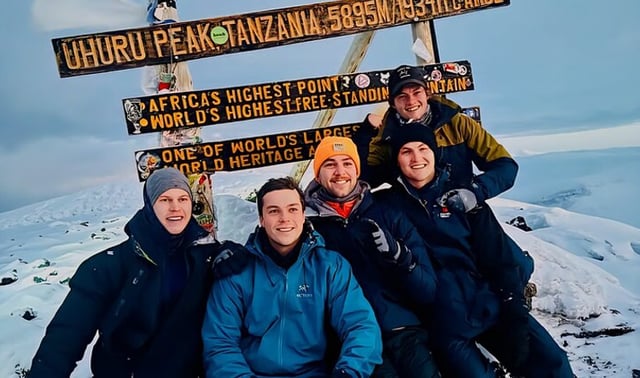
Kilimanjaro & Arusha, Tanzania
Ab $2800
Kilimanjaro & Arusha, Tanzania
Ab $2600
Kilimanjaro & Arusha, Tanzania
Ab $2200
Kilimanjaro & Arusha, Tanzania
Ab $80
Kilimanjaro & Arusha, Tanzania
Ab $55