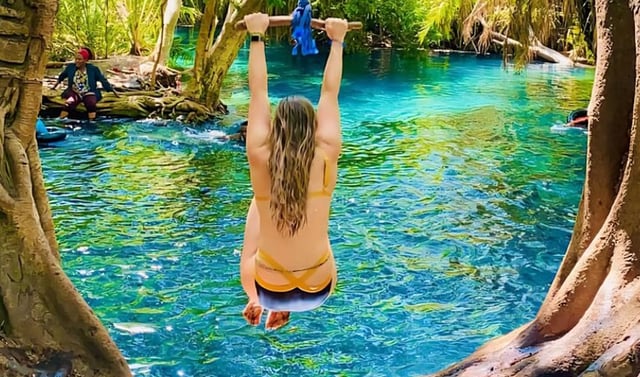
We partner with Rewilding Britain to help protect our natural spaces for future adventures.
All centres are vetted for safety and quality. Your adventure is in good hands with adventuro.
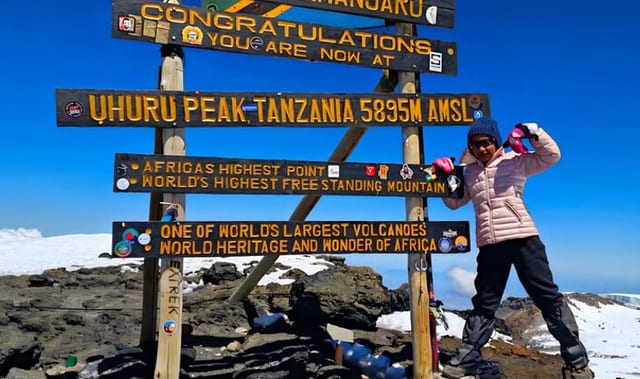
This six-day ascent follows one of Kilimanjaro’s most established routes, combining varied terrain with hut-based accommodation for added comfort compared to camping. The journey moves through rainforest, moorland, alpine desert, and glacial summit zones, giving a clear progression in landscape and altitude. Each stage is carefully paced to support acclimatisation and steady progress toward the summit.
Expect a structured climb with professional guidance from start to finish, including daily health monitoring and full meal support throughout. A dedicated team manages logistics on the mountain, allowing focus to remain on the ascent itself. The inclusion of a dedicated acclimatisation day helps prepare the body for the final summit push, which begins at night for optimal conditions on the upper slopes.
This experience is led by a specialist team with extensive knowledge of high-altitude trekking and safety management. Every climb is supported with structured medical checks, emergency oxygen, and trained leaders who prioritise careful pacing and informed decision-making on the mountain.
Beyond the climb itself, the journey is shaped by a wider commitment to responsible travel, supporting local community initiatives and education projects in the region. The approach combines practical mountain support with meaningful local impact, creating a more considered way to experience Kilimanjaro.
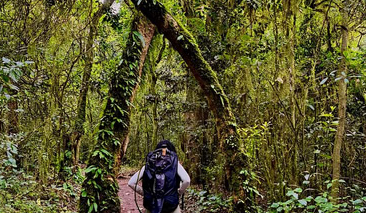
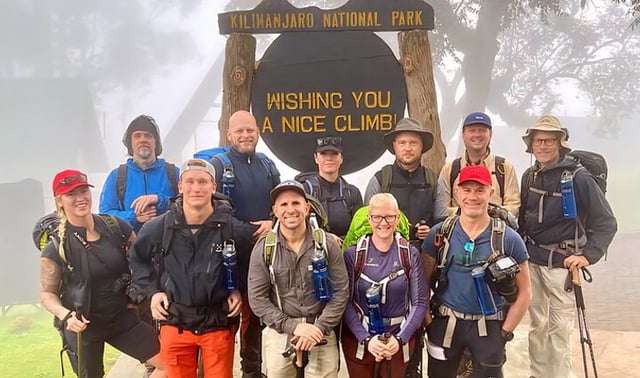
The route begins at the Marangu Gate, where registration is completed before entering dense rainforest. The trail winds through tall trees and humid vegetation, with the chance to see colobus monkeys and other local wildlife along the way. The pace is steady, allowing time to adjust to the environment and elevation gain.
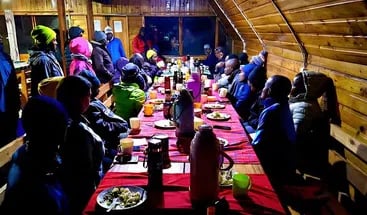
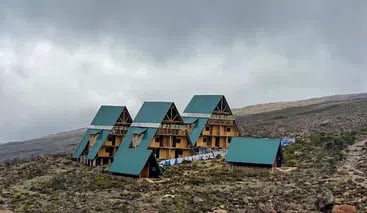
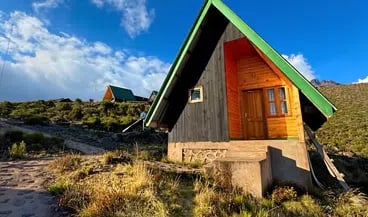
As the path continues, the forest gradually opens towards Mandara Hut. This first overnight stop provides a simple but comfortable base to rest, with warm meals served in the communal dining area. The evening is spent recovering and preparing for the next stage of ascent.
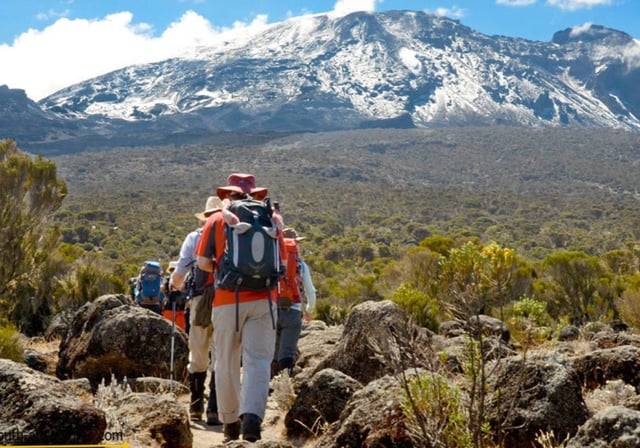
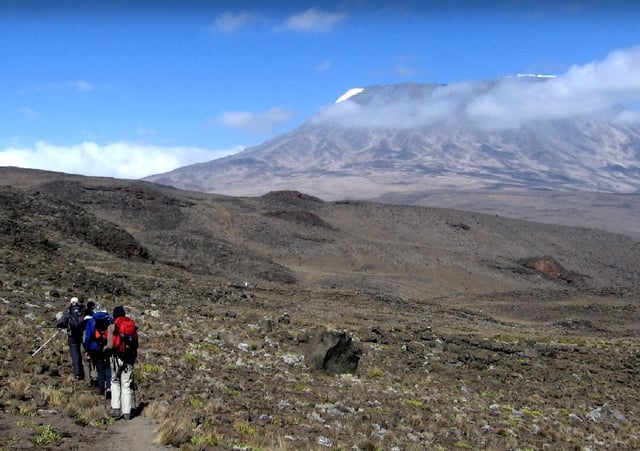
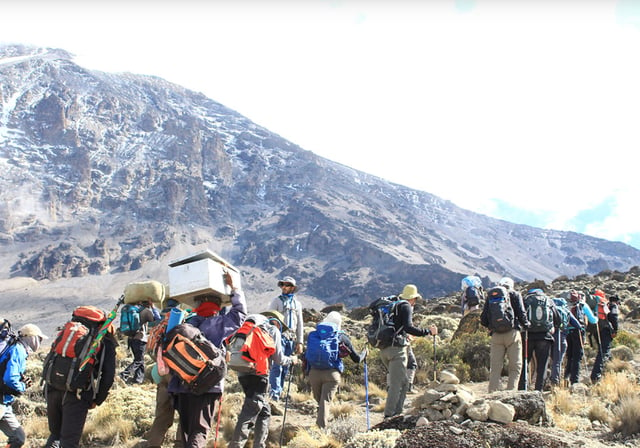
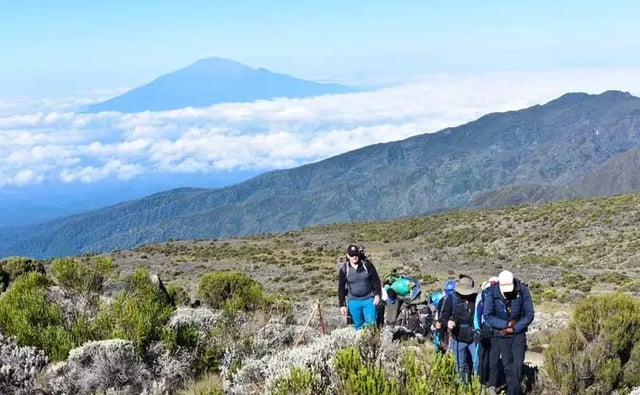
Leaving the forest behind, the trail transitions into open moorland with sweeping views of both Kibo and Mawenzi peaks. The vegetation becomes more sparse, replaced by hardy alpine plants adapted to higher elevations. The climb is longer today, but the terrain is more open and varied.
Arrival at Horombo Hut offers a chance to rest and adjust further to altitude. The remainder of the afternoon is kept relaxed, with time to hydrate, eat, and settle into the higher environment ahead of the acclimatisation phase.
This day is dedicated to helping the body adapt to reduced oxygen levels. A guided short hike leads toward nearby viewpoints such as Zebra Rocks or Mawenzi Ridge, offering elevated perspectives of the surrounding landscape.
Returning to Horombo Hut, the rest of the day is kept light to support recovery. Meals are served early, and preparation begins mentally and physically for the higher sections of the route ahead.
The landscape shifts dramatically into the wide, barren “Saddle” between Kibo and Mawenzi peaks. The terrain becomes drier and more exposed, with long stretches of volcanic ground under open sky. The altitude increase is more noticeable today, so pacing is controlled and steady.
Reaching Kibo Hut marks the final staging point before the summit attempt. An early night is recommended as the ascent begins shortly after midnight, with preparation focused on rest, hydration, and warm clothing for the cold upper section.
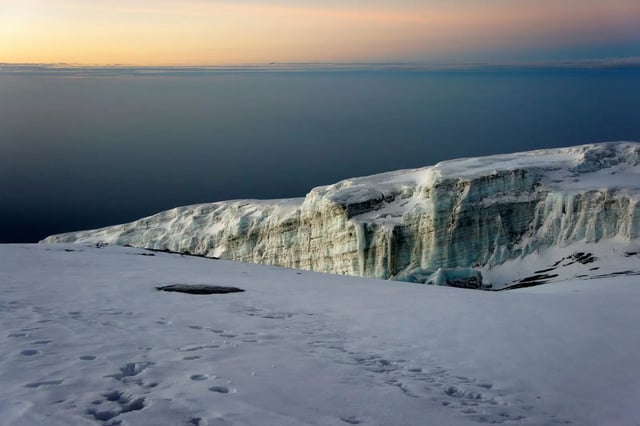
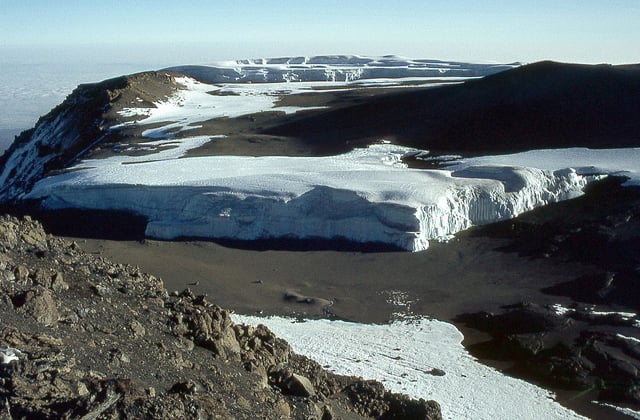
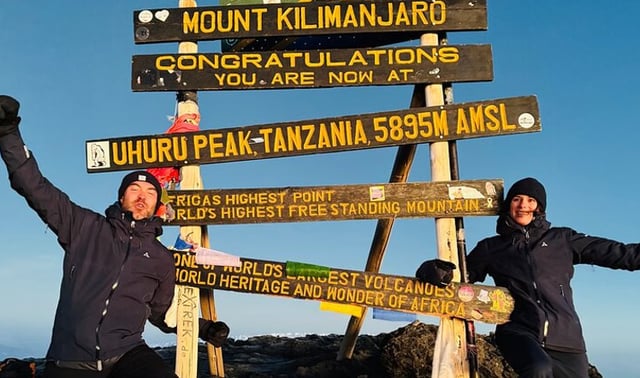
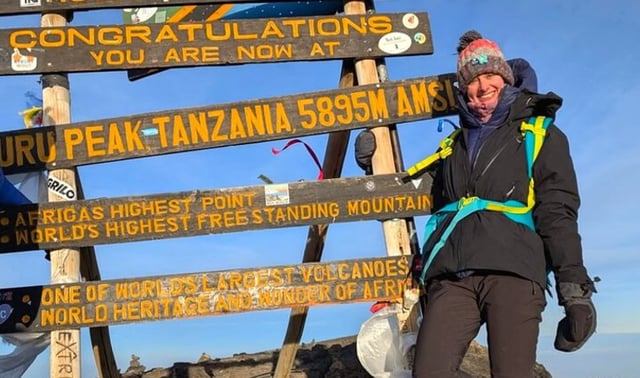
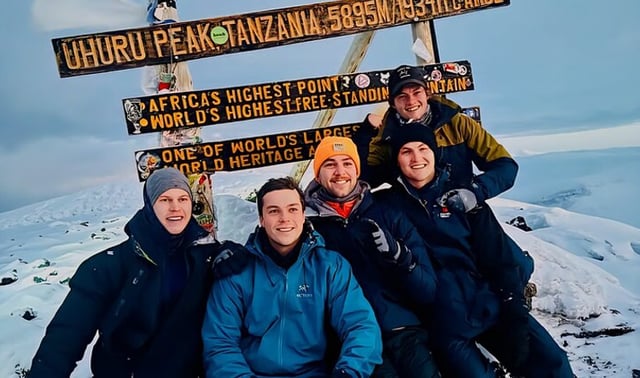
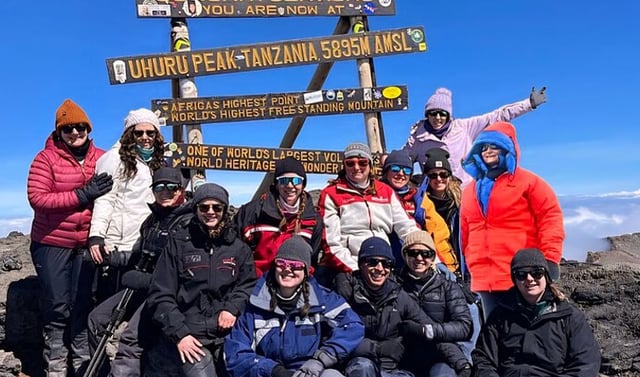
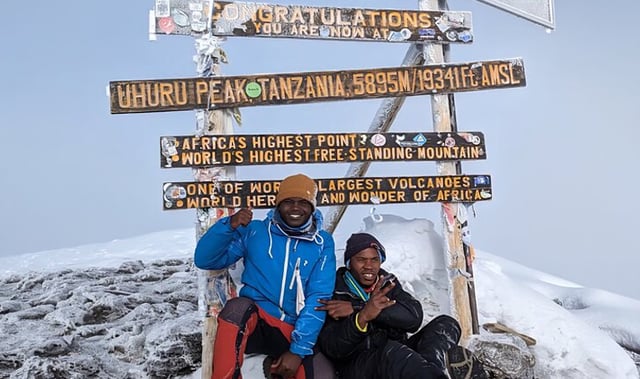
The summit attempt begins in darkness, climbing slowly through loose volcanic scree toward Gilman’s Point on the crater rim. From here, the final section continues along the edge toward Uhuru Peak, where conditions can be cold and exposed but the route remains clearly defined.
After a short time at the summit, the descent begins back to Kibo Hut for rest and a meal before continuing down to Horombo Hut. This is the longest and most demanding day, combining night ascent with a full return descent in one continuous effort.
The final day retraces the route back through moorland and rainforest. As elevation decreases, breathing becomes easier and the landscape gradually returns to dense greenery. The descent is steady, with time to reflect on the previous days.
Arrival at Marangu Gate marks the end of the trek, where completion certificates are issued before transfer back to base accommodation or onward travel. The journey concludes with a return to lower altitude and recovery time after the descent.
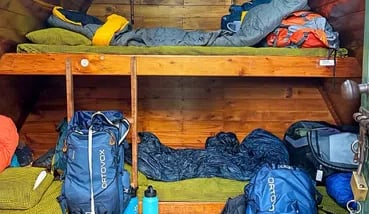
Hut accommodation is used throughout the trek, providing dormitory-style sleeping arrangements at designated mountain stations. These huts offer basic shelter from weather conditions, along with shared dining spaces where meals are served. Facilities become more limited at higher altitude, reflecting the remote nature of the route.
Each overnight stop is designed for rest and recovery between trekking stages. Bedding arrangements are simple, and temperatures drop significantly at night, particularly at higher elevations. Porters manage equipment transport between huts, allowing trekkers to focus on the walking sections each day.
This route is often considered one of the more straightforward approaches due to its established path and hut accommodation. However, altitude remains the main factor affecting difficulty, rather than terrain alone.
The gradual ascent and built-in acclimatisation day help support adjustment, but the summit night still requires sustained effort in low temperatures and reduced oxygen conditions.
Accommodation is provided in shared mountain huts located at key points along the route. These offer basic shelter, sleeping areas, and communal dining spaces.
Facilities are simple and functional, designed to provide rest between trekking stages rather than luxury comfort, with conditions becoming more basic at higher elevations.
Daily health checks are carried out using pulse oximetry to monitor oxygen levels and general condition. Guides are trained to recognise early signs of altitude-related issues.
Emergency oxygen is available if required, and pacing is adjusted based on group condition to support a safer ascent profile.
Meals are prepared by an on-mountain team and provided at each hut stop. Food is designed to be energy-focused, supporting sustained trekking performance.
Water is sourced and treated where necessary, with regular hydration encouraged throughout each day of the climb.
The final ascent begins around midnight on day five to take advantage of colder, more stable conditions on the upper slopes. This timing also allows arrival at the summit around sunrise.
After reaching the peak, the descent continues immediately, with a rest stop at Kibo Hut before continuing down to lower altitude.
Guides monitor all climbers closely and adjust pace or schedule where needed. Mild symptoms are managed through rest, hydration, and controlled descent if required.
More serious cases are treated with oxygen support and immediate descent to safer altitude is prioritised.
No technical climbing experience is needed for this route, but good general fitness is important due to sustained walking at altitude over several days.
Preparation through regular cardio-based activity beforehand is recommended to improve comfort during the trek.
Transfers between arrival points and the trailhead are arranged as part of the itinerary. A briefing is provided before departure to ensure everything is prepared for the trek.
Support continues throughout the journey, with coordination between accommodation, transport, and mountain teams.
About the centre
Moshi
Operated by Hillborn Organic Coffee, a partner of adventuro.
Kilimanjaro & Arusha, Tanzania
From $2800
Kilimanjaro & Arusha, Tanzania
From $2800
Kilimanjaro & Arusha, Tanzania
From $2600
Kilimanjaro & Arusha, Tanzania
From $2600
Kilimanjaro & Arusha, Tanzania
From $80