We partner with Rewilding Britain to help protect our natural spaces for future adventures.
All centres are vetted for safety and quality. Your adventure is in good hands with adventuro.
Paddle the Lower Zambezi on a self-contained canoe safari, camping on river islands through the Mana Pools flood plains with guides who cook while you help set camp. Mornings start early in cooler hours, with shade stops at midday and island overnights under the stars.
This guided canoe expedition follows the Lower Zambezi through flood-plain channels and island camps, with paddling distances set each morning for river conditions. Camp evenings review paddle plans, wildlife near shore, and how the next morning launch fits tide and wind.
Island nights are quiet after paddle days; guides cook riverside meals and review wildlife near camp before dawn launches. You repack dry bags while the team secures canoes on shore.
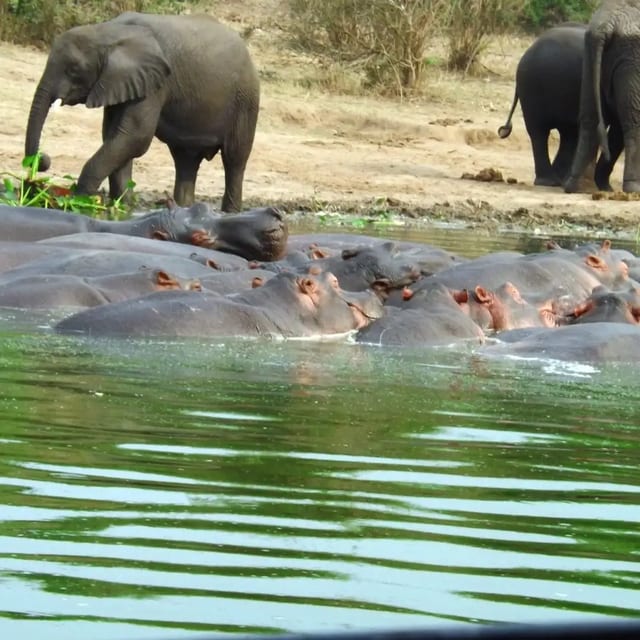
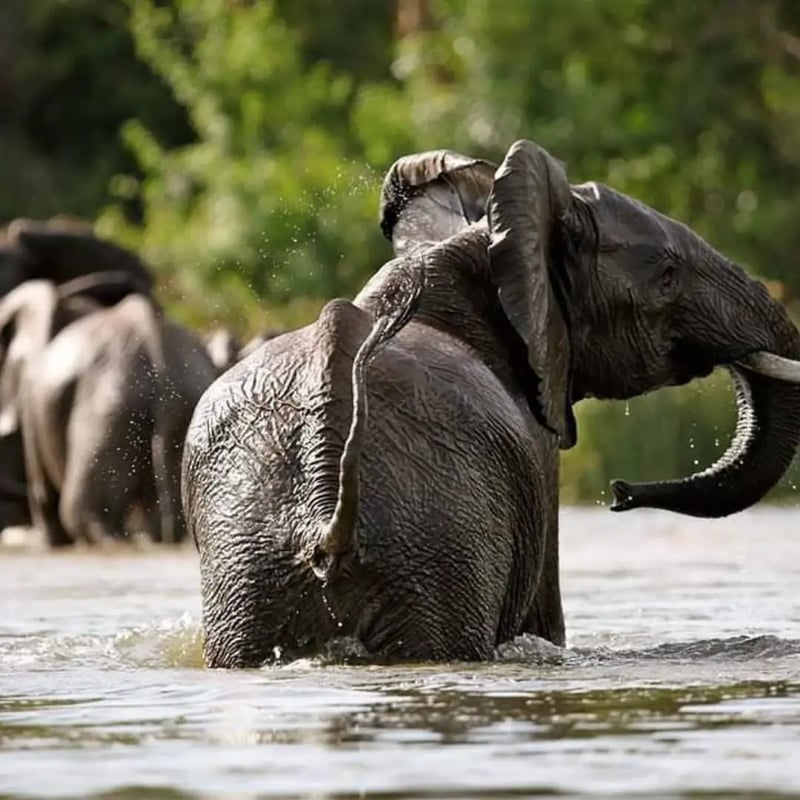
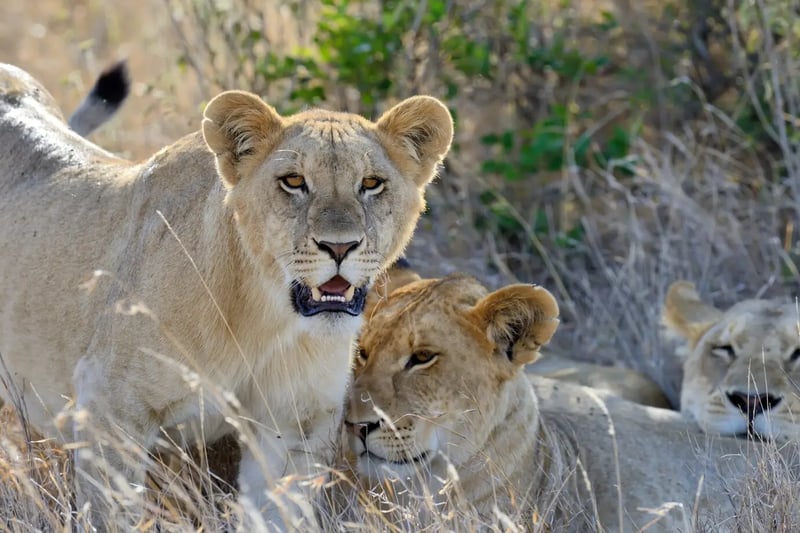
The Lower Zambezi flows through wide flood plains where hippos, elephants, and birds gather along the banks and on the islands you camp on. The Mana Pools region is known for canoe safaris that let you drift close to wildlife from the water, with channels that offer shelter when wind picks up on the main river.
River channels, flood plains, and island beaches define each camp sector on the Lower Zambezi. Scenic stops and comfort breaks are built into longer sealed and park-road transfers on this route.
You should be comfortable sitting in a canoe for several hours and helping with light camp tasks such as tent setup and loading boats. Basic fitness is enough for the daily paddling distances, though summer heat means early starts and rest in shade at midday are part of the routine.
Island camps and open-water paddling need basic balance and willingness to help with light camp chores. Mention any back or shoulder issues in advance so canoe seating and load sharing are planned sensibly.
Experienced river guides lead canoe departures on the Lower Zambezi, setting daily paddle distances from water levels, wind, and camp locations. They share wildlife knowledge from years on the Mana flood plain and handle riverside meals, safety briefings, and camp routines each evening.
Canoes, tents, and kitchen kit travel in the fleet so island and beach camps stay self-contained on the river. You share light camp tasks while guides manage navigation, wildlife interpretation, and evening meals under the stars.
Unless otherwise arranged, depart Zambezi Breezes at Chirundu around 1030hrs after your guide briefing. Paddle about an hour before a riverbank lunch stop, then continue to the first evening camp on Kakomalala Island for a total of roughly 15km through channels with a gentle flow.
Arrive around 1700hrs, set up camp, and settle in for your first night on the river with dinner prepared by the guide team. Comfort stops and lodge check-ins are built into long transfer days on this route.
Tea, coffee, and biscuits from about 0630hrs, then on the water around 0730hrs for a full day covering approximately 25km. Breakfast is served mid-morning, with a long shaded lunch break between 1230hrs and 1430hrs out of the midday sun.
Continue to Magurumeno or Mtondo Island for the night depending on distance covered and weather. Comfort stops and lodge check-ins are built into long transfer days on this route.
Canoe through the lower Zambezi flood plain region with the same daily rhythm as day two, now well into the Mana section of the river. Wildlife along the banks and islands is a highlight as you paddle toward the overnight stop.
Camp on Elephant or Nyamangwe Island depending on progress made during the day. Comfort stops and lodge check-ins are built into long transfer days on this route.
Breakfast on the island, then a leisurely 5 to 7km paddle to the take-out point where support vehicles meet you. Canoes and equipment are loaded for the drive back through a wildlife area and rural villages.
Estimated arrival at Zambezi Breezes around 1430hrs, allowing time to connect to Lusaka while it is still light or to stay an extra night on the Zambezi banks. Comfort stops and lodge check-ins are built into long transfer days on this route.
Trips depart from Zambezi Breezes at Chirundu at 1030hrs on the morning of departure after a briefing with your guide. Return airport transfers between Lusaka and the safari area are included in your safari.
Nights are spent camping on selected islands along the Lower Zambezi as the river flows through the Mana Pools flood plain region. You erect your own tent each evening with bedding sorted from the kit carried in the canoes, while guides prepare meals at the riverside camp. Island stops such as Kakomalala, Magurumeno, Mtondo, Elephant, and Nyamangwe are chosen for shade, distance covered, and river conditions.
Camp life is simple and self-contained: all safari equipment travels in the boats, and you help with loading and unloading canoes and setting up camp. Evenings are under the stars with dinner cooked by the guide team, cordials and treated water supplied, and cooler boxes if you bring your own beverages. This is wild-camping on the river, not lodge accommodation, so expect basic facilities and early starts when temperatures are cooler.
Standard departures start from Zambezi Breezes at Chirundu after a morning briefing with your guide. Return Lusaka airport transfers between Lusaka and the safari area are included in your safari.
Guides set paddle distances from water levels and wind, with camp routines briefed each evening. Comfort stops are built into long road days between parks on this route.
Three meals a day are provided, with cordial soft drinks and treated water on the safari. Cooler boxes are available if you wish to bring your own selection of beverages for the duration of the trip.
Guides set paddle distances from water levels and wind, with camp routines briefed each evening. Neutral clothing and insect repellent help on savanna drives and forest walks alike.
The safari is self-contained with equipment carried in the canoes, including tents and cooking kit for the guide team. You participate in erecting your tent and sorting bedding as part of the daily camp routine.
Guides set paddle distances from water levels and wind, with camp routines briefed each evening. Binoculars and a zoom lens improve wildlife and birding stops along the way.
National park entry fees are excluded and may be payable direct on arrival where applicable. Your safari includes canoeing activities, meals, island camping nights, guides, and the listed transfers.
Guides set paddle distances from water levels and wind, with camp routines briefed each evening. Weather can shift daily plans slightly while keeping the same included activities.
Neutral coloured shorts and T-shirts work best, with a long sleeved shirt and kikoi or sarong for sun protection on your legs. Rafting sandals or canvas shoes are ideal, plus a wide brim hat and sunglasses.
A hat, sunscreen, and insect repellent help on open vehicles, forest walks, and lodge evenings. Your driver-guide stays with the same vehicle so kit and timing stay consistent across the route.
No previous canoe experience is required, but you should be comfortable with long days on the water and basic camp chores. Guides lead the route and prepare meals while you help with tents and loading boats.
Guides set paddle distances from water levels and wind, with camp routines briefed each evening. Photo stops on escarpments and crater viewpoints break up otherwise long transfer legs.
Special diets or allergies need at least two weeks notice because many dinners are pre-cooked and frozen before the safari departs. Without that notice, meals follow the standard safari menu described in the trip notes.
Guides set paddle distances from water levels and wind, with camp routines briefed each evening. Rain gear and a warm layer help on open vehicles and misty forest mornings.
Dry seasons from June to September and December to February often bring lower river levels and cooler mornings for paddling on the Zambezi. The trail still runs in wetter months with adjusted start times and camp choices.
Guides set paddle distances from water levels and wind, with camp routines briefed each evening. Guides carry basic first-aid kits; bring personal medication in your day pack on treks.
Family groups sometimes join private canoe departures when children are old enough for long days on the water and island camping. Minimum ages depend on comfort in a canoe and camp routines.
Guides set paddle distances from water levels and wind, with camp routines briefed each evening. Cultural visits and community walks use modest dress; your host explains local customs beforehand.
Most visitors need a visa for Uganda, Rwanda, or Zambia depending on your route. Check current requirements for your passport nationality before you travel.
Entry rules depend on your passport; hold the correct visa and travel documents before you fly. River levels and wind decide paddle routes; safety briefings cover capsize drills where required.

About the centre
Chirundu
We arrange guided wildlife safaris, primate trekking, and canoe adventures across Uganda and neighbouring East Africa, from short national-park circuits to multi-day lodge-to-lodge journeys. Whether you are planning your first gorilla trek, a birding route through forest and savanna, or a river canoe trail, we shape the trip around how you like to travel and how much time you have.
Our team coordinates airport or hotel pickups, 4x4 road transport, park logistics, and hosting on the ground so you can focus on the experience. We give straight advice on trekking fitness, permit timing, and what to bring, and we stay in touch from your first enquiry through to departure.
Operated by Verdoro Safaris, a partner of adventuro.