
We partner with Rewilding Britain to help protect our natural spaces for future adventures.
All centres are vetted for safety and quality. Your adventure is in good hands with adventuro.
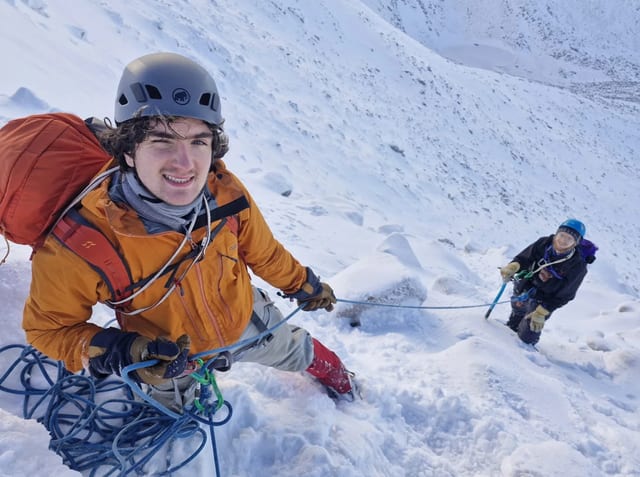
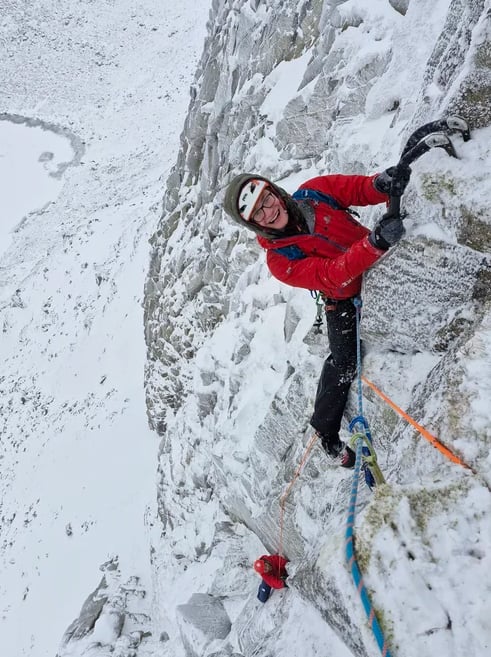
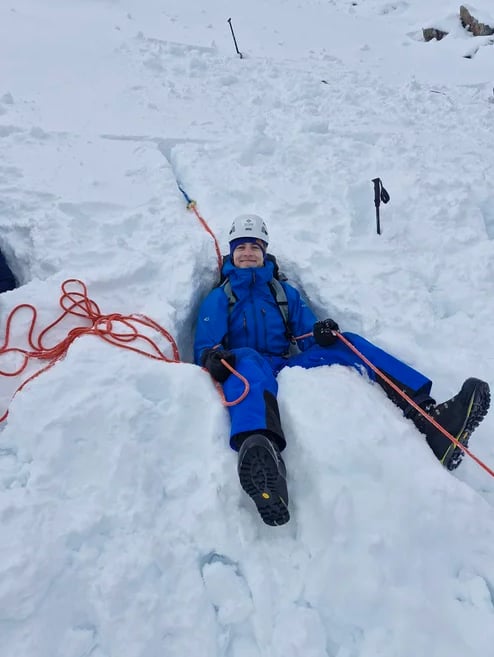
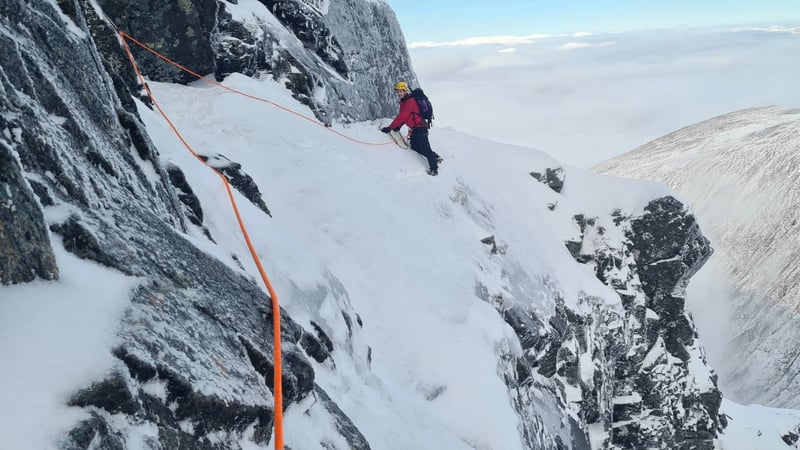
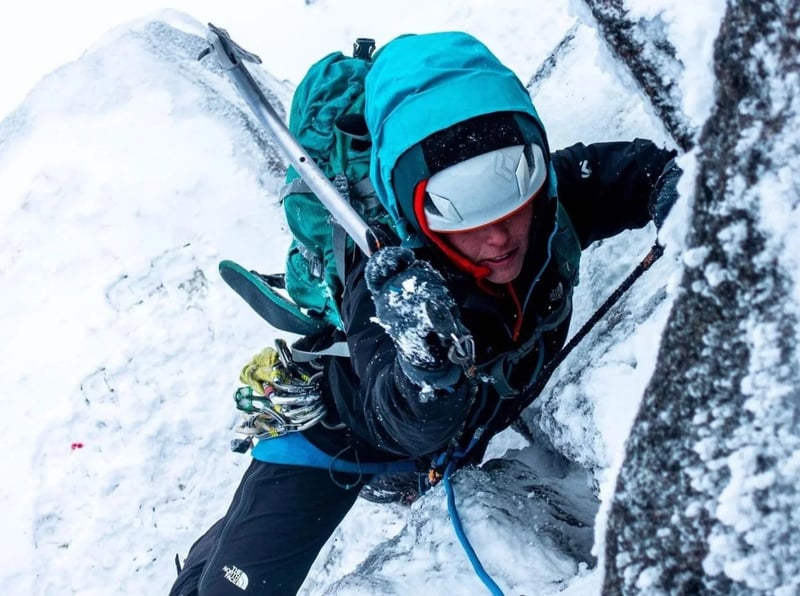
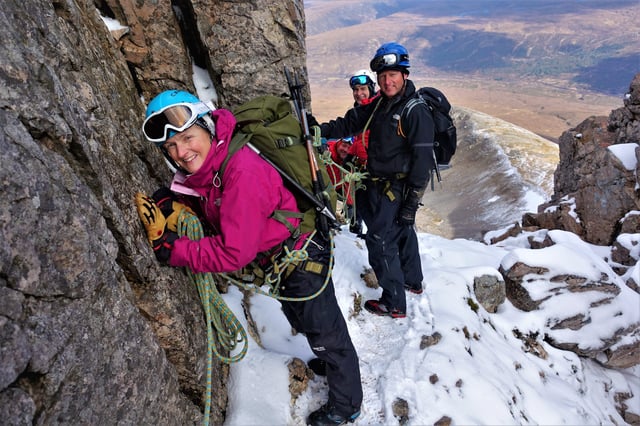
Taking the next step in winter climbing means moving beyond following and into making your own decisions on the mountain. This course is designed to help you build the confidence and judgement needed to lead safely in Scottish winter conditions. With private guiding, every element is tailored to your pace, experience, and progression.
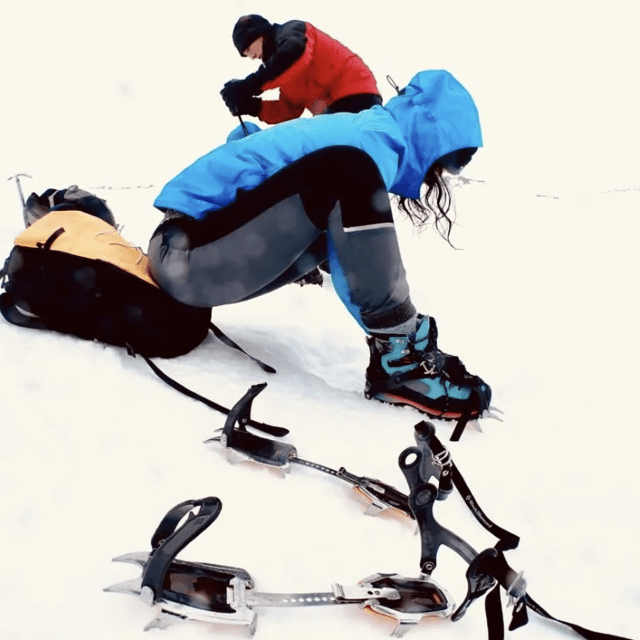
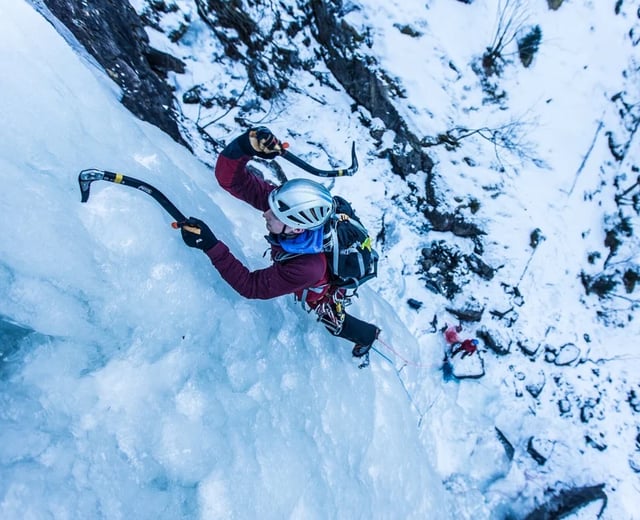
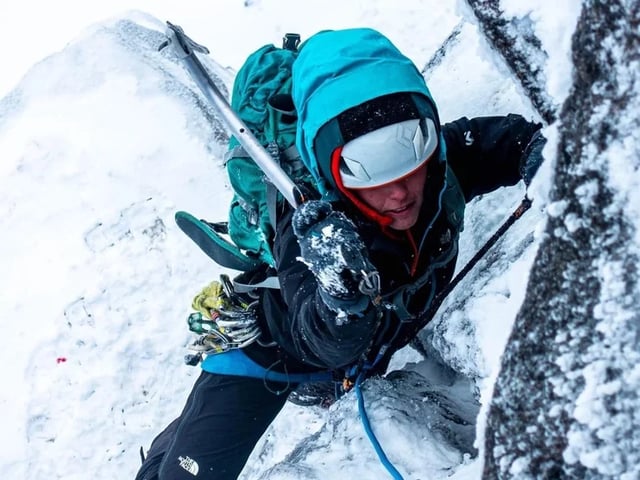
Each day is focused on developing the practical skills required to move into leading winter climbs with confidence. You’ll begin by refining core techniques such as movement with crampons and axes, before progressing into placing protection and building anchors in a variety of winter conditions. The emphasis is on understanding not just how to place gear, but when and why to trust it.
As the course progresses, you’ll take on more responsibility in route choice and decision making. This includes assessing conditions, planning approaches, and managing risk throughout the day. Your guide will provide input and feedback in real time, helping you build a clearer understanding of safe leadership in a winter environment.
Time will also be spent improving efficiency on the rope, including stance management, transitions, and communication. By the end of the course, the aim is for you to feel more capable of leading straightforward winter routes, with a stronger grasp of judgement, systems, and safe progression.
The course takes place across the Scottish Highlands, with venues selected based on snow conditions, weather, and your personal progression. Areas such as Glencoe, Ben Nevis, and the Cairngorms are commonly used depending on where the best conditions are found.
Flexibility is key in winter, so locations may change daily to ensure safe and productive climbing. Having access to your own transport can be useful, although collection from nearby accommodation can often be arranged.
This course is aimed at climbers with prior winter experience, typically at Grade I or II level. You should already be comfortable using crampons and ice axes in a mountain environment.
A strong level of hill fitness is required, along with the motivation to step into a leadership role. This is not suitable for beginners, as the focus is on progressing towards independent climbing rather than introducing basic skills.
All guiding is delivered by fully qualified and experienced mountaineering instructors with strong backgrounds in Scottish winter climbing. Safety and decision making are prioritised throughout, with a clear focus on helping you build confidence in real conditions.
The private format allows the course to be shaped entirely around your progression. Whether you are aiming to lead your first routes or refine your existing systems, the approach is tailored, supportive, and focused on practical development.
You should already have experience climbing in winter conditions, ideally at Grade I or II. This means you are familiar with using crampons and ice axes and have spent time moving on snow and ice in the mountains.
The course builds on these foundations rather than introducing them, so confidence in basic winter movement is essential before progressing into leadership skills.
Yes, the course is designed to move you towards leading, although how quickly this happens depends on your current level and conditions. You may start by practising placements and rope systems before stepping into leading sections.
Your guide will support you closely throughout, ensuring that any leading is introduced in a controlled and safe way with ongoing feedback.
Avalanche awareness forms an important part of the course, especially when discussing route choice and planning. You’ll learn how to interpret conditions and understand how snow stability affects your decisions.
While this is not a full avalanche course, it provides practical knowledge that feeds directly into safe winter climbing.
Routes are chosen based on your ability and current conditions, typically within Grade I to III terrain. The aim is to provide appropriate challenges without pushing into unsafe ground.
You may climb a variety of routes that allow you to practise gear placement, belays, and leadership decisions in different environments.
Yes, placing protection is a key part of the course. You’ll learn how to assess placements in rock, ice, and snow, and understand when they are reliable.
Your guide will check placements and provide feedback so you can improve quickly and build confidence.
Winter climbing is physically demanding due to cold conditions, heavier equipment, and challenging terrain. You should be prepared for full days in the mountains.
A good level of fitness will help you focus on learning rather than fatigue, especially when managing rope systems and technical ground.
About the centre
Inverness
Operated by Highland Climbing Company, a partner of adventuro.
Highlands & Islands, United Kingdom
From £850
Highlands & Islands, United Kingdom
From £570
Highlands & Islands, United Kingdom
From £310
Dalcross, Inverness
From £845
Highlands & Islands, United Kingdom
From £1245
Highlands & Islands, United Kingdom
From £580
Highlands & Islands, United Kingdom
From £775
Highlands & Islands, United Kingdom
From £340
Highlands & Islands, United Kingdom
From £250