
Prêt à trouver un cours ou une séance ?
Le Safety Boat est la formation dont les clubs de voile dépendent discrètement. Vous détenez déjà le Powerboat Level 2. Vous apprenez désormais à récupérer des dériveurs dessalés, à récupérer des véliplanchistes et à coordonner vos actions avec les responsables de course sans devenir vous-même l’incident.
Vous devez comprendre les bases du comportement des dériveurs et des véliplanchistes, car vous ne pouvez pas secourir ce que vous ne reconnaissez pas. Le travail est peu glamour, humide et essentiel. Deux jours sur l’eau alternent les périodes calmes et les brusques poussées d’activité, comme un vrai dimanche au club.
La plupart des clubs demandent ce certificat avant de vous laisser piloter un bateau de sécurité lors des journées juniors ou des régates. C’est normal, et non un caprice bureaucratique. Portez le coupe-circuit. Les instructeurs le répètent jusqu’à ce que cela devienne un réflexe, puis vous observent le faire respecter sur des parcours de course très fréquentés.
Le Safety Boat est évalué en continu par votre instructeur RYA sur l’eau pendant les deux jours.
Il n’y a pas d’examen écrit. Une maîtrise hésitante près de jeunes dessalés met fin à l’évaluation plus vite qu’une lacune théorique.
Réponses rapides sur cette qualification. Pour toute autre question, utilisez le chat en direct ou parcourez les activités réservables ci-dessous.
Trouver des activitésCette formation apprend aux pilotes de bateaux à moteur à assurer la couverture de sécurité des activités de voile et de planche à voile. Vous apprenez les approches de sauvetage, le remorquage et la gestion de flotte sur un parcours encombré, depuis un semi-rigide ou un bateau de sécurité du centre.
Ce n’est pas une formation générale de pilotage avancé. Tout sert à récupérer les autres embarcations et à maintenir les personnes en sécurité dans l’eau près de votre hélice.
Powerboat Level 2 et compréhension de base des dériveurs et des véliplanchistes. Faire du bénévolat au club avant la formation est extrêmement utile.
Si vous n’avez jamais vu de dessalage, passez d’abord une journée dans votre club de voile. Laissez un commentaire lors de votre réservation en indiquant votre expérience de la voile afin que le centre connaisse votre point de départ.
Deux jours, principalement sur l’eau. Attendez-vous à de longues périodes d’attente suivies de brusques poussées d’activité, comme un vrai dimanche au club lorsque le vent se lève après le déjeuner.
Apportez de la nourriture, de l’eau et des vêtements imperméables. Les pilotes de bateaux de sécurité sont mouillés même lorsqu’ils restent dans le semi-rigide et n’ont jamais l’intention de nager.
Évaluation pratique continue. Votre instructeur valide vos compétences de sauvetage et de manœuvre lorsque vous atteignez le standard RYA Safety Boat pendant les deux jours.
Aucune épreuve écrite. La communication et le jugement sont observés aussi attentivement que la conduite près de jeunes dessalés dans l’eau.
Oui. La réglementation RYA exige Powerboat Level 2 avant le Safety Boat. Aucun raccourci ne remplace la bonne volonté du club.
Une mention côtière sur le Level 2 est judicieuse si votre club navigue en zone soumise aux marées, avec des courants et des chenaux très fréquentés.
Équipement complet imperméable, chaussures antidérapantes, gants et tenue de rechange. Les centres fournissent des aides à la flottabilité adaptées à la pratique du bateau à moteur.
Des lunettes de soleil sont utiles les jours de forte réverbération. Un chapeau qui tient en place dans le vent vaut bien plus que vous ne le pensez lorsque vous êtes face au vent pendant des heures.
Seize ans. Les clubs peuvent fixer des limites plus strictes pour les missions de sécurité junior sur leurs propres plans d’eau ou selon les conditions de leur assurance.
L’accord parental s’applique aux moins de dix-huit ans dans la plupart des centres de formation. Demandez à votre référent chargé de la protection des pratiquants ce qui est attendu localement.
Le RYA Safety Boat est le standard national que la plupart des clubs affiliés reconnaissent pour la couverture de sécurité lors des journées de formation et de course.
Les clubs peuvent demander une familiarisation supplémentaire avec leur plan d’eau, leurs embarcations et leurs procédures radio. Laissez un commentaire lors de votre réservation si vous avez besoin d’une formation près de votre club.
Les instructeurs Powerboat titulaires du Safety Boat peuvent l’enseigner sous l’autorité du centre. C’est par cette formation que vous obtenez d’abord le certificat.
Les entraîneurs principaux des clubs détiennent souvent les deux qualifications. Les autorisations d’enseigner doivent tout de même être validées par le responsable principal de chaque centre.
Oui. La récupération des véliplanchistes fait partie du programme essentiel. Les techniques diffèrent du travail avec les dériveurs, car la planche, le pratiquant et le gréement se séparent souvent dans l’eau.
Entraînez-vous jusqu’à pouvoir expliquer la séquence sans réfléchir. Le jour d’une course n’est pas le moment d’improviser une méthode de récupération près d’une côte sous le vent.
adventuro répertorie RYA centres proposant le Safety Boat dans des clubs de voile et des écoles côtières partout dans le pays.
Réservez tôt au printemps si vous souhaitez être bénévole lors des régates estivales. Les formations affichent complet lorsque les clubs constituent leur équipe de sécurité avant leur première journée portes ouvertes.

Acquérez des compétences essentielles en safety boat grâce à notre formation RYA, idéale pour l’accompagnement des dériveurs, véliplanchistes et canoéistes, avec des techniques de sauvetage avancées et la restauration. À partir de 16 ans, formation de 2 jours.
À partir de £ 260
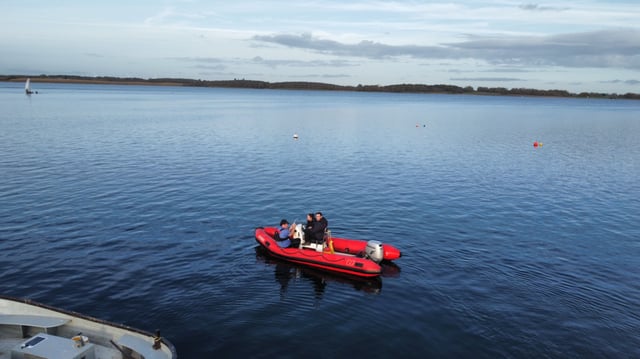
Gain essential safety boat skills with our RYA Safety Boat Course at in Cambridgeshire. Perfect for dinghy, windsurfer, and canoe rescue. Book now!
À partir de £ 211

Gain essential skills for providing safety cover on the water. Learn rescue techniques for various watercraft with hands-on training at Brighton Marina.
À partir de £ 399

Apprenez les compétences essentielles en matière de sauvetage et de sécurité de flotte lors de cette formation de 2 jours RYA Safety Boat. Idéal pour les missions de sauvetage au sein d’un club ou pour progresser vers le statut d’instructeur principal £360pp
À partir de £ 360