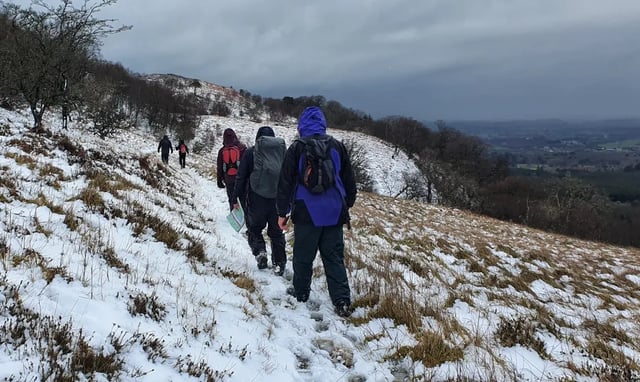
Lowland Leader is Mountain Training's qualification for leading day walks on marked paths in countryside and woodland. It suits outdoor educators, DofE leaders and anyone who guides groups on accessible trails rather than remote mountain ridges. You learn to plan routes that stay within defined lowland terrain, manage a group on the move, and navigate when the mist drops on a forest track.
The scheme splits into two days of training and two days of assessment, usually separated by a consolidation period logged in DLOG. Candidates register from 17 with ten varied lowland walks or a completed Hill Skills course. Assessment expects twenty quality lowland days plus sixteen-hour outdoor first aid completed in person.
Assessment days feel like real leading work, not a trick exam. Partial reassessment is possible if one element needs more polish. That is normal on leadership schemes. Lowland Leader is often the first paid walking qualification before Hill and Moorland Leader for staff who later move into upland terrain.