
Ready to find a course or session?
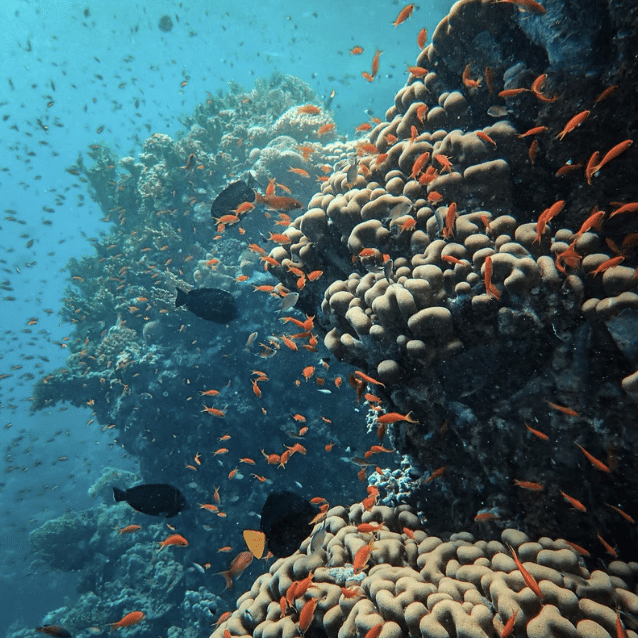
Coral Reef Conservation is the PADI specialty for anyone who loves the ocean but does not need to strap on a tank to make a difference. Reefs support a staggering share of marine life, yet they face pressure from warming seas, pollution and careless human contact. This course explains how reefs work, why they matter and what you can do on holiday, on the beach or from your sofa.
There is no diving required. Snorkellers, paddleboarders, divers and curious landlubbers sit in the same classroom. You leave with a clearer picture of reef ecology and practical habits that reduce your footprint when you visit tropical coasts or temperate rocky reefs.
Most centres run it as a half-day or evening workshop, sometimes paired with a reef-friendly shore walk or snorkel if local conditions allow. The certification is knowledge-only, which makes it an easy add-on before a diving holiday or a family trip to the tropics.
This is a non-diving specialty assessed through knowledge development, not in-water skills.
Quick answers about this qualification. For anything else, use live chat or browse bookable activities below.
Find activitiesIt is a non-diving PADI specialty that teaches how coral reef ecosystems work, why they are under pressure and how individuals can help protect them. You do not need scuba certification to enrol.
Divers often take it before a tropical trip. Non-divers take it for the same reason: to understand what they are looking at when they snorkel or visit marine parks.
No. The course has no in-water training requirement for certification. Snorkellers, paddleboarders and anyone curious about reefs are welcome.
If you are a certified diver, the knowledge pairs well with Peak Performance Buoyancy or reef diving holidays where good trim matters.
Typically two to four hours of instruction. Some centres run a single classroom session; others spread it across an evening or add an optional shore visit.
Because there are no dives, it is easy to fit around a busy holiday schedule.
There is no formal exam. You complete knowledge reviews and discuss topics with your instructor until the learning objectives are met.
The goal is understanding and behaviour change, not passing a written paper under exam conditions.
Not for certification. Some centres optionally combine the course with a reef-friendly snorkel or shore walk, but that is provider-dependent.
Leave a comment when you book if you want a classroom-only session or if you hope to join a field activity.
Yes. Coral Reef Conservation is one of the specialty certifications that can count toward PADI Master Scuba Diver recognition, alongside the other ratings and experience requirements PADI specifies.
You still need the core certifications and logged dives Master Scuba Diver demands. This course is one piece of that puzzle.
Notebook or phone for notes, water and whatever you need for a comfortable classroom session. For optional shore visits, bring sun protection and footwear suitable for rocky beaches.
If your centre supplies eLearning access, complete it before arrival so you can focus on discussion.
PADI does not set a minimum age for this non-diving specialty. Centres may set their own classroom minimums.
Ask when you book if you are enrolling a family. Many instructors adapt examples for younger participants.
Coral Reef Conservation focuses on ecosystem function, threats and protection. Fish ID specialties focus on recognising species.
They complement each other on reef holidays. Some divers take both before a liveaboard trip.
Visit reefs and marine parks with a clearer sense of what you are seeing and how to avoid harm. Pair the knowledge with in-water training such as Open Water Diver if you are not yet certified.
Certified divers often follow with buoyancy or photography specialties before travelling to coral destinations.
adventuro lists PADI centres offering Coral Reef Conservation in classrooms, online and at holiday destinations. Compare whether eLearning fees and optional field trips are included.
Leave a comment when you book with your travel dates if you want examples tied to reefs you plan to visit.