
What to wear canyoning: UK kit guide (ghyll scrambling & gorge walking)
UK canyoning, ghyll scrambling and gorge walking all mean hours in cold mountain water, slick rock, and tight jumps. The wrong clothes do not just feel miserable: a cotton hoodie under a borrowed wetsuit, jewellery snagging on an abseil rope, or trainers with no grip are the reasons guides pause the briefing and ask you to change.
This guide covers what to wear canyoning in the UK when you book a guided session on adventuro. The name on the listing changes by region; the kit logic does not. Read the kit section before you travel. Some centres want swimwear under their wetsuit. Others loan everything except underwear and a towel.
At the car park I check three things: whether the wetsuit zips over what you are wearing, whether your shoes will stay on in a plunge pool, and whether your phone is still in your pocket.
What to wear canyoning: the short answer
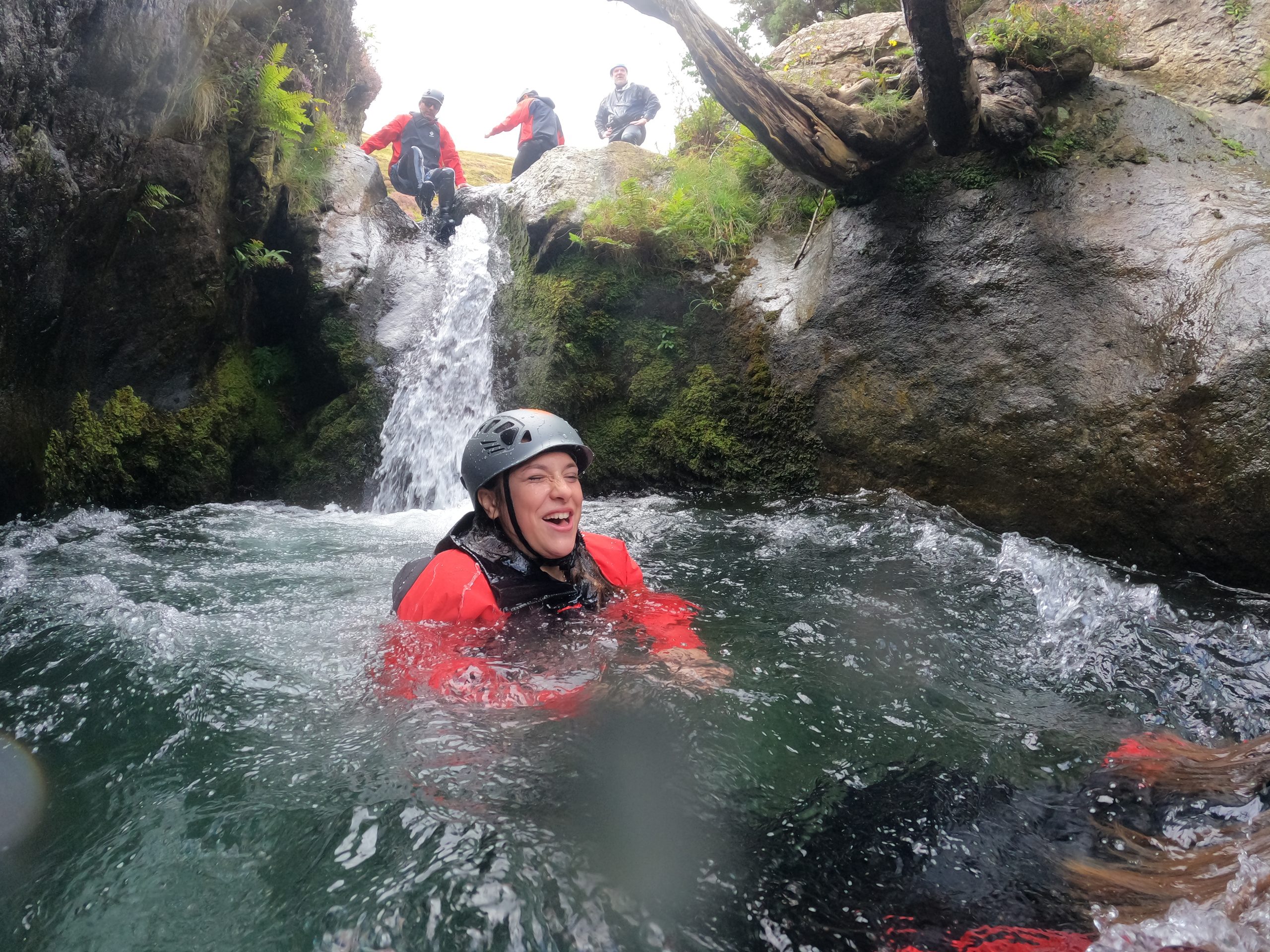
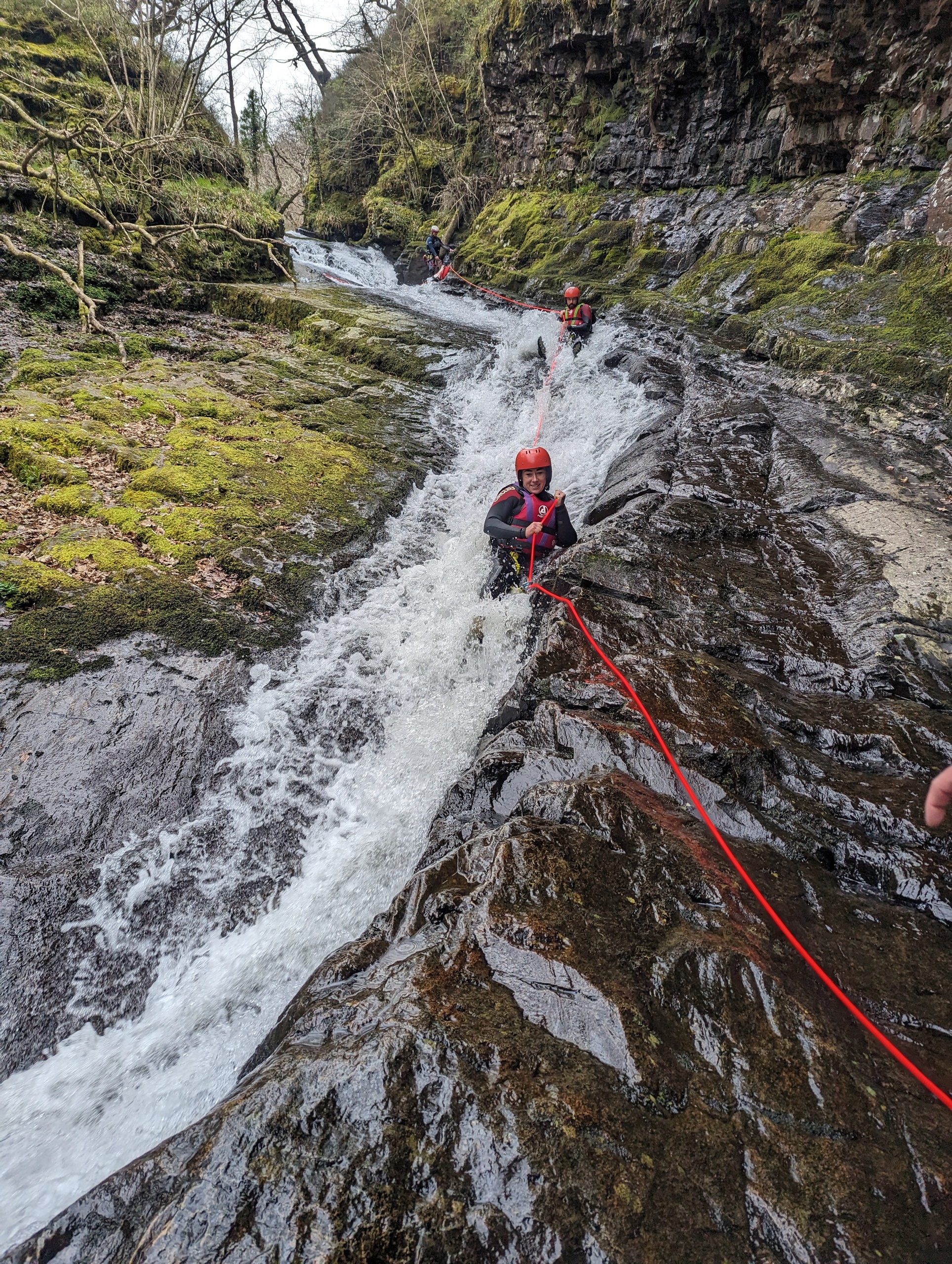
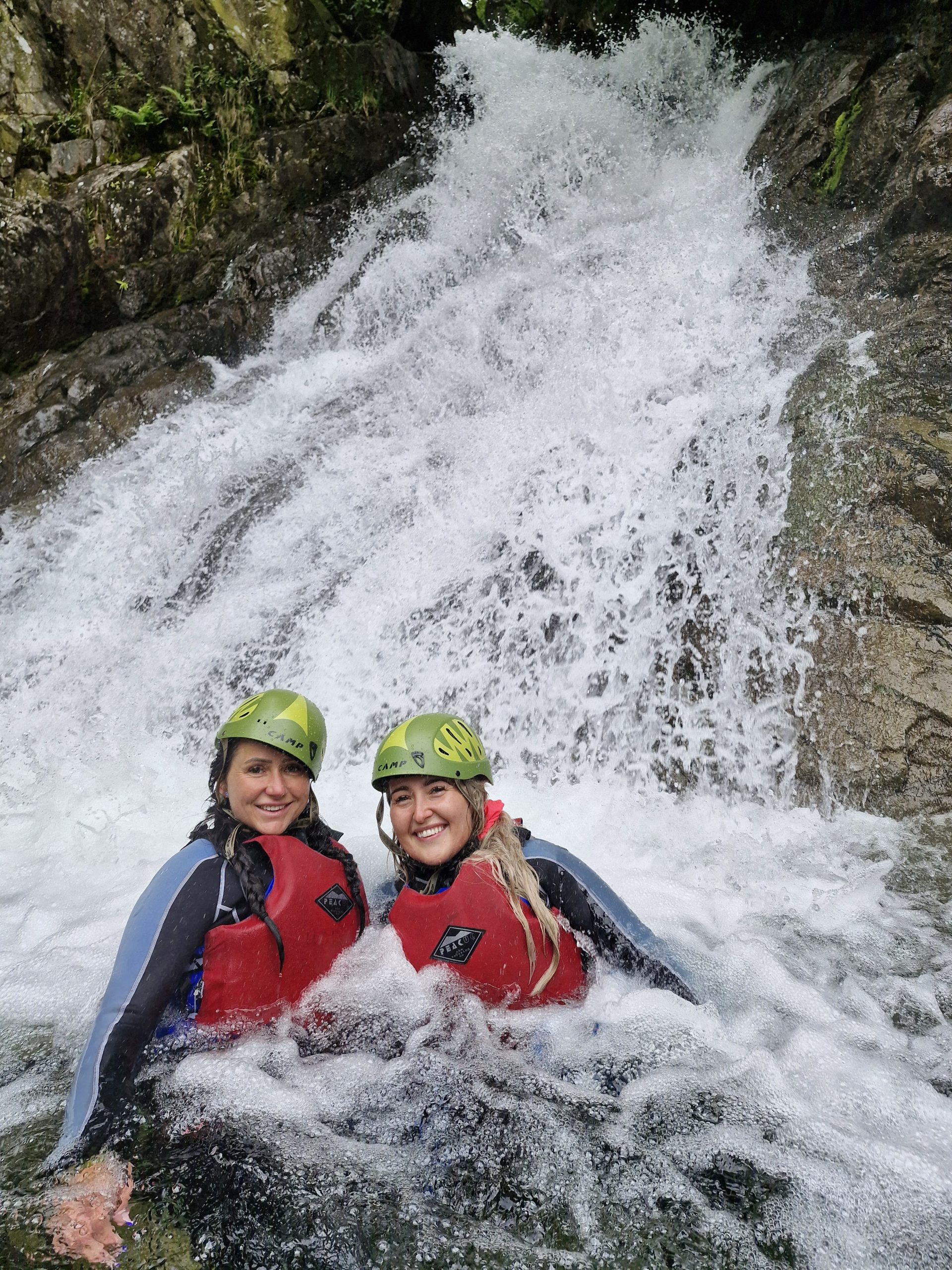
Dress for full immersion, not the valley forecast. On a guided session you will usually wear a centre-supplied wetsuit, helmet, and buoyancy aid, with neoprene socks or old trainers you do not mind destroying. You bring swimwear or quick-dry base layers, a towel, warm clothes for after, and secure footwear if the centre asks you to provide shoes.
| You wear (typical) | Centre often supplies |
|---|---|
| Swimwear or synthetic base layer under the suit | Full wetsuit (3 mm to 5 mm) |
| Old trainers or neoprene boots with grip | Helmet and buoyancy aid |
| Optional thin synthetic leggings under the suit in spring | Harness, ropes, and group safety kit on technical routes |
| Warm layers and dry shoes in the car | Sometimes gloves or socks; check the listing |
If you are choosing between activities, our canyoning vs coasteering guide explains which one to book first. The clothing overlap is real, but coasteering adds tidal timing and barnacle scrapes; canyon days are freshwater, shaded ghylls, and more time in a wetsuit zip.
What your guide usually provides
Most beginner and improver canyon sessions on adventuro include the technical kit: wetsuit, helmet, buoyancy aid, and the hardware for jumps, slides, and abseils. Centres running something like Church Beck Coniston canyoning in the Lake District (from £70, about 3 hours, ages 8+) or canyoning at Prysor Canyon, Snowdonia (from £75, ages 12+) expect you in swimwear or a thin synthetic layer underneath, not street clothes.
What varies is footwear. Some operators issue neoprene socks and want you in their wetsuit boots; others ask you to bring old trainers with a decent sole that can be worn in the water. The listing is the source of truth. If it says trainers required, do not pack flip-flops and assume the centre will swap them.
Group sizes and duration change how long you stay wet. A **3-hour Stoney Croft session near Keswick](/courses/3-hour-canyoning-adventure-at-stoney-croft-keswick-newlands-valley/) (from £70, ages 12+) is a sustained wet morning; plan your warm layers for after as carefully as your base layer underneath.
What you should bring (and leave at home)
Bring
- Swimwear or a synthetic base layer (no cotton) to wear under the wetsuit
- Towel and a complete dry change including underwear, socks, joggers or trousers, fleece, and a waterproof if the walk back to the car is exposed
- Old trainers with grip, if the listing says you supply footwear; trail-running shoes with drained mesh often work better than smooth-soled gym trainers
- Spare contact lenses or sport strap glasses if you must wear specs; discuss with the centre before booking
- Reusable water bottle and a snack for after; you burn more calories than you notice in cold water
- Sun cream on summer gorge days; UV still reaches shaded ghylls on clear afternoons
Leave at home
- Jeans, hoodies, and cotton leggings under or instead of a wetsuit; they hold water, chill you on the walk out, and slow the briefing
- Jewellery, watches, and metal piercings you cannot remove; cold fingers swell, and rings do not come off easily once wet
- Phones and keys in pockets; use a locked car or a centre locker if offered. Waterproof pouches still get dropped in plunge pools
- Flip-flops and sandals for the activity itself; they come off on the first slide
- Brand-new white trainers you care about; dye from the gorge and abrasion from rock are part of the day
Footwear, layers and socks
Footwear is the item most likely to get you sent back to the car. You want something that stays on your foot, drains, and grips wet rock. Dedicated canyoning shoes exist, but most UK taster sessions work with old trainers or centre boots. Avoid anything with a smooth sole; wet limestone and sandstone polish faster than you expect.
Layers under the wetsuit: one thin synthetic or merino layer is enough for most UK sessions. Two bulky layers make the zip fight you and trap cold flushes when you jump. In late spring or autumn, some guides suggest thin synthetic leggings under the suit; ask when you book rather than guessing.
Socks: neoprene socks under a wetsuit boot stop rub on long abseils. Cotton sports socks ball up and blister when wet.
Ghyll scrambling and gorge walking: same kit, different names
In Cumbria you will hear ghyll scrambling; in North Wales many centres say gorge walking; canyoning often implies more jumps, slides, and rope work. For what you pack, treat them as the same family: wetsuit day, helmet day, expect to swim.
The naming history and regional habits are worth a separate read: ghyll scrambling vs gorge walking. This post stays on kit, not taxonomy. If a listing title says gorge walking but the photos show jumps and abseils, still pack for a full wet session.
Summer vs cooler water
Air temperature lies. A warm August valley can still feed a 12 to 15°C pool at the first jump. UK freshwater is cold enough for cold water shock on an unexpected plunge, even in summer. That is why centres insist on a full wetsuit for most sessions, not a shorty and optimism.
| Season | What changes for you |
|---|---|
| Summer (June to August) | Thinner base layer; still bring warm clothes for after; sun protection on neck and ears |
| Spring and autumn | Add a thin synthetic layer under the suit; pack a hat and fleece for the drive home |
| Early season or heavy rain | Water volume rises; sessions may reschedule for safety. Bring full dry kit in a waterproof bag in the car |
Mountain water levels also affect minimum ages and fitness on the day. A session rated ages 8+ on Gorge Walking Adventure in Llangollen (from £65) still needs confident swimming in moving water; older minimums on harder canyons such as Prysor reflect longer swims and bigger jumps.
Example UK sessions to book
Use these as regional examples, not a ranked list. Pick the location that matches your trip, then read the kit section on that listing.
| If you want… | Book |
|---|---|
| Lake District ghyll and canyon water near Keswick | Canyoning adventure at Stoney Croft (from £70) |
| Classic Coniston jumps and slides | Church Beck Coniston canyoning (from £70) |
| North Wales gorge walking day | Gorge Walking Adventure in Llangollen (from £65) |
| Snowdonia canyon with longer swims | Canyoning at Prysor Canyon (from £75) |
Bank holidays and school holidays fill fast on the popular Lake District and Snowdonia dates, so check availability early if your weekend is fixed.
Browse canyoning on adventuro → · New to the sport? Start with canyoning vs coasteering: which first?.
More kit guides: hiking · kayaking · paddleboarding
🌿 A portion of adventuro bookings supports conservation through our partnership with Rewilding Britain.
Common mistakes to avoid
- Cotton under the wetsuit: it stays wet against your skin for the whole session and chills you on the walk out
- Turning up in jeans: they do not go under a suit, and changing in a car park wastes group time
- Assuming the centre supplies shoes: read the listing; trainer requirements are common
- Keeping your phone in a zip pocket: it will get wet; leave it locked in the car
- Skipping the warm layer after: shivering through checkout is avoidable with a dry fleece waiting in the boot
FAQs
Do I need my own wetsuit for canyoning in the UK?
Usually no on a guided adventuro session. Centres supply a full wetsuit sized at the briefing. You bring swimwear or a thin synthetic base layer underneath. Buying your own suit only pays off if you canyon or surf regularly outside booked days.
What shoes are OK for gorge walking?
Old trainers with a grippy sole, neoprene boots, or centre-issued canyoning shoes as specified on the listing. Smooth gym soles slide on wet rock. Flip-flops and sandals are not suitable. If the operator asks for your own trainers, expect them to get scratched and waterlogged.
What does the centre provide vs what should I pack?
Provided (typical): wetsuit, helmet, buoyancy aid, ropes and hardware on technical sections. You pack: base layer, towel, full dry change, footwear if required, water, and any personal medication. The listing overrides this table.
Can I wear glasses or contact lenses canyoning?
Discuss with the centre before you book. Contacts are common; bring spares in a dry bag in the car. Glasses need a secure strap and expect spray; some guides prefer contacts because helmets fit more cleanly. Never wear glass lenses without a strap.
What about jewellery, phones and valuables?
Remove jewellery that cannot come off easily. Leave phones, keys, and wallets in a locked car or centre locker. Even waterproof cases get lost on jumps. Metal rings are a snagging hazard on abseils.
Is the kit different for ghyll scrambling and gorge walking?
No meaningful difference for a booker packing a bag: wetsuit, helmet, buoyancy aid, and the same after-session dry clothes. The words describe regional naming and route character more than a separate wardrobe. See ghyll scrambling vs gorge walking for how operators use the terms.
What should I wear canyoning in summer vs cooler months?
Same core kit: full centre wetsuit and helmet. In summer, use a lighter base layer and prioritise sun protection and hydration. In spring and autumn, add a thin synthetic layer under the suit and pack warmer clothes for after. Water temperature matters more than the air reading on your weather app.
Does minimum age change what I pack?
Age limits reflect route difficulty, not a different outfit list. Family-friendly 8+ sessions such as Church Beck or Llangollen gorge walking still need swimwear, towel, and dry clothes sized for children as well as adults. Harder canyons with 12+ minimums may involve longer cold swims; bring extra warm layers for young teenagers who cool down fast after exiting the water.