
The Science Behind Adventure Sports: Stronger Mind, Fitter Body
For years, humans have been drawn to challenge and exploration. We push boundaries not just for the thrill, but also for something deeper: the joy that comes from testing our limits and finding out what we can really do. Adventure sports offer more than just fun. In fact, they provide a path to personal growth. They are proven ways to better health, sharper minds, and deeper happiness. From new hikers to expert rock climbers, everyone can enjoy these amazing benefits. Before we help you find the perfect adventure sport, let’s look at why these activities create such big mental and physical changes.
Feel-Good Chemicals in Action
When you stand at the edge of a cliff, your heart pounds and adrenaline flows. This isn’t just excitement; it’s your body and mind going through a powerful change. Harvard Medical School research shows that high-energy activities release endorphins and dopamine. As a result, this creates what scientists call a “natural high” that can lower stress[1]. When you paddle through rapids or climb a rock, your brain enjoys its own party with these happy chemicals. Fortunately, this feeling isn’t temporary.
Cut Stress and Build Focus
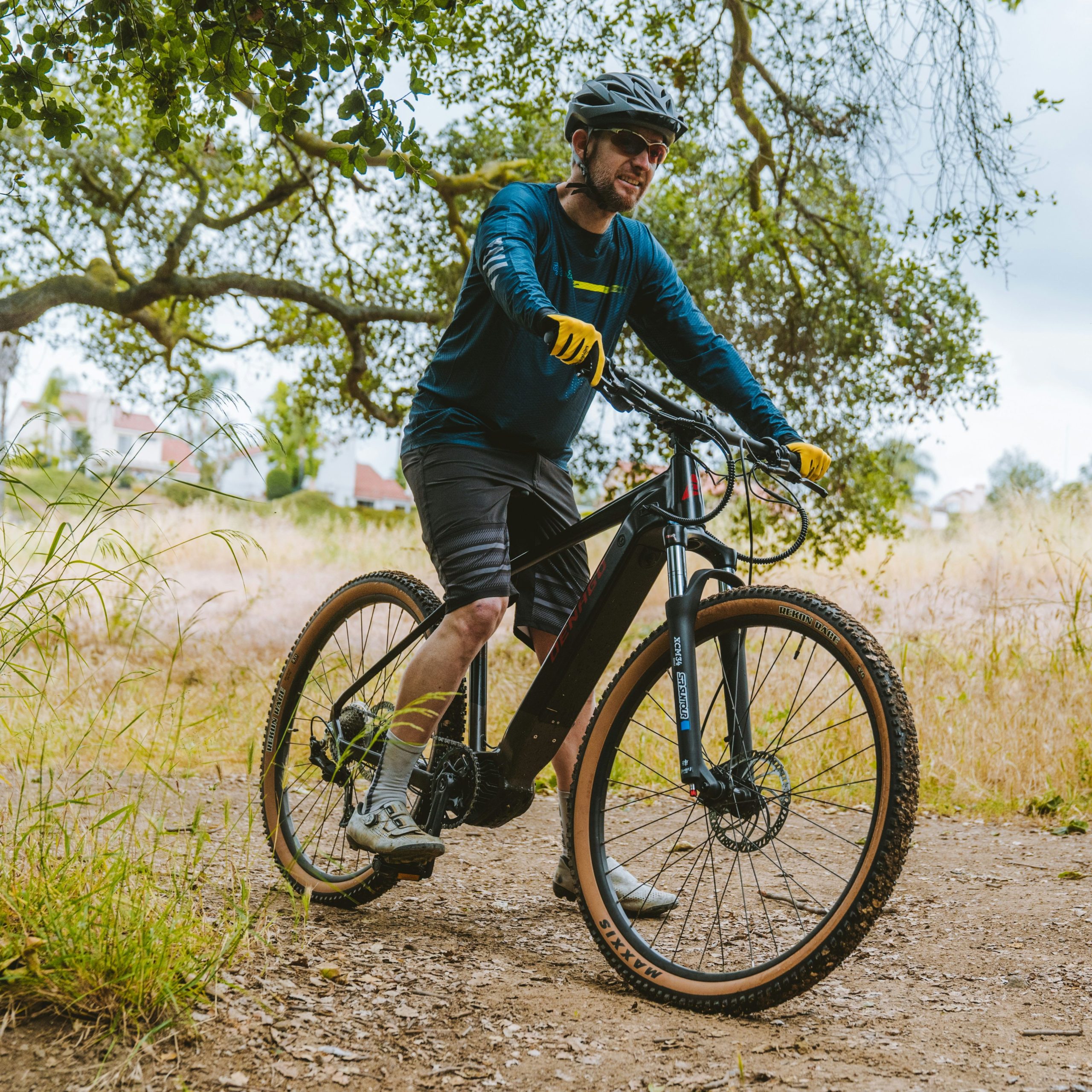
Stanford University researchers found that adventure in nature reduces cortisol (your stress hormone) levels by 16%[2]. So, that mountain bike ride is washing away stress that harms your body and mind.
Want to see how adventure sports affect your focus? Try climbing or kayaking and write down how you feel before and after. Then, compare after a month to see the difference!
Mental Resilience and Growth
Adventure sports build amazing mental toughness. Moreover, research in the Journal of Cognitive Enhancement showed that people who often take on physical challenges make better decisions under pressure. They also solve problems better, think more flexibly, and focus more clearly[3]. These skills help in your career, relationships, and personal growth. Furthermore, outdoor sports boost self-esteem by 10% more than indoor workouts, which helps mental wellbeing[4]. So why not take the leap?
How Risk-Taking Helps Your Brain
What happens in your brain during adventure sports goes beyond simple fun. First of all, scientists have found that controlled risk-taking activities wake up the brain’s prefrontal cortex. This area handles complex decisions and emotions[5]. This activity strengthens brain pathways linked to resilience, basically “training” your brain to handle stress better in all parts of life.
Dr. Kelly McGonigal, health expert at Stanford University, explains: “What we’re finding is that the same systems that help people thrive during physical challenges also help them during emotional challenges. In other words, the body doesn’t really tell these different types of stress apart”[6].
Build Endurance and Strength
The physical benefits of adventure sports are impressive. They strengthen your heart and muscles while protecting you from diseases. Consequently, they build your physical endurance. According to a study by BMJ Military Health Journal, injured military personnel who tried adaptive adventure sports showed 35% better wellbeing[7]. Their confidence grew significantly, and these positive changes lasted long after the activities ended. This finding matters a lot for recovery medicine. The mix of nature, physical challenge, and achievement seems to speed up both physical and mental recovery from injury or illness.
Functional Fitness that Matters
The British Heart Foundation reports that regular physical activity cuts heart disease risk by up to 35%[8]. According to the National Strength and Conditioning Association, activities like rock climbing develop practical strength that improves coordination and muscle endurance[9].This happens because adventure sports typically use multiple muscle groups working together.
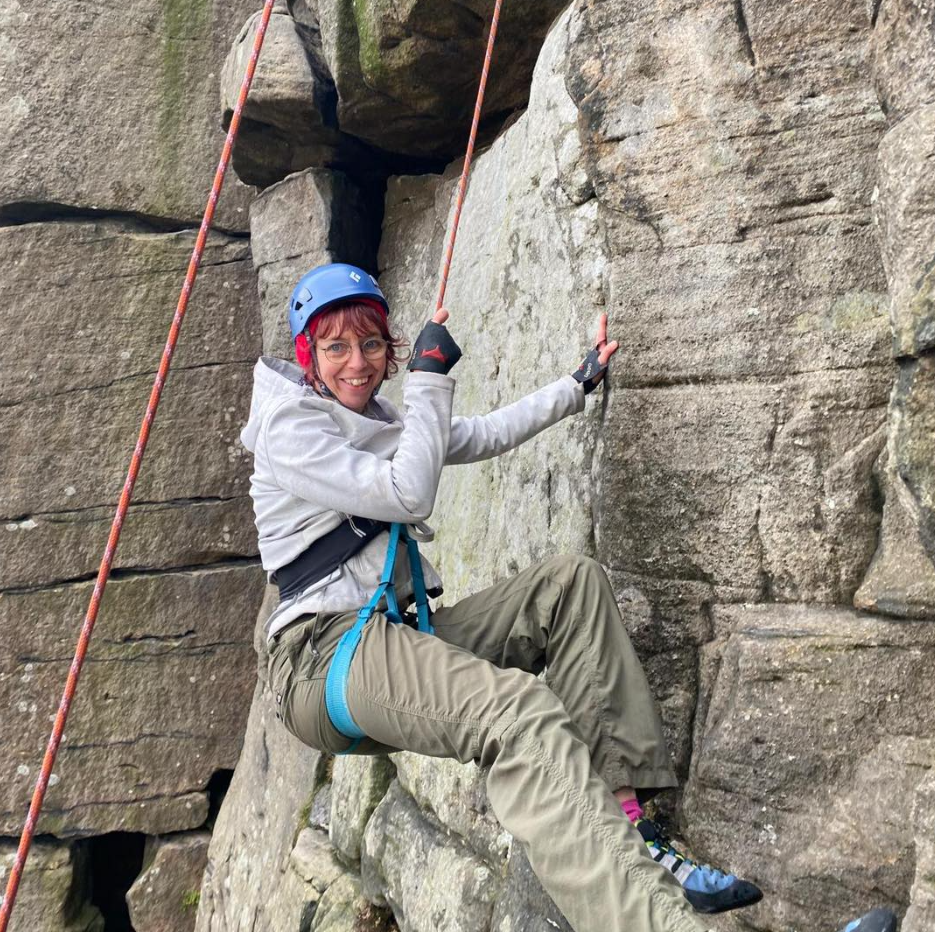
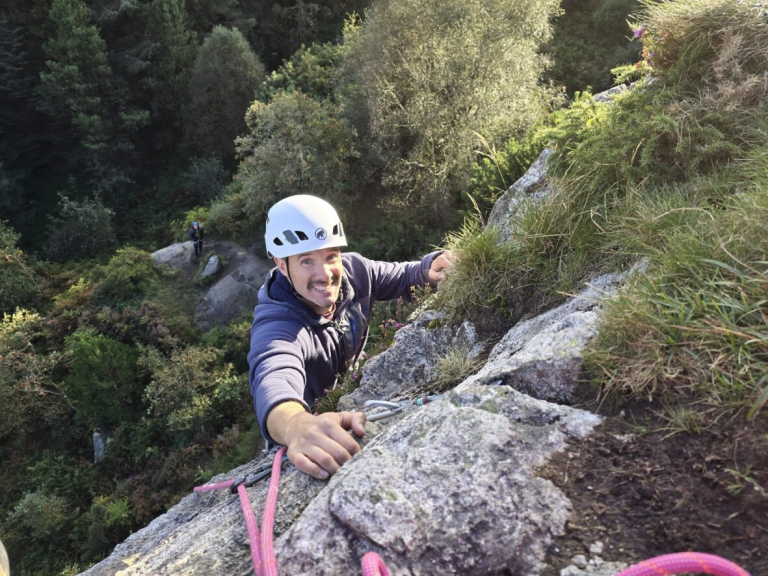
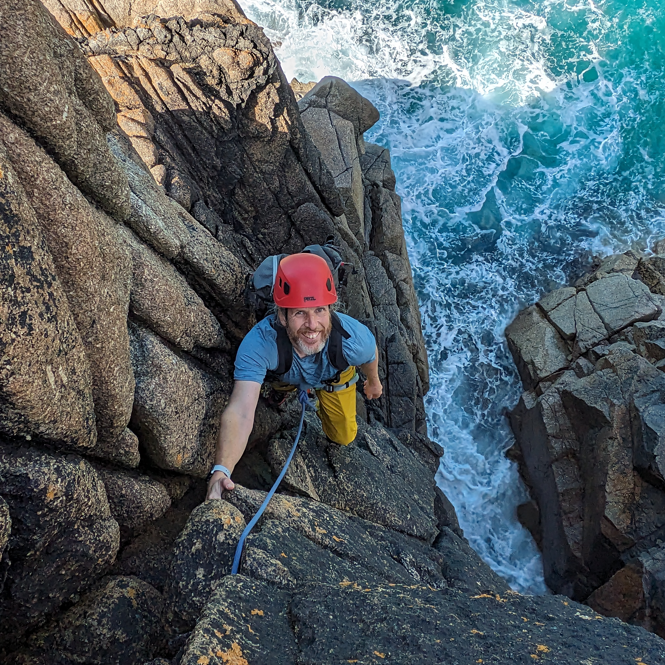
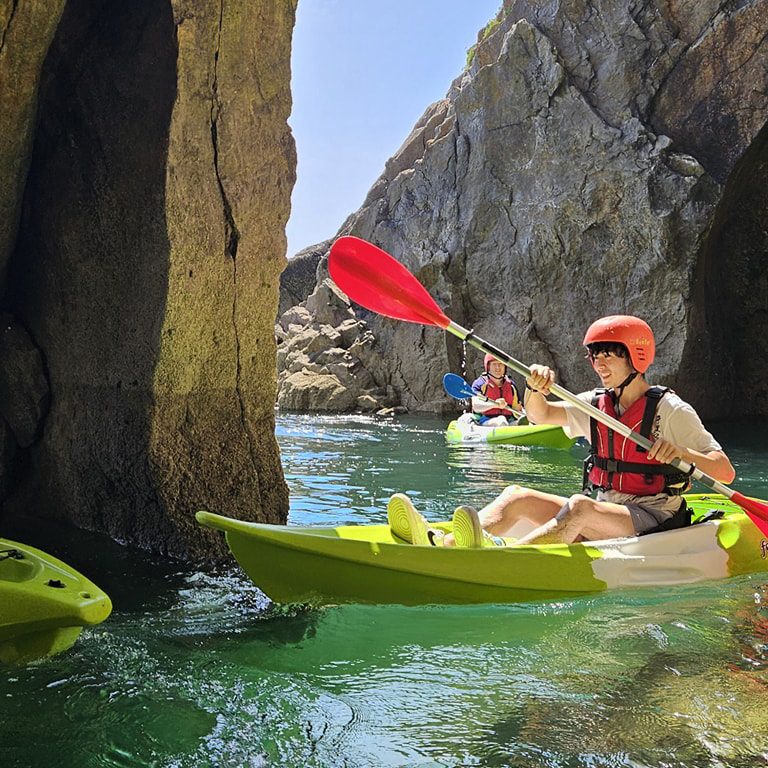
For instance, rock climbing engages 12 major muscle groups at once, creating balanced, useful strength. White water kayaking builds heart health, core strength, and upper body power. Staying balanced on moving water creates fitness benefits hard to copy in gyms.
Sport England’s research shows that active lifestyles help prevent 600,000 cases of diabetes and 57,000 cases of dementia each year[10]. This protection is even stronger with adventure sports, which typically involve longer activity and burn more calories than regular workouts.
Better Sleep and Social Connections
The National Sleep Foundation found that intensive outdoor activities improve sleep quality by 20% compared to non-active people[11]. This improvement isn’t just about being tired. Getting natural light during outdoor adventure helps regulate sleep cycles, while the stress reduction promotes deeper sleep.
The American Council on Exercise confirms that activities like rock climbing or surfing burn 500-800 calories per hour[12]. This mental element helps explain why adventure sport participants stick with physical activity better than conventional exercisers.
Adventure sports offer a unique social benefit too. Studies in the American Journal of Psychiatry (2018) show that people who join group physical activities have 26% lower depression rates than those who exercise alone[13]. These activities create bonds that strengthen mental health. Whether you prefer riding solo or with family, try energetic sports like biking or paragliding.
Choose Your Adventure
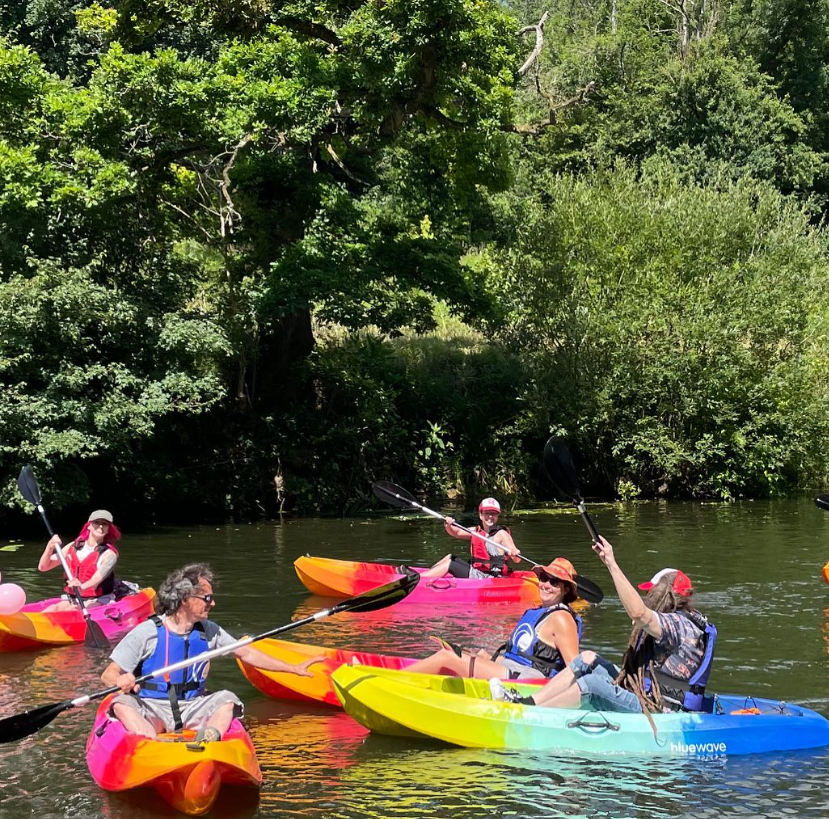
The beauty of adventure sports is their variety. Whether you like the flowing movement of rock climbing, the rush of mountain biking, or the peaceful challenge of kayaking, there’s a perfect fit waiting for you. When looking at adventure sports, think about what naturally appeals to you. Take a quiz to find your perfect adventure match!
Where to Go for an Adventure?
Snowdonia National Park: Known worldwide for rock climbing and stunning hiking trails. The park has over 100 lakes and peaks above 3,000 feet, creating many adventure options for all skill levels.
Lake District: A paradise for kayakers and mountain bikers with routes for every skill level. The connected lakes offer everything from calm paddling to challenging open water crossings.
Cornwall Coast: Great conditions for surfing and coasteering adventures. The varied coastline has protected beaches for beginners and world-class surfing spots.
The Peak District: With its special rock edges and limestone cliffs, it’s perfect for climbers of all abilities. Meanwhile, the rolling hills provide accessible hiking and mountain biking paths.
Fort William and the Scottish Highlands: Home to the UK’s highest mountain (Ben Nevis) and some of the most challenging mountain biking trails in Europe.
Safety First, Then Adventure
True adventurers know that safety isn’t the opposite of excitement; instead, it’s what makes real excitement possible. Invest in quality equipment that meets safety standards, certified instruction from professionals who can speed up your learning, and community connections with experienced adventurers who can show you the way.
Take the Leap Today
The science is clear. The locations are waiting. The benefits are amazing. So what’s holding you back from experiencing the transformation that adventure sports offer? Not fitness! There are beginner-friendly options for every level. Not age! Adventure communities welcome people from all backgrounds. Not experience! Everyone starts somewhere.
Remember, you don’t need to jump straight into extreme activities. Adventure exists on a scale, and even small challenges can bring big benefits. The key is to start.
Ready to feel truly alive? As a final point, explore adventuro today and discover the adventure that’s waiting for you!
References
- Harvard Medical School. (2021). Exercise: An all-natural treatment to fight depression. Harvard Health Publishing.
- Stanford University. (2015). Nature’s impact on stress and mental health. Stanford News.
- Journal of Cognitive Enhancement. (2017). Physical activity and cognitive function enhancement. Springer Publications.
- University of Essex. (n.d.). Green exercise and self-esteem research. Environmental Psychology Department, University of Essex.
- University of California. (2021). Neural mechanisms of risk assessment during adventure activities. Journal of Neuroscience, 41(3), 518-529.
- McGonigal, K. (2019). The joy of movement: How exercise helps us find happiness, hope, connection, and courage. Avery Publishing.
- BMJ Military Health Journal. (n.d.). Adaptive adventure sports for mental health recovery. British Medical Journal Publications.
- British Heart Foundation. (n.d.). Physical activity and heart health statistics. British Heart Foundation Research.
- National Strength and Conditioning Association. (2020). Functional strength development through adventure sports. NSCA Journal.
- Sport England. (n.d.). The social value of sport and physical activity in the UK. Sport England Research.
- National Sleep Foundation. (2021). Physical activity and sleep quality study. Sleep Health Journal.
- American Council on Exercise. (n.d.). Caloric expenditure in outdoor activities. ACE Fitness Research.
- American Journal of Psychiatry. (2018). Exercise and mental health research findings. American Psychiatric Association.