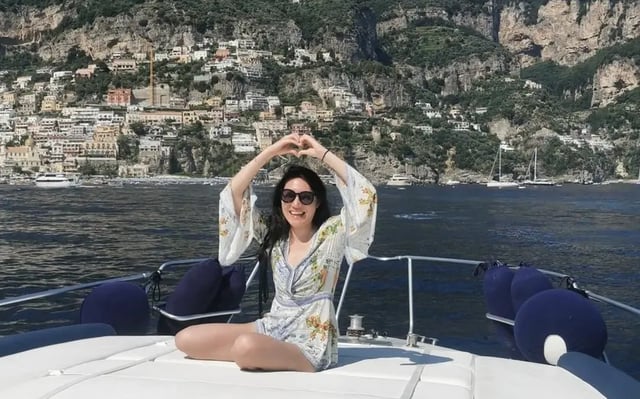
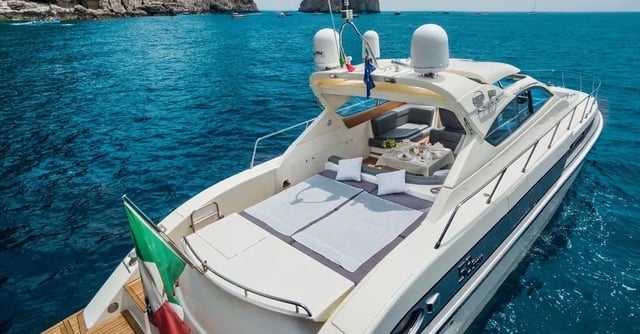
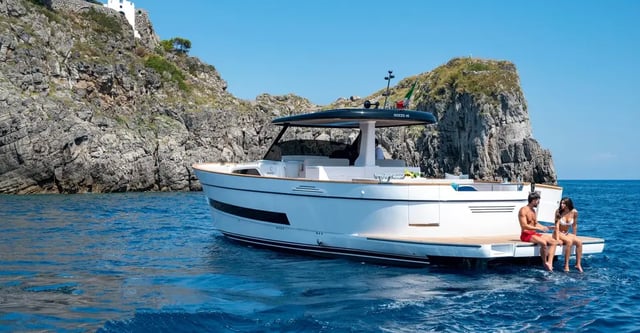
Campania's underwater world is, if anything, slightly better than the cliffs above it — which is a high bar. Volcanic rock, limestone formations, Posidonia oceanica seagrass meadows and the relatively clean, nutrient-rich Tyrrhenian Sea combine to create a marine environment with exceptional biodiversity. Visibility in summer regularly exceeds 15–20 metres at the better sites. The Punta Campanella marine reserve in particular has some of the best-protected underwater habitat in southern Italy, and it shows in the fish density.
Best snorkelling sites in Campania
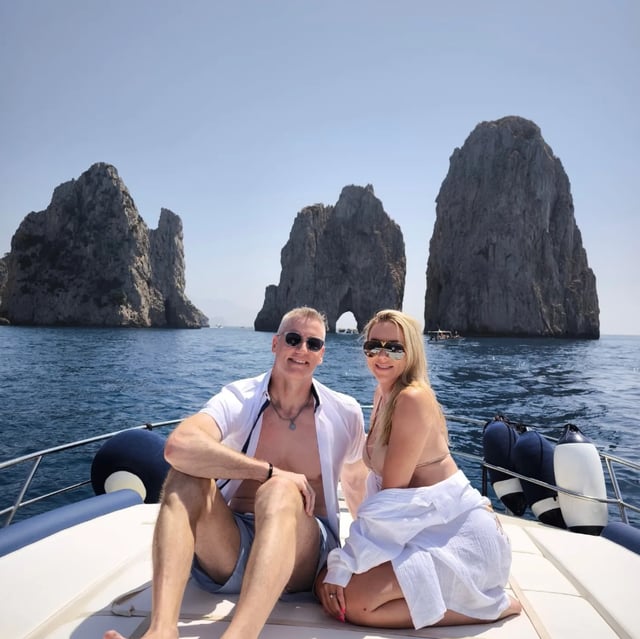
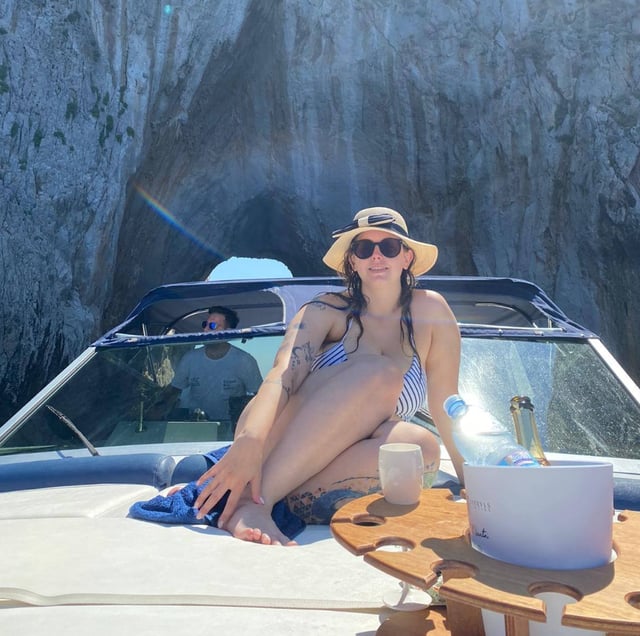
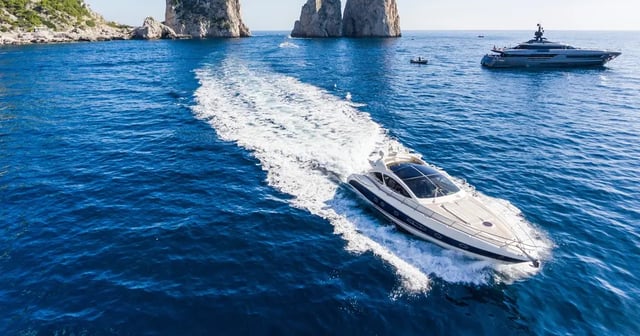
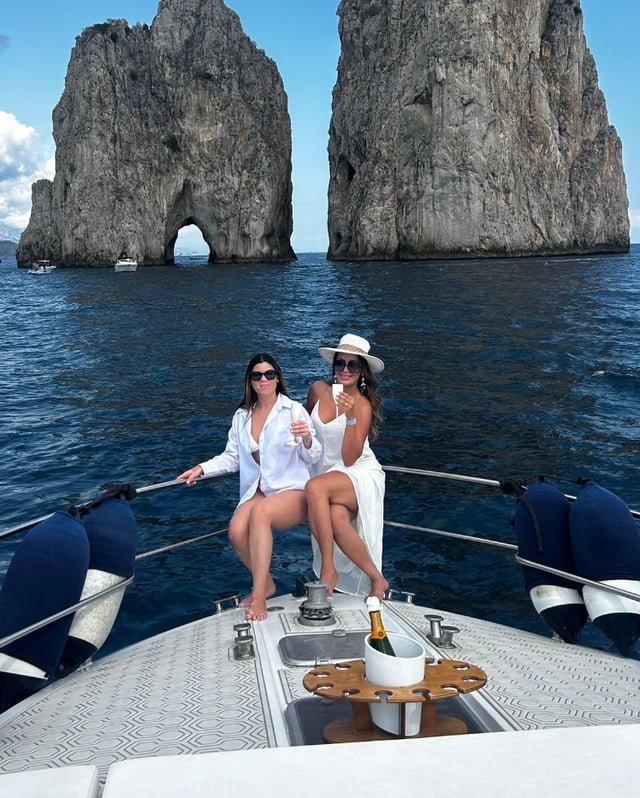
The Punta Campanella Marine Reserve at the tip of the Sorrentine Peninsula is the standout site in the region. Fishing and anchoring are restricted here, which means the marine life has responded in kind — sea bream in schools, octopus on almost every rocky shelf, moray eels in crevices, sea fans (gorgonians) in the deeper sections and Posidonia meadows that have had decades to mature. It's accessible by boat from Positano and Sorrento. Around Capri, the island's rocky coastline offers snorkelling well beyond the Blue Grotto — the Faraglioni sea stacks and the northern cliff faces have caves, overhangs and rich reef life that most visitors floating on the lido never see. The Gulf of Naples islands each add something: Procida's clear, calm water off its fishing port headlands; Ischia's volcanic substrate creating unusual underwater topography with black sand and warm geothermal vents accessible in some coastal sections. On the Amalfi Coast itself, the rocky headlands at Praiano (Marina di Praia), Conca dei Marini and the Fiordo di Furore have shore-accessible snorkelling in calmer conditions. The Cilento coast south of Salerno — particularly the Punta Licosa marine reserve and the waters around Acciaroli — has outstanding clarity and less boat traffic than the Amalfi.
Guided snorkelling tours: what to expect
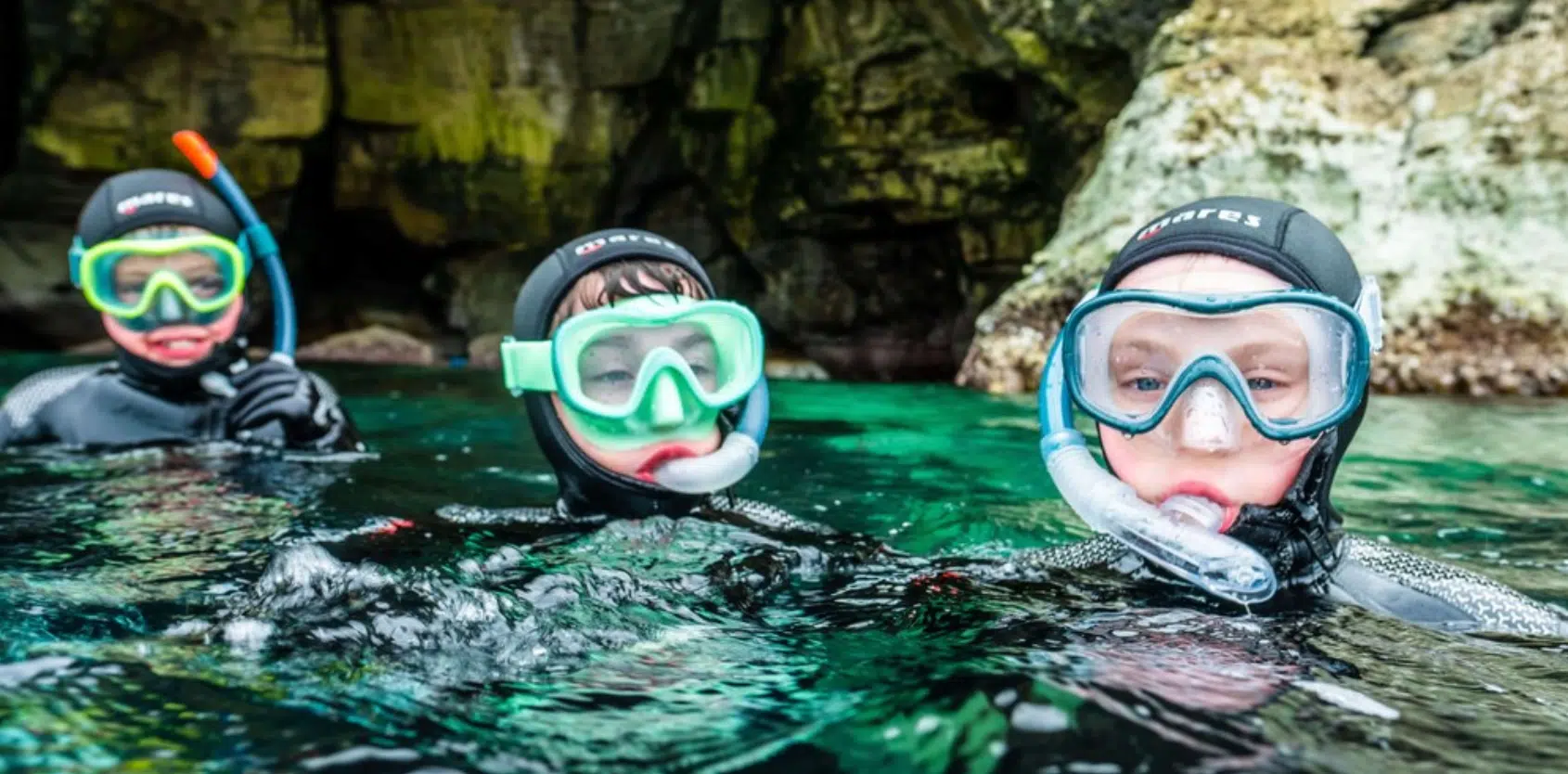
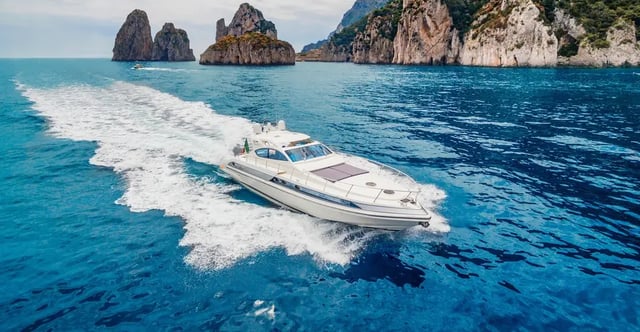
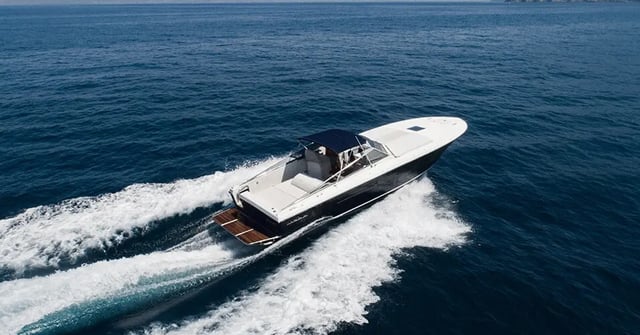
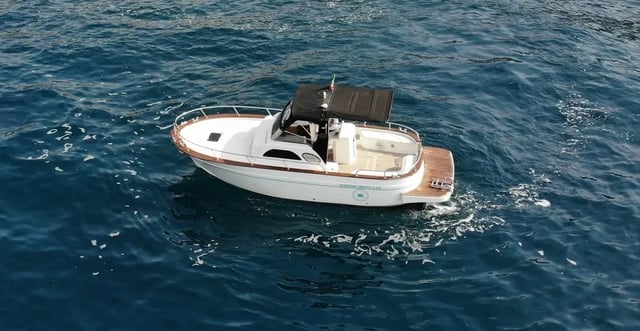
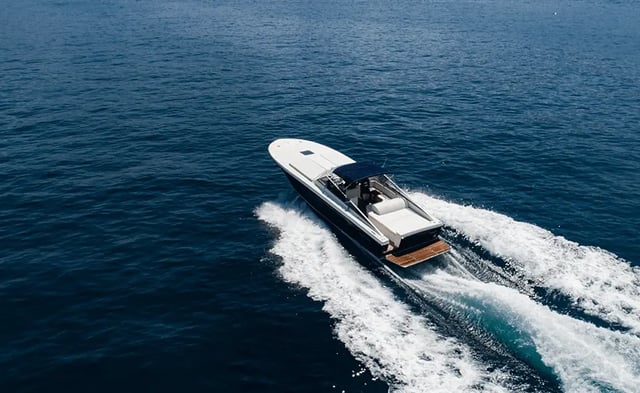
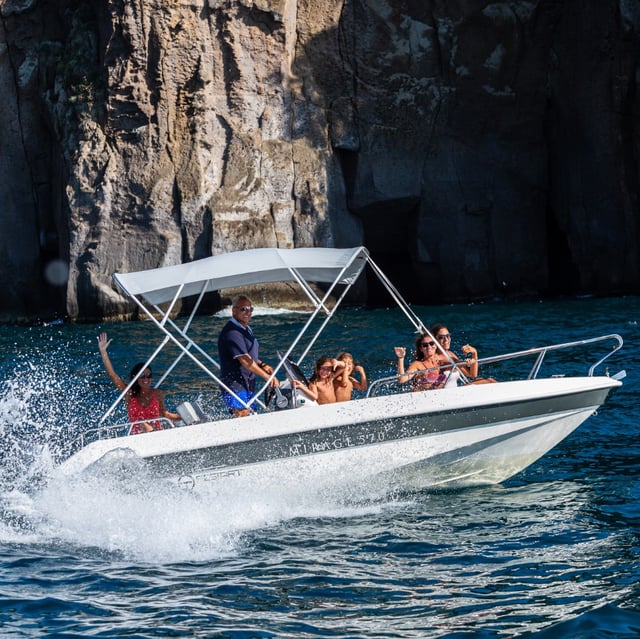
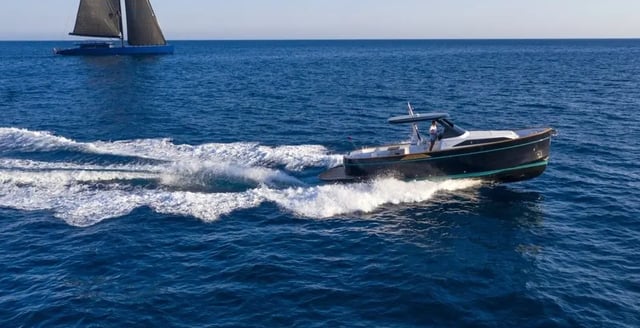
Most of Campania's best snorkelling is boat-accessed. A guide takes a small group by RIB or motorboat to multiple sites — a session might include a headland cave system, a Posidonia meadow and a rocky reef, moving between sites as conditions allow. Sessions last two to four hours. All equipment is provided — mask, snorkel, fins and buoyancy vest. The guide stays in the water with the group throughout; no prior snorkelling experience is required, only sea confidence. Shore-based snorkelling is also possible at several Amalfi Coast locations in calm conditions — guides can advise on specific spots depending on swell and wind direction on the day.
Marine life: what you'll see
Regular sightings on Campania guided snorkelling sessions include: octopus (reliably present on rocky bottoms in Punta Campanella), moray eels in reef crevices, scorpionfish camouflaged against rock faces (the guide will point them out — don't touch them), sea bream and red mullet in schools, wrasse, needlefish near the surface and sea fans in the deeper sections. Lucky sightings include loggerhead sea turtles (present in Campania waters), barracuda hunting in open water and, very occasionally, sunfish at the surface. Sea urchins are abundant on rocky areas — wear fins and don't stand on the bottom.
When to snorkel in Campania
June to September offers the warmest water (22–27°C) and best visibility for beginners. May and October are excellent for more confident swimmers — fewer tourists, comparable visibility and water around 18–21°C (comfortable with a thin wetsuit). July and August are warmest and busiest; the Amalfi Coast's popularity peaks in this period and tour bookings fill quickly.