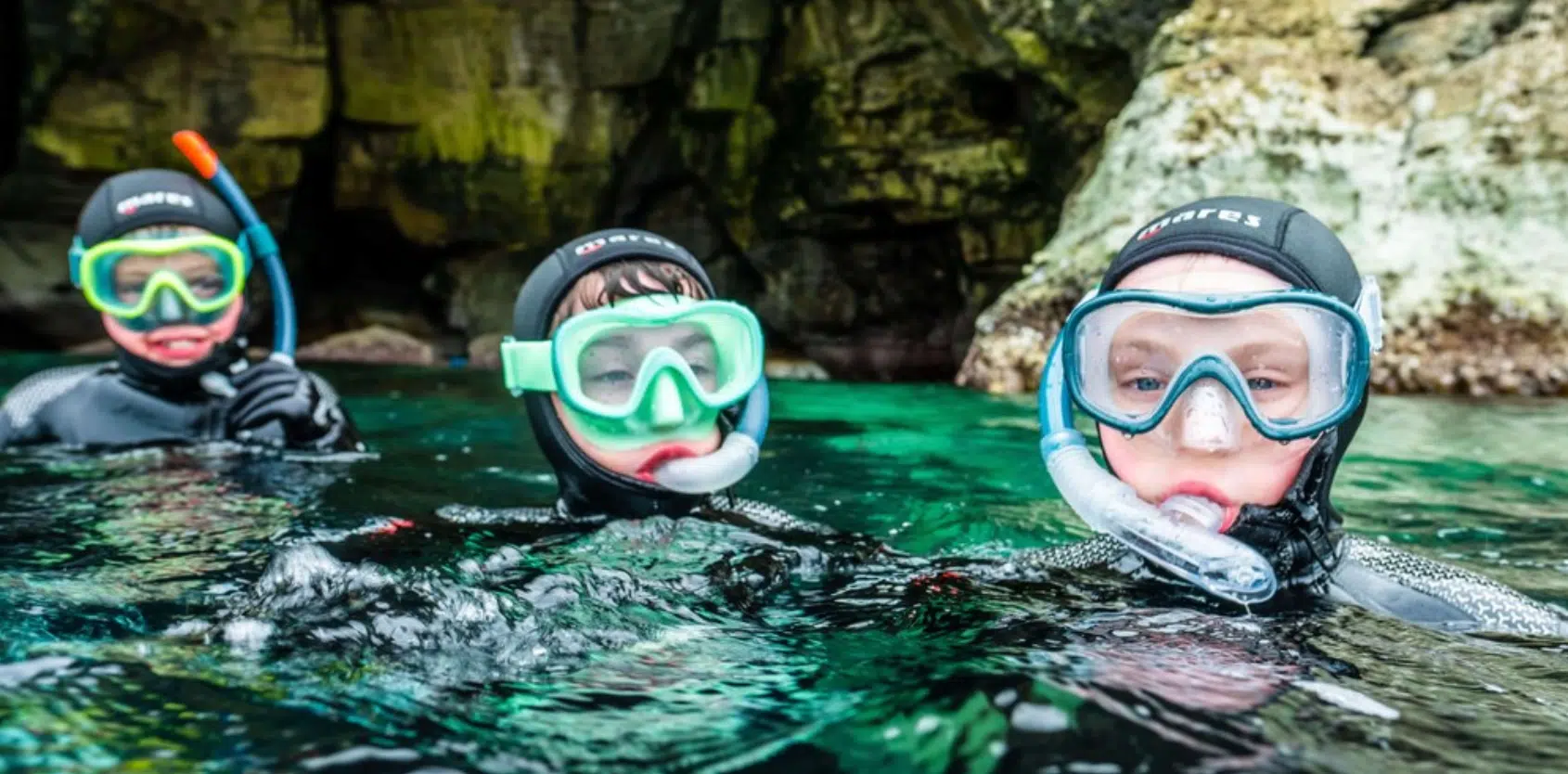
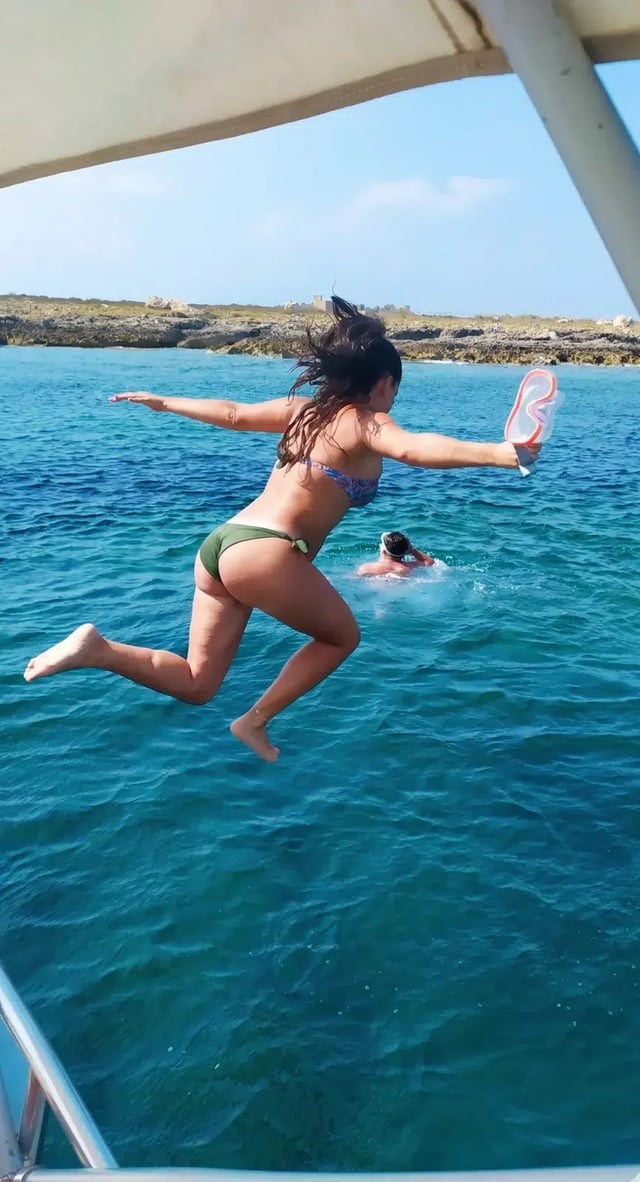
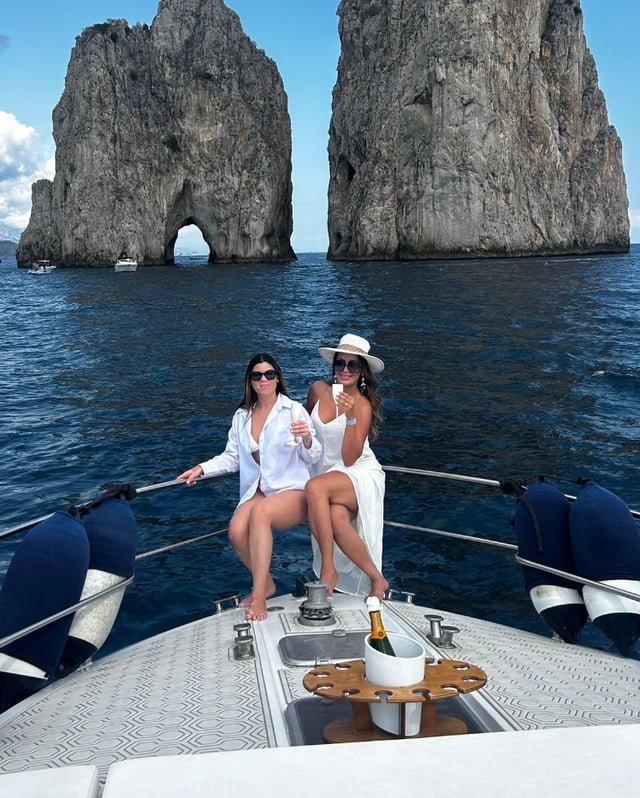
South Italy's coastal waters are some of the most rewarding for snorkelling in the western Mediterranean, and they remain considerably less visited than the obvious alternatives. The combination of the Tyrrhenian and Ionian seas, the relative absence of heavy industrialisation on much of the southern coastline, extensive marine protected areas and rich volcanic substrate creates conditions where visibility regularly exceeds 20 metres and the marine life has had space to develop undisturbed. It is the kind of snorkelling that reminds you what snorkelling is supposed to be like.
Where to snorkel in South Italy
Working south from Naples, the Campania marine reserves at Punta Campanella and around the Gulf of Naples islands are the strongest starting point — well-established, protected and with outstanding marine life density. The Cilento National Park coast south of Salerno runs for over 100km of largely undeveloped coastline with outstanding snorkelling at Punta Licosa, Acciaroli headlands and the waters around the Isola di Dino off Praia a Mare. The Cilento's protection as a national park has kept development limited and the marine environment in excellent condition. In Calabria, the Ionian coast between Soverato and the Capo Rizzuto Marine Reserve at Le Castella is one of Italy's most significant marine protected areas — exceptionally clear Ionian water, diverse rocky-reef habitat and the reserve's protection giving noticeably higher fish density and species diversity than surrounding coastline. The Aeolian Islands off Calabria's Tyrrhenian coast (Stromboli, Vulcano, Lipari, Panarea, Filicudi, Alicudi) provide volcanic underwater terrain found nowhere else in Europe — lava formations, black sand, unusual current patterns and species that exploit the volcanic substrate. In Puglia, the Torre Guaceto Marine Reserve near Brindisi and the sea cave-rich coast around Castro and Santa Cesarea Terme in the Salento are outstanding, with excellent visibility in clear Adriatic water.
Marine life: what to expect
South Italy's variety of marine habitats — from Posidonia seagrass meadows on the Tyrrhenian side to rocky volcanic reef on the Aeolian Islands and the Adriatic's mixed substrate in Puglia — creates corresponding variety in species. Reliable sightings include octopus on rocky ground, moray eels in reef crevices, scorpionfish brilliantly camouflaged against rock (the guide will point them out; do not touch them), sea bream, red mullet and wrasse in schools, needlefish at the surface, sea fans (gorgonians) in the deeper reserve sections and Posidonia meadows with their associated life. Notable encounters include loggerhead sea turtles — Calabrian beaches are among the most significant Mediterranean nesting sites, and turtles are seen year-round in the Ionian — barracuda hunting near the surface, dusky grouper in well-protected reserves and, in open water further offshore, sunfish (Mola mola). Sea urchins are abundant; wear fins and don't stand on the bottom.
Guided tours and independent snorkelling
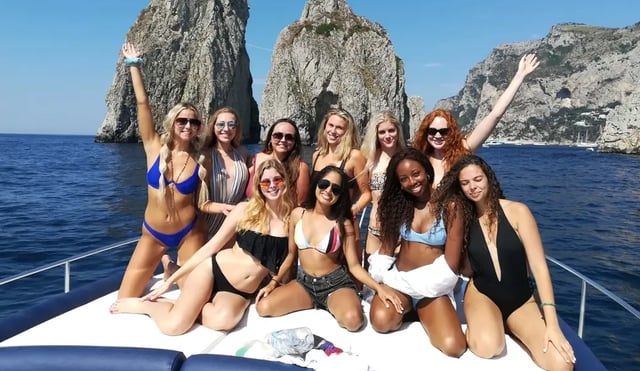
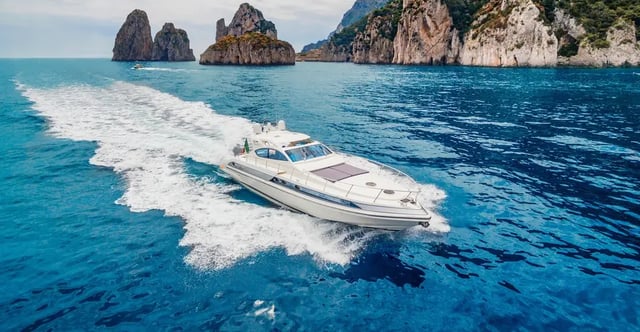
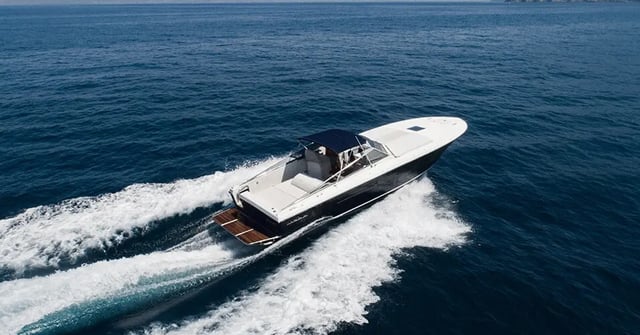
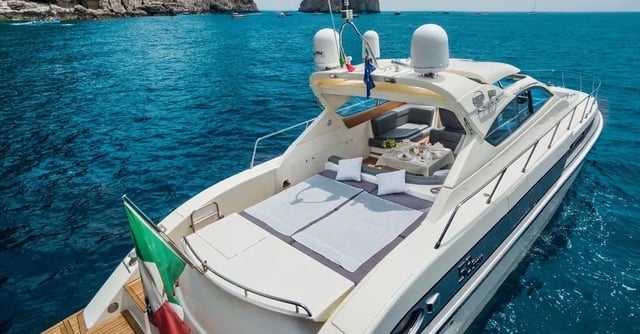
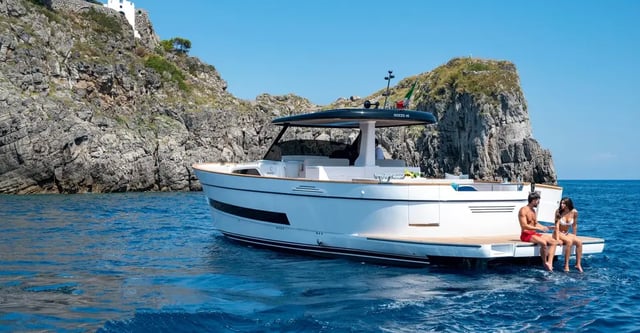
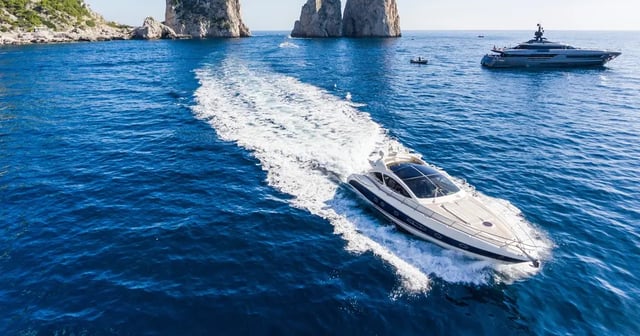
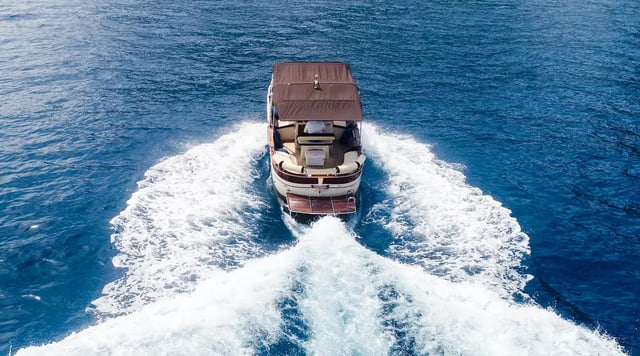
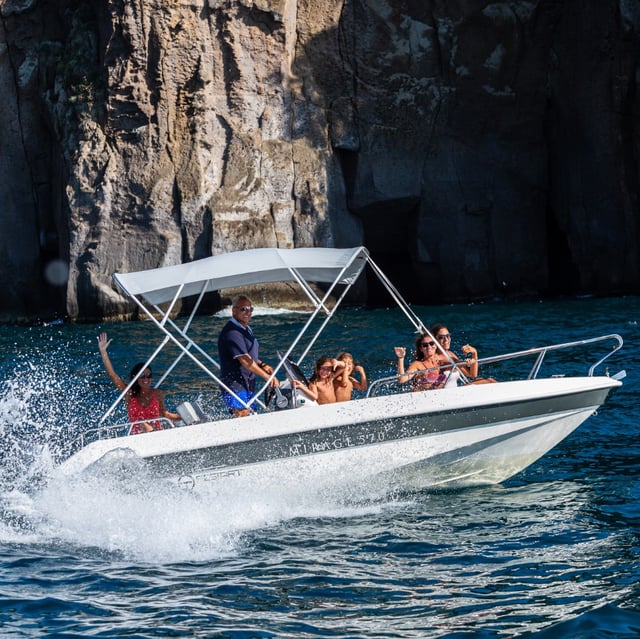
Many of the best snorkelling sites in South Italy are boat-accessed — offshore reefs, protected headlands and the Aeolian Islands all require a guide and boat to access the best spots. Beach snorkelling is possible at numerous Cilento and Salento locations where rocky headlands are directly accessible from the shore; the Torre Guaceto reserve has walk-in snorkelling from its protected beach. A guided tour will target the best sites for current conditions, handle any permit requirements and provide equipment. For experienced independent snorkellers, the Cilento's more remote sections and the Aeolian Islands reward those who do the research to find the quieter sites.
When to go
June to September is the main season, with July–August offering 24–28°C water and best conditions for beginners. May and October are excellent for confident snorkellers — fewer visitors, comparable or better visibility (peak summer boat traffic in popular areas can reduce clarity), and water around 18–22°C comfortable with a thin wetsuit. The Aeolian Islands and Cilento are particularly rewarding in shoulder season when they're genuinely quiet.