What Is Power Boating?
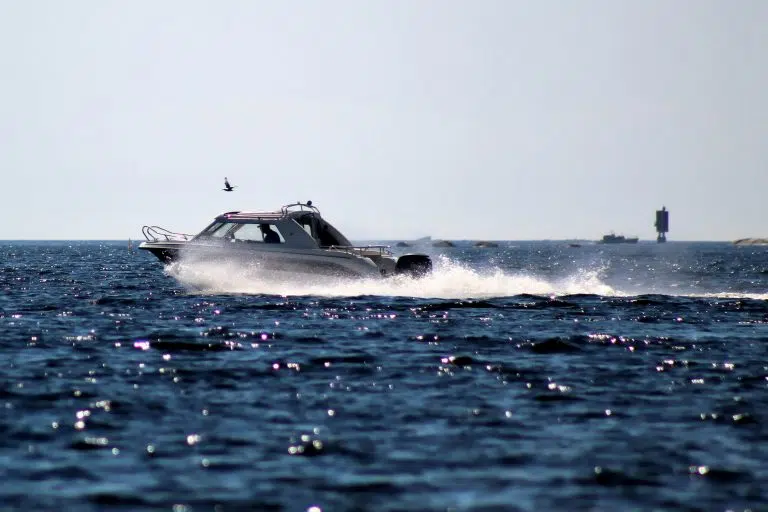
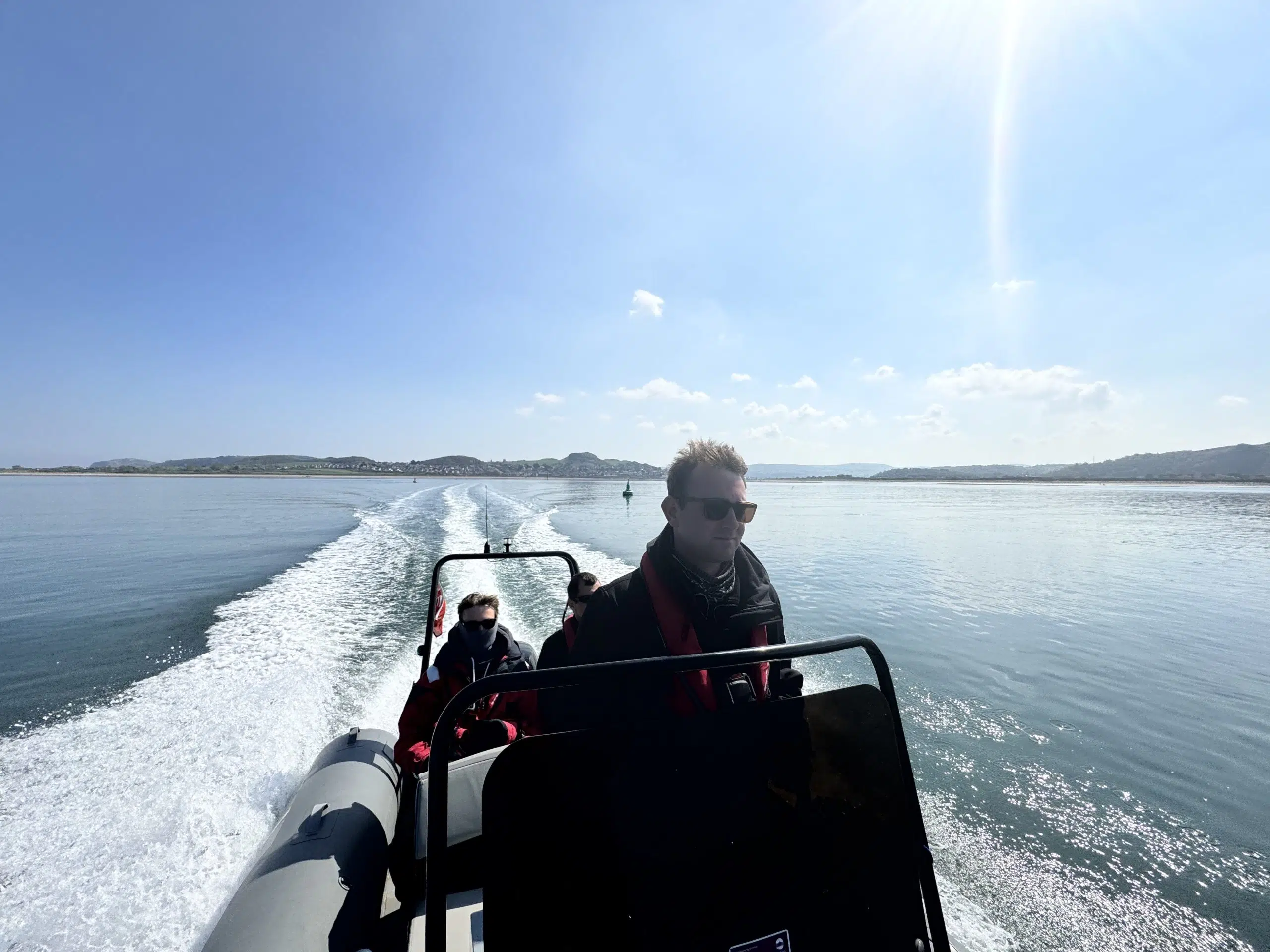
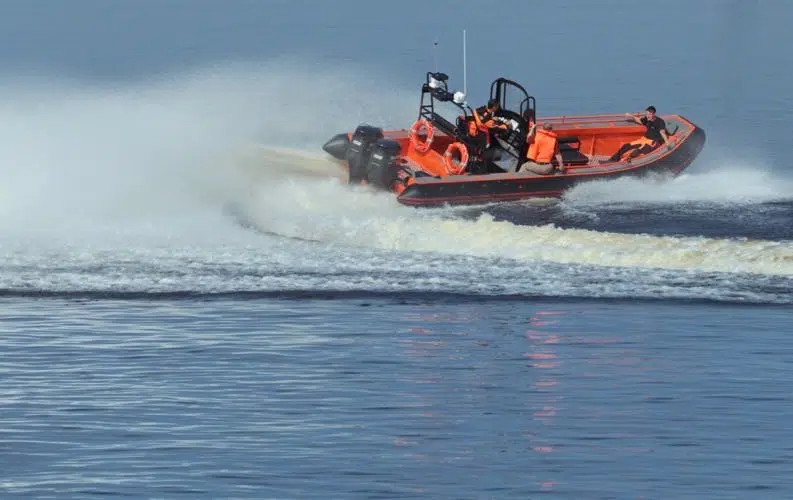
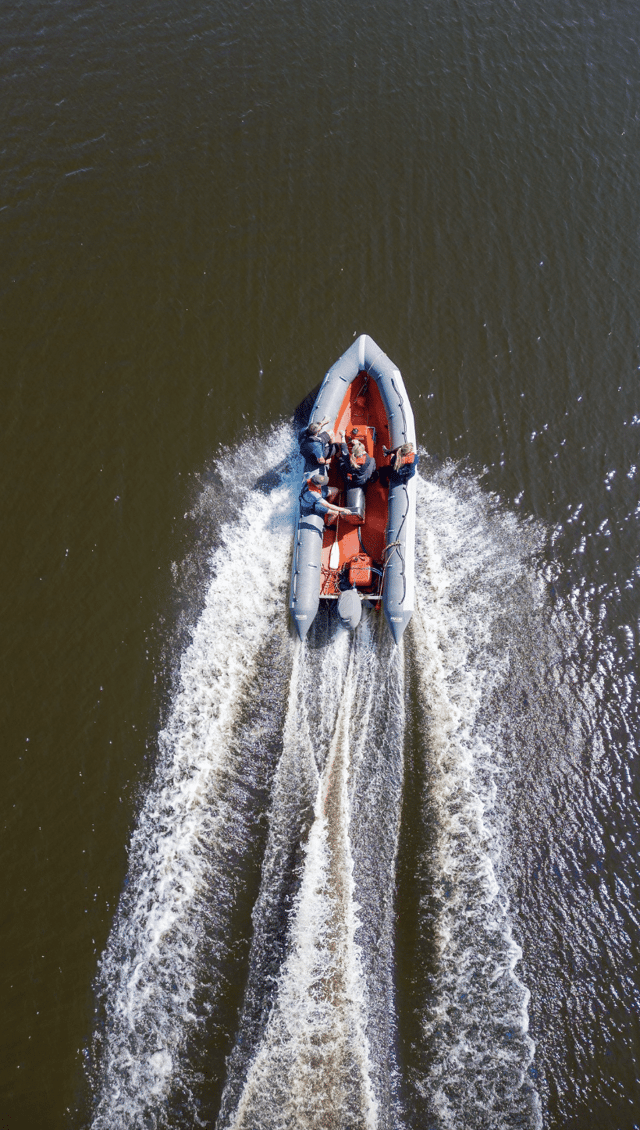
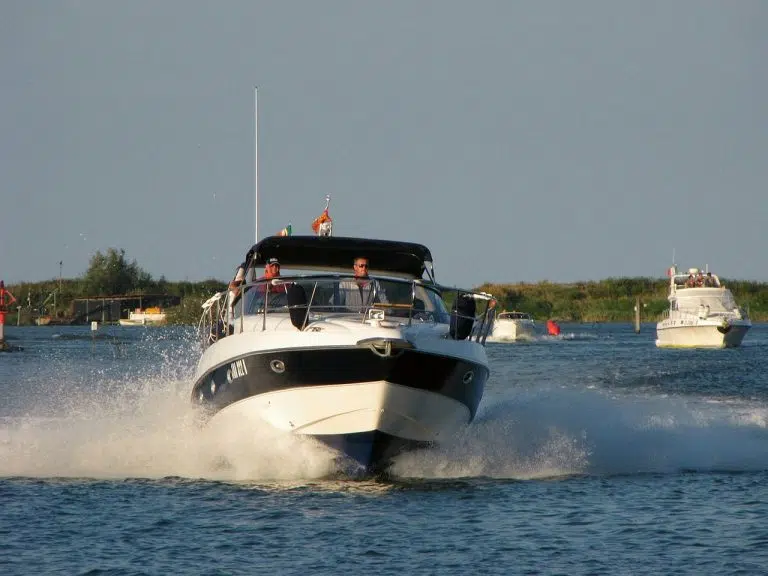
Power boating involves operating motorised boats that allow you to cover greater distances and navigate a variety of water conditions with relative ease. Unlike paddlesports or sailing, powerboats use an engine to provide propulsion, giving you more control over speed and direction. These vessels range from small open boats suited for calm inland waters to larger craft capable of handling coastal trips.
This activity appeals to those interested in water travel, sightseeing, or developing boat handling skills. Power boating can be enjoyed both as a passenger on guided tours and as a driver after completing training. It offers a way to experience water environments with less physical effort than manual craft and can be adapted for leisure or more technical boating purposes.
What Does Power Boating Involve?
For those new to power boating, the most common entry point is either joining a sightseeing tour or enrolling in a formal training course. Sightseeing tours are fully crewed by experienced skippers who navigate waterways while you focus on enjoying the surroundings. These tours often cover rivers, lakes, or coastal areas and typically include safety briefings and equipment such as lifejackets.
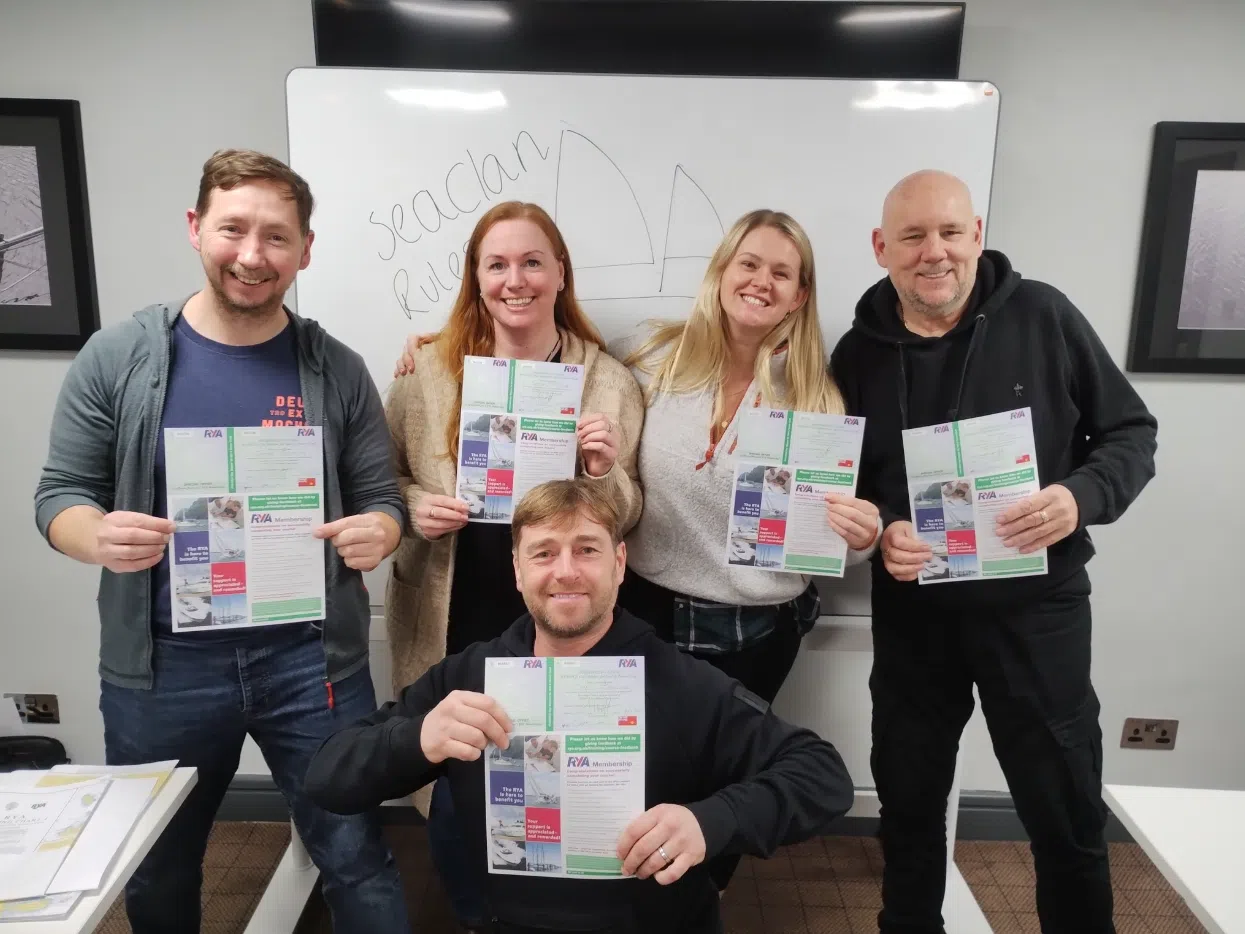
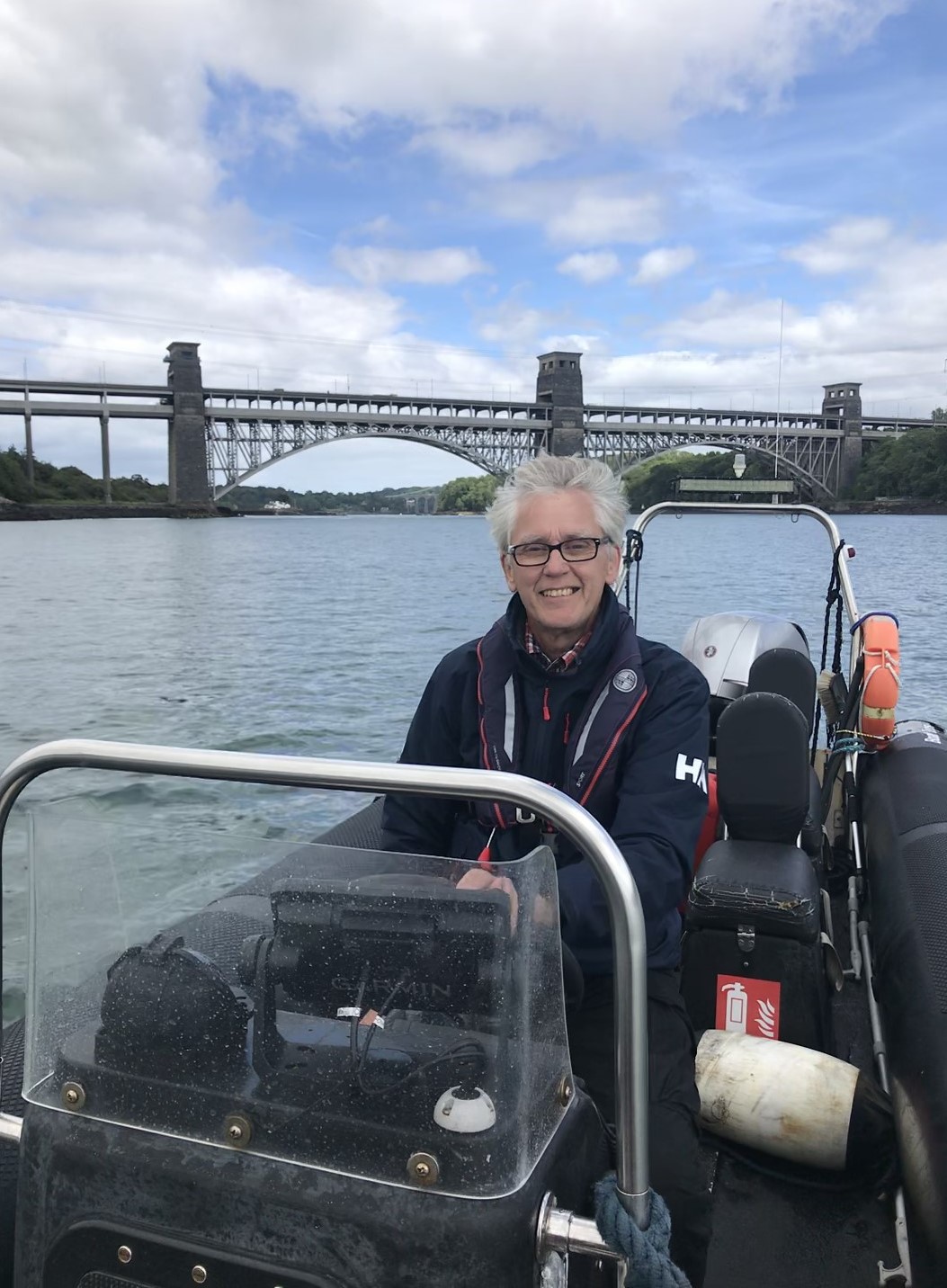
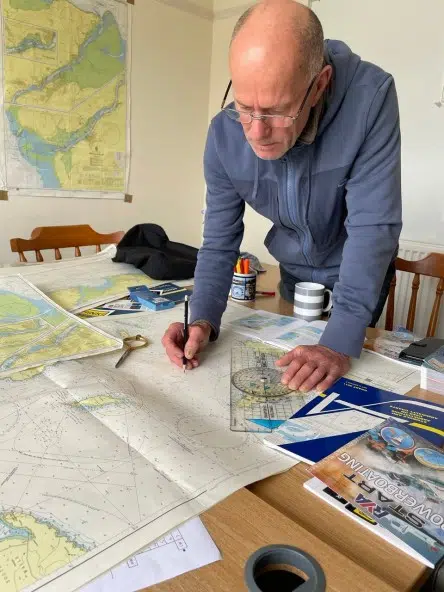
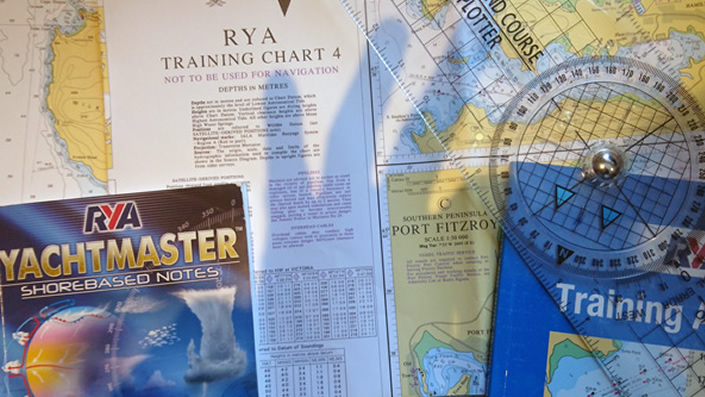
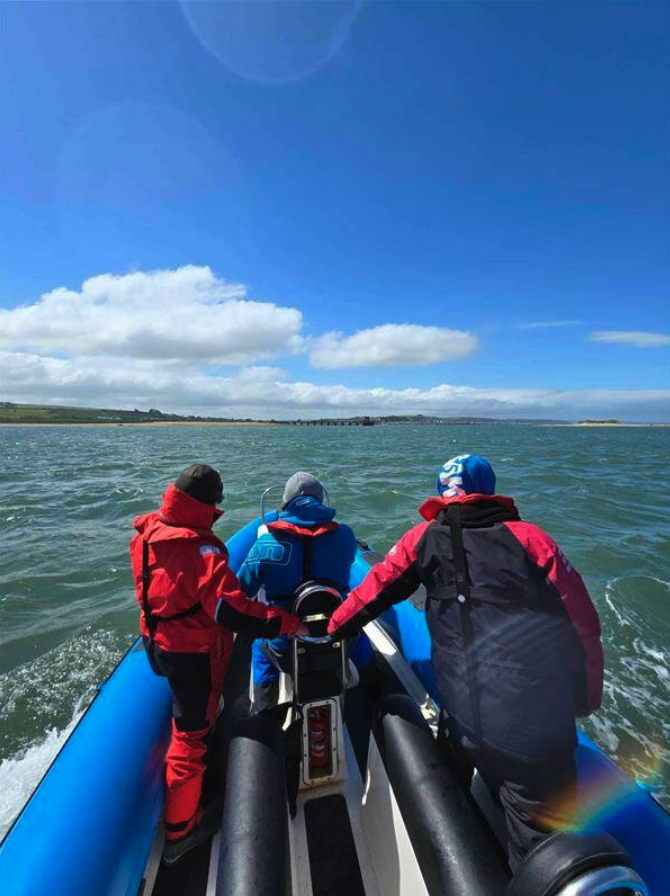
If you want to operate the boat yourself, training courses provide the necessary skills and qualifications. The most widely recognised beginner course is the RYA Powerboat Level 2 (PB2), which usually takes two days. This course covers key areas such as steering and throttle control, basic manoeuvres, navigation rules, launching and recovery techniques, and safety procedures. Successful completion often enables independent boat hire and is accepted by many clubs and operators.
There are also introductory courses aimed at younger or less experienced participants, which focus on supervised, safe handling before progressing to full qualifications. Advanced training is available for those who want to navigate open waters, drive at night, or handle rougher sea conditions.
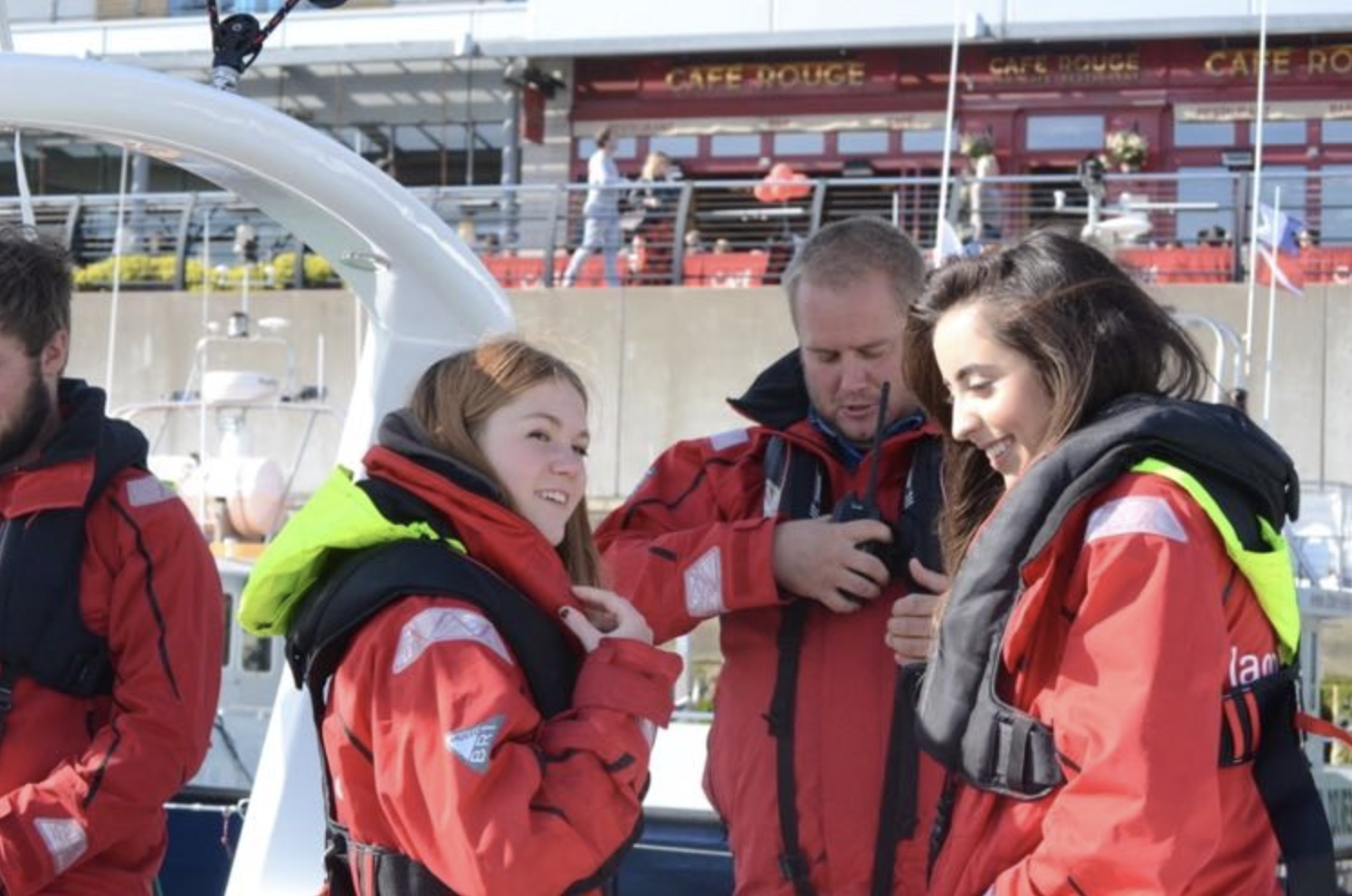
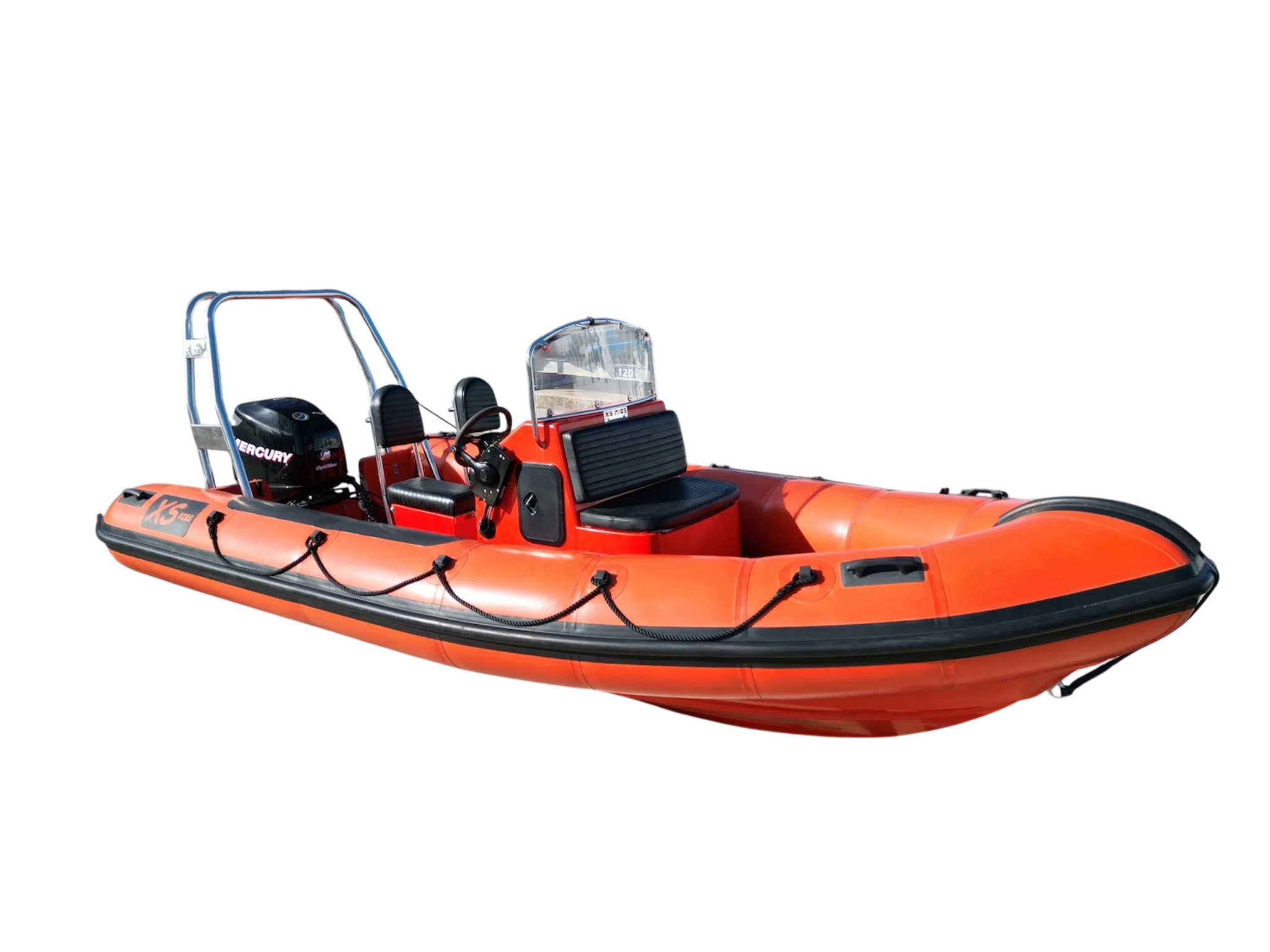
Training sessions combine theory and practical experience, conducted on purpose-built training boats designed to be stable and easy to handle. Centres typically provide all necessary safety equipment and clothing, so beginners can focus on developing confidence and competence on the water.
Power boating requires attention to weather and water conditions, as safety depends on good judgement and preparation. It is advisable to wear weather-appropriate clothing and non-slip footwear. Many people ask about seasickness; it can affect some individuals, especially in choppy waters, so precautions like medication and staying hydrated may be useful.
Overall, power boating offers a structured way to gain practical skills and qualifications for boat operation, while also providing opportunities for leisure and sightseeing. Whether you choose to enjoy guided tours or work towards official certificates, it’s an accessible water activity with options for all levels of interest and experience.