What is Land-boarding?
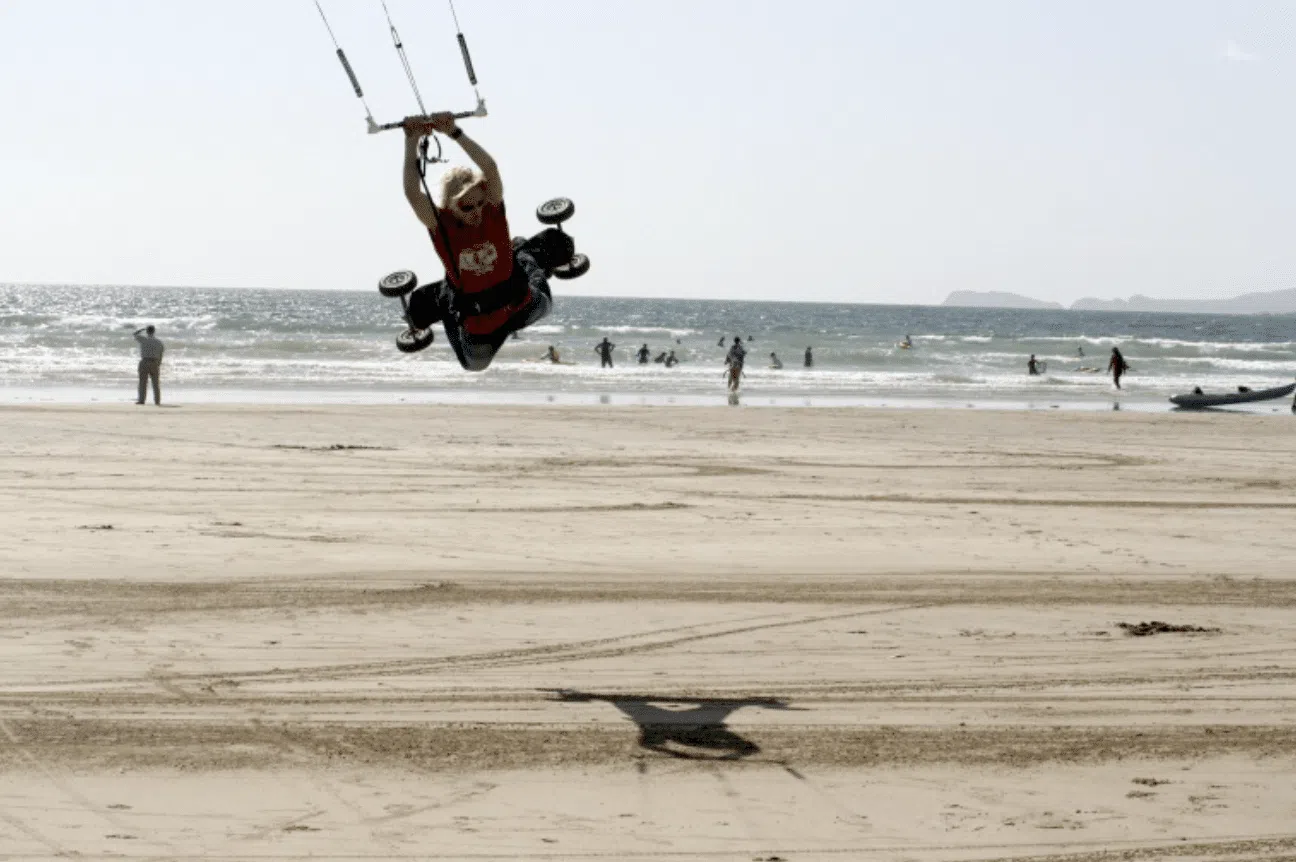
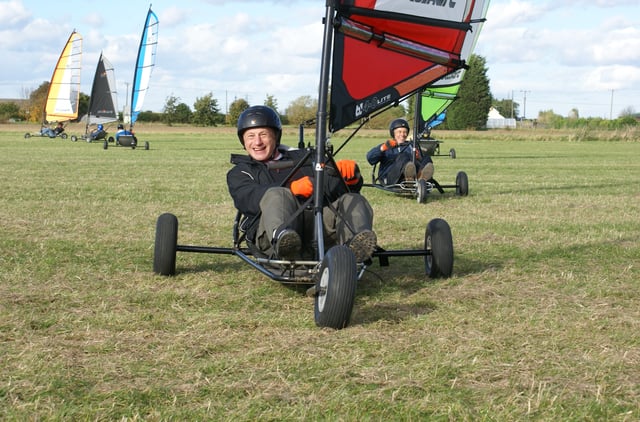
Land-boarding is an outdoor sport that involves riding a specialised board designed for off-road terrain. The board resembles a skateboard but is equipped with larger, more robust wheels that allow it to travel over grass, dirt, gravel, and other uneven surfaces. Unlike traditional skateboarding, which is mostly limited to paved areas, land-boarding provides access to a variety of natural terrains. Riders control the board primarily through shifting their body weight, carving turns, and braking techniques that can include foot braking or specialised equipment such as brakes attached to the board. The sport allows for both downhill riding and flat-surface manoeuvring, making it adaptable to different types of terrain and conditions.
Land-boarding shares some similarities with mountain boarding and downhill skateboarding but has distinct equipment and style. The larger wheels are designed to absorb shocks and maintain traction on rough surfaces, while the deck of the board is generally wider and sturdier to offer better stability and support. Some boards also have bindings or straps to secure the rider’s feet, though this varies depending on the style of riding and preference. This variation in design caters to different riding techniques, such as cruising, carving, or performing tricks.
The sport offers a range of physical benefits, including improved balance, coordination, and leg strength. It engages core muscles as riders adjust their posture and balance to steer and control speed. Land-boarding can be a low-impact activity that also helps develop cardiovascular fitness, especially when riding uphill or for extended periods. It is often enjoyed recreationally but can also be competitive, with races and downhill events held in various locations. Safety measures are important due to the nature of the terrain and speeds involved, and riders often wear protective gear to reduce the risk of injury.
How Land-boarding is Practiced
Land-boarding can be practised on different types of terrain, including grassy hills, dirt tracks, and mixed surfaces with varying degrees of roughness. The sport is versatile enough to be performed in open outdoor spaces such as parks or countryside areas where there is enough slope or flat space for movement. Riders typically choose locations that offer a balance of challenge and safety, ensuring they can control the board effectively. Terrain features like slopes, curves, and varying surface textures influence the riding style and control techniques needed.
The practice involves a combination of skills, starting with learning to balance on the board while stationary and progressing to riding over uneven ground. Controlling speed is crucial, especially when going downhill, and riders develop braking techniques suited to their style and equipment. Steering involves shifting weight and using body movements to guide the board’s direction, which requires a good sense of balance and timing.
In some cases, riders take part in organised events or group sessions, which can provide a social aspect and an opportunity to improve skills through coaching or shared experience. Competitive land-boarding includes downhill racing where participants navigate courses with specific start and finish points, often including obstacles or technical sections. These events test speed, control, and strategy.
Overall, land-boarding is a flexible sport that appeals to those interested in board sports and outdoor activities. It allows for a range of riding styles, from relaxed cruising to more technical downhill runs. The variety of terrain and conditions adds complexity and challenge, requiring continuous skill development and adaptability from the rider.