What Are Kitesports?
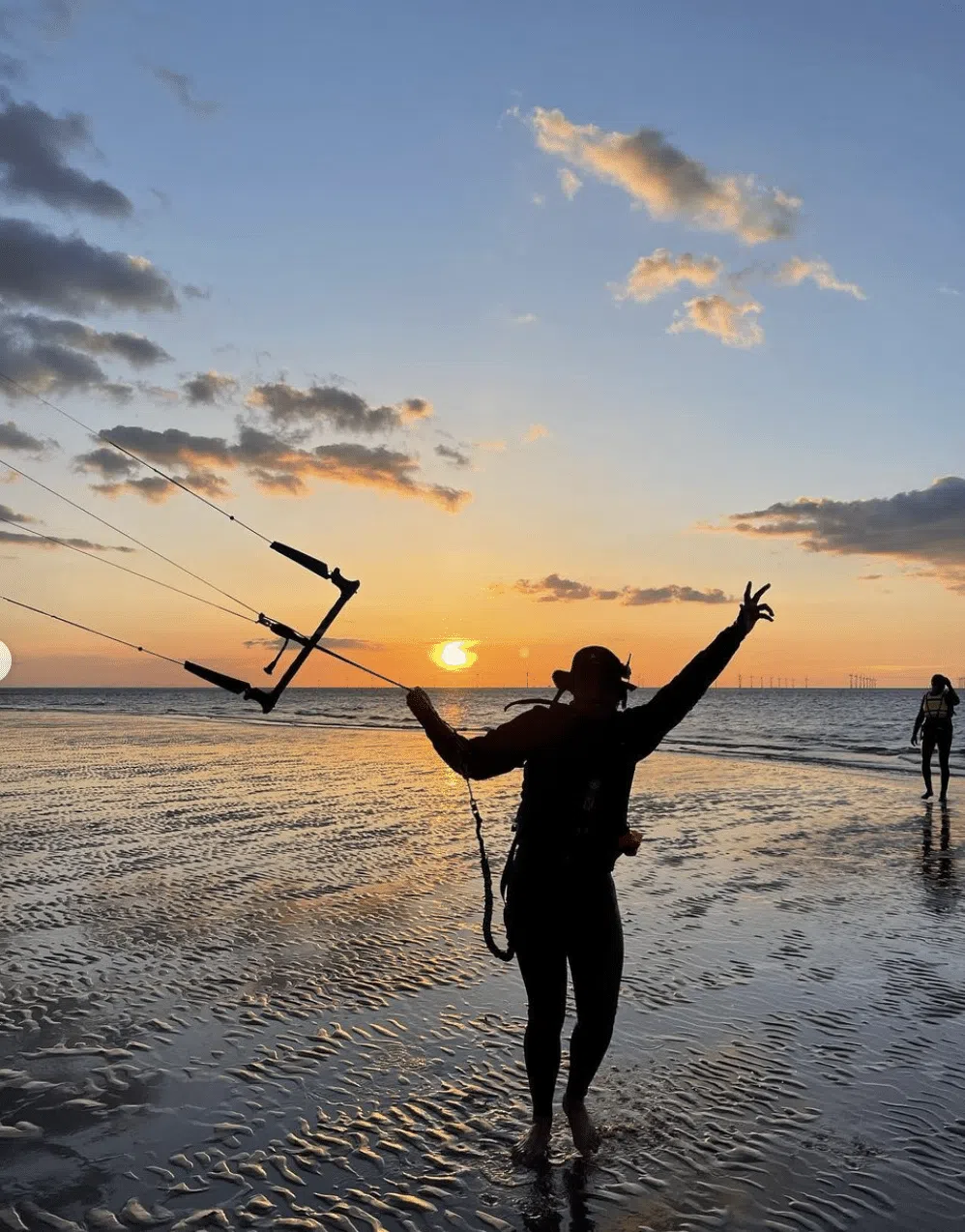
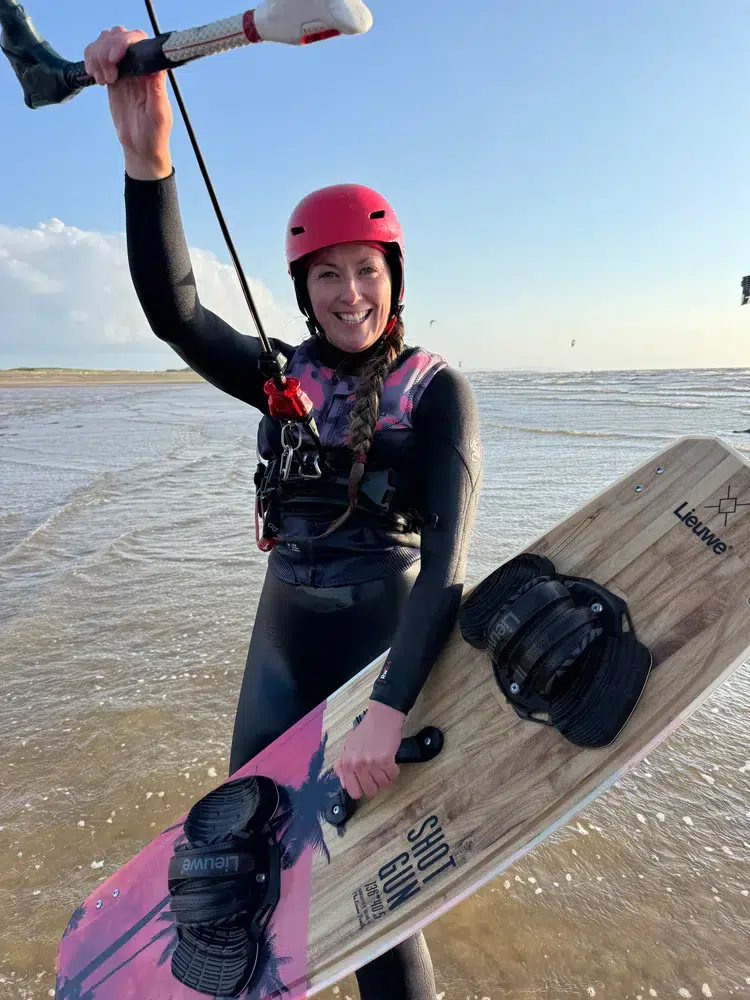
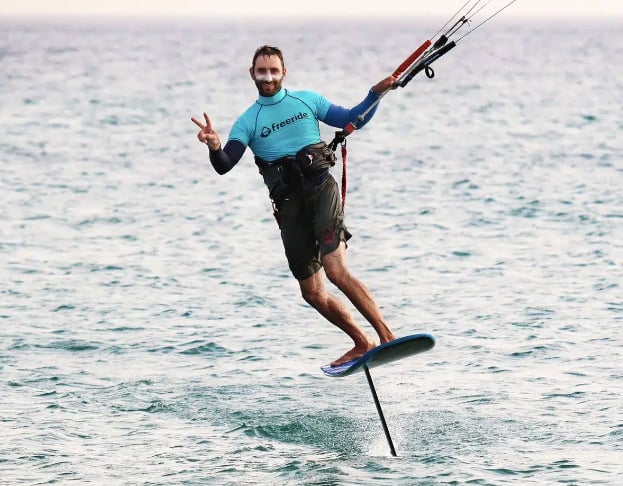
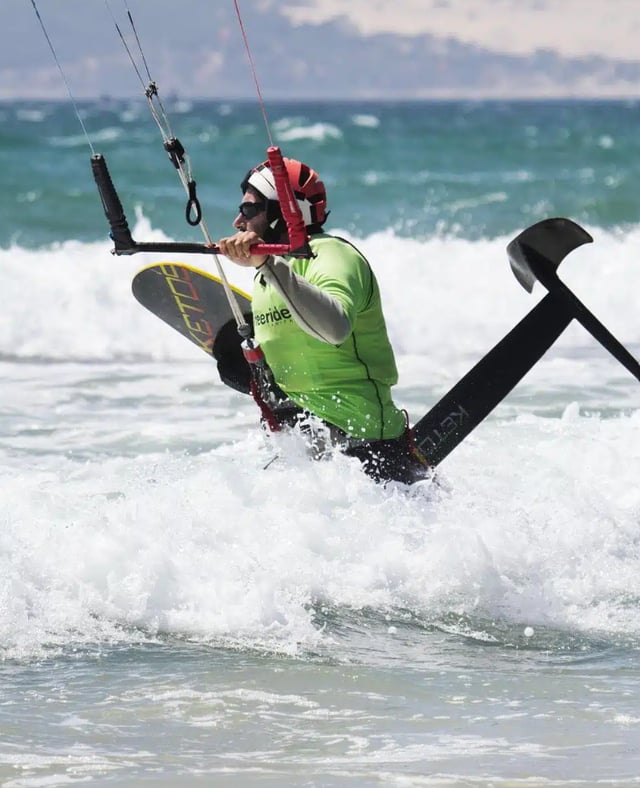
Kitesports and wind-powered board activities include a wide range of sports that use wind or electric power to propel riders across water or land. Popular disciplines include kite surfing, windsurfing, wingfoiling, wingsurfing, e-foiling, kite buggying, and landboarding. Each activity involves using a kite, sail, wing, or electric motor in combination with a board or buggy to move, balance, and steer through different environments.
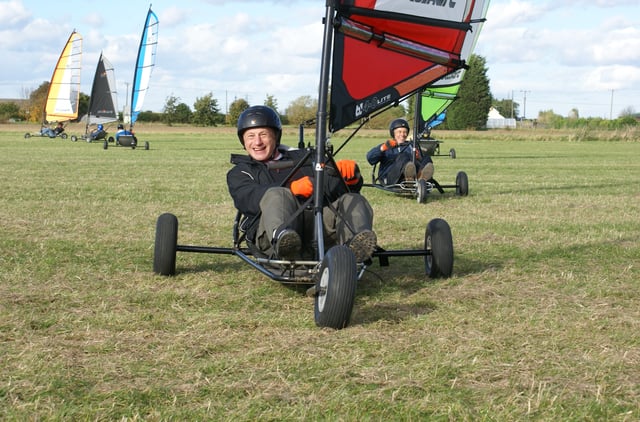
On the water, these sports challenge you to understand wind direction, kite control, and body positioning. Kite surfing uses large inflatable kites paired with boards to glide over waves or flat water, while windsurfing relies on a sail attached to a board to catch the wind. Wingfoiling and wingsurfing combine handheld wings with hydrofoil boards that lift you above the water’s surface for a smooth ride. E-foiling adds an electric motor to hydrofoil boards, allowing riders to glide even when wind conditions are light. On land, kite buggying involves sitting in a wheeled buggy pulled by a large kite, while landboarding uses a mountain board or similar off-road board powered by a kite.
The equipment across these sports varies widely in size, power, and complexity. Kites range from small, easy-to-handle models to large kites for advanced riders. Sails and wings differ in shape and control systems. Electric motors in e-foiling add another layer of technology. All require an understanding of wind strength, safety precautions, and basic handling to get started safely.
How Can You Get Involved?
Getting started with kitesports often begins with taster sessions or experience days. These fun, introductory experiences allow you to try handling kites, sails, or wings under instructor supervision without the commitment of a full course. Many land-based options, like kite buggying and landboarding, are accessible first steps since they don’t require swimming skills or open water confidence. These sessions help build kite control and wind awareness in a controlled environment.
If you want to develop beyond a one-off experience, structured lessons and courses are widely available. Beginner courses cover essential skills like understanding wind patterns, kite or sail handling, safety rules, launching and landing techniques, and basic riding skills on water or land. These lessons focus on building confidence and competence to safely enjoy the sport independently. More advanced courses teach manoeuvres such as jumps, turns, and navigation strategies in varying wind and water conditions.
Many training providers offer recognised qualifications that demonstrate your ability to handle equipment safely and competently. These certifications often allow you to hire equipment independently or access restricted areas. Continued training and practice are important for progressing in skill and safely managing more challenging environments.
Whether you want a fun, social experience trying kitesports for the first time or you aim to gain formal skills through lessons and qualifications, the variety of options means there’s something for everyone. Kitesports combine physical activity with technical skill, making them rewarding and enjoyable at all levels.