Mongolia is one of the least densely populated countries on earth, and that space defines the trip. Grassland rolls to the horizon, the Gobi turns to dunes and canyons in the south, and the Altai Tavan Bogd massif rises on the western border with China. Most international flights land at Ulaanbaatar, and from there you travel by 4WD, domestic flight or horse across aimags that still measure distance in days rather than kilometres. June to September is the main season for trekking and horse trips, while winter brings eagle festivals and bitter cold on the steppe.
Distances are long and roads can be rough after rain, so build spare days into your plan and pack layers for sun, wind and cold nights. Ger camps are the usual accommodation outside the capital: felt tents with stove heat, shared washing blocks and meals cooked by camp staff. You do not need to speak Mongolian for a packaged tour, though a few greetings go a long way with herder families.
Naadam, the summer festival of wrestling, archery and horse racing, fills Ulaanbaatar in July and ripples out to provincial towns. It is a cultural highlight rather than an adventure booking, but it shapes how busy flights and drivers are that month.
Central steppe and Karakorum
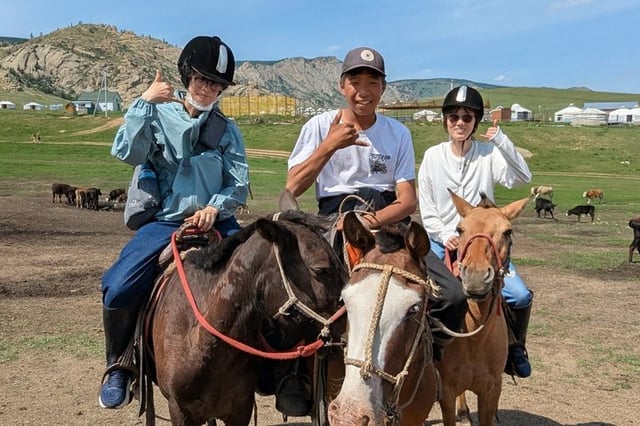
Ulaanbaatar and central Mongolia is where most journeys start. Gorkhi-Terelj National Park and the Bogd Khan foothills offer short hikes and beginner horse rides within a few hours of the capital. Further west, Kharkhorin and the Erdene Zuu monastery sit in Övörkhangay, the classic loop for multi-day riding between ger camps.
Lakes, taiga and the north
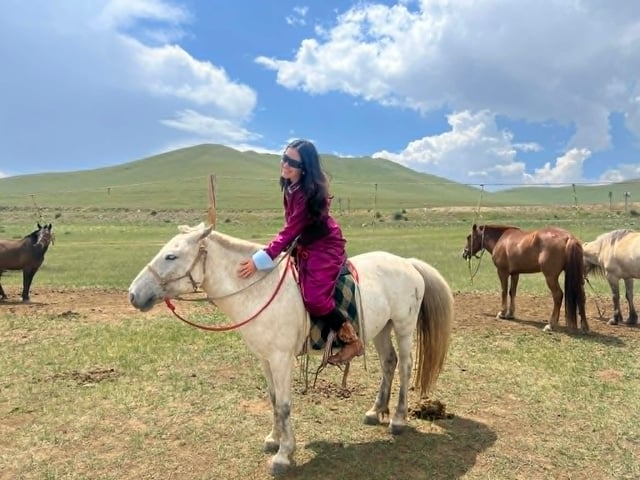
Khövsgöl and the north centres on Lake Khövsgöl, a deep freshwater lake where you can kayak, fish and walk forest trails in cooler summer weather. Arkhangai adds rolling steppe rides and hot springs, and the Orkhon Valley is one of the country's best-known horse-trekking corridors.
Altai west and the Gobi south
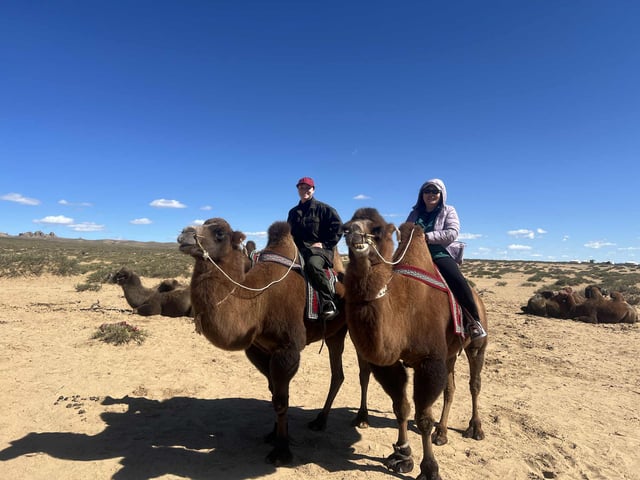
Western Mongolia and the Altai is remote even by Mongolian standards. Kazakh eagle hunters stage winter festivals in Bayan-Ölgii, and glacier treks on Altai Tavan Bogd suit fit walkers with time. In the south, the Gobi brings camel trekking among the Khongoryn Els dunes, walks at Bayanzag and long driving days between camps.
Culture on the road
Herder families may invite you into a ger for milk tea or airag, fermented mare's milk. Accept with thanks, remove your hat inside, and take a small gift if you are travelling independently. On organised tours your guide handles introductions. Dogs guard many camps, so ask before you wander between gers at night.
Where to base yourself
For a first week, split time between a central horse-trekking loop from Ulaanbaatar and a few nights in the Gobi or at Khövsgöl, depending on whether you want grassland, desert or lake. Western Altai trips need more lead time and often a domestic flight to Ölgii. The eastern steppe suits travellers who already know the country and want wide, quiet grassland.
Booking and getting started on adventuro
Most adventures run as guided packages with drivers, cooks and camp kit included. Shorter horse days and valley walks work well for beginners, while glacier approaches and long saddle days suit improvers and advanced riders. Use the Book here tab to see live dates, meeting points and what each operator provides.