
Deep in the Akumal jungle, a rescue sanctuary most travellers never find welcomes small groups for unhurried encounters with macaws, tortoises, crocodiles, deer and playful spider monkeys. You hear how each animal arrived and what rehabilitation means here, taste sacred Melipona honey, then cool off in a covered cenote far from the crowded tourist pools. Lunch back in Playa del Carmen wraps a day built for conservation-minded explorers and curious families.
After meeting in Playacar, you ride about an hour into the forest with your guide, who sets the tone for a slow, respectful visit rather than a quick photo stop. At the sanctuary a local nature expert walks the trails with you, introducing rescued macaws, giant tortoises, boas, crocodiles, hawks, deer and wild boar while explaining how a rescue centre differs from a zoo and how each animal is cared for.
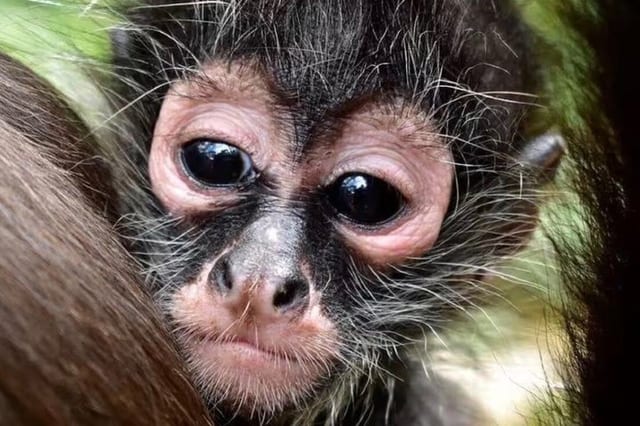
You pause at the Melipona bee hives to learn why Maya communities protect these stingless bees, then sample their tangy honey before watching endangered spider monkeys play in the trees. When the wildlife circuit ends, you change for a swim in a hidden covered cenote with life jackets for everyone, then return to Playa del Carmen for a shared restaurant lunch with the group.
The sanctuary sits in mature jungle inland from Akumal on the Riviera Maya, well off the main coastal tourist strip. Forest paths link the animal enclosures, bee area and cenote within the same property, so you stay immersed in nature instead of hopping between busy roadside attractions.
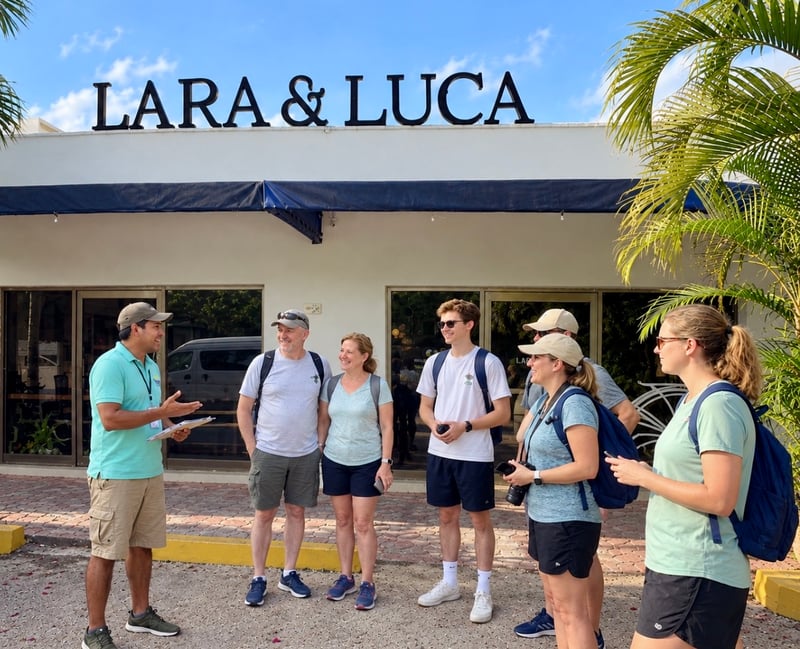
Your day begins and ends at Lara & Luca Restaurant in Playacar, Playa del Carmen, with air-conditioned transport included from there to the sanctuary and back. Free parking at the restaurant makes it easy if you drive; hotel transfers can be arranged separately if you prefer not to meet at the restaurant.
No wildlife or swimming experience is required. Walking is on natural trails with gentle pacing, and the cenote swim is optional with life jackets provided for non-swimmers.
Wear closed shoes suitable for jungle paths, and bring a swimsuit and towel for the cenote. Sunscreen is not allowed in the cenote; use a rash guard if you want extra cover, and choose biodegradable insect repellent only to protect the sanctuary and the water.
More than fourteen years guiding on the Riviera Maya means we partner with ethical sanctuaries and keep groups tiny so the animals and your questions get real attention. Transport, sanctuary entrance, cenote access, water and lunch are bundled into one coordinated day rather than a string of separate tickets.
Professional local guides travel with you throughout, alongside the sanctuary's own experts, with federally certified guides whenever archaeological rules apply on other routes we run. We cap this experience at ten guests, follow strict eco rules in the forest and water, and stay in touch on WhatsApp before and after your visit so logistics feel personal rather than mass-market.
Meet your guide at Lara & Luca in Playacar, check in with the restaurant staff, and hear how the day will unfold before the group sets off toward Akumal.
Ride through the Riviera Maya landscape while your guide introduces the sanctuary mission and the wildlife you are about to meet.
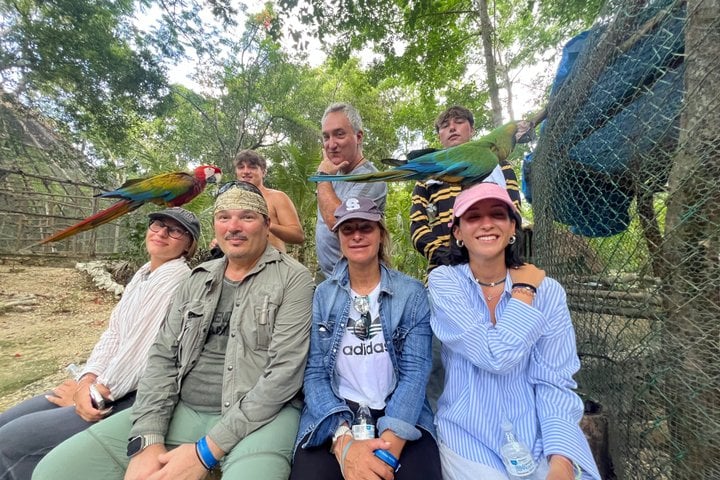
Walk with the sanctuary nature expert past rescued birds, reptiles and mammals, learning how each animal arrived and how rehabilitation works here.
Taste Melipona honey and watch endangered spider monkeys play overhead while your guide explains conservation efforts for both species.
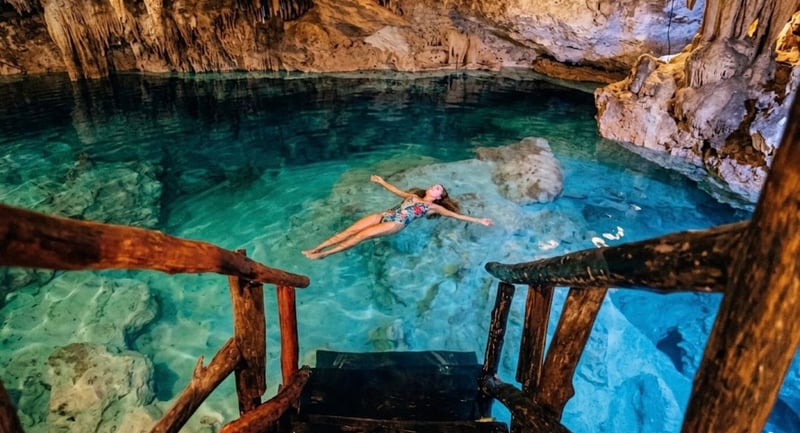
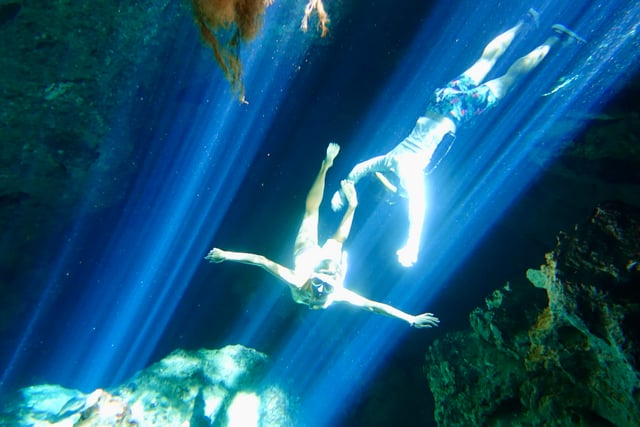
Cool off in a covered jungle cenote with crystal-clear water and provided life jackets before changing for the return drive.
Share lunch at Lara & Luca with the group when your rate includes the restaurant meal.
No. The site is a rescue and rehabilitation sanctuary, not a commercial zoo. Animals arrive because they were injured, confiscated from illegal trade or could not survive in the wild, and the focus is welfare and conservation education rather than performances.
Your visit supports that mission while giving you unhurried time to listen to each animal's story with the sanctuary's nature expert walking beside you.
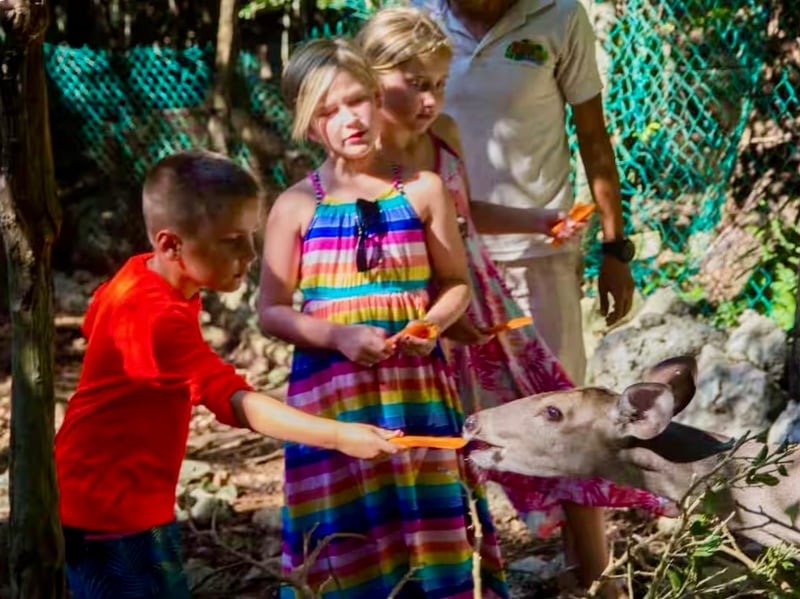
Contact is limited to what the sanctuary allows for safety and animal welfare. Spider monkeys and other residents are observed at respectful distances, and your guide explains the rules before each enclosure.
This keeps stress low for recovering wildlife and gives you a more authentic picture of how a rescue centre operates day to day.
Children aged five and over are welcome with adult supervision on the trails and in the cenote. The pace is gentle, though young guests should be comfortable with jungle insects and occasional loud bird calls.
Life jackets are provided for the cenote swim, and lunch back in Playa del Carmen suits families as well as adult travellers.
Expect short walks on natural paths between sanctuary areas and the cenote, with plenty of stops to listen and watch. The ground can be uneven or muddy after rain, so closed shoes with good grip are important.
Your guide adjusts speed for the group and builds in shade breaks so the day feels informative rather than exhausting.
Melipona bees are stingless native bees that Maya communities have tended for centuries. Their honey was considered sacred and used in ceremonies and traditional medicine.
During the visit you learn why the bees are endangered today, how local keepers protect them, and you taste honey with a distinctive tangy flavour unlike supermarket varieties.
Swimming is optional. Life jackets are provided if you want to float in the covered cenote after the sanctuary tour, and you can stay dry on the platform if you prefer.
The water is fresh and cool, a rewarding contrast to the humid forest, and changing rooms let you swap into dry clothes before the drive back to Playa del Carmen.
Sunscreen is not permitted in the cenote because chemicals damage the freshwater ecosystem. A rash guard gives better protection if you swim.
Only biodegradable insect repellent is allowed in the sanctuary and at the cenote; you can buy suitable products on site if you arrive without them.
Bottled water is provided during the day. Lunch in Playa del Carmen includes three courses with a drink Monday to Friday, or a main course with a drink on weekends and public holidays, with vegetarian options available.
The meal is a relaxed end to the day where the group can talk through favourite wildlife moments before heading off.
English and Spanish guiding is standard for the transport and overview, while the sanctuary expert may share deeper detail in Spanish with your guide translating as needed.
Italian can be requested in advance when available, so briefings and commentary match your group where possible.
Photography is welcome for personal use in areas where the sanctuary allows it. Flash and drones are restricted, and your guide will point out the best moments for macaws, monkeys and the cenote without stressing the animals.
Please follow any signage about sensitive species so your memories support conservation rather than disturbance.
We partner with Rewilding Britain to help protect our natural spaces for future adventures.
All centres are vetted for safety and quality. Your adventure is in good hands with adventuro.

Sobre el centro
Playa del Carmen
Operado por Soul Experiences Mexico, un partner de adventuro.
Riviera Maya & Caribbean Coast, Mexico
Desde $169