
We partner with Rewilding Britain to help protect our natural spaces for future adventures.
All centres are vetted for safety and quality. Your adventure is in good hands with adventuro.
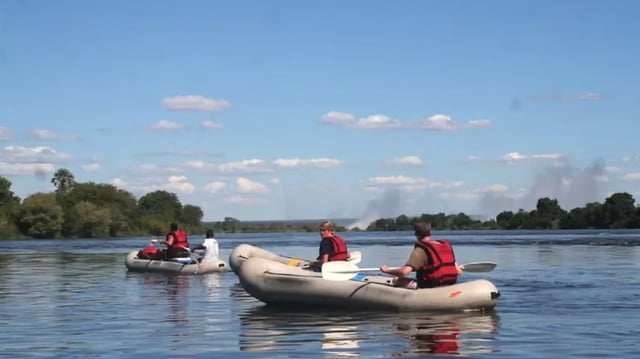
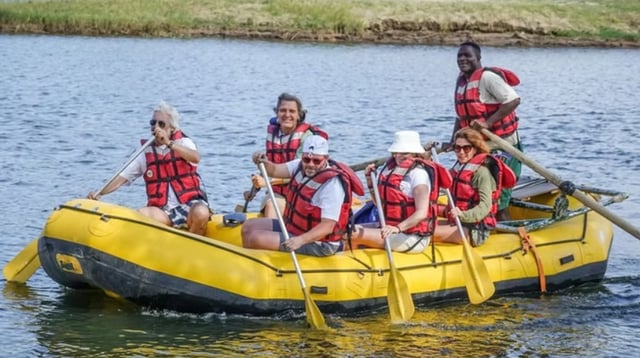
Drifting along the Upper Zambezi offers a calm way to experience the river’s wildlife and scenery without the intensity of rapids. This full-day float focuses on gentle channels, quiet stretches of water, and the chance to watch animals move through their natural surroundings. It’s suited to anyone who enjoys slow-paced time on the river and wants a closer look at life above Victoria Falls.
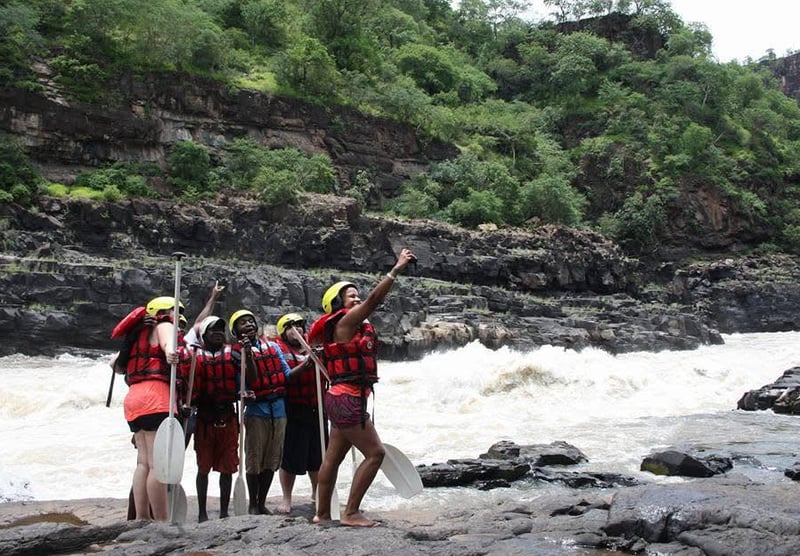
A full day on the river begins with a hotel pick-up from either Livingstone or Victoria Falls town, followed by a drive toward the Batoka Gorge. At the launch site, guides introduce the group to the conditions, equipment, and paddling techniques. Once fitted with helmets, buoyancy aids, and paddles, you make your way toward the river’s edge and descend into the canyon. The setting quickly shifts from open views to steep basalt walls as you start the first section of paddling.
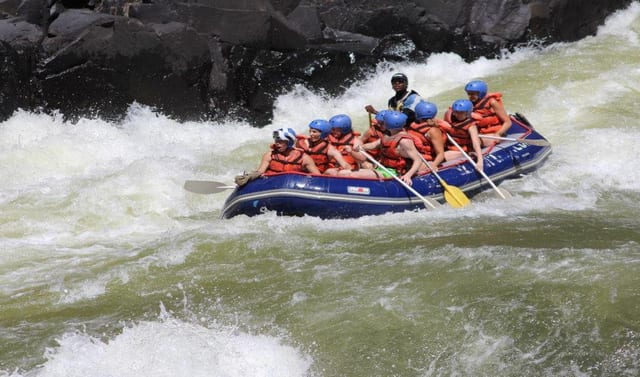
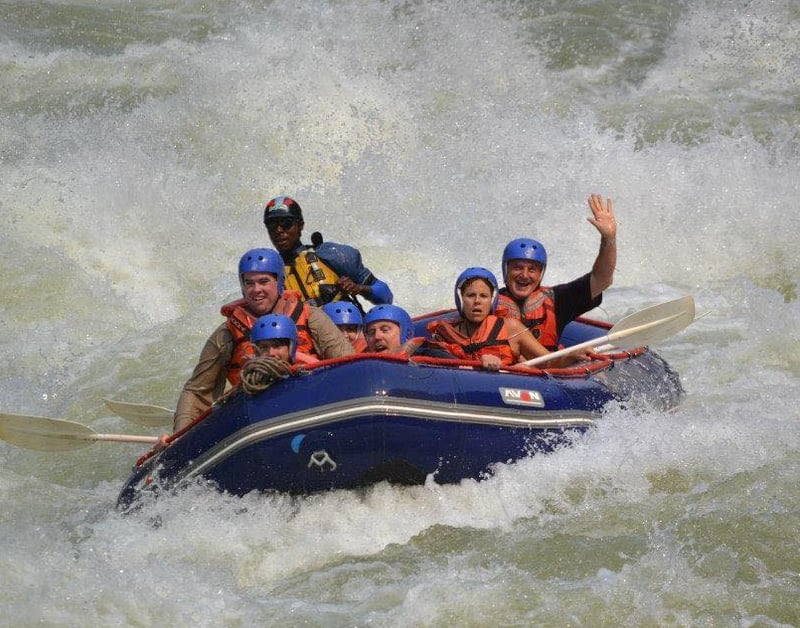
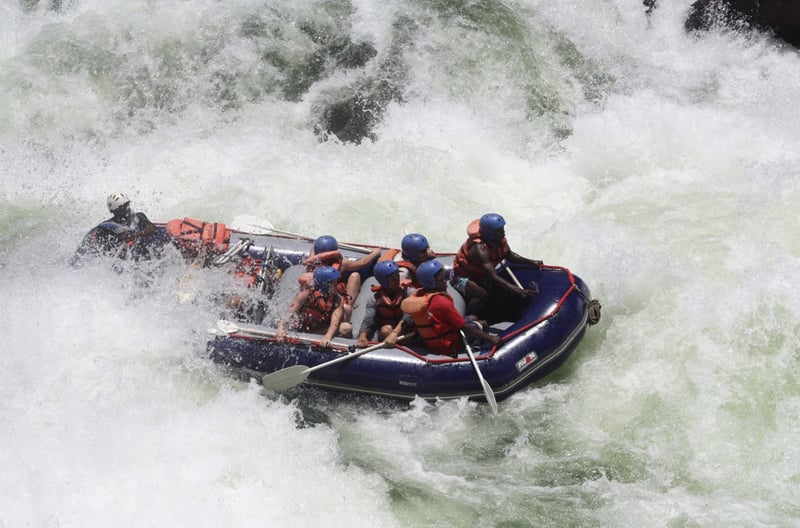
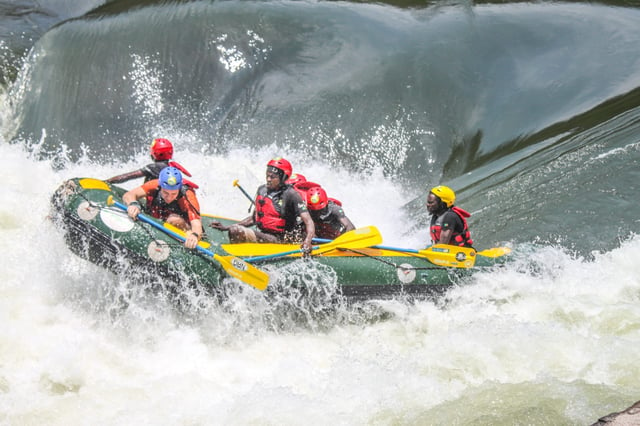
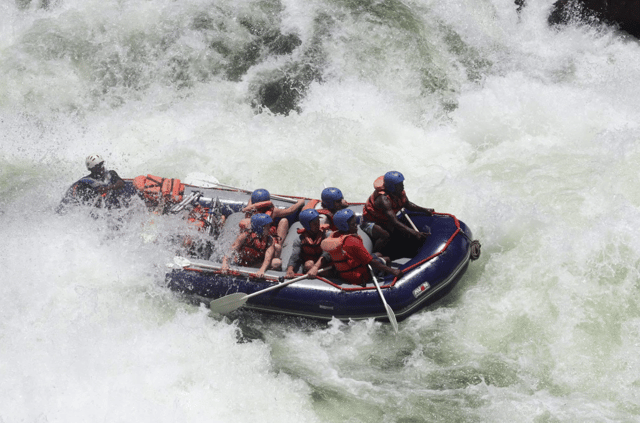
During high water, the route focuses on safe yet energetic Class III–IV rapids. You’ll move through fast-moving channels, drops, and wave trains that require teamwork and clear communication. Well-known features along this section include Overland Truck Eater, The Narrows, and Morning Glory, each offering its own style of movement through the water. Between the rapids, there are calmer sections where you can take in the cliffs, spot birdlife, and enjoy the quieter stretches of the river.
A relaxed area later in the trip allows time to float or swim if conditions are appropriate. The gorge exit involves a short but steep climb, assisted by the river team. At the top, a freshly prepared riverside lunch awaits, giving everyone a chance to refuel and share stories of the day’s highlights. The trip concludes with a scenic drive back to town, returning you to your hotel by mid-afternoon.
The rafting experience takes place in the Upper Batoka Gorge on the Zambian side, a region shaped by the power of the Zambezi as it moves downstream from Victoria Falls. The canyon is known for its basalt cliffs, warm river water, and shifting channels influenced by seasonal flows. Travelling through this area offers opportunities to see wildlife, riverbank vegetation, and geological formations within a relatively untouched environment.
The transfer route to the launch and exit points follows a network of local roads that run parallel to the gorge. These roads pass rural areas, small communities, and sections of the national park, giving guests a look at the surroundings beyond the river itself. Both the launch and exit points vary depending on water levels and river conditions, which guides monitor daily to ensure safety.
Rafting in high water requires a reasonable level of general fitness, as guests may need to paddle strongly during certain rapid sequences and complete the walk out of the gorge. While previous rafting experience is not required, being comfortable in moving water and having good mobility helps ensure you get the most out of the adventure.
Participants should be prepared for uneven ground, variable temperatures, and potential exposure to sun and spray throughout the day. Guides provide all technical instruction and support, but it’s important that every guest follows safety directions and communicates any concerns before launching onto the river.
This operator builds each adventure around the individual preferences of its guests, focusing on flexible planning rather than strict, fixed packages. Whether someone wants more time taking photos, asking questions about the river system, or adjusting pace on the water, trips are adapted to suit different comfort levels. Their team understands that every group is unique and believes in shaping experiences that feel personal and memorable.
The company is deeply rooted in the Livingstone community, with guides who have spent years learning the river’s character through the seasons. They specialise in water-based adventures and combine local insight with strong safety standards. Guests benefit from expert guidance, considered trip design, and support that extends beyond the river—covering logistics, special requests, and additional activities when needed.
During high water, the Zambezi becomes faster and more powerful, but the route used is selected to balance excitement and safety. The rapids usually fall within Class III–IV, meaning they have sizeable waves and require coordination but are still manageable for most first-time rafters. Guides explain how each rapid works, what to expect, and how to paddle effectively as a team. Regular safety reviews take place along the route so everyone remains calm and prepared.
The nature of high water means some rapids become too large to run safely, so guides switch to alternative sections that remain within safe limits. This ensures you still experience the energy of the river without entering areas beyond the recommended threshold. Decisions about the day’s line-up are based on real-time assessments, providing a trip that feels adventurous but controlled.
The briefing covers paddling technique, how to sit in the raft, and how to react if the boat enters a wave or is pushed sideways. Guides demonstrate how to hold the paddle correctly, how to brace your feet, and how to listen for commands such as “forward,” “stop,” and “get down.” You’ll also see demonstrations of recovery techniques and learn what support the safety kayakers provide throughout the day.
Guests have time to ask questions and get comfortable with their equipment before heading into the gorge. The guides also check that all life jackets and helmets are fitted correctly and confirm that everyone understands the plan for the first section of the river. This briefing is designed to reduce uncertainty and help guests feel confident by the time the raft launches.
The Batoka Gorge is home to several species of birds, including raptors, swallows, and herons that make use of the airflow and abundant food sources. During calmer stretches, you may notice small reptiles on sun-warmed rocks or see fish disturbing the water’s surface. While wildlife sightings are never guaranteed, the gorge has a surprisingly varied ecosystem that reveals itself when the river slows.
Occasionally, guests spot animals such as baboons or small antelope near the gorge rim. Larger animals like hippos are more common in upper sections of the river rather than inside the gorge itself, but guides keep a lookout for any potential encounters. Most wildlife remains at a safe distance, and the team ensures the river route avoids areas of animal activity whenever appropriate.
The hike out of the canyon is short but steep, following a path that zigzags up basalt slopes. It requires good balance and steady footing, as the trail includes uneven steps carved into the rock and loose gravel in some sections. The guides often help with pacing, giving breaks at shaded spots and supporting guests who need assistance.
Because the gorge walls trap heat, temperatures can feel warmer during the ascent. Water is provided before the group starts climbing, and the support team moves at a speed that suits everyone. Most people find the climb manageable if taken steadily, and the vehicle waiting at the top provides a welcome rest before lunch.
Lunch typically includes sandwiches, fresh fruit, and cold drinks set out at a shaded spot overlooking the gorge. The emphasis is on simple, fresh food that helps you recover after paddling. Drinks include soft drinks and water, ensuring guests can rehydrate before the drive back to town.
The atmosphere during lunch is often relaxed, giving guests time to chat with each other and the guides. People swap stories about their favourite rapid or moment on the river. This break also marks a natural end to the physical part of the day, allowing everyone to unwind before returning to town.
No previous rafting experience is required for this high-water trip. The guides assume that many guests are first-timers and structure the briefing and early paddling sequences accordingly. The raft positions are assigned based on comfort level, and guests who feel more confident can choose to sit closer to the front where the water is more active.
Guides monitor how each group paddles during the first few rapids and adjust instructions as needed. Once guests understand the basic rhythm of calls and responses, the day becomes more intuitive. The structure of the trip gives new rafters a satisfying sense of progression without overwhelming them.

Sobre el centro
Livingstone, Zambia
Operado por HSM Adventure Tours and Safaris, un partner de adventuro.
Southern Province, Zambia
Desde $155
Southern Province, Zambia
Desde $130
Cumbria, United Kingdom
Desde £173.65
Cumbria, United Kingdom
Desde £102
Cumbria, United Kingdom
Desde £180
Cumbria, United Kingdom
Desde £182

Llangollen, North Wales
Desde £68.25
Cumbria, United Kingdom
Desde £200

East Central Scotland, United Kingdom
Desde £65