We partner with Rewilding Britain to help protect our natural spaces for future adventures.
All centres are vetted for safety and quality. Your adventure is in good hands with adventuro.
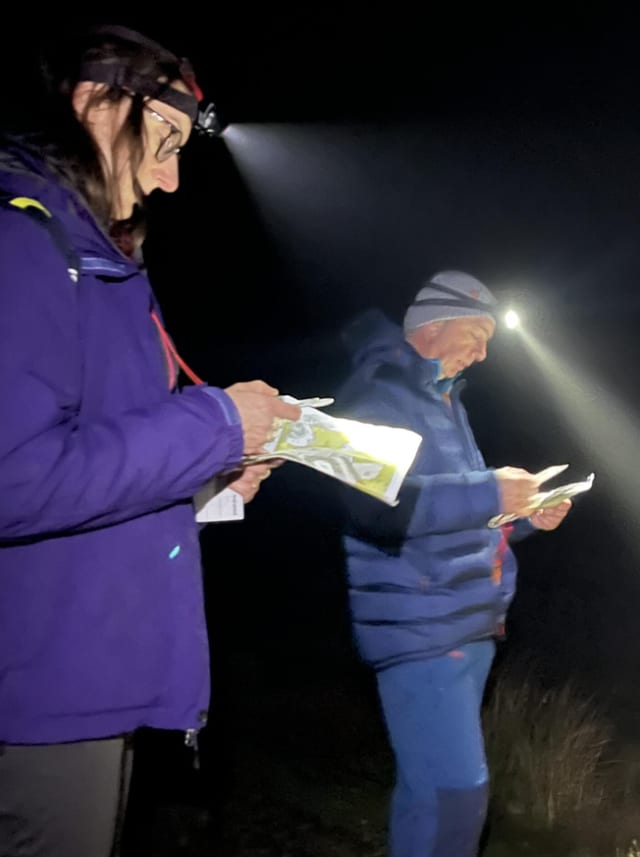
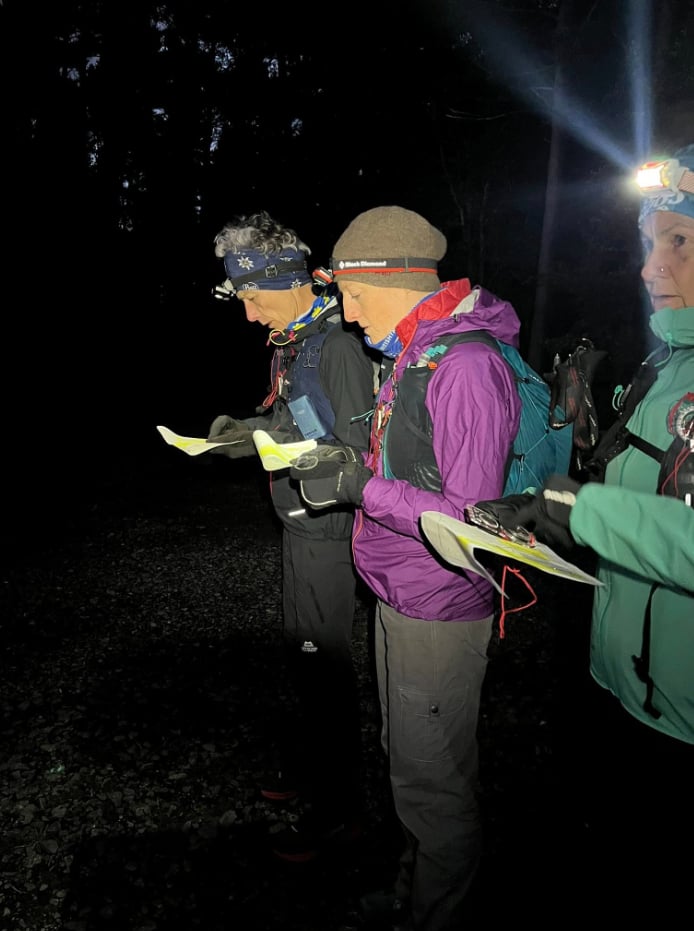
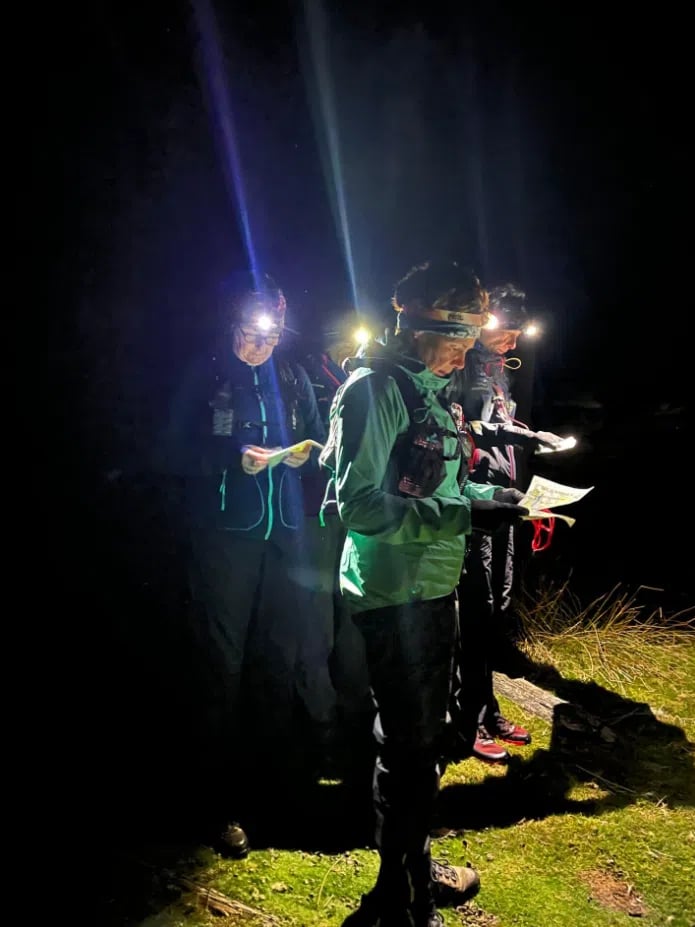
Heading into the hills after dark offers a completely new challenge for those familiar with daytime navigation. This focused evening session is designed to build confidence and precision in low-visibility conditions, helping participants apply their map and compass skills when natural light is limited. It’s a great way to expand your abilities while experiencing the quiet, atmospheric side of the outdoors.
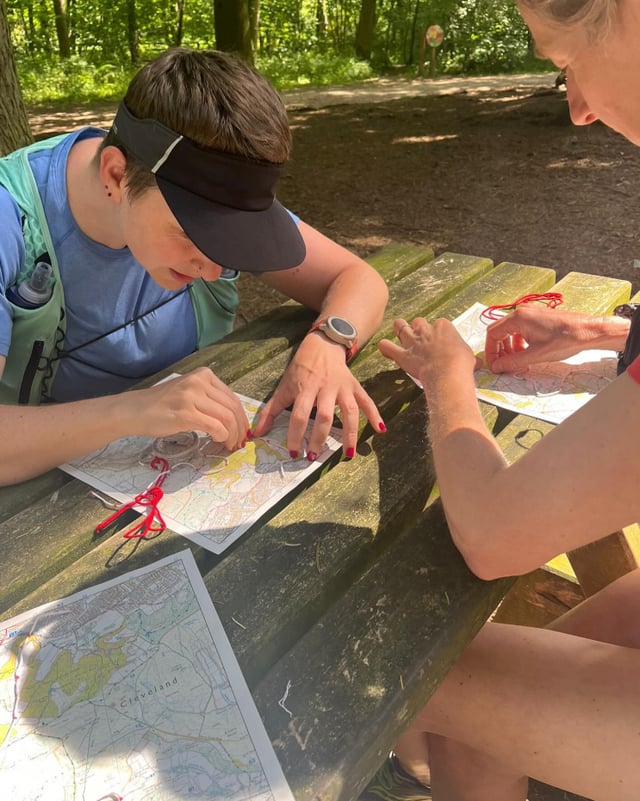
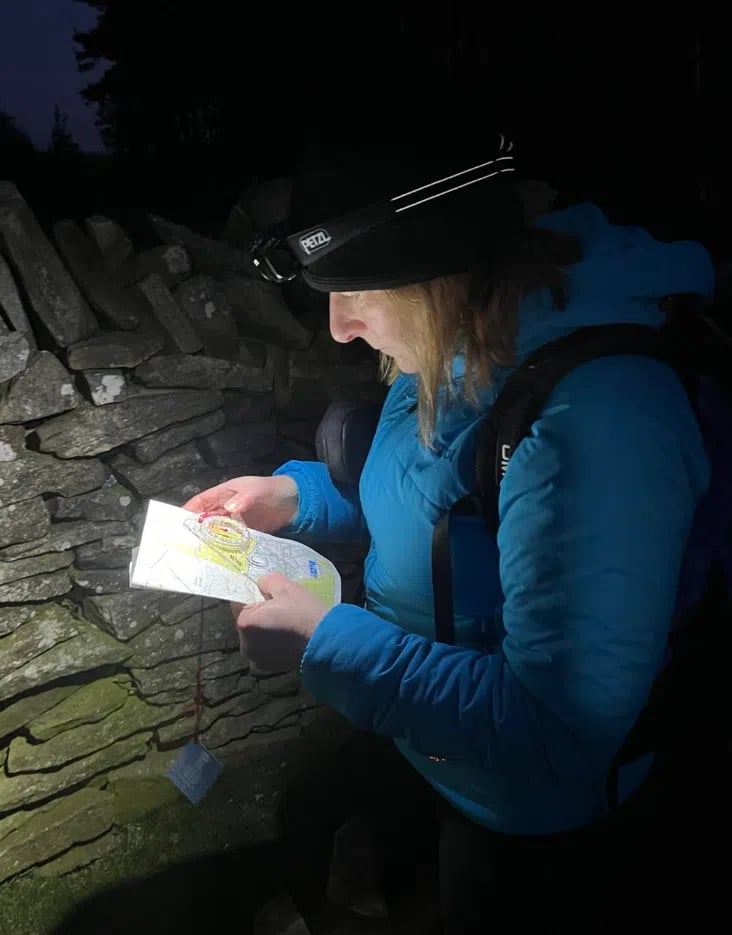
As daylight fades, the course begins with a quick recap of essential navigation methods before heading into the forest to put them into practice. Participants learn how to orientate maps under torchlight, take accurate bearings, and move between features using both compass and contour interpretation. The session focuses on building awareness of surroundings through subtle visual cues, sound, and texture.
Navigating in low light requires careful attention and calm decision-making. You’ll learn how to trust your tools, understand how light conditions affect map reading, and recognise common night navigation errors. The experience not only develops technical skills but also builds confidence in staying safe and composed during evening or early-morning adventures.
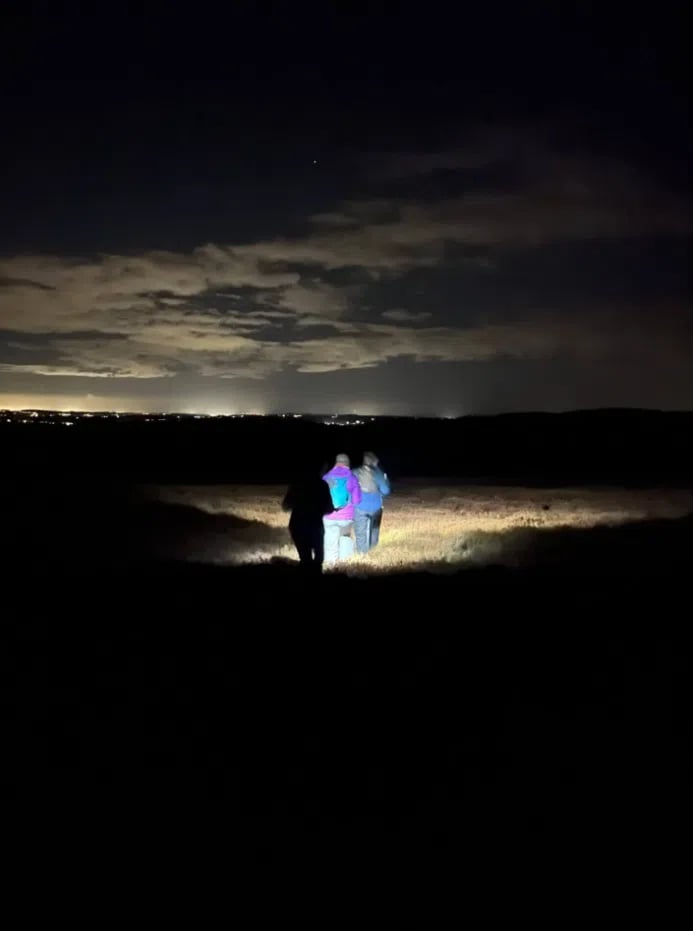
Hamsterley Forest provides a varied training environment that’s perfect for developing navigation confidence after dark. The mixture of sheltered woodland and nearby open moorland creates realistic scenarios for practising bearings, pacing, and navigation between subtle features. Its remote setting also offers some of the darkest skies in England, allowing for a true night navigation experience.
Sessions often make use of the quieter forest paths and open sections that allow clear reference points. As participants gain confidence, the route may include short off-path sections where terrain recognition and compass use are tested in more challenging surroundings.
You should already be comfortable with basic navigation, including orientating a map and taking simple compass bearings. The session builds on those abilities by adding the extra challenge of limited visibility. If you’ve completed an introductory navigation course or have equivalent experience, you’ll be well prepared to take part.
Outdoor clothing suited for cold evening conditions is essential, along with a head torch and spare batteries. Waterproofs, gloves, and warm layers will ensure you remain comfortable throughout. The session involves steady walking, with some uneven ground underfoot, so suitable footwear is recommended.
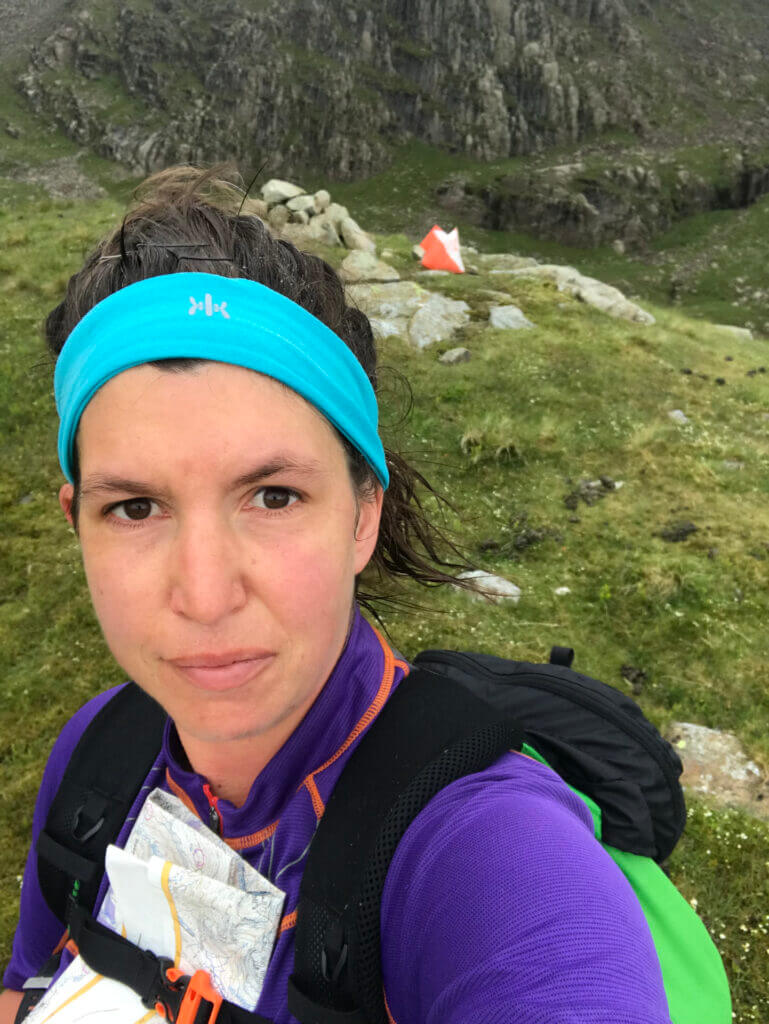
Led by Fran, an experienced outdoor coach and fell runner, the centre offers a supportive and engaging learning environment. Fran’s calm, encouraging style helps participants feel confident experimenting with new skills, even in the dark. Her experience across a wide range of terrain and weather conditions ensures every session is safe, well-organised, and tailored to the group’s pace.
The centre’s approach focuses on practical, hands-on learning rather than theory alone. By keeping group sizes small, everyone receives personal guidance and constructive feedback. Whether you want to prepare for an evening mountain challenge or simply enjoy extending your outdoor skills, the centre provides expert tuition and an enjoyable, confidence-building experience.
You don’t need to be an expert, but you should already know how to read a map and use a compass during the day. The course is designed for those who want to transfer those abilities to night conditions, where visibility and spatial awareness are more challenging.
If you’ve previously attended an introductory navigation course or are confident using bearings in daylight, you’ll find this session the perfect next step. The focus is on applying your existing knowledge, not starting from scratch.
Yes, absolutely. The navigation courses are open to anyone who wants to learn or improve their map and compass skills, regardless of gender. The focus is entirely on developing practical navigation abilities and confidence in the outdoors, so everyone is welcome.
Some sessions may occasionally be tailored for specific groups, such as women’s courses or youth sessions, but the majority are open to mixed groups. Every participant receives the same level of attention and guidance, and the aim is always to create a relaxed, supportive environment for learning.
Yes — all sessions are carefully planned to take place in controlled, suitable areas within Hamsterley Forest. Fran ensures every route is safe and manageable for the group’s experience level, with constant awareness of weather, terrain, and visibility.
Participants are briefed on night-specific safety considerations, such as torch management and staying together as a group. You’ll always be supported and guided throughout.
A reliable head torch with spare batteries is essential, as are warm layers, gloves, and waterproof clothing. The weather can change quickly in the evening, so being prepared helps keep the session enjoyable.
It’s also a good idea to bring a small backpack with water and a snack for a mid-session break. Maps and compasses will be provided unless you prefer to use your own.
The route length varies depending on the group’s pace and learning objectives, but the focus is on skill development rather than covering long distances. Expect steady walking over uneven terrain, with plenty of pauses to discuss navigation decisions.
Participants can expect to walk between 2 and 4 kilometres during the evening, depending on the exercises undertaken and the terrain covered.
Absolutely. Many runners and walkers use night navigation training to prepare for events that involve overnight stages or poor-visibility sections. The techniques taught apply directly to those scenarios, building confidence for future challenges.
You’ll leave the session with a clear understanding of how to manage your pace, direction, and decision-making when visibility is low — essential skills for endurance and mountain navigation events.
About the centre
Bedburn, Hamsterley
Operated by Run Like a Haggis, a partner of adventuro.