We partner with Rewilding Britain to help protect our natural spaces for future adventures.
All centres are vetted for safety and quality. Your adventure is in good hands with adventuro.
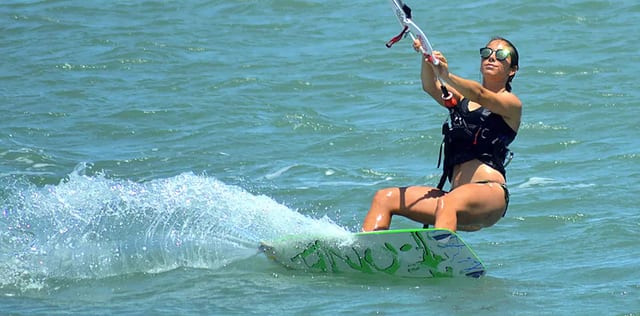
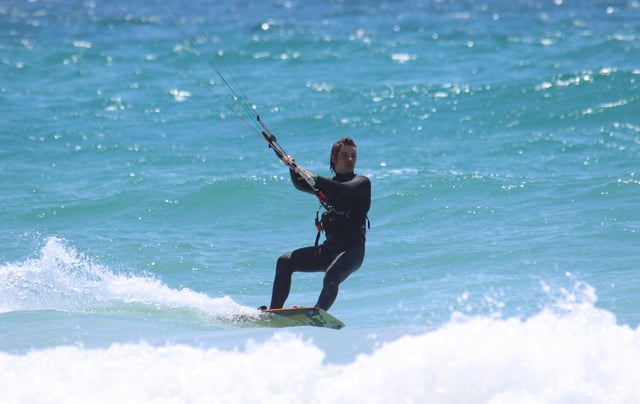
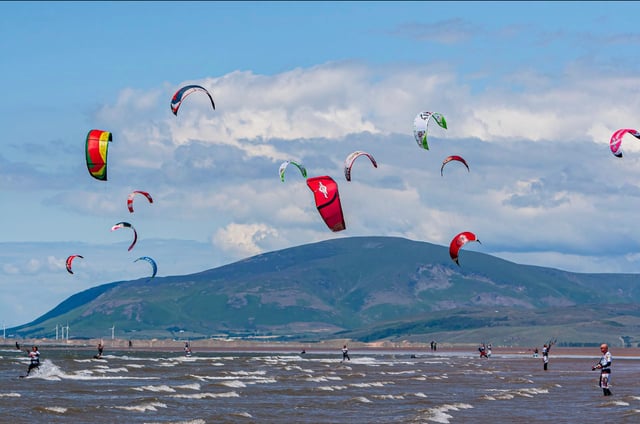
Warm shallow-water conditions, steady wind and spacious riding areas make this beginner kitesurfing course a great introduction to the sport. Designed for fast learners and those with previous board sport experience, the course combines practical water sessions with safety training and kite control techniques over two to three days.
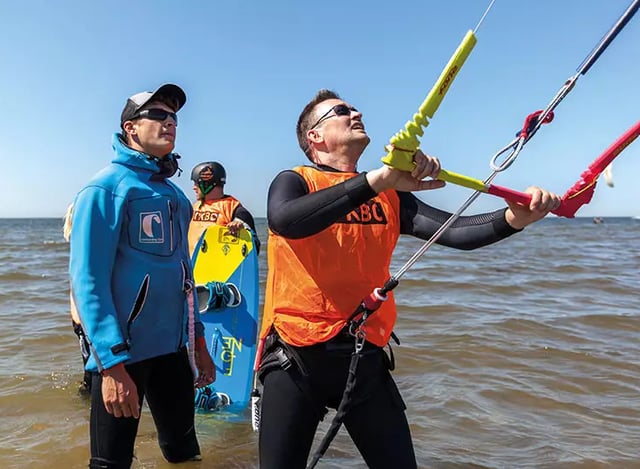
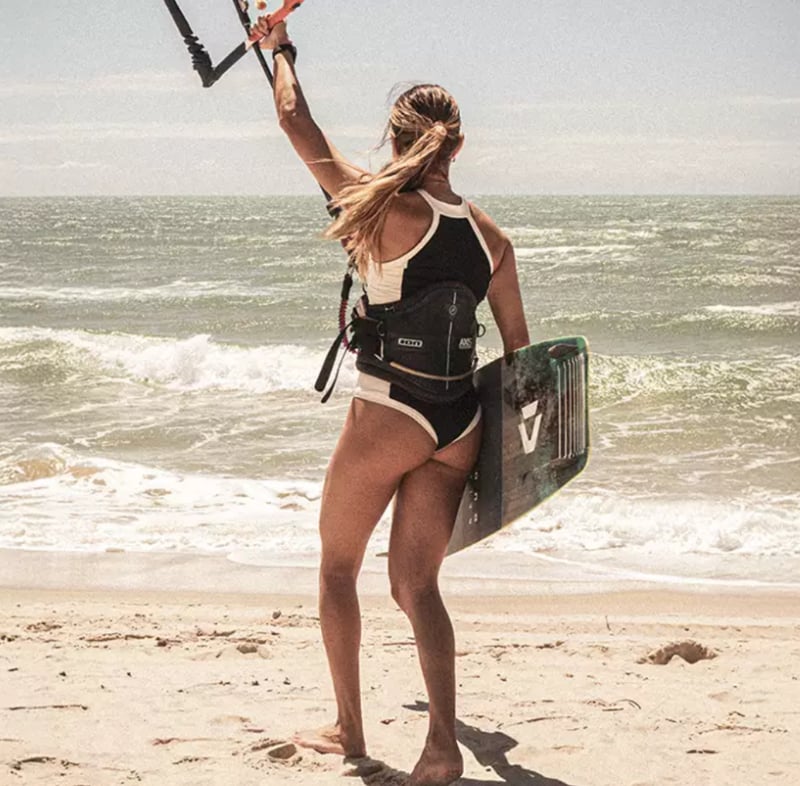
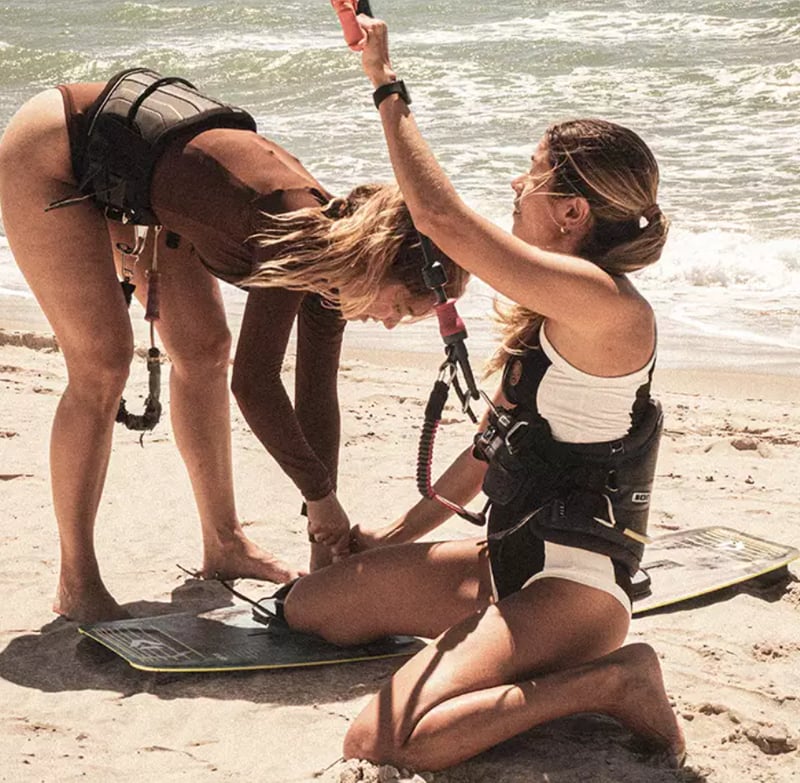
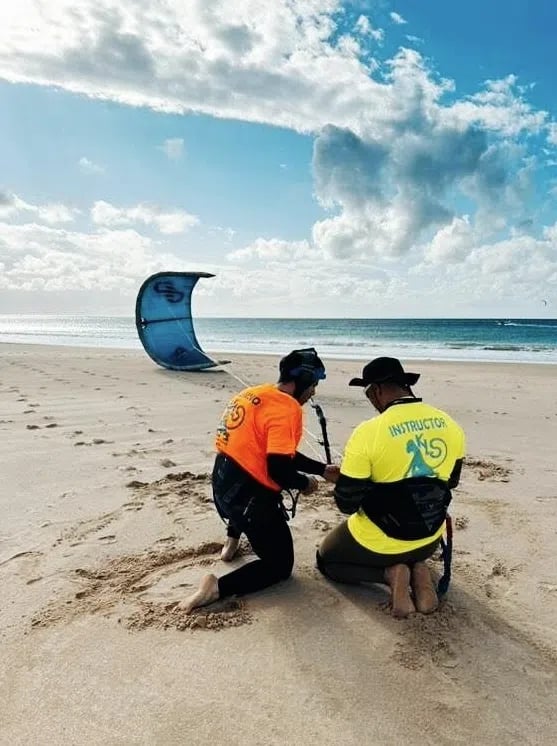
Training begins with an introduction to the equipment used throughout the course, including boards, harnesses and modern four-line delta kites. Instructors explain how to safely prepare and set up the kite before moving into the essential safety systems used both on land and in the water. Early sessions focus heavily on understanding wind behaviour, controlling the kite confidently and building awareness of the riding environment.
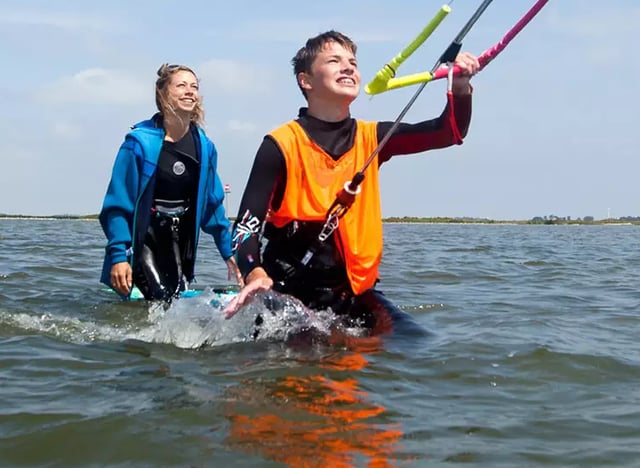
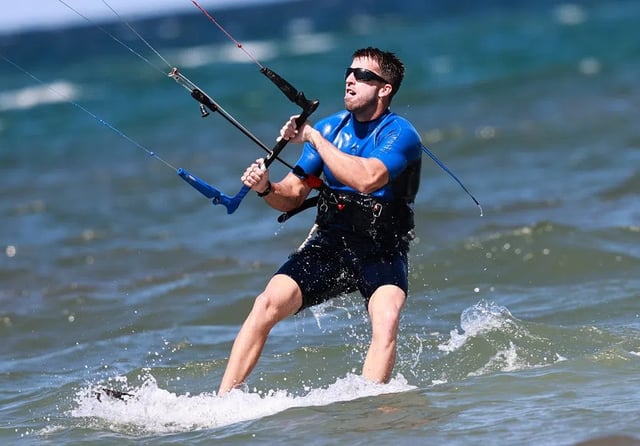
Once comfortable flying the kite, participants move into practical exercises designed to prepare them for independent riding. Body dragging exercises teach control and positioning in the water while helping students become familiar with generating controlled power from the kite. The shallow-water lagoon conditions near the centre provide extra space and calmer areas for practising these movements safely.
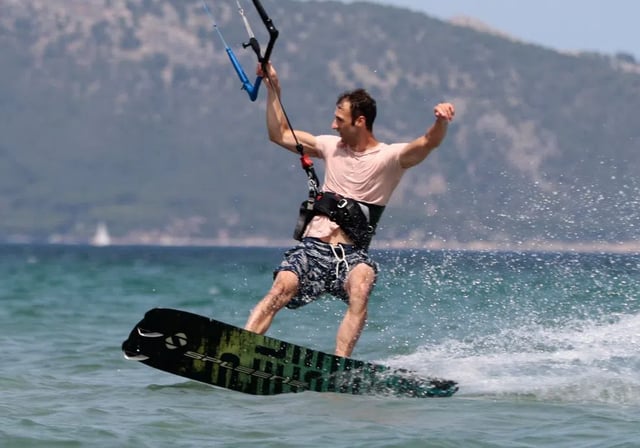
As the course progresses, attention turns towards board work and water starts. Students begin learning how to coordinate kite movement with standing on the board before progressing into their first controlled rides downwind. Plenty of practical riding time is included during the later stages of the course to help movements feel more natural and build confidence on the water.
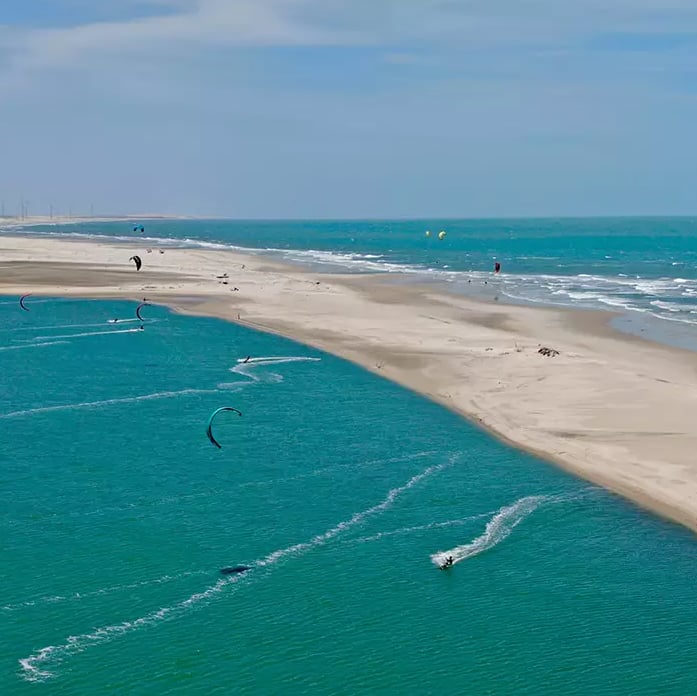
Located along Brazil’s northeastern coastline, the riding area combines a tidal lagoon with direct access to the sea only a short distance away. During high tide, the lagoon becomes wider and shallower, creating ideal beginner-friendly conditions for learning water starts and practising kite control in calmer water.
Beyond the lagoon, more advanced conditions can be found near the river mouth and in the open sea, although beginner lessons remain focused within the safer learning areas close to shore. The wide sandy beaches and consistent wind conditions make the area especially well suited to progression-based kitesurf training.
Previous kitesurfing experience is not required for this course. Participants who already have experience in other board sports, wind sports or snow sports may progress more quickly, but complete beginners are also welcome.
A reasonable level of fitness and confidence in the water will help during the practical exercises. The course is structured to build skills step by step, allowing students to progress at a comfortable pace depending on the daily conditions.
The centre is positioned directly beside the lagoon, allowing lessons to begin close to the main training area without long transfers or crowded launch zones. Beach staff are available to assist with launching, landing and equipment preparation throughout the course, helping sessions run smoothly each day.
Training focuses on building practical independence rather than rushing through exercises. By combining structured instruction with longer practice periods on the water, students have more time to repeat movements, improve consistency and gain confidence before riding independently.
Yes. The course is designed for beginners learning kitesurfing for the first time, although it also works well for people with previous experience in sports such as wakeboarding, surfing or snowboarding.
Lessons begin with the basics of kite control and safety before moving gradually into water exercises and riding techniques, allowing students to build confidence step by step.
The total course duration is eight hours, usually spread across two to three days depending on weather, wind and tide conditions. Session timings may vary slightly each day to match the best riding conditions available.
Spacing the lessons over multiple days also gives students time to rest between sessions and absorb what they have learned before returning to the water.
Early sessions focus on understanding the equipment, learning safety systems and practising kite control on land before entering the water. Instructors also explain wind direction, launching procedures and safe riding areas.
Once students are comfortable controlling the kite, they begin water-based exercises including body dragging and relaunch practice.
Yes. The course progresses towards water starts and short downwind rides once students are comfortable controlling the kite safely in the water.
How quickly participants reach this stage depends on their confidence, coordination and the daily conditions, although practical board work is included within the programme.
Group sizes range from two to six participants. Smaller groups allow instructors to provide more individual feedback while still keeping the atmosphere social and supportive.
Sessions are organised according to experience levels and conditions to help everyone progress comfortably.
Yes. Several extended package options combine the beginner course with additional rental days so participants can continue practising independently afterwards.
These packages are often more cost-effective than arranging rental separately once on site.


About the centre
Ceará
Operated by Kiteboarding Club Parajuru, a partner of adventuro.