We partner with Rewilding Britain to help protect our natural spaces for future adventures.
All centres are vetted for safety and quality. Your adventure is in good hands with adventuro.
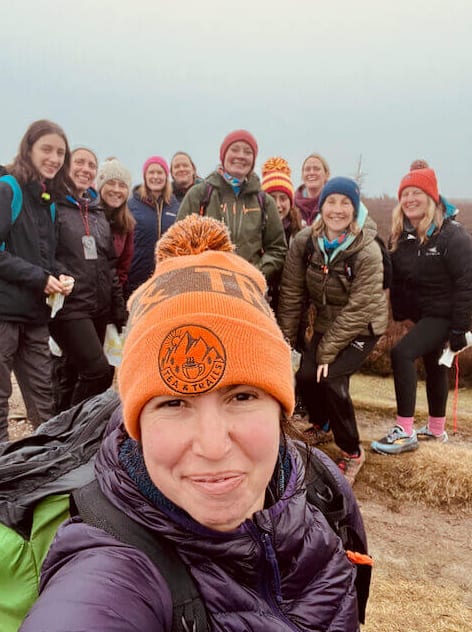
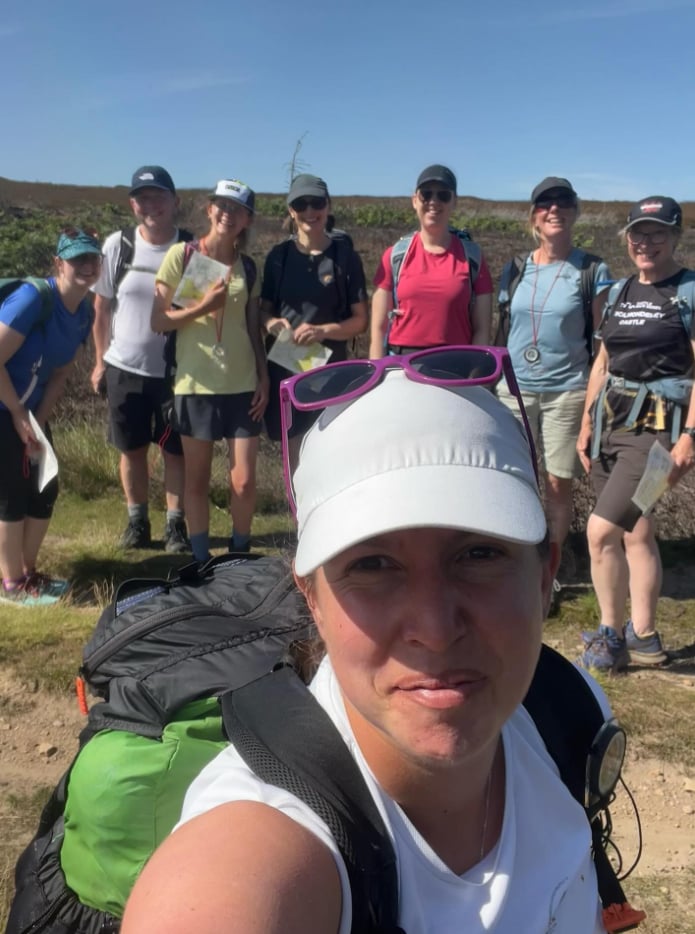
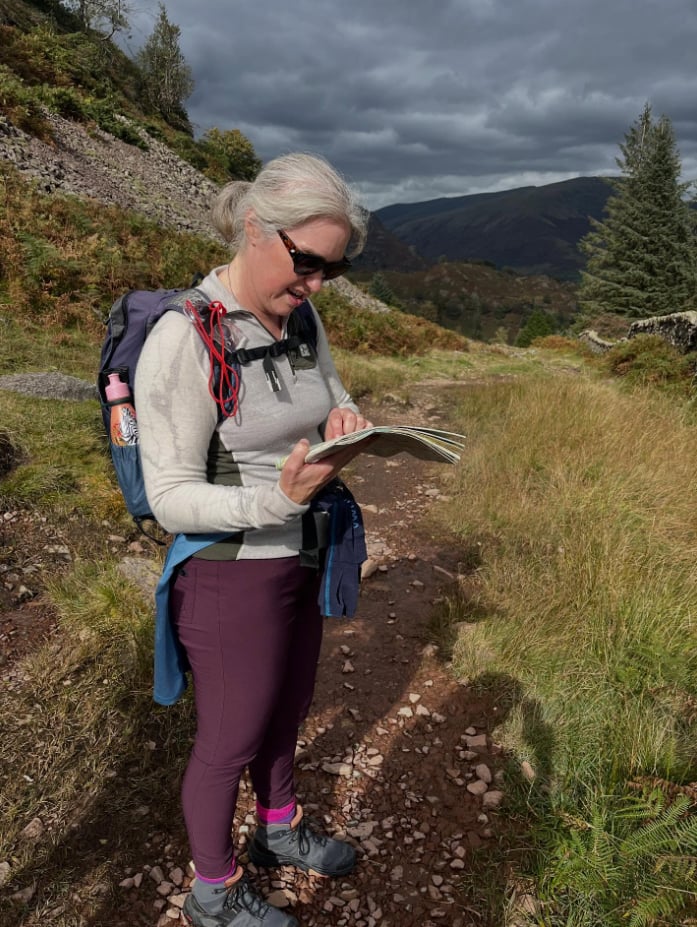
Build your confidence with map and compass navigation on this practical, hands-on course designed for walkers and runners. Through guided exercises at a steady walking pace, you’ll develop the essential skills to plan routes, interpret terrain, and navigate safely in the outdoors. By the end of the day, you’ll have the knowledge to set out on your own with greater independence and understanding of how to stay safe in wild spaces.
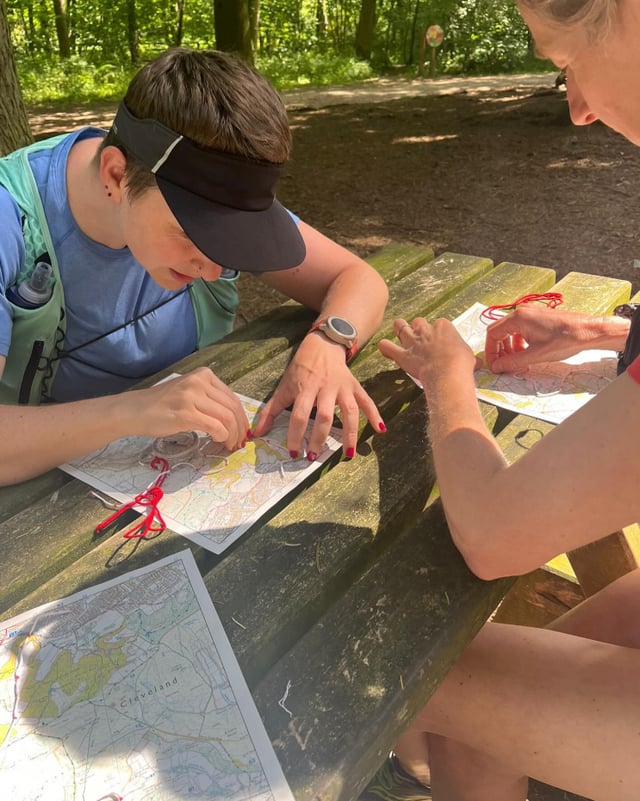
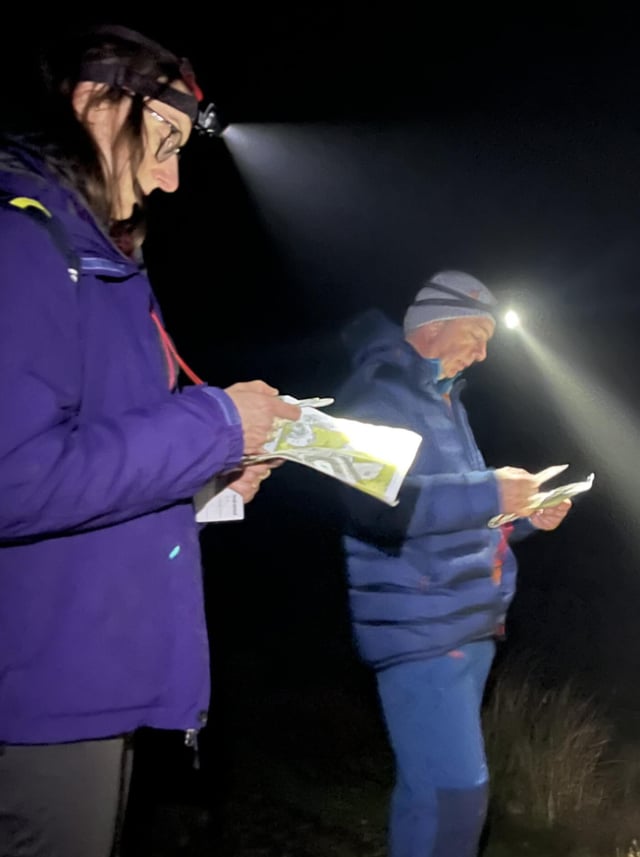
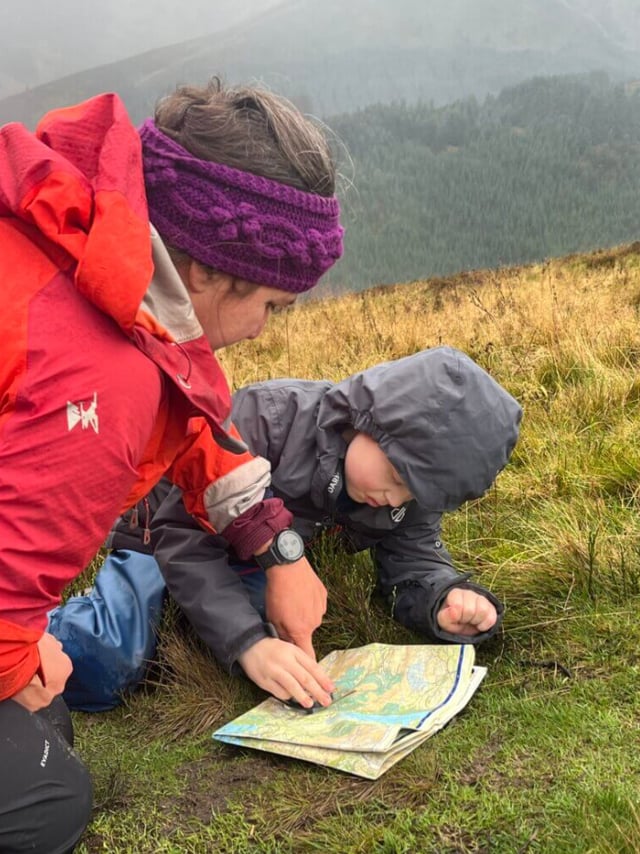
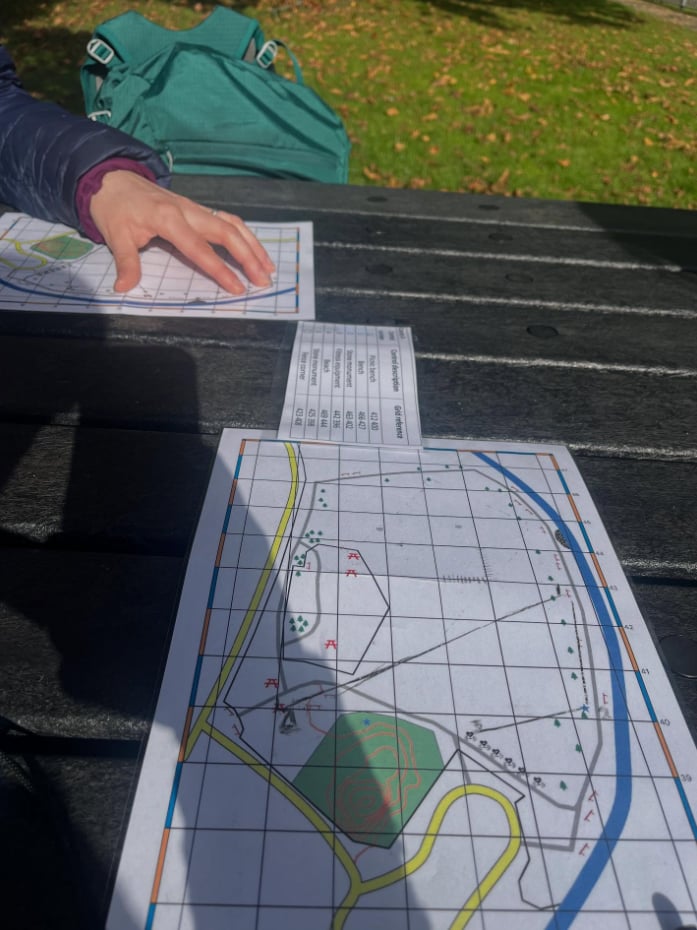
You’ll begin with a short introduction covering safety, equipment, and map basics before moving outside to practise essential navigation techniques. Early exercises focus on orientating your map, identifying key features, and recognising how contour lines represent the shape of the land. Each activity builds naturally on the last, allowing you to develop your confidence step by step.
Once you’ve mastered the fundamentals, you’ll progress to compass work, learning how to take and follow a bearing accurately. The instructor will guide you through practical tasks such as planning short routes, identifying your position, and adjusting when features don’t match what you expect. The course also covers how to report a grid reference to emergency services — a vital skill for anyone heading into the hills.
By the end of the day, you’ll be able to plan and follow your own route safely using a combination of map reading, compass use, and visual awareness. Whether you’re preparing for a race, aiming to explore more confidently, or simply enjoy learning new outdoor skills, you’ll leave with a solid foundation for future adventures.
At Hamsterley Forest, you’ll navigate through a diverse landscape of woodland trails and open moorland, ideal for learning how to relate maps to changing terrain. The forest’s mix of clear paths and open areas offers a great variety of features to practise bearings, route choices, and contour recognition.
In Grasmere, you’ll work among the classic fells of the Lake District, where streams, ridges, and rocky outcrops create perfect opportunities to test your map interpretation skills. Guisborough Woods provides a contrasting environment, with forest paths and gentle slopes linking to the edge of the North York Moors — an excellent setting to build confidence with both compass and map.
No previous experience is necessary, but a reasonable level of fitness will help you make the most of the day, as you’ll be on your feet for several hours at a steady pace. Comfortable outdoor clothing, sturdy footwear, and waterproofs are recommended to ensure you stay warm and dry throughout the session.
Participants should bring their own lunch, snacks, and drinks, as well as a small backpack for personal items. All maps and compasses will be provided, though you’re welcome to bring your own if you’d like to learn using familiar equipment. Full joining instructions will be shared before the course to help you prepare.
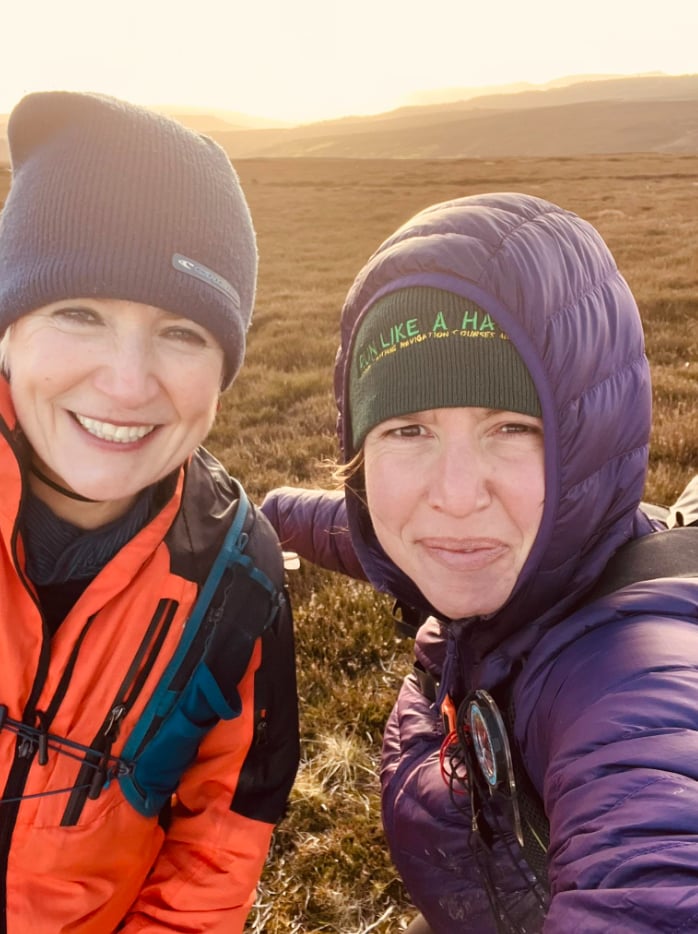
Courses are led by Fran, an experienced fell runner, navigation coach, and outdoor enthusiast with over ten years of experience competing in and teaching navigation. Based in County Durham, she combines her deep knowledge of the hills with a friendly, approachable style of coaching that builds confidence in every participant. Her background as a qualified EA coach and Outdoor First Aid holder ensures sessions are both safe and engaging.
Fran’s passion lies in helping others find freedom through navigation. Her relaxed yet professional approach encourages learners to ask questions, make mistakes, and grow in confidence without pressure. She’s especially focused on making navigation accessible to everyone — whether you’re a seasoned runner or completely new to map reading.
For most navigation courses, you’ll need to come prepared for a full day outdoors in potentially mixed weather conditions. A good waterproof jacket and trousers are essential to keep you dry and comfortable throughout the session, as weather can change quickly in the hills. A hat and gloves will help you stay warm, even during milder months, while a whistle is a basic safety tool used for signalling if needed. Make sure you also bring some snacks and a drink to stay fuelled and hydrated during the day.
If you already own a compass, it’s recommended to bring it along so you can get familiar with your own equipment. However, if you don’t have one, the instructor will provide one for you to use during the session. All other specialist equipment will be provided or discussed ahead of time. You’ll receive full joining instructions before your course, detailing any specific items required for your particular session or location.
The courses are open to ages 16+, though anyone under 18 must attend with a responsible adult. This ensures that young participants are properly supported throughout the session, especially when walking in unfamiliar terrain or in more remote areas. Navigation skills can be learned at any age, and it’s a great way for families to enjoy time outdoors together while building confidence in map reading and route planning.
There’s no upper age limit either, as the pace and level of difficulty are tailored to the group’s ability. Whether you’re a parent looking to learn alongside your child or an experienced walker wanting to improve your skills, the sessions are designed to be accessible and enjoyable for everyone.
Yes, absolutely. The navigation courses are open to anyone who wants to learn or improve their map and compass skills, regardless of gender. The focus is entirely on developing practical navigation abilities and confidence in the outdoors, so everyone is welcome.
Some sessions may occasionally be tailored for specific groups, such as women’s courses or youth sessions, but the majority are open to mixed groups. Every participant receives the same level of attention and guidance, and the aim is always to create a relaxed, supportive environment for learning.
Yes, participants are asked to bring their own food for the day. Most sessions take place outdoors, often away from shops or facilities, so it’s important to pack a packed lunch and enough snacks to keep your energy up. Simple, easy-to-carry items like sandwiches, fruit, or cereal bars are ideal, along with plenty of water or a warm drink in a flask.
There’s usually time for a short break or picnic-style lunch during the session, depending on the day’s plan and the weather. If you have any dietary requirements, you’ll be able to plan accordingly, as no shared food is provided. It’s always better to bring slightly more than you think you’ll need, especially if the course runs longer than expected or involves more physical activity than you’re used to.
The day is structured to suit complete beginners as well as those looking to refresh existing skills. Activities take place at walking pace on gentle terrain, with each exercise carefully explained before you try it yourself. While you’ll cover a reasonable amount of ground, the focus is on learning technique rather than endurance.
If you’re used to regular walking or light outdoor activity, you’ll find the pace very manageable. The instructor ensures everyone progresses comfortably, offering additional guidance where needed. By the end, you’ll have built confidence without feeling pushed beyond your comfort zone.
Yes, regular breaks are built into the day. Navigation requires concentration, so short pauses are included between exercises to rest, ask questions, and enjoy the surroundings. You’ll also have a longer lunch break to eat and review what you’ve learned so far.
Depending on the group and location, breaks often double as learning opportunities — for example, reviewing maps while seated, or discussing how weather and light affect navigation decisions. These relaxed moments make the day feel enjoyable and social as well as educational.
Every participant learns at their own pace, and the course is designed with that in mind. The instructor adapts each exercise to suit individual needs, offering one-to-one support when necessary. You’ll never be left behind or expected to complete anything you’re not comfortable with.
Group sizes are deliberately small, allowing plenty of time for personal guidance. Most participants find that their confidence grows naturally as the day progresses, even if they begin feeling unsure about the techniques.
About the centre
Bedburn, Hamsterley
Operated by Run Like a Haggis, a partner of adventuro.

Mid & South-West Wales, United Kingdom
From £40