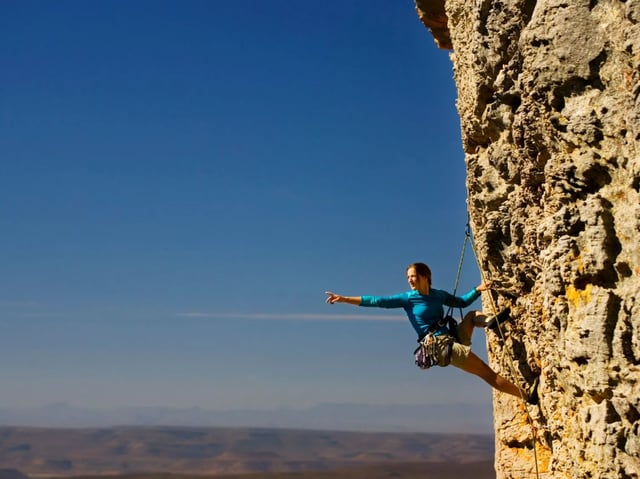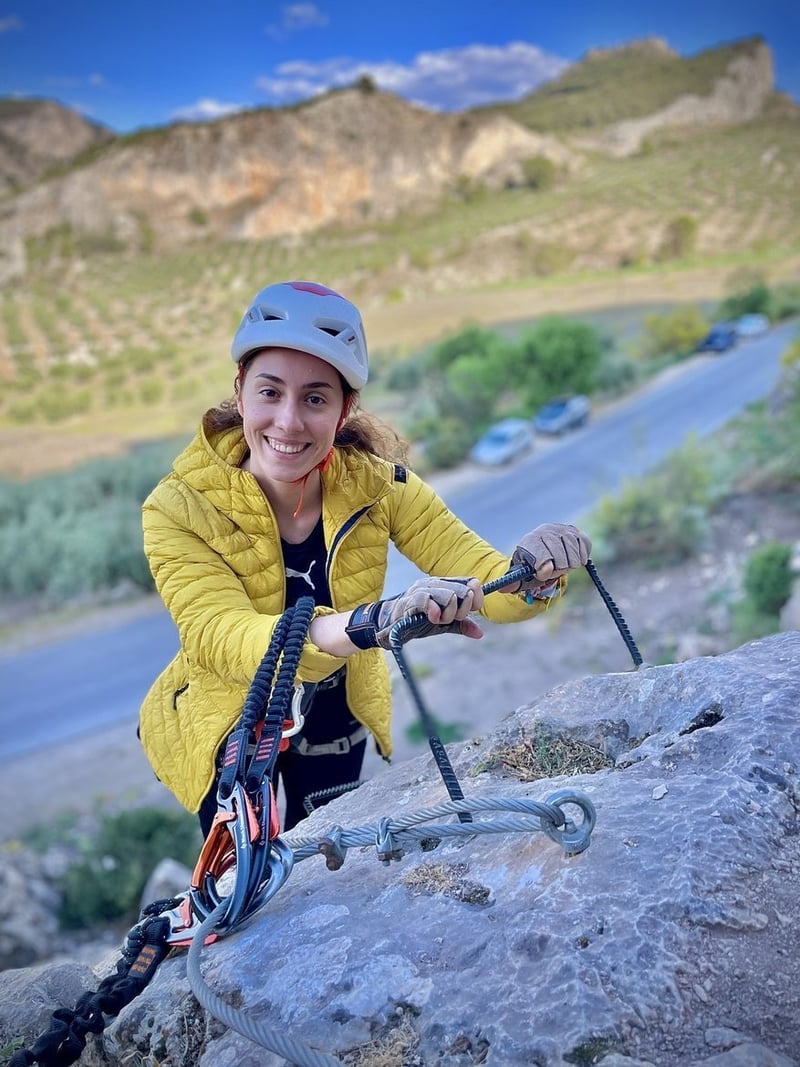
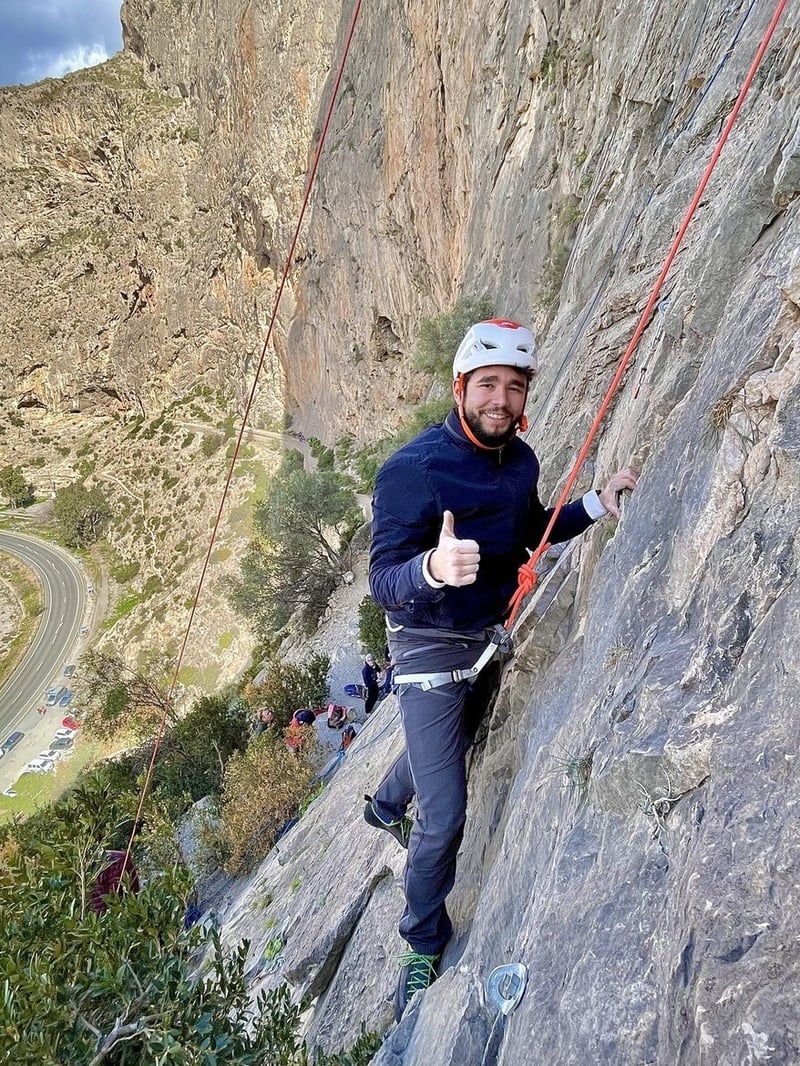
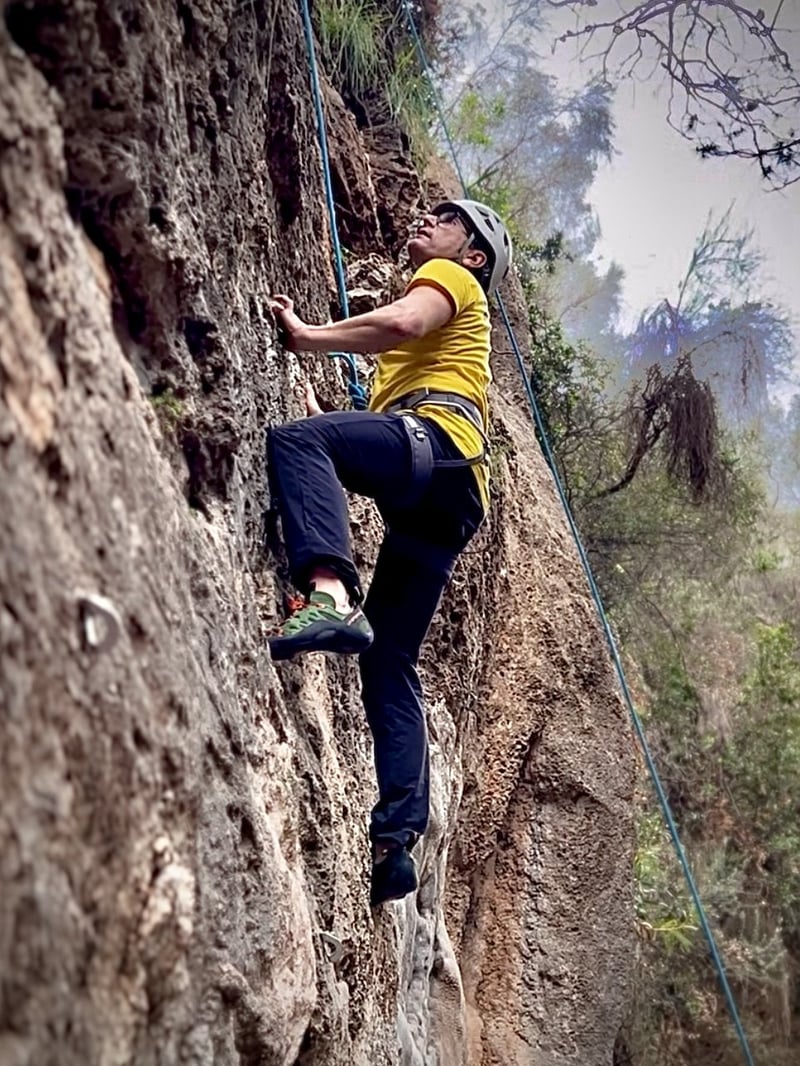
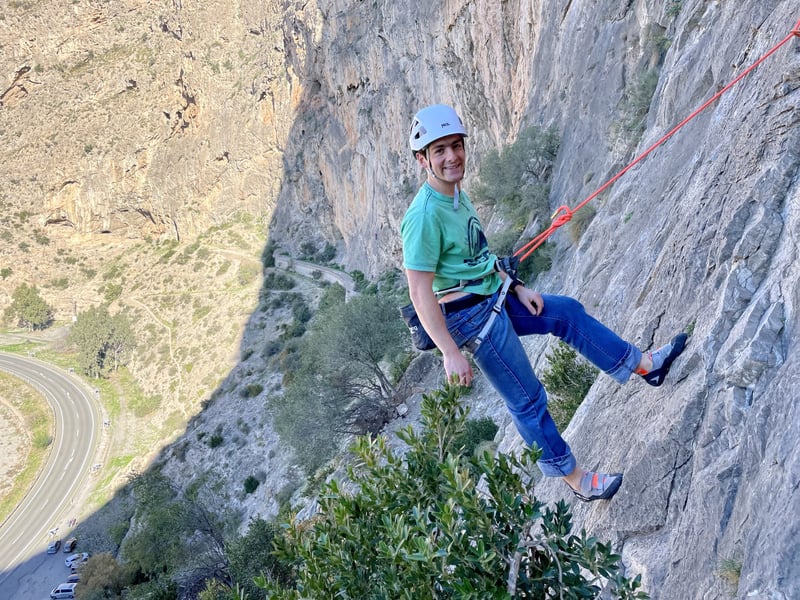
You will climb Magical Mystery Tour at Morrón de Toix, a 150-metre limestone classic opened by Roland Edwards, with a fifty-metre abseil beside the fishermen’s ladder, a three-pitch traverse and two finishing pitches at V. It is a guided day for two climbers who already move well outdoors, with the Mediterranean under the wall.
We meet at the Maryvilla urbanisation, often at nine, and walk about twenty minutes to the Toix cliffs. After kit and the fifty-metre abseil you traverse three pitches to reach the vertical part of the route, then climb a fourth pitch on flaky, friendly rock and a fifth of slabs and a dihedral to the summit.
We pack up on top and walk about twenty-five minutes back to the cars. About five hours is typical once you are moving. Autumn, winter and spring are the usual seasons here, with start times from eight onwards; in summer the south-facing rock gets hot, so we may start earlier or suggest another date.
Morrón de Toix rises above Calp, with steep limestone walls hanging over the Costa Blanca. It is a favourite in the cooler months for climbers who want a long route with the sea below, and the fishermen’s ladder is part of how the day starts.
We confirm the Maryvilla pin and the walk in in the days before. Bring more water than you would for a Granada gorge day, because there is little shade once you are on the face. Food and getting yourself to Calp are down to you; harness, helmet, shoes and the group kit are included.
You should already lead or second confidently around grade V, and be happy talking clearly at belays. This is a guided classic, not a place to take your first outdoor leads, even though the climbing itself is friendly once you are on the traverse.
Minimum age is 18, and we take two climbers per guide. Recent multi-pitch on limestone will make the day far more enjoyable. We take digital photos when there is a safe stance for it, and we would rather move the date than force a tired day on hot rock or in a poor easterly.
On a long route the useful thing we bring is local knowledge: where to park, how the face feels in the sun, and a descent we have done many times. You climb. We handle the rack, the route finding and the faff, and we take digital photos and videos when there is a safe stance for it. Your guide is a mountain guide who specialises in rock climbing and can work in English or Spanish.
We only take two climbers per guide on these days, which keeps belays moving on committing ground. Before we leave the car we will talk through the pitches, the descent and the timing so you know what the day looks like, and we would rather move the date than force a tired day on wet rock or a windy high face.
We meet at the Maryvilla urbanisation, often at nine, look at the wind and the rock, and walk about twenty minutes to the Toix cliffs. After kit we set up the fifty-metre abseil beside the fishermen’s ladder that starts the day.
You abseil in, traverse three pitches to reach the vertical part of the route, then climb a fourth pitch on flaky, friendly rock and a fifth of slabs and a dihedral to the summit. The whole line is about 150 metres, and your guide keeps the belays moving so you spend the time climbing, not waiting.
We pack up on top and walk about twenty-five minutes back to the cars. About five hours is typical once you are moving, and we take digital photos when there is a safe stance for it.
Flexible clothing, sun protection, water and snacks for the duration. Approach shoes with grip suit most venues; bring a light waterproof and extra layer for mountain or coastal wind.
This is for climbers aged 18 and over who already know their way around outdoor belays and want a local guide on a classic line near Morrón de Toix. You should be used to walking in with a pack and spending several hours on the rock.
It is not a teaching day for first-timers. You will get a lot more from it if you already climb outside and just want someone who knows the approach, the pitches and the way down.
Most of our open dates are Saturdays and Sundays, which is how we usually run these days through the year. If one of those works, just request a place on that day and we will confirm the meet once it is accepted.
If you would rather go midweek, or only with your own friends, send us a date and how many of you there are. We will check a guide is free and get back to you by chat or email with the plan.
The activity itself is about 5 hours, plus a bit of time at the start for kit and the walk in to the sector. Lunch is a short stop with food you bring, except on indoor course days where we use the gym break.
Start times change with the season and the venue, because we chase shade in summer and sun in winter. Once your date is confirmed we will send the meet time, parking notes and what to bring.
You get a qualified mountain guide who specialises in rock climbing, plus harness, helmet and shoes where we issue them, and the ropes and hardware. Digital photos and videos of the day are included, and we are happy to advise on kit before you travel.
Meals, drinks, accommodation and getting yourself to the meeting point are down to you. Transport can sometimes be arranged separately if you ask ahead. Bring water and a snack that will last the session.
Wear clothes you can move in, with a layer for wind and a bit of sun cream. Trainers or approach shoes with grip are better than smooth soles, and we ask you not to come in flip-flops, sandals or clogs.
Pack at least a litre of water, a snack and a light waterproof. A 40 to 45 litre pack is useful on longer days. If you wear glasses, a strap stops them sliding when you look down, and a cap or sun hat helps on open limestone.
It depends on the exact sector near Morrón de Toix and the weather that week. We decide the pin and the arrival time in the days before, so we can use the rock that is in the best condition.
Granada days often start from Plaza Alta in Monachil or a crag car park a few minutes away. Coastal and Alicante routes use a meet point closer to that cliff, and we send clear directions once the date is accepted.
We need dry rock and sensible wind. If it looks poor, we will message you as early as we can and either move venue or look at another day, because forcing a session on wet limestone is not useful for anyone.
High Sierra Nevada faces are the fussiest, and leftover snow or strong wind can close them even in summer. We would rather shift the date than stand around in poor conditions at that height.
You should already be happy leading or seconding outdoors, and fit enough for a full day on your feet with a walk in at either end. If a long approach and several pitches sounds like a stretch, tell us and we can point you to an easier day on local rock.
We take a maximum of two climbers with one guide on this route, so belays stay simple and we can talk properly at each stance. That is how we keep a long day moving without anyone waiting in the sun.
Yes. We issue a harness and helmet at the meet, plus climbing shoes or a ferrata lanyard if that is what the day needs. Tell us your shoe size if we ask for it.
You are welcome to use your own harness or helmet if it is CE marked. We will give it a quick check before we start.
Read the meet-time message and give yourself a few extra minutes for parking. A charged phone with the pin saved is enough.
When you book, tell us what you have climbed before. That helps us pick the right ropes and keep the day at a pace you will enjoy.
We partner with Rewilding Britain to help protect our natural spaces for future adventures.
All centres are vetted for safety and quality. Your adventure is in good hands with adventuro.

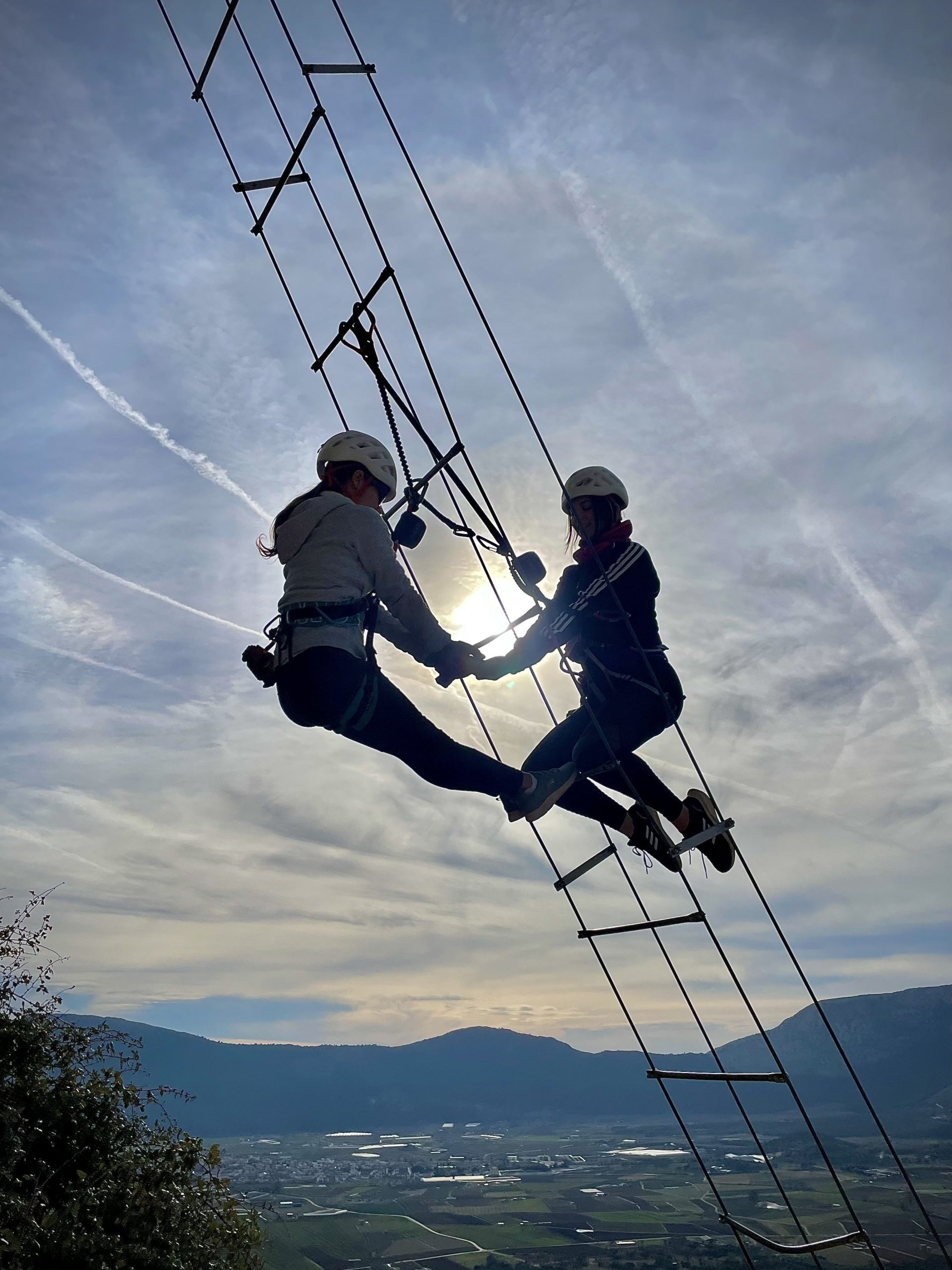
About the centre
Calp
We are a Granada-based outdoor climbing team offering guided rock routes, via ferratas, kit hire and multi-day trips across Andalusia and beyond. Sessions are led by qualified guides who focus on safety, clear communication and routes matched to your experience.
Whether you want a first day on the rock, a classic multi-pitch on local limestone, or ferrata kit for an independent adventure, we help you plan realistic days in the mountains with quality equipment and local knowledge of the Sierra Nevada and Costa Blanca crags.
Operated by Filoclimb, a partner of adventuro.


Comunitat Valenciana (Valencian Community), Spain
From €150


Comunitat Valenciana (Valencian Community), Spain
From £228.46
Comunitat Valenciana (Valencian Community), Spain
From £1095
Comunitat Valenciana (Valencian Community), Spain
From €150
Comunitat Valenciana (Valencian Community), Spain
From €150
Comunitat Valenciana (Valencian Community), Spain
From €180