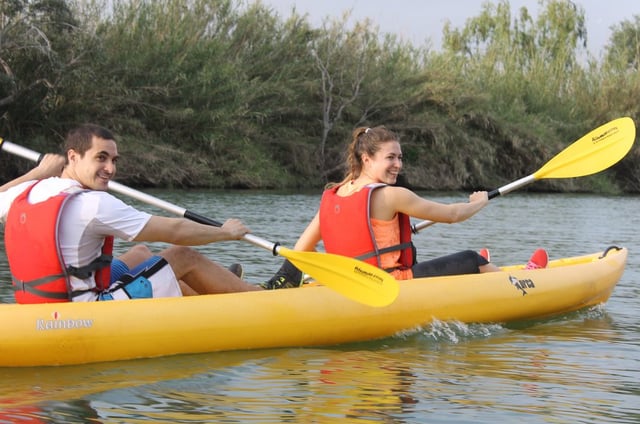
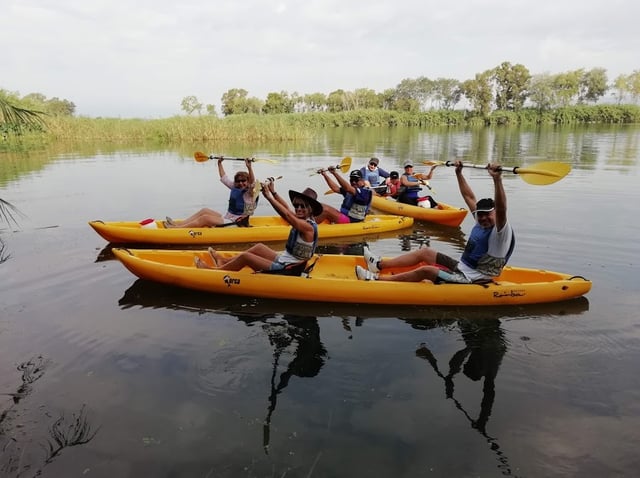
We partner with Rewilding Britain to help protect our natural spaces for future adventures.
All centres are vetted for safety and quality. Your adventure is in good hands with adventuro.
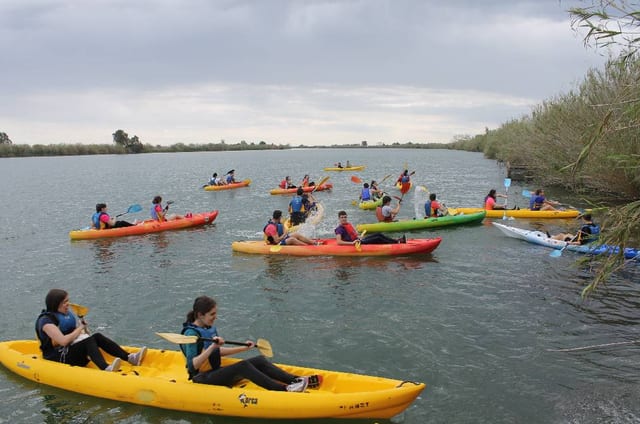
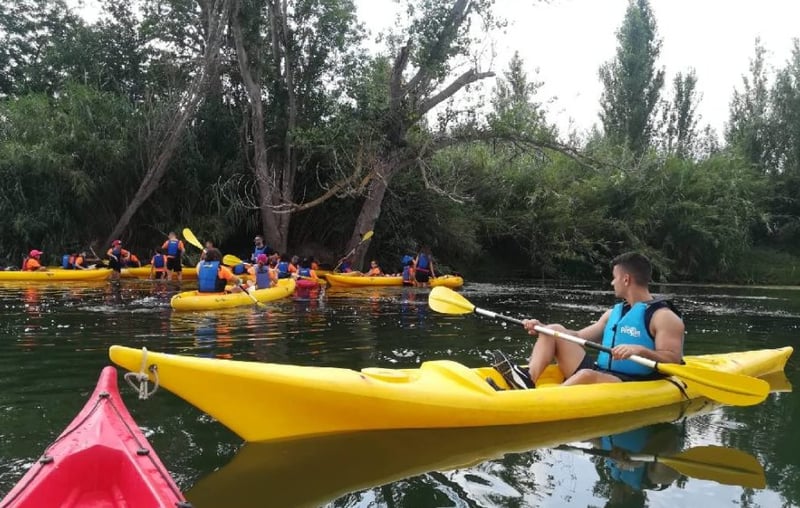
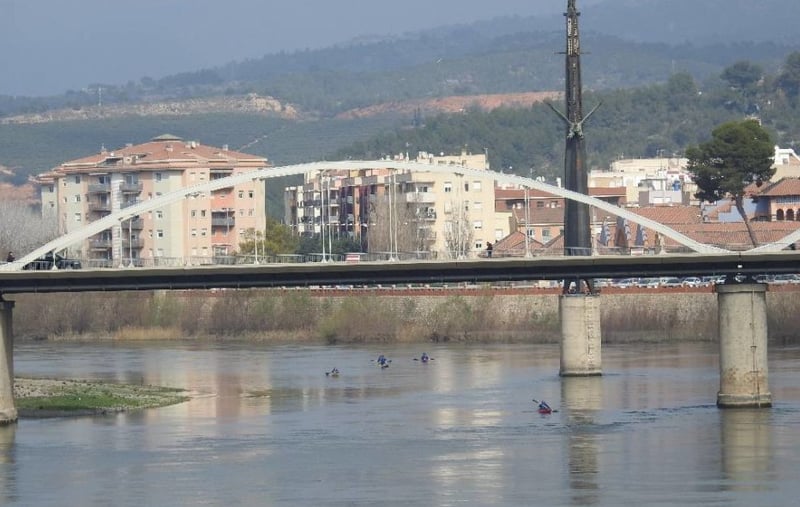
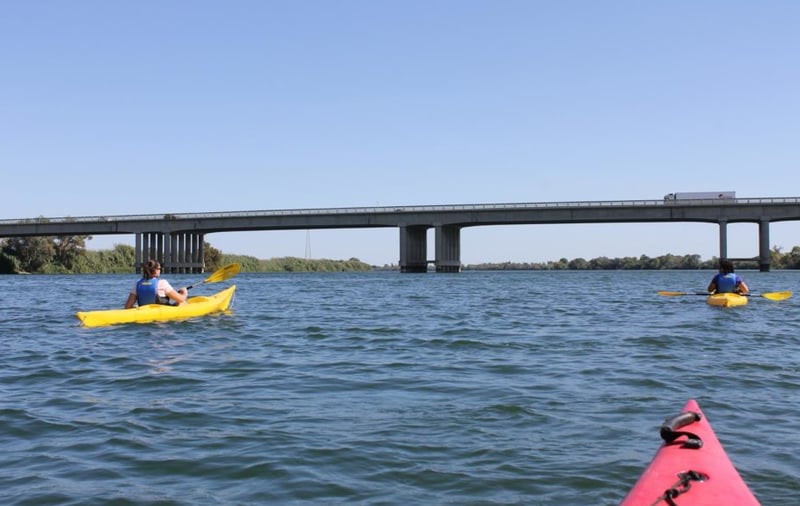
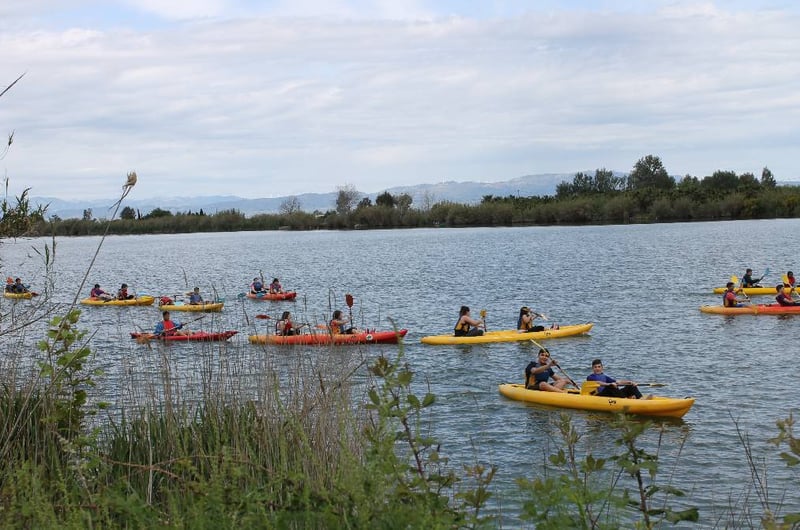
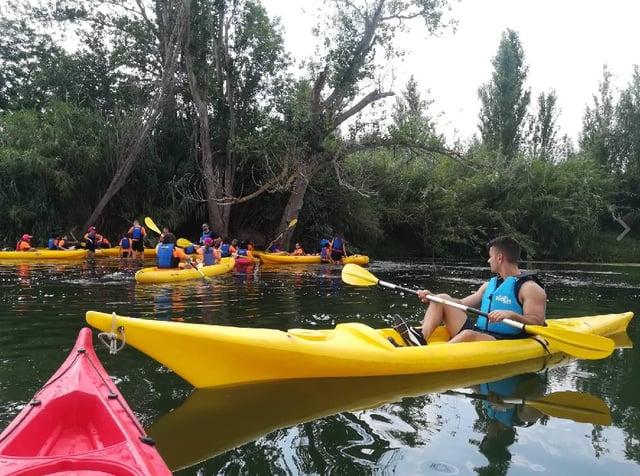
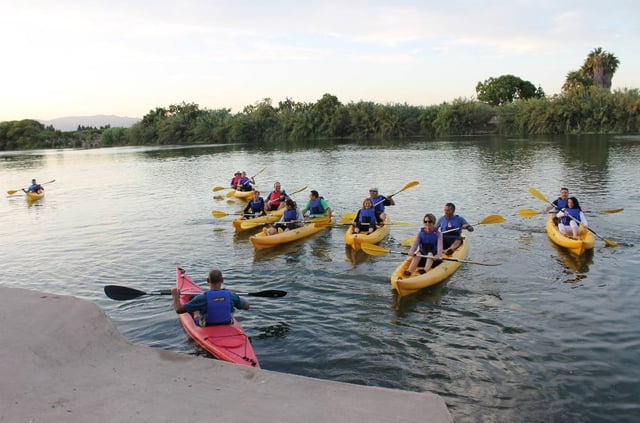
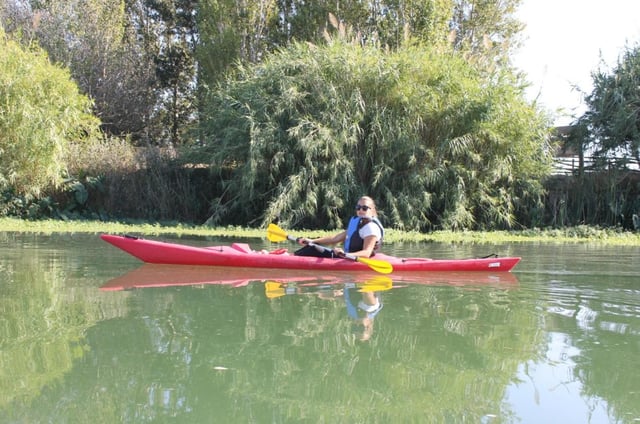
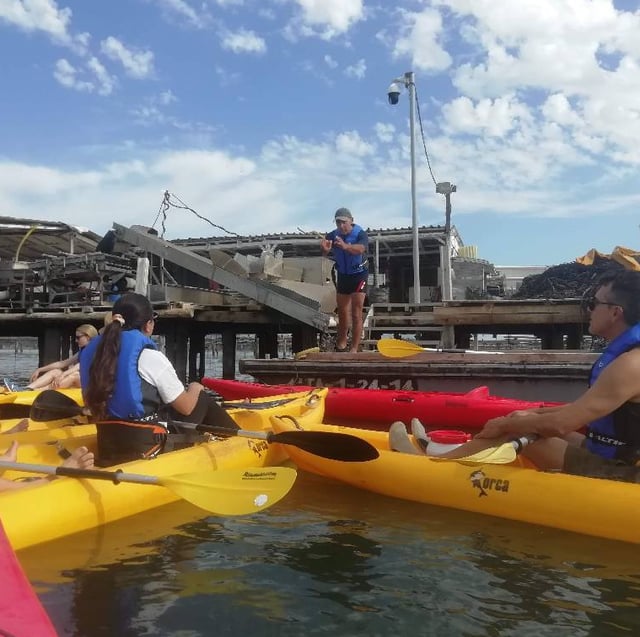
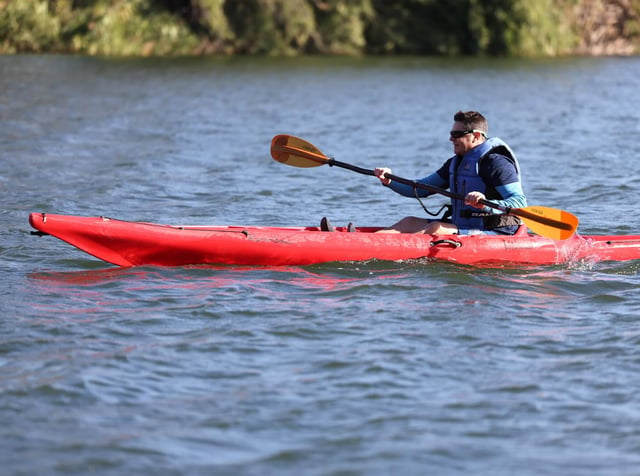
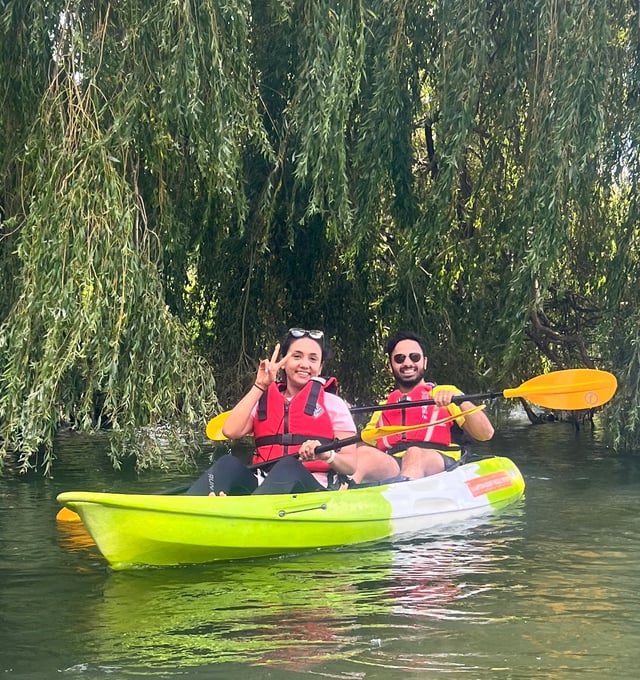
Kayaking along the Ebro River gives you the chance to experience different sections of this iconic waterway, each with its own pace and character. You can choose the stage that best suits your group, with all routes guided and run at the same price. Individual kayaks are used throughout, with support and logistics handled for you.
Stage 1 – Xerta to Tortosa
Meeting in Tortosa, the group is transferred upstream to Xerta where the route begins. This stretch follows a gentle section of the river, with calm water and soft bends that make it an enjoyable paddle without feeling demanding. Riverside woodland lines much of the route, and if you take time to look around, you’ll often spot birds close to the banks or resting on small river islands. As you approach Tortosa, the river opens up and the town gradually comes into view, finishing near the historic centre with its bridges and cathedral frontage.
Stage 2 – Tortosa to Amposta
This stage is longer and more varied, offering a deeper sense of journey. Launching from Tortosa, paddling quickly moves into dense riverside forest where the river feels quieter despite its size. Passing Ox Island adds interest, with rich vegetation and wildlife along the banks. Further downstream, old defensive towers appear on opposite sides of the river, giving a glimpse into the area’s history. The final section into Amposta is marked by the town’s river-facing buildings and suspension bridge, before exiting at the pier after several steady hours on the water.
Stage 3 – Amposta to Deltebre
Beginning near Amposta, this route moves into the lower reaches of the river where the current is slower and the surroundings feel more open. After passing under the main road bridge, the route reaches Sapinya Island, known for its protected river forest and importance for birdlife. The paddle continues downstream alongside quieter banks with thicker vegetation, before reaching Gracia Island and eventually finishing at the Riu a l’Ebre pier in Deltebre. This stage is well balanced, with calm paddling and plenty of natural interest.
The activity takes place along the lower and middle sections of the Ebro River in southern Catalonia, linking towns such as Xerta, Tortosa, Amposta, and Deltebre. Each stage starts and finishes at different points along the river, giving a varied view of the region.
This part of the Ebro is known for its wide riverbanks, riverside forests, and mix of natural and historic features. Transfers are organised so that you always paddle downstream for the main route, avoiding unnecessary effort and keeping the focus on enjoying the surroundings.
Participants should be comfortable sitting in a kayak for several hours and able to paddle at a steady pace. While the routes are not technical, a basic level of coordination and fitness is important to enjoy the full duration without fatigue.
No previous guided kayaking experience is required, and full instruction is given before setting off. The activity is best suited to those who enjoy being outdoors for an extended period and are happy spending time on the water.
The centre specialises in guided river routes that focus on flow and enjoyment rather than rushing from point to point. Local guides know each section of the Ebro well and choose lines that suit the group and river conditions on the day.
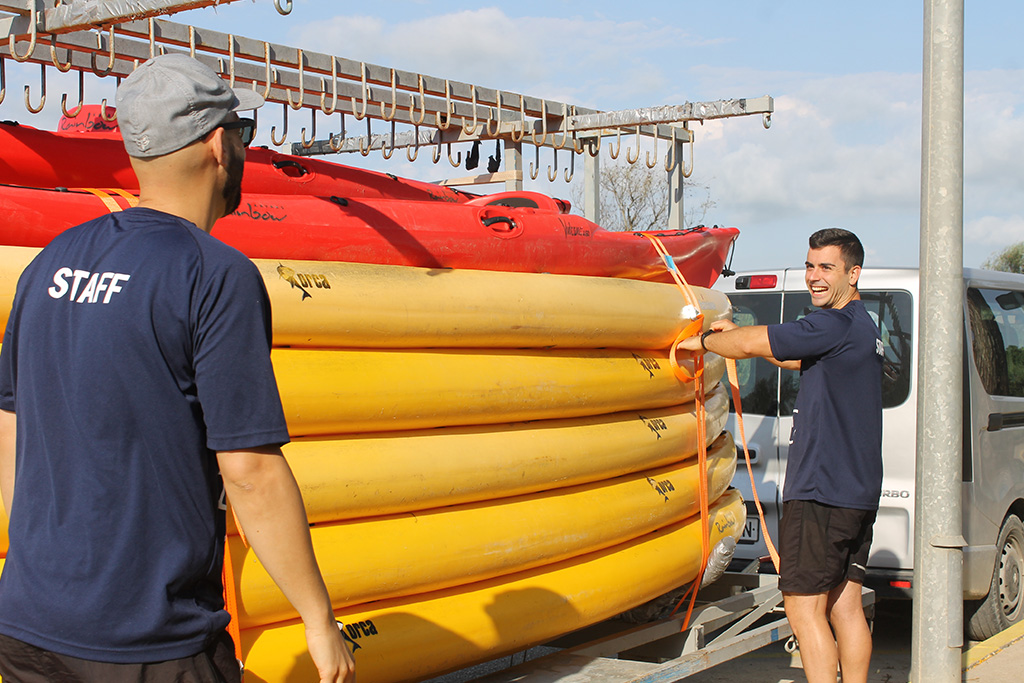
All logistics are taken care of, from equipment preparation to vehicle transfers, allowing the group to concentrate fully on paddling. The emphasis is on safe, well-paced trips that highlight the river’s changing scenery across each stage.
Previous experience is not essential, as the routes are chosen for their manageable conditions and the guide provides a full briefing before starting. The focus is on steady paddling rather than speed or technique.
That said, participants should feel comfortable on the water and able to paddle continuously for the duration of their chosen stage. The guide will set a pace that suits the group as a whole.
Stage 1 typically takes around two to two and a half hours on the water. It is the shortest option and works well for those wanting a half-day activity.
Stages 2 and 3 are longer, usually lasting between three and three and a half hours depending on river conditions and group pace. Breaks are taken as needed.
Yes, all necessary transfers between meeting points and launch locations are organised by the centre. This ensures each route is paddled in the most suitable direction.
Having transfers included also means you finish close to your original meeting area without needing to arrange your own transport mid-activity.
Comfortable clothing that can get wet is recommended, along with trainers or water shoes. Quick-drying fabrics work best for longer stages.
In cooler months, an extra layer is advised, while in warmer weather sun protection is important due to limited shade on some sections.
Small personal items can be taken along, but they should be protected from water. Waterproof containers are available to rent if needed.
Phones, cameras, and valuables should only be brought if properly protected, as splashes are always possible.
Short pauses are taken during the paddle, especially on longer stages, to rest and take in the surroundings.
These stops depend on the group’s pace and river conditions rather than fixed timings.
About the centre
Tortosa, Tarragona
Operated by Riu a l'Ebre, a partner of adventuro.
Surrey, East and West Sussex, United Kingdom
From £35

Surrey, East and West Sussex, United Kingdom
From £30
Surrey, East and West Sussex, United Kingdom
From £50