We partner with Rewilding Britain to help protect our natural spaces for future adventures.
All centres are vetted for safety and quality. Your adventure is in good hands with adventuro.
About the centre
Eskdale, Holmrook
Operated by Lake District Adventuring, a partner of adventuro.
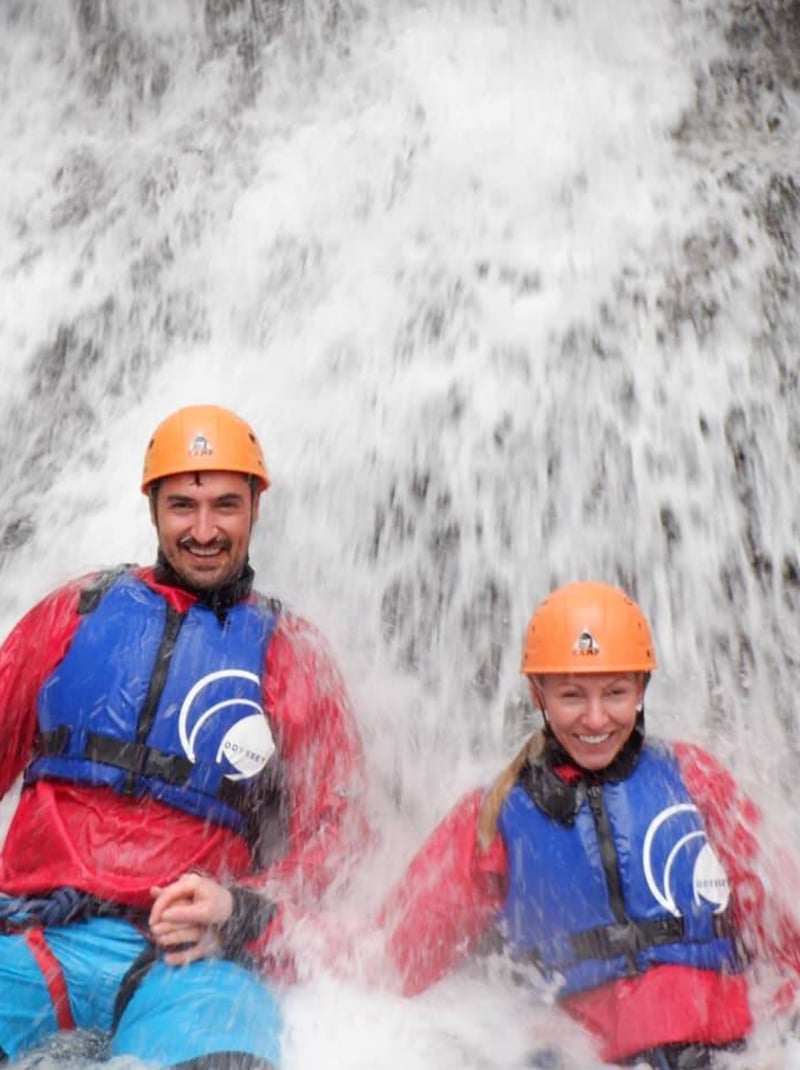
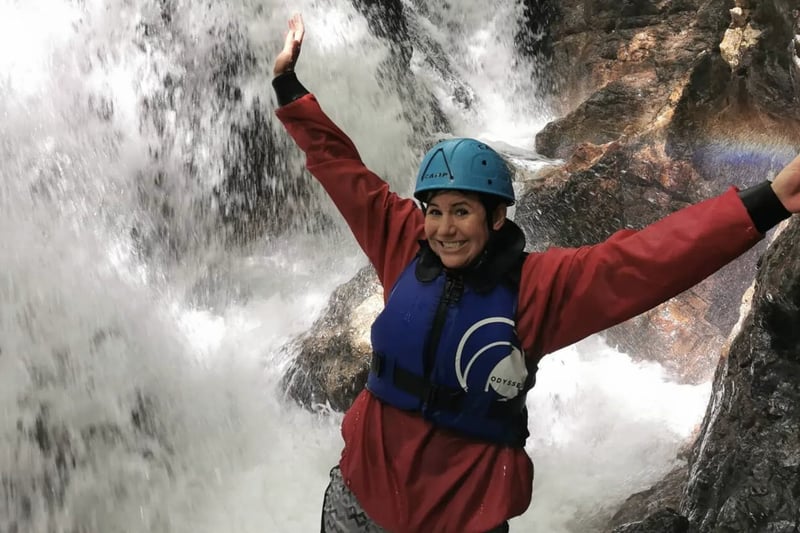
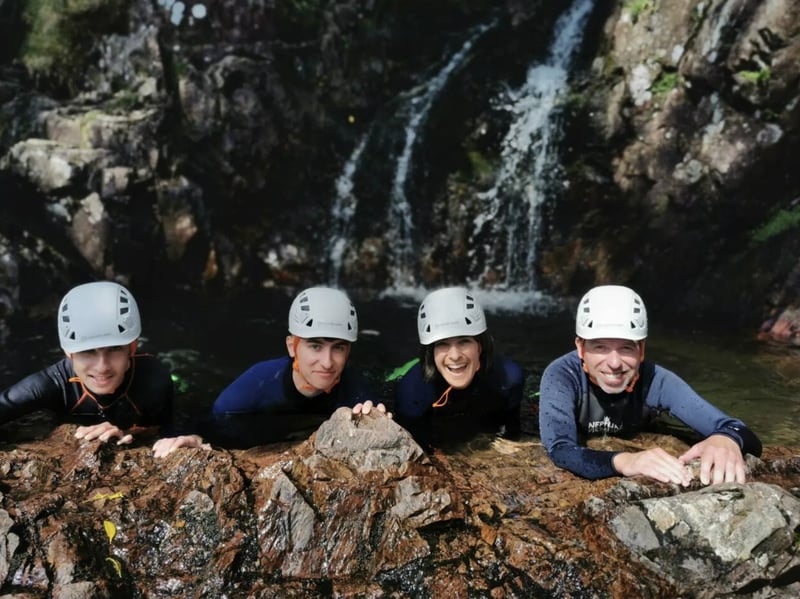
Tucked away in the Eskdale valley, this full-day ghyll scrambling experience offers a demanding and rewarding way to explore the Lake District. It blends hiking, scrambling and water-based movement into one continuous route. Expect a proper mountain day that feels remote, physical and completely different to standard walking routes.
An early start sets the tone, with a steady walk into the valley giving you time to warm up and take in the surroundings before reaching the ghyll. The approach takes around 1.5 hours and gradually leads you away from the main paths into more isolated terrain. Once at the entry point, you’ll change into wetsuits and prepare for the main part of the day.
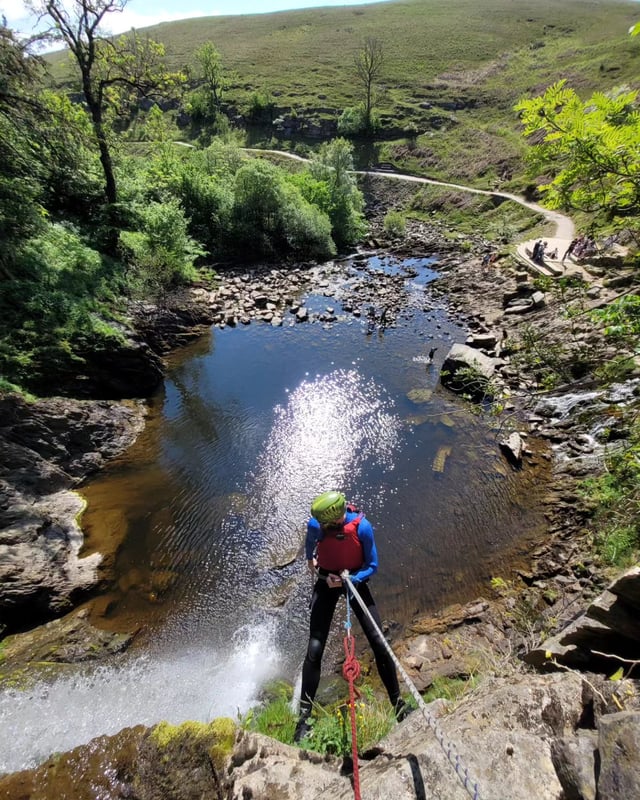
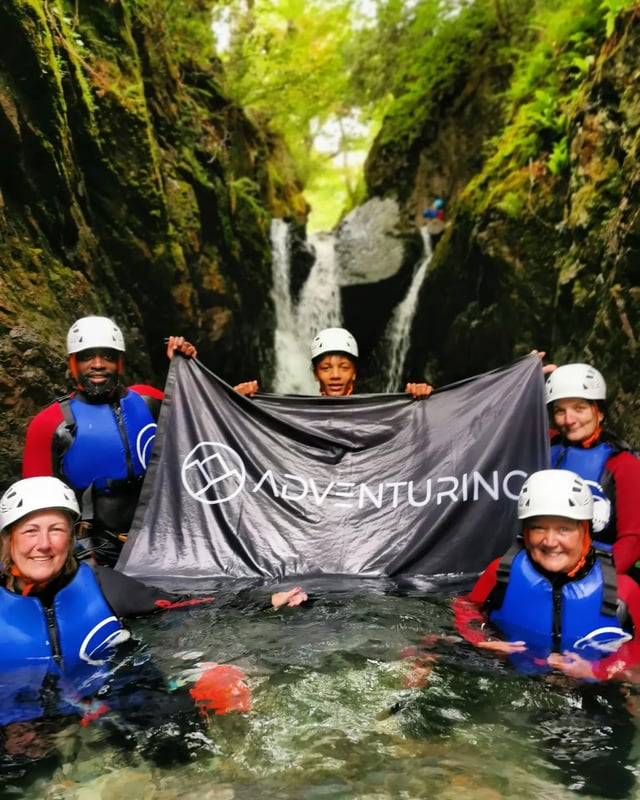
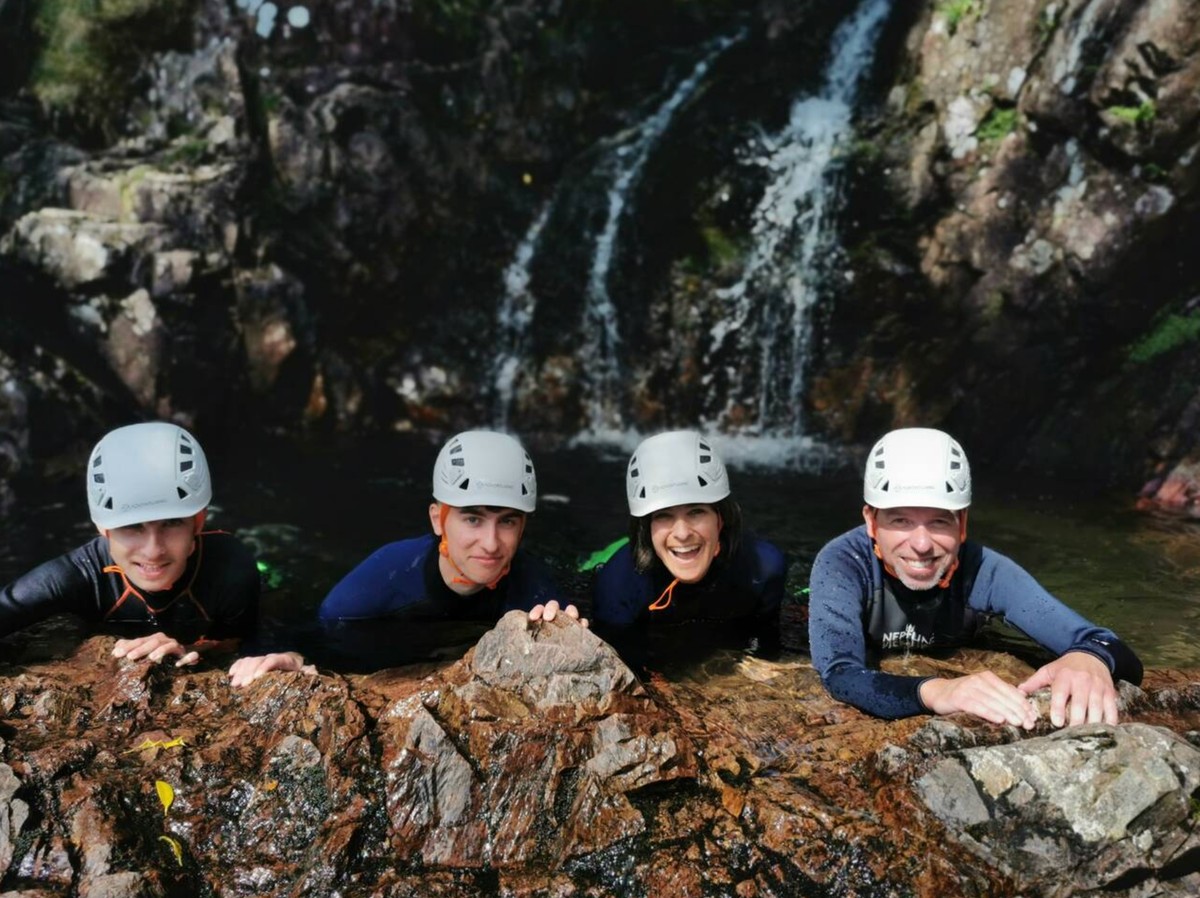
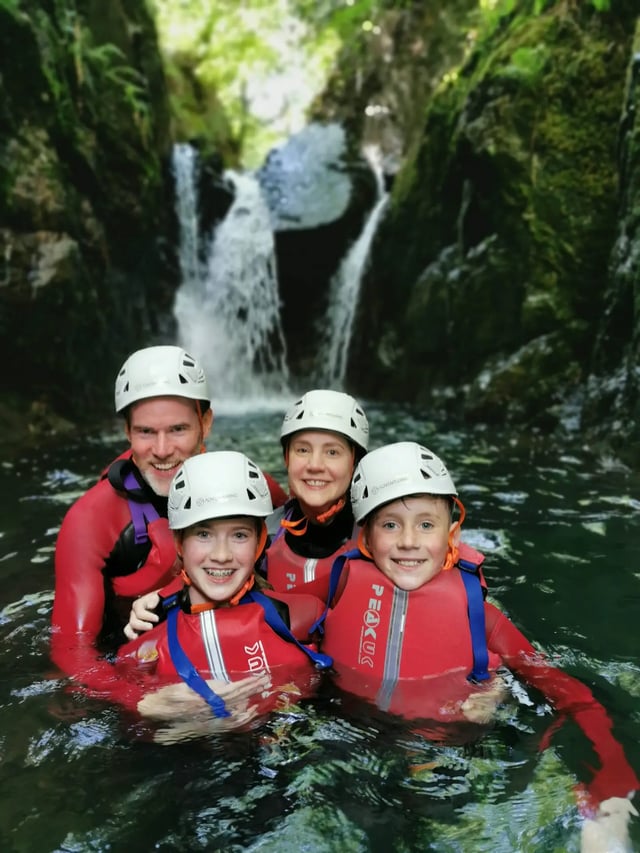
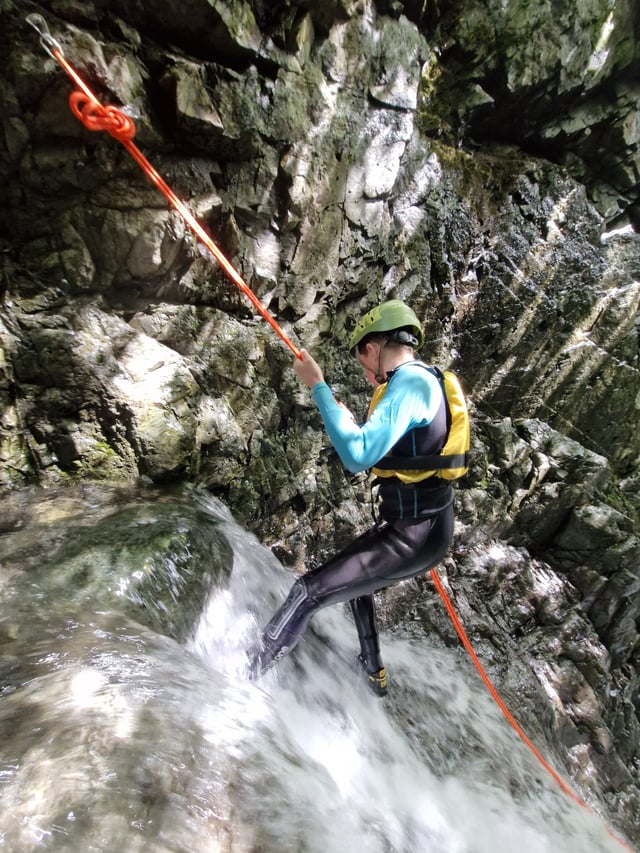
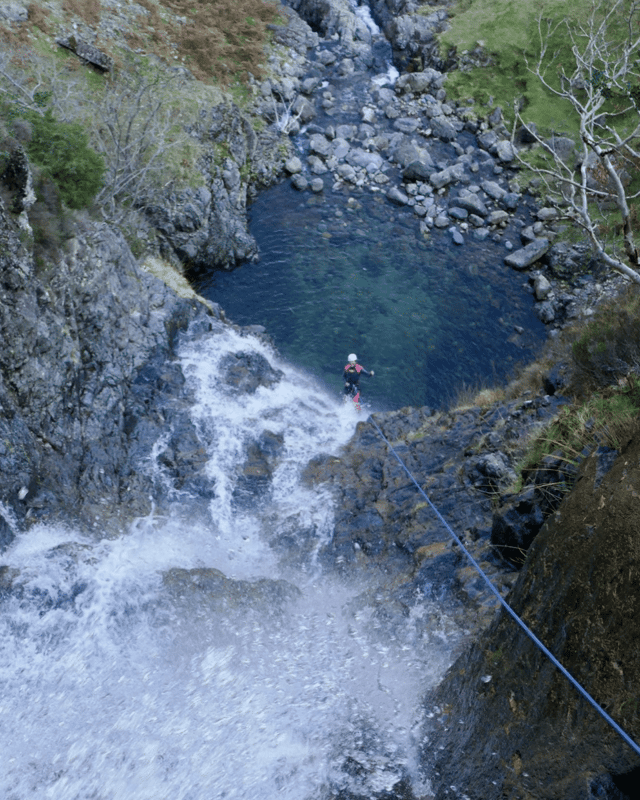
Entering the gorge, the environment becomes more enclosed and hands-on. Progress involves working directly against the flow of the water, scrambling beside waterfalls, climbing rock steps and swimming through deeper pools where the channel narrows. Natural features dictate your movement, with smooth rock slabs, steeper sections and optional jumps—some reaching up to 8 metres—adding variety and challenge throughout.
Effort builds as you move further upstream, with each section requiring a bit more focus and energy. Routes can be adapted where needed, with alternatives offered around more exposed features, but the overall experience remains physical and continuous. Once out of the ghyll, a final walk completes the journey, rounding off a long and rewarding day in a remote part of the Lake District.
Eskdale sits on the western side of the Lake District and offers a quieter, less visited setting compared to some of the more central valleys. Surrounded by high fells and wide open spaces, it provides a strong sense of distance from busier areas, making it ideal for a more immersive mountain experience.
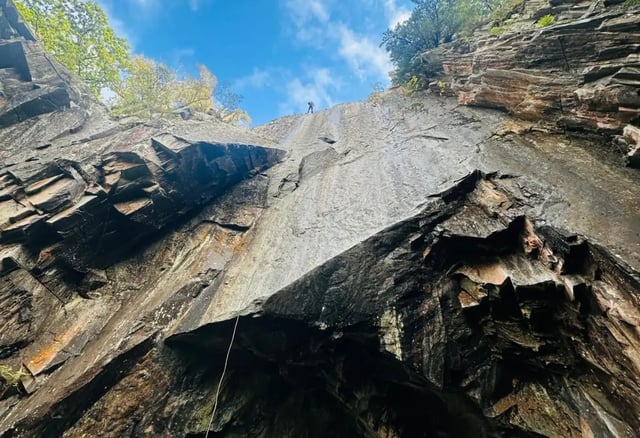
The ghyll cuts down from the higher ground above the valley, forming a narrow gorge with waterfalls, plunge pools and rocky steps that shape the route. Reaching it requires a committed walk in and out, which adds to the overall feel of the day and gives a genuine sense of exploring a more remote landscape.
A good level of fitness is essential, as this is a full-day activity involving sustained movement and a long approach and exit. You should be comfortable spending several hours on your feet and carrying your own equipment throughout the day.
Confidence in water is required, and you must be able to swim. The route also includes steep, uneven ground, so you should feel comfortable moving in this type of environment, even when conditions are wet and changeable.
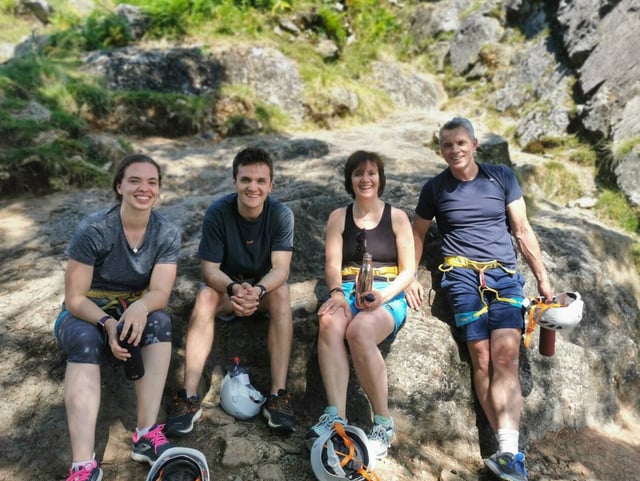
Qualified instructors with extensive mountain experience lead each day, focusing on safe decision-making, route choice and adapting to changing conditions. The experience is shaped around the group, ensuring the right balance between challenge and support throughout.
Guiding goes beyond simply leading the way, with time taken to help you understand how to move efficiently on wet rock and navigate complex terrain. By the end of the day, you’ll not only have completed the route but also built confidence and skills that carry into future mountain adventures.
No previous scrambling experience is required, but this is not an entry-level activity. The day is long and physically demanding, with sustained movement through water and over uneven terrain, so a reasonable level of confidence outdoors is important.
Guides will support you throughout and offer alternative options where possible, but you should be prepared for a full and active day. It’s best suited to those looking for a more involved and challenging experience.
A good level of fitness is essential for this experience. The day includes a long approach walk, several hours moving through the ghyll, and a walk back out, all while carrying your own equipment.
You don’t need to be an athlete, but you should be comfortable being active for most of the day. Endurance and steady movement are more important than speed.
All jumps are optional, including the higher ones into deeper pools. Alternative routes are available in many sections, allowing you to move around features in a way that suits your confidence.
Guides will explain each option clearly, giving you time to decide what feels right. There is no pressure to take part in any element you’re unsure about.
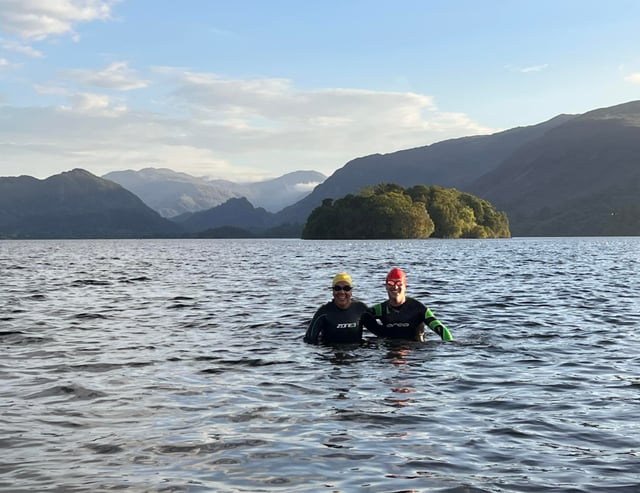
Yes, swimming is a key part of this experience. Several sections involve moving through deeper water where walking is not possible, so being comfortable in water is important.
You don’t need to be a strong swimmer, but you should feel confident enough to move through short swimming sections with guidance and buoyancy support.
You’ll need sturdy footwear that can get wet, along with spare dry clothes, a towel, and enough food and water for a full day. A suitable rucksack is required to carry your belongings during the approach and exit.
After booking, you’ll receive a full kit list to help you prepare properly. Bringing the right equipment makes a big difference to your comfort throughout the day.
The full experience typically lasts between 6 and 8 hours, depending on the group and conditions. This includes the walk in, time spent in the ghyll, and the walk back out.
It’s important to plan for a full day in the mountains, rather than a short activity session. The length of the day is part of what makes it such a rewarding experience.
The general line of the route remains consistent, but exact decisions may vary depending on conditions such as water levels and weather. Guides will adjust the plan where needed to ensure safety.
This flexibility helps create the best possible experience on the day, while still maintaining the overall challenge and flow of the route.
Conditions are carefully monitored, particularly water levels within the ghyll. The activity can run in a range of weather, but safety always comes first when assessing whether it is suitable to proceed.
If conditions are not safe, alternative arrangements will be offered. This may include rescheduling or providing a different activity where possible.




Secret Location - easy access from Windermere, Ambleside, Kewick, or Penrith
From £125