We partner with Rewilding Britain to help protect our natural spaces for future adventures.
All centres are vetted for safety and quality. Your adventure is in good hands with adventuro.
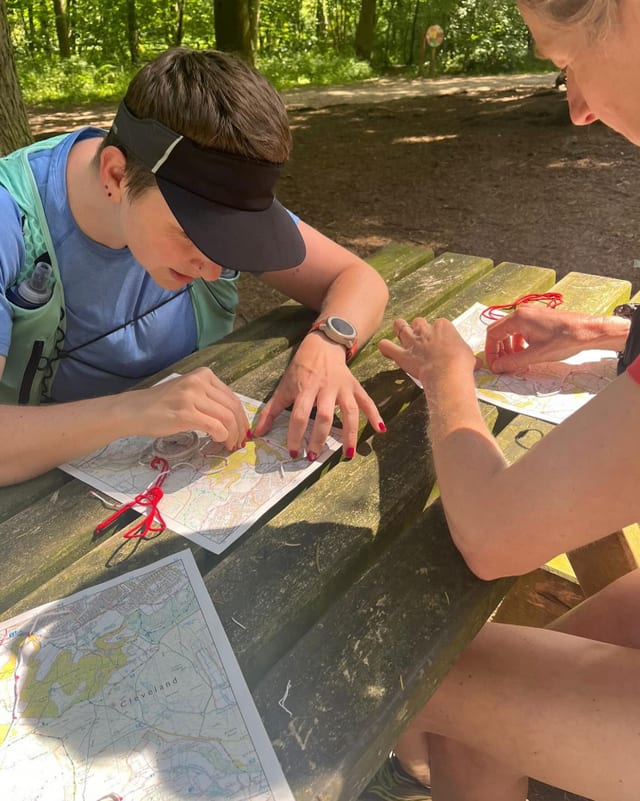
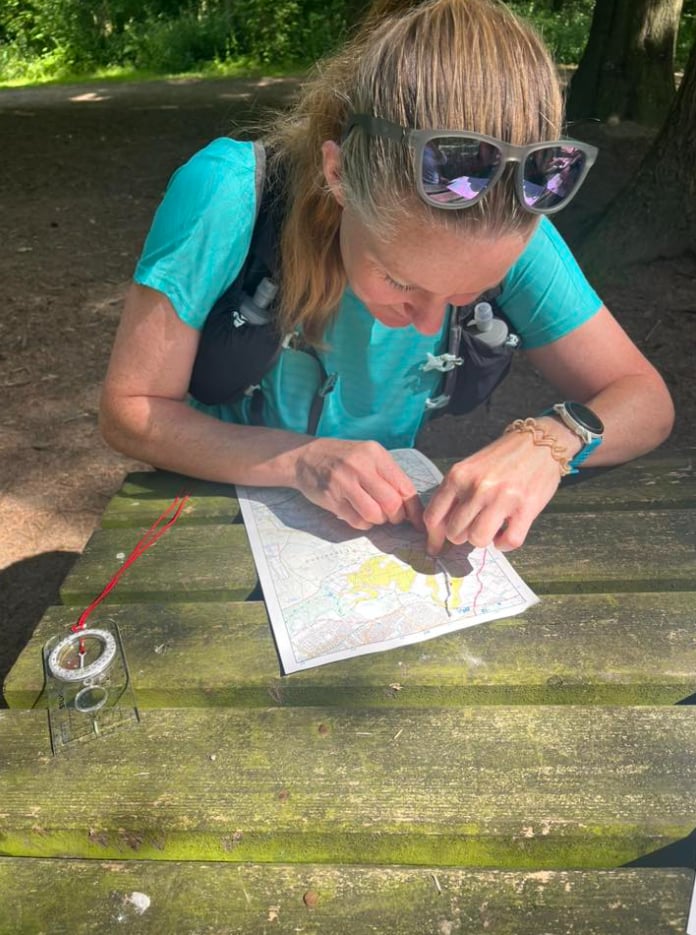
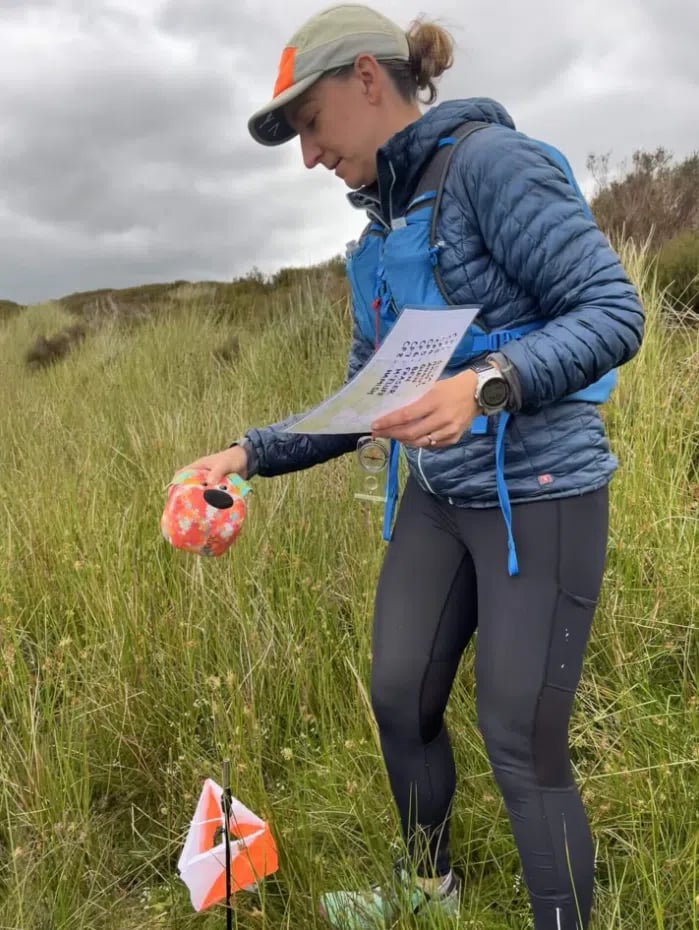
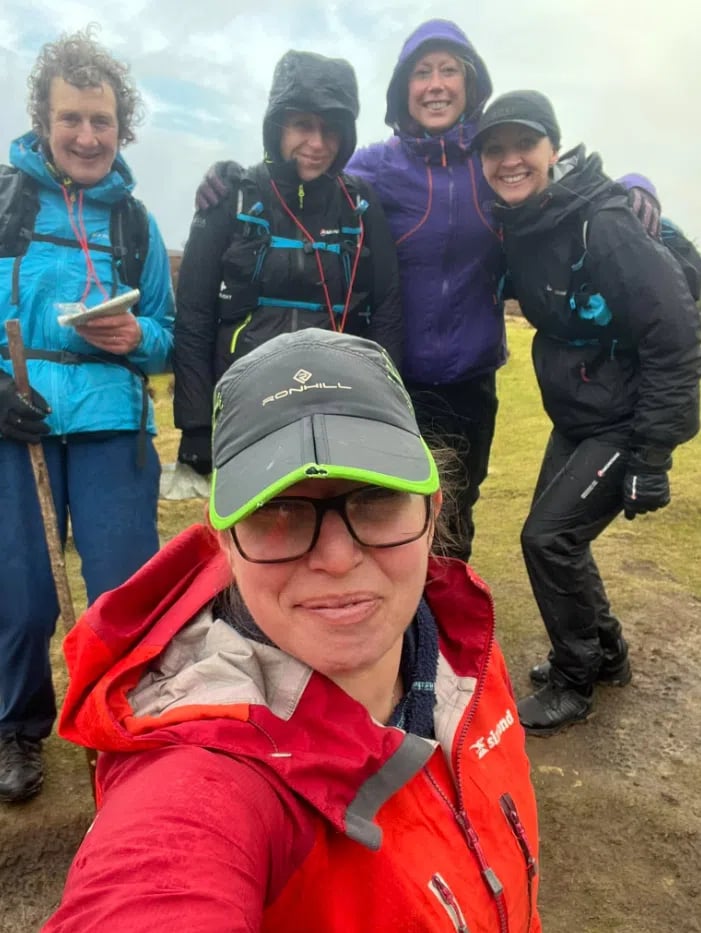
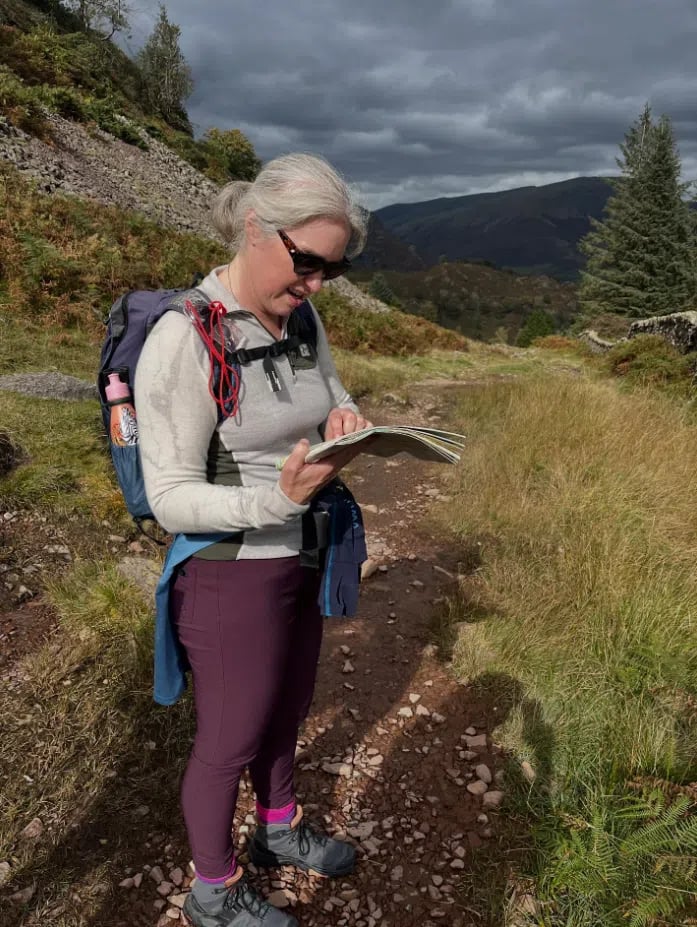
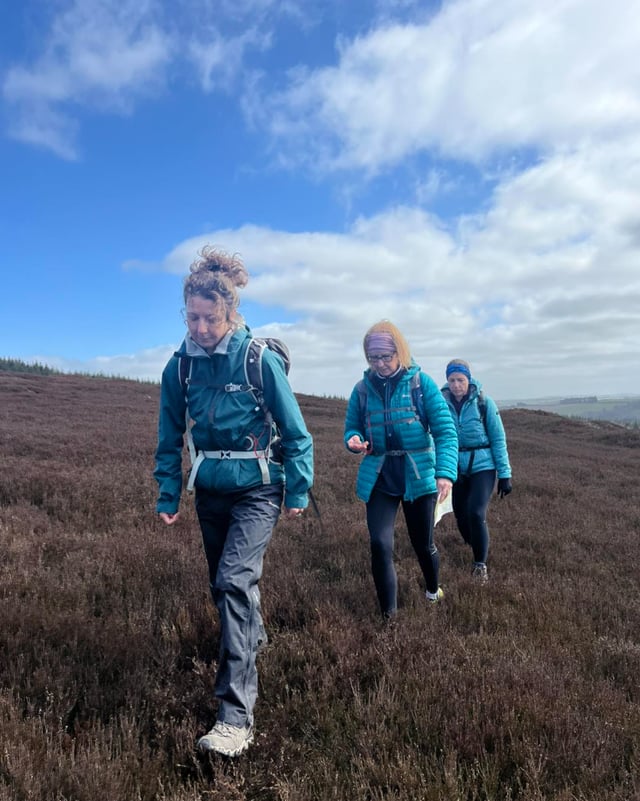
Aimed at those ready to refine their existing map and compass skills, this practical course focuses on applying techniques with more precision and confidence. Participants will work through a variety of navigation challenges, including route planning, taking accurate bearings, and navigating away from paths. By the end of the day, you’ll have a stronger understanding of how to handle complex terrain safely and independently.
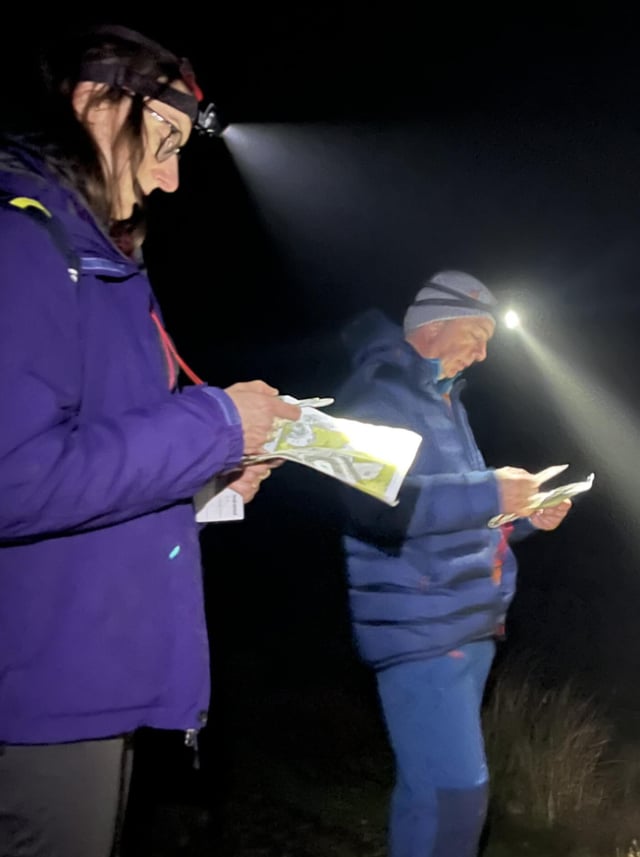
Participants begin by reviewing essential map and compass techniques to ensure a solid foundation before moving on to more advanced exercises. Sessions take place both on and off established paths, giving everyone the opportunity to test their navigation in varied terrain and under realistic conditions. The focus gradually shifts towards greater independence, helping you make confident decisions while interpreting natural and man-made features.
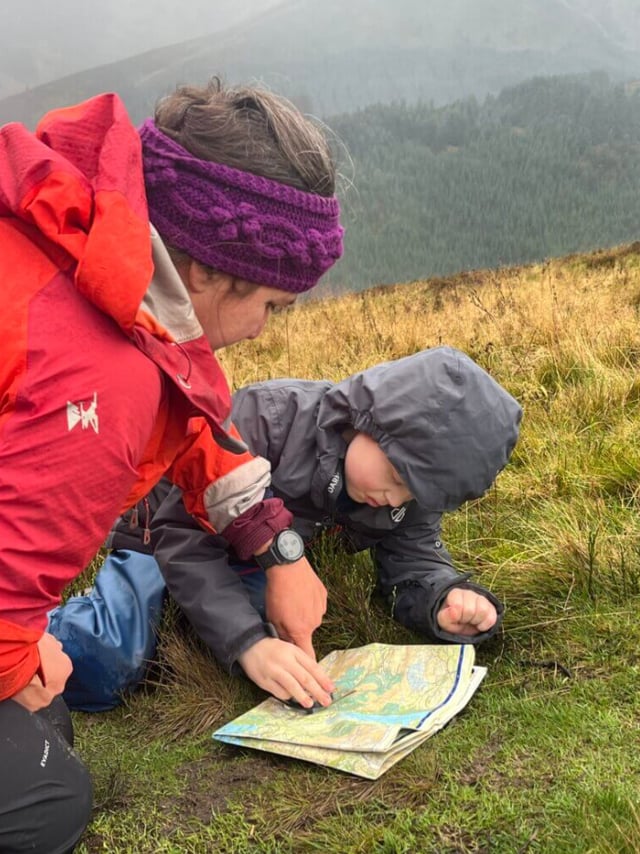
Through the day, practical tasks are used to apply skills such as route planning, pacing, and taking bearings. You’ll learn how to relate map details to what you see around you, using subtle changes in terrain to maintain accuracy. By the end of the course, you’ll have developed the ability to move efficiently across unfamiliar ground and adapt your route in response to the environment.
Hamsterley Forest, on the edge of the North Pennines, provides a perfect mix of woodland trails and open ground, ideal for refining navigation techniques. The forest’s varied topography includes gentle slopes, clearings, and stream crossings, allowing participants to practise identifying features and using contours for reference.
Training may also take place in Guisborough Woods or near Grasmere, each offering a distinct landscape for learning. Guisborough’s elevated woodland tracks encourage compass accuracy and route choice, while the Grasmere area in the Lake District introduces participants to more open terrain and intricate contour reading.
Participants should already be comfortable with the basics of navigation, including orientating a map, identifying features, and taking simple bearings. This course builds directly on those skills, so previous completion of an introductory navigation session or equivalent experience is recommended.
You should have a moderate fitness level, as the session includes steady walking and some short sections of uneven or uphill terrain. Appropriate outdoor clothing, including waterproofs, sturdy footwear, and warm layers, is essential. A personal compass can be brought along, although one can be provided if needed.
Fran, a highly experienced and qualified navigation instructor, brings years of expertise in both running and walking environments. Her relaxed, encouraging approach ensures each session is tailored to the group’s ability, with clear explanations and supportive coaching throughout. Every exercise is designed to build confidence while maintaining a sense of enjoyment and achievement.
The centre focuses on helping people gain genuine independence in the outdoors through approachable, hands-on learning. Small group sizes allow plenty of individual guidance, and the welcoming atmosphere means participants feel comfortable asking questions and testing new skills. Whether you aim to navigate more confidently on personal adventures or prepare for mountain routes, the centre’s practical teaching approach helps turn knowledge into lasting ability.
For most navigation courses, you’ll need to come prepared for a full day outdoors in potentially mixed weather conditions. A good waterproof jacket and trousers are essential to keep you dry and comfortable throughout the session, as weather can change quickly in the hills. A hat and gloves will help you stay warm, even during milder months, while a whistle is a basic safety tool used for signalling if needed. Make sure you also bring some snacks and a drink to stay fuelled and hydrated during the day.
If you already own a compass, it’s recommended to bring it along so you can get familiar with your own equipment. However, if you don’t have one, the instructor will provide one for you to use during the session. All other specialist equipment will be provided or discussed ahead of time. You’ll receive full joining instructions before your course, detailing any specific items required for your particular session or location.
The courses are open to ages 16+, though anyone under 18 must attend with a responsible adult. This ensures that young participants are properly supported throughout the session, especially when walking in unfamiliar terrain or in more remote areas. Navigation skills can be learned at any age, and it’s a great way for families to enjoy time outdoors together while building confidence in map reading and route planning.
There’s no upper age limit either, as the pace and level of difficulty are tailored to the group’s ability. Whether you’re a parent looking to learn alongside your child or an experienced walker wanting to improve your skills, the sessions are designed to be accessible and enjoyable for everyone.
Yes, absolutely. The navigation courses are open to anyone who wants to learn or improve their map and compass skills, regardless of gender. The focus is entirely on developing practical navigation abilities and confidence in the outdoors, so everyone is welcome.
Some sessions may occasionally be tailored for specific groups, such as women’s courses or youth sessions, but the majority are open to mixed groups. Every participant receives the same level of attention and guidance, and the aim is always to create a relaxed, supportive environment for learning.
Yes, participants are asked to bring their own food for the day. Most sessions take place outdoors, often away from shops or facilities, so it’s important to pack a packed lunch and enough snacks to keep your energy up. Simple, easy-to-carry items like sandwiches, fruit, or cereal bars are ideal, along with plenty of water or a warm drink in a flask.
There’s usually time for a short break or picnic-style lunch during the session, depending on the day’s plan and the weather. If you have any dietary requirements, you’ll be able to plan accordingly, as no shared food is provided. It’s always better to bring slightly more than you think you’ll need, especially if the course runs longer than expected or involves more physical activity than you’re used to.
You should already be confident with the basics, such as orientating a map, identifying landmarks, and taking simple compass bearings. If you’ve previously attended an introductory session or regularly use a map while walking, you’ll be well prepared to build on those skills.
For those uncertain about their level, Fran can offer a quick pre-course chat to help decide whether this course or the introductory option suits you best. The aim is to ensure you’re challenged appropriately without feeling out of your depth.
Navigation training continues in most weather conditions, as learning to adapt to wind, rain, and reduced visibility is an important skill. Sessions are adjusted for safety, focusing on areas where instruction and movement remain comfortable and secure.
Only in extreme conditions, such as strong storms or high winds, would a course be postponed. Participants would be notified promptly and offered an alternative date or credit.
You’re welcome to bring your own compass if you have one, as it can help you get used to your own kit. However, all essential equipment including maps and compasses will be available to borrow for the duration of the course.
Bringing your own outdoor gear, such as a waterproof jacket, trousers, and suitable footwear, is essential. Extra layers, snacks, and a drink are also recommended, as sessions are held outdoors throughout the day.
About the centre
Bedburn, Hamsterley
Operated by Run Like a Haggis, a partner of adventuro.

Somerset and Dorset, United Kingdom
From £62.10