
We partner with Rewilding Britain to help protect our natural spaces for future adventures.
All centres are vetted for safety and quality. Your adventure is in good hands with adventuro.
Whether you're a recreational cyclist, club rider or part of a cycling organisation, knowing how to respond to an emergency can make a real difference. This practical one-day course provides the knowledge and confidence to manage common cycling-related injuries and medical emergencies until professional help arrives.
Throughout the day, you'll learn how to assess and manage a wide range of incidents that cyclists may encounter on roads, trails and organised rides. Training begins with the foundations of first aid, including scene safety, initial casualty assessment, recovery position techniques and understanding barriers such as gloves and face shields. Particular attention is given to road safety considerations and how to protect both yourself and the casualty at the scene of an incident.
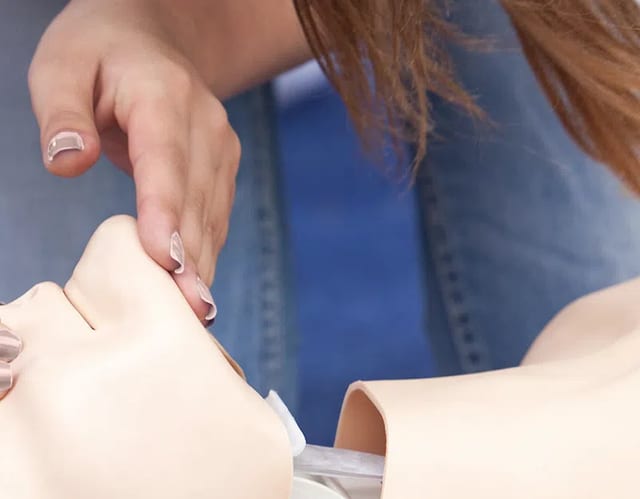
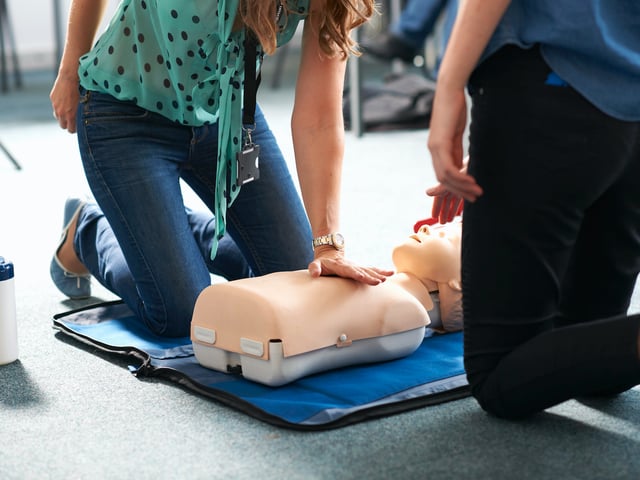
Practical CPR training forms a major part of the course. Participants learn adult and child CPR techniques, chest-compression-only CPR, AED awareness and how to hand over resuscitation duties when a second rescuer is available. Cardiac emergencies, including heart attacks, are also covered to help learners recognise warning signs and respond appropriately.
Further modules focus on injuries and illnesses commonly associated with cycling accidents. Training covers bleeding control, embedded objects, fractures, sprains, strains, burns, eye injuries, dislocations and chest injuries. You'll also learn how to identify and respond to head injuries, spinal injuries and strokes, giving you a broad understanding of how to manage casualties while waiting for emergency services to arrive.
Courses can be delivered at your workplace, cycling club venue, community facility or suitable home location. This flexible approach allows groups to receive professional first aid training in an environment that works best for their schedule and requirements.
Training is available throughout Buckinghamshire and neighbouring areas, including Aylesbury, High Wycombe, Amersham, The Chalfonts, Buckingham, Milton Keynes, Tring, Berkhamsted, Hertford, St. Albans, Oxford, Watford and Northampton. Sessions can be arranged for businesses, clubs, organisations and private groups.
No previous first aid experience is required to attend this course. The training is suitable for cyclists of all abilities, from occasional riders through to experienced club members and event organisers.
Active participation in practical exercises is encouraged throughout the day. Instructors provide guidance and support to help learners develop confidence in applying first aid skills effectively.
Led by experienced frontline medics, training combines recognised first aid qualifications with practical emergency response knowledge gained through years of real-world experience. Learners benefit from realistic examples and instruction focused on situations they may genuinely encounter.
Every course is designed to be engaging, informative and hands-on. By combining theory with practical exercises, participants leave with skills that are easier to remember and apply when faced with an emergency.
Cyclists can find themselves in situations where immediate assistance is needed following a collision, fall or medical emergency. Having first aid knowledge can help stabilise a casualty and provide reassurance while waiting for professional help.
Many cycling routes take place in areas where emergency services may take longer to arrive. Understanding how to assess injuries and provide initial care can be extremely valuable during those critical first few minutes.
Yes. The course includes practical training in adult CPR, child CPR and chest-compression-only CPR. Participants also learn about AEDs and their role in resuscitation.
Hands-on practice helps build confidence so that learners understand the correct techniques and can respond more effectively in a real emergency.
No. The course is suitable for cyclists of all experience levels, including those who ride occasionally or have recently taken up cycling.
The content focuses on first aid skills rather than cycling ability, making it accessible to anyone who wants to improve their emergency response knowledge.
Yes. Head injuries are covered in detail due to their relevance to cycling incidents. Participants learn how to recognise potential signs of serious injury and understand appropriate first aid responses.
The training also explains when further medical assessment may be required and how to monitor a casualty following a head injury.
Fractures are an important part of the course and include guidance on recognising different types of breaks and stabilising injured limbs.
Learners are also introduced to splinting techniques and best practices for managing suspected fractures until emergency services take over.
Absolutely. The course can be arranged for cycling clubs, businesses, community organisations and private groups.
Group delivery allows members to learn together and develop a shared understanding of emergency procedures relevant to their activities.
Upon successful completion, participants receive a digital first aid certificate that remains valid for three years.
Additional benefits include a Certified CPD certificate, access to online resources and regular refresher materials to support ongoing learning.
Berkshire, Buckinghamshire and Oxfordshire, United Kingdom
From £250
Berkshire, Buckinghamshire and Oxfordshire, United Kingdom
From £685
Berkshire, Buckinghamshire and Oxfordshire, United Kingdom
From £425



Highlands & Islands, United Kingdom
From £457.50

Berkshire, Buckinghamshire and Oxfordshire, United Kingdom
From £400


About the centre
Buckinghamshire
Operated by MediPulse Training, a partner of adventuro.