
We partner with Rewilding Britain to help protect our natural spaces for future adventures.
All centres are vetted for safety and quality. Your adventure is in good hands with adventuro.
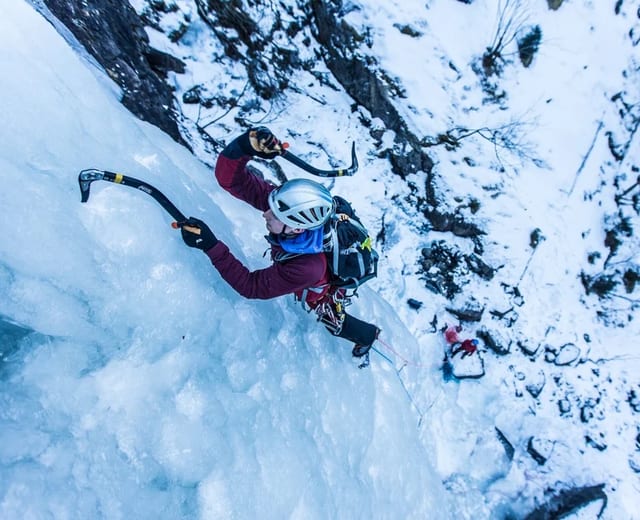
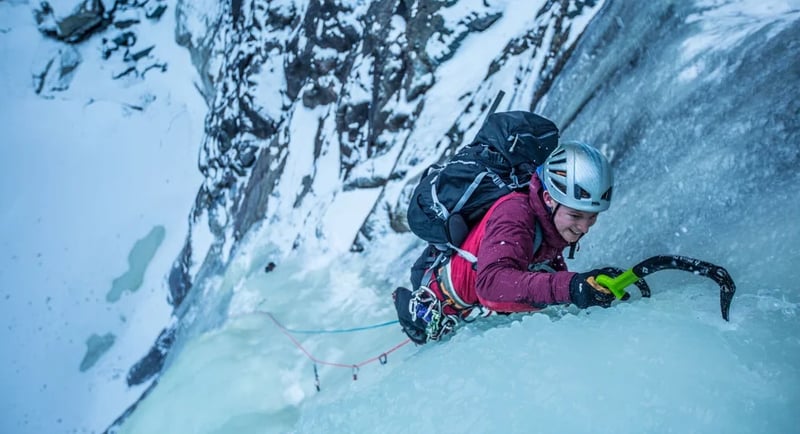
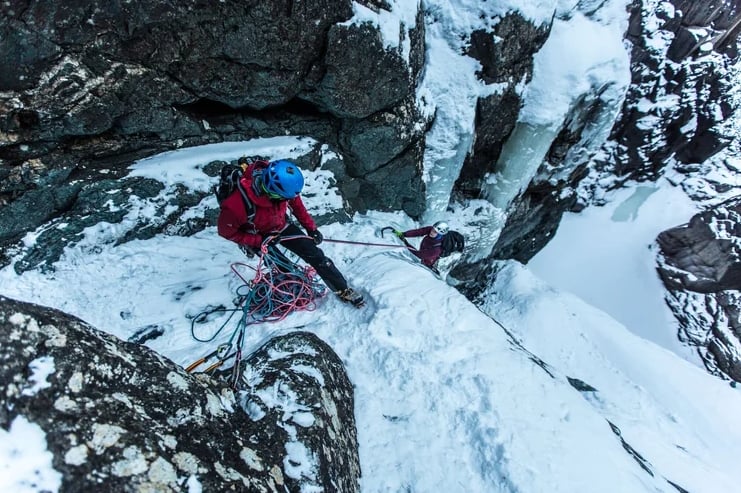
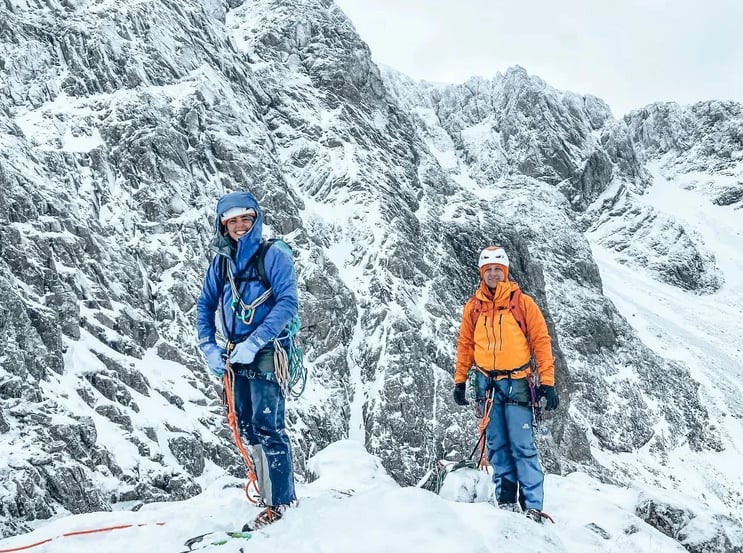
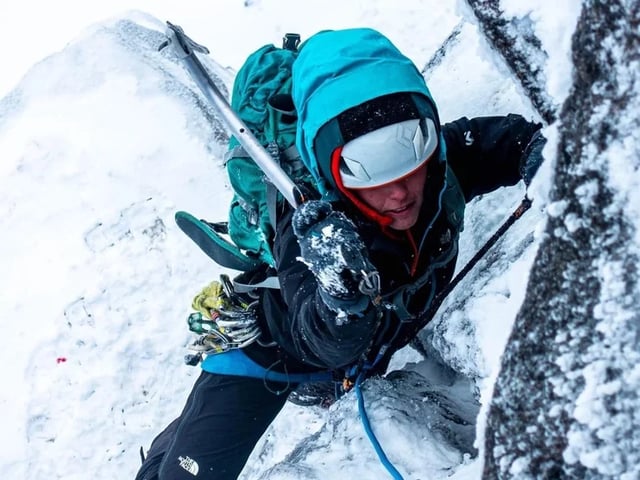
Noorwegen biedt twee zeer verschillende vormen van ijsklimmen, elk gevormd door het landschap. Rjukan staat bekend om zijn dicht opeengepakte bevroren watervallen en korte aanlooproutes, waardoor het een van de efficiëntste ijsklimgebieden van Europa is. Senja ligt ver in het noorden, waar routes vanuit fjorden en kustdalen omhooglopen in een meer afgelegen omgeving.
De hele week ligt de focus op het opbouwen van vertrouwen op het ijs en het inspelen op veranderende omstandigheden. Op sommige dagen beklimmen we korte technische routes dicht bij de weg, terwijl we op andere dagen langere alpiene routes met meer commitment aanpakken. De opzet blijft flexibel, zodat het beste ijs altijd voorrang krijgt.
De vooruitgang ontstaat vanzelf in de loop van de week, met coaching die wordt afgestemd op je ervaringsniveau. Of je nu je stijgijzertechniek verfijnt of langere multipitchklimmen leert beheersen, het doel is gestage verbetering in echte winterse omstandigheden.
Elke dag wordt bepaald door de actuele ijsomstandigheden en niet door vaste doelen. Zo kan de klimtijd efficiënt worden benut door de beste beschikbare locaties te kiezen, in plaats van ongeschikte routes te forceren.
De instructie wordt gedurende de week aangepast op basis van je vooruitgang. Of je nu vertrouwen opbouwt op steil ijs of efficiënter leert klimmen op langere routes, de begeleiding wordt afgestemd op een praktische en relevante ervaring.
📍 Rjukan
Aankomst in Oslo en transfer naar het dal van Rjukan. Je trekt in bij de accommodatie en maakt de uitrusting klaar voor de komende week. We nemen de tijd om het weer en de ijsomstandigheden te bekijken en de eerste klimdoelen te plannen.
De avond is ontspannen, met uitrustingscontroles en een briefing voor het ijsklimmen in het dal van de volgende dag.
📍 Senja
Aankomst in Tromsø, gevolgd door een rit naar Senja via kustwegen en fjordovertochten. Je checkt in bij de accommodatie vlak bij de toegangspunten tot de klimgebieden.
De laatste voorbereidingen bestaan uit het bekijken van de lawineverwachting en het controleren van de uitrusting voordat de klimactiviteiten beginnen.
📍 Rjukan
De eerste klimdag staat in het teken van goed toegankelijke ijsroutes langs de weg in het dal. Deze routes zijn ideaal om op te warmen, aan het Noorse ijs te wennen en bewegingstechnieken te verfijnen.
De routes worden gekozen op basis van de omstandigheden, maar bestaan doorgaans uit single-pitch-ijsklimmen met nadruk op efficiëntie en het plaatsen van ijsschroeven.
📍 Senja
De eerste lokale klimdag vindt plaats bij routes aan de fjord en ijsklimlocaties langs de weg. Verwacht kortere aanlooproutes en wisselende ijskwaliteit onder invloed van het kustweer.
De focus ligt op het aanpassen aan de koudere, meer blootgestelde Arctische omstandigheden en op inzicht in hoe ijs zich in deze regio anders vormt.
📍 Rjukan
We gaan verder met langere klimroutes op het dalijs, met steilere passages en langere touwlengtes. Deze dag bouwt vertrouwen op steil ijs op en introduceert routes met meer commitment.
De nadruk ligt op touwsystemen, tempo en efficiënt klimmen op steiler terrein.
📍 Senja
Het klimmen verschuift naar langere aanlooproutes en veeleisendere ijsroutes langs de fjorden. Afhankelijk van de omstandigheden kunnen sommige beklimmingen gemengd terrein omvatten.
De dag draait om uithoudingsvermogen, routelezen en bewegen in afgelegen omgevingen.
📍 Rjukan
Op de laatste volledige klimdag in het dal kiezen we routes van hogere kwaliteit op basis van de omstandigheden en het energieniveau. Dit kunnen klassieke multipitch-ijsklimroutes zijn.
Een kans om je vaardigheden te consolideren voordat je mogelijk naar het noorden reist of je laatste klimdag in het dal doorbrengt.
📍 Senja
Er worden grotere doelen in bergstijl gekozen, vaak met langere aanlooproutes naar rustiger terrein boven de fjorden. De routes voelen alpiener aan.
Dit is een volledige dag in afgelegen omstandigheden, met sterke nadruk op tempo en besluitvorming.
📍 Rjukan
Optionele extra klimdag of reis naar het noorden richting Senja, afhankelijk van het programma. Als je in Rjukan blijft, worden routes gekozen voor plezier en verfijning van je techniek, niet voor verdere progressie.
Meestal worden kortere of gematigde routes gekozen om vermoeidheid vóór de reis te beperken.
📍 Senja
Een volledige dag alpien ijsklimmen op langere routes, afhankelijk van de omstandigheden. Dit kan multipitchbeklimmingen boven fjorden of gemengd terrein omvatten.
De focus ligt op het toepassen van alle eerder in de week ontwikkelde vaardigheden in een veeleisendere omgeving.
📍 Rjukan
De laatste klimdag bestaat vaak uit het kiezen van een klassieke, gematigde route vlak bij de weg, voor een ontspannen maar belonende laatste sessie.
Een kans om je vaardigheden te consolideren en de reis af te sluiten op prettig terrein.
📍 Senja
De laatste grote klimdag in afgelegen terrein, waarbij een route wordt gekozen die past bij de omstandigheden en de energie van de groep. Vaak gaat dit gepaard met een langere aanloop en aanhoudend klimwerk.
De nadruk ligt op het op een rustige en gecontroleerde manier voltooien van een hoogwaardig Arctisch doel.
📍 Rjukan
Een laatste ochtendbeklimming of korte sessie bij Vemork of nabijgelegen ijslocaties voordat we inpakken en terugrijden richting Oslo voor vertrek.
Afhankelijk van de timing is een optionele stop bij uitzichtpunten of cafés mogelijk.
📍 Senja
Inpakken en via fjordlandschappen terugrijden richting Tromsø. Afhankelijk van het weer en de vluchttijden is een korte wandeling of schilderachtige stop mogelijk.
De reis eindigt met de terugreis of, indien nodig, een overnachting in Tromsø.
De moeilijkheidsgraad varieert van introductieroutes op WI3-ijs tot steilere WI6–WI7-routes, afhankelijk van de omstandigheden en je niveau. De meeste deelnemers besteden tijd aan het verbeteren van hun techniek in plaats van aan het beklimmen van de hoogst mogelijke moeilijkheidsgraad.
Elke route wordt gekozen op basis van de omstandigheden en het vertrouwen binnen de groep. De focus ligt op vooruitgang, niet op het najagen van een hogere moeilijkheidsgraad.
Enige eerdere ervaring met bewegen of klimmen in winterse omstandigheden is handig, maar voor eenvoudigere routes in Rjukan niet noodzakelijk.
Voor meer gevorderde doelen op Senja wordt eerdere ervaring met ijsklimmen aanbevolen, zodat je efficiënt over steiler terrein kunt bewegen.
Rjukan is toegankelijker, met ijs langs de weg en stabiele omstandigheden. Het programma is gestructureerd en ideaal voor de ontwikkeling van vaardigheden.
Senja is afgelegen, kustgebonden en veeleisender, met langere aanlooproutes en een sterker expeditiegevoel.
Routes worden dagelijks aangepast op basis van het weer, de stabiliteit van het ijs en lawineverwachtingen.
Er is altijd flexibiliteit bij de locatiekeuze: we kunnen tussen locaties wisselen of doelen aanpassen wanneer dat nodig is.
De temperaturen verschillen per regio, maar Rjukan is vaak koud door de ligging in een dal, terwijl Senja door de wind onbeschutter kan aanvoelen.
Goede laagjeskleding en isolatie zijn essentieel voor comfort en veiligheid.
Technische groepsuitrusting kan indien nodig worden verstrekt, maar de meeste klimmers nemen hun eigen bergschoenen, stijgijzers en kleding mee.
Gemeenschappelijke veiligheidsuitrusting wordt beheerd door de gids.
Een redelijke conditie voor bergtochten is vereist, omdat klimdagen lang kunnen zijn en aanlooproutes over sneeuw of oneffen terrein kunnen voeren.
Je moet het prettig vinden om meerdere uren actief buiten te zijn in koude omstandigheden.
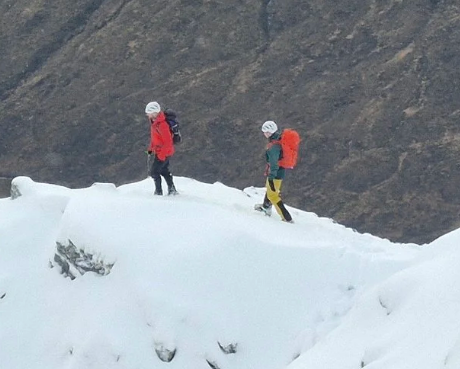
Over het centrum
Rjukan
Uitgevoerd door Highland Climbing Company, een partner van adventuro.
Comunitat Valenciana (Valencian Community), Spain
Vanaf £1095
Saharan & Southern Provinces, Morocco
Vanaf £904.34

Highlands & Islands, United Kingdom
Vanaf £675
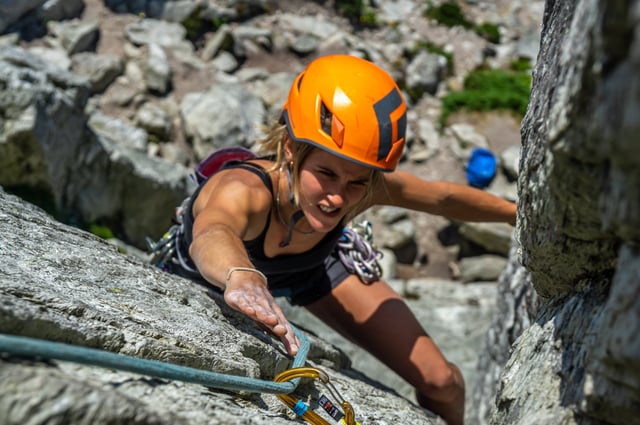
North Wales, United Kingdom
Vanaf £275
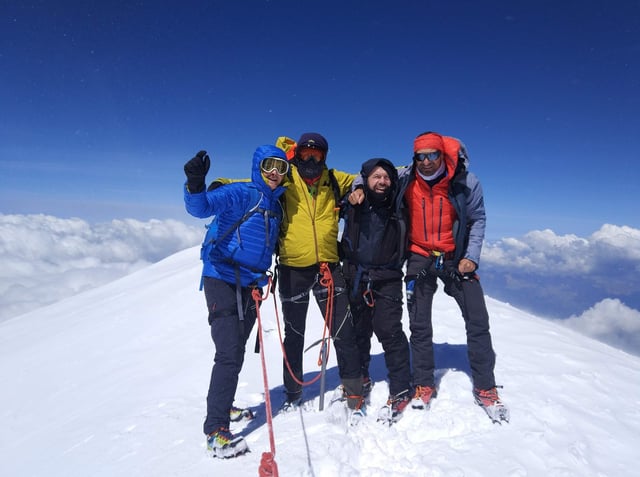
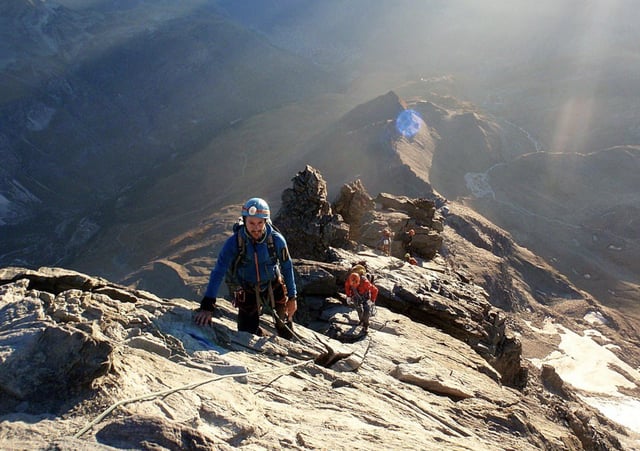
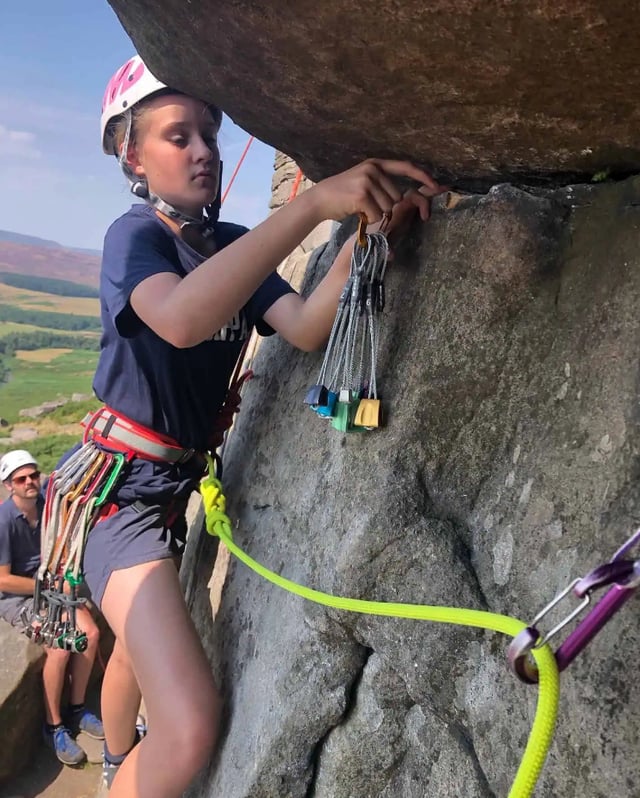
Derbyshire and Nottinghamshire, United Kingdom
Vanaf £550
Highlands & Islands, United Kingdom
Vanaf £775
Highlands & Islands, United Kingdom
Vanaf £775
Highlands & Islands, United Kingdom
Vanaf £340
Highlands & Islands, United Kingdom
Vanaf £250