We partner with Rewilding Britain to help protect our natural spaces for future adventures.
All centres are vetted for safety and quality. Your adventure is in good hands with adventuro.
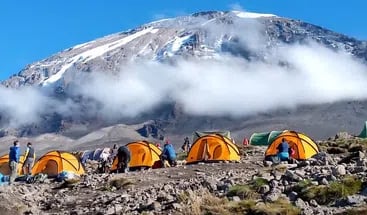
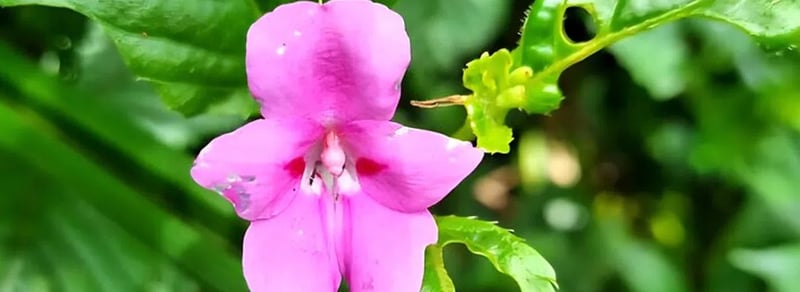
This seven-day trek follows Kilimanjaro’s most well-known ascent route, moving through five distinct ecological zones from rainforest to glacier conditions near the summit. The itinerary is structured to support gradual acclimatisation, using a mix of ascent and descent stages to help the body adjust more effectively to altitude changes.
Progress is steady and well-supported throughout, with a dedicated mountain team managing camps, meals, and daily logistics. The inclusion of acclimatisation stops at higher elevations helps improve comfort and preparation for the final summit push, which takes place overnight before descending to lower camps for recovery.
Each expedition is led by experienced high-altitude guides trained in wilderness safety and emergency response. Daily health monitoring, oxygen availability, and structured pacing are used to support climbers across changing terrain and altitude conditions.
Alongside the climb itself, each journey contributes to community initiatives in the Moshi region, supporting health and education programmes. This combines a structured mountain experience with a wider positive impact beyond the route.
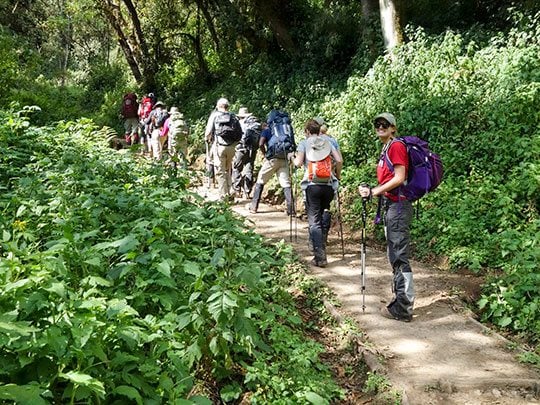
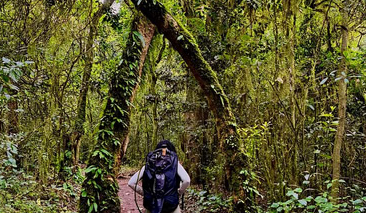
The trek begins at Machame Gate with registration before entering dense rainforest. The trail climbs steadily through humid forest, with a consistent incline leading into the first mountain camp.
Machame Camp is reached by late afternoon, where time is spent resting after the initial ascent. Meals are prepared by the support team, and preparation begins for the following day’s higher elevation gain.
The route leaves the forest and enters heath and moorland terrain with expanding views across the landscape. The path continues upward onto the Shira Plateau, offering a wide-open section of trekking.
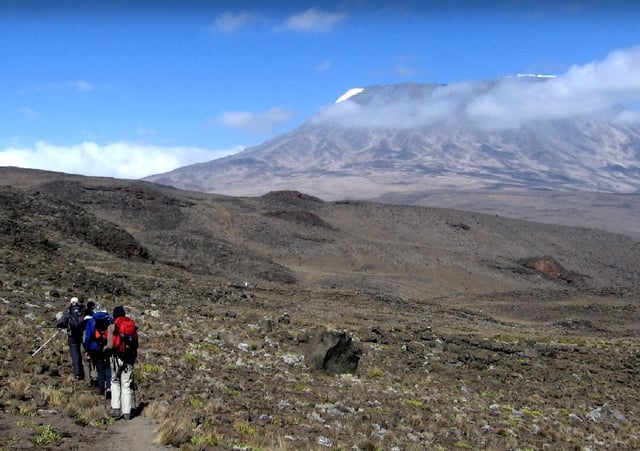
Shira 2 Camp is reached after a steady climb, with views toward Kibo peak in the distance. The evening is used for rest and acclimatisation at higher elevation.
The day includes a climb to Lava Tower at higher altitude for acclimatisation purposes before descending again. This “climb high, sleep low” approach supports adjustment to reduced oxygen levels.
Barranco Camp is reached in the afternoon, set beneath dramatic rock formations. The remainder of the day is focused on recovery after the altitude gain and descent combination.
The day begins with the ascent of the Barranco Wall, a steep but non-technical section requiring careful movement. Once above the wall, the route continues through ridges and valleys with gradual elevation gain.
Karanga Camp is reached for lunch and rest, allowing time to recover before the next stage. The afternoon remains focused on hydration and preparation for higher altitude.
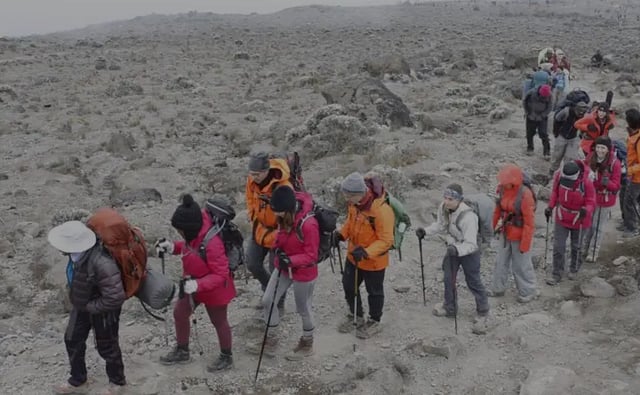
The terrain shifts into alpine desert conditions with fewer landmarks and more exposed ground. The climb continues steadily toward Barafu Camp, the final base before summit night.
Arrival at camp is followed by early rest, as preparation begins for the midnight summit attempt. Energy conservation and hydration are prioritised throughout the evening.
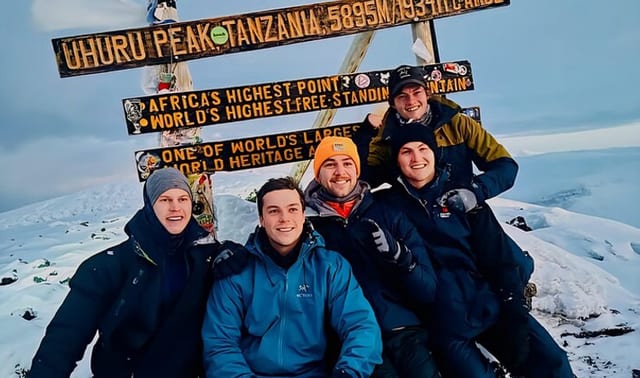
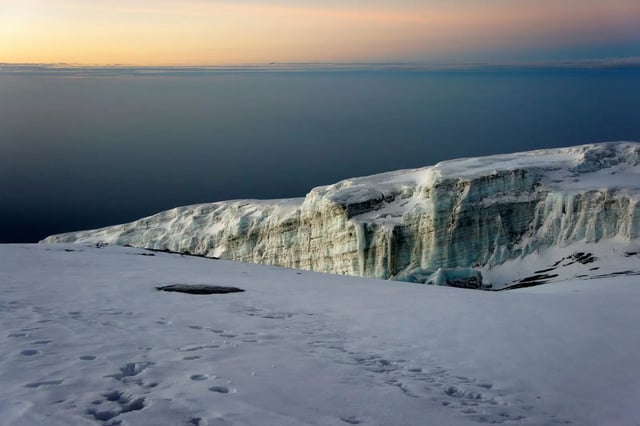
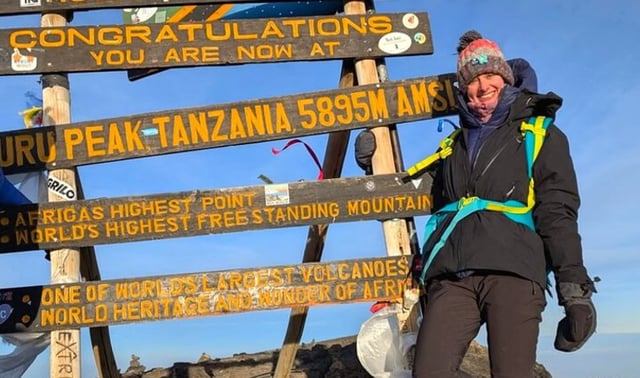
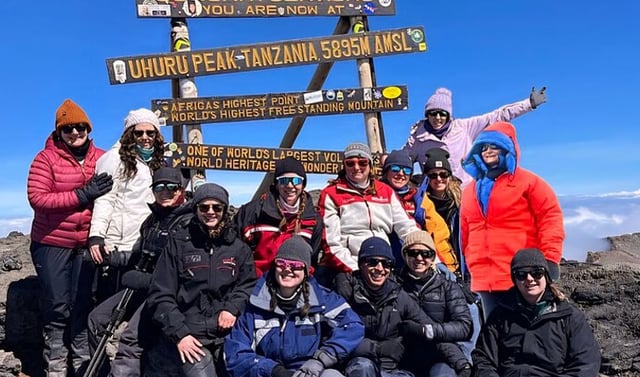
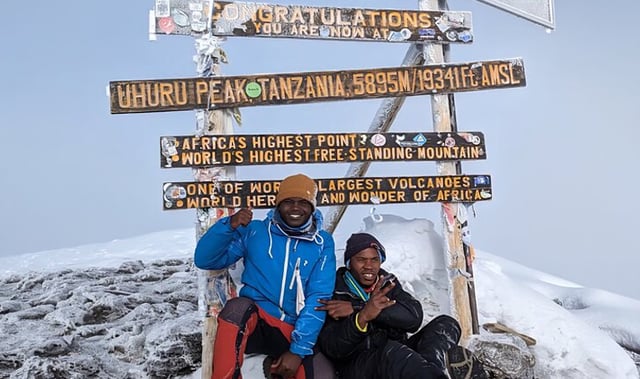
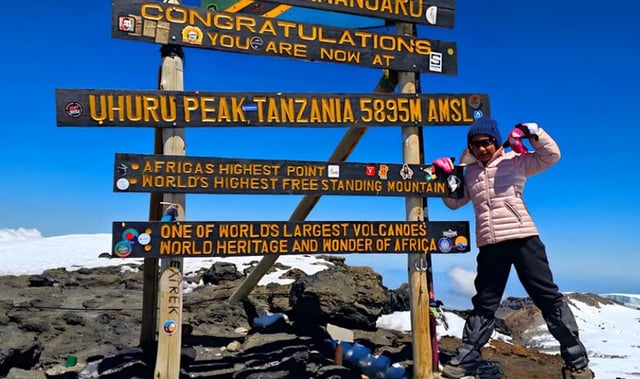
The summit attempt begins just after midnight, climbing through scree and rocky sections toward Stella Point before continuing to Uhuru Peak. Sunrise often occurs near the upper ridge, offering clear views across the mountain.
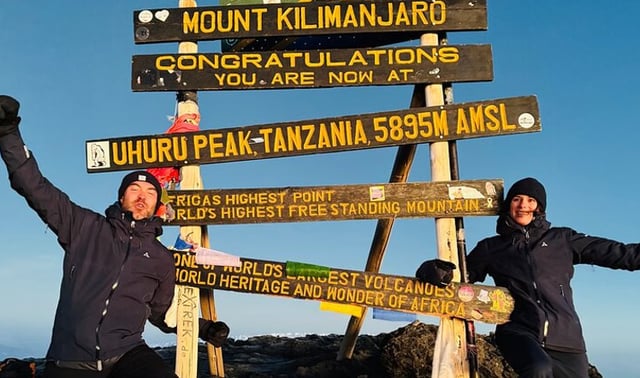
After a short celebration at the summit, descent begins immediately to Barafu before continuing further down to Mweka Camp. This is the most physically demanding day, combining overnight ascent with extended descent.
The final stage descends through rainforest terrain where oxygen levels become noticeably easier. The trail is steady and continuous, allowing recovery after summit efforts.
Arrival at Mweka Gate marks completion of the trek, where certificates are issued before transfer back to base accommodation or onward travel.
Accommodation is provided in mountain camps positioned along the route, with shared sleeping tents and designated dining areas. Camps are set up and managed by the support crew to ensure consistency throughout the trek.
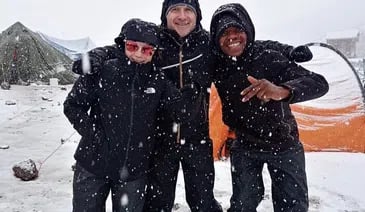
Conditions become colder and more basic at higher elevations, particularly near summit staging points. All logistics, including equipment transport and camp setup, are handled by the team to support recovery between trekking days.
This is one of the most popular routes due to its varied scenery and strong acclimatisation profile. It includes multiple altitude gains and descents, which help the body adjust more effectively.
The combination of landscapes and structured pacing makes it suitable for those looking for a well-supported multi-day ascent.
This method involves ascending to higher altitudes during the day and descending slightly to sleep at lower elevation. It helps the body adapt more gradually to reduced oxygen levels.
The itinerary includes a dedicated acclimatisation day at higher elevation to support this process.
Daily health checks are conducted using pulse oximetry to monitor oxygen levels and overall condition. Guides adjust pacing based on how individuals respond to altitude.
Emergency oxygen is available if required, and descent is prioritised if symptoms worsen.
Accommodation consists of supported mountain camps with shared tents and dining areas. Camps are set up by the crew at each location.
Facilities become more basic at higher altitude, particularly near summit staging points where conditions are colder and more exposed.
Meals are prepared daily by the mountain support team, focusing on energy and recovery needs. Food is designed to support sustained trekking performance.
Water is treated where necessary and regular hydration is encouraged throughout each day.
The summit push begins around midnight on day six, allowing ascent in colder, more stable conditions. This timing supports arrival at the summit around sunrise.
After a short stay at the top, descent continues immediately to lower camps.
Guides monitor climbers closely and adjust pace or rest periods where needed. Mild symptoms are managed with hydration and rest.
If required, descent is arranged as the most effective response to altitude-related issues.
About the centre
Moshi
Operated by Hillborn Organic Coffee, a partner of adventuro.
Kilimanjaro & Arusha, Tanzania
From $2800
Kilimanjaro & Arusha, Tanzania
From $2600
Kilimanjaro & Arusha, Tanzania
From $2600
Kilimanjaro & Arusha, Tanzania
From $2200
Kilimanjaro & Arusha, Tanzania
From $80