We partner with Rewilding Britain to help protect our natural spaces for future adventures.
All centres are vetted for safety and quality. Your adventure is in good hands with adventuro.
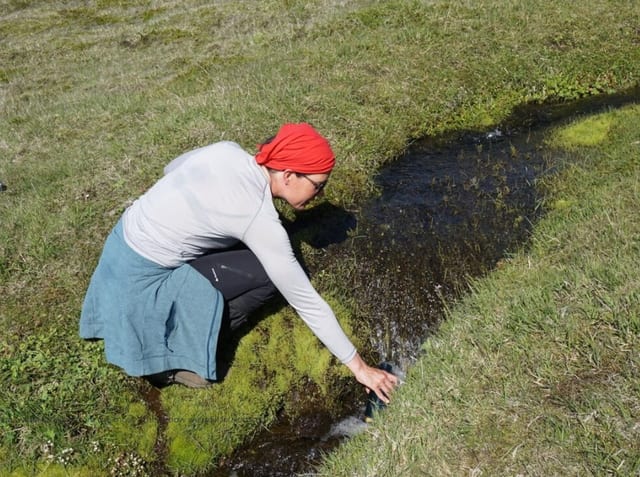


Beginning with a boat journey from Ísafjörður, this expedition follows a six-day route through some of the quietest landscapes in Iceland. The trail moves steadily between remote fjords, mountain passes and abandoned coastal settlements while carrying all camping equipment and supplies needed for the week. With no roads or permanent infrastructure inside the reserve, the journey feels far removed from modern life and offers a rare sense of isolation that is increasingly difficult to find elsewhere.
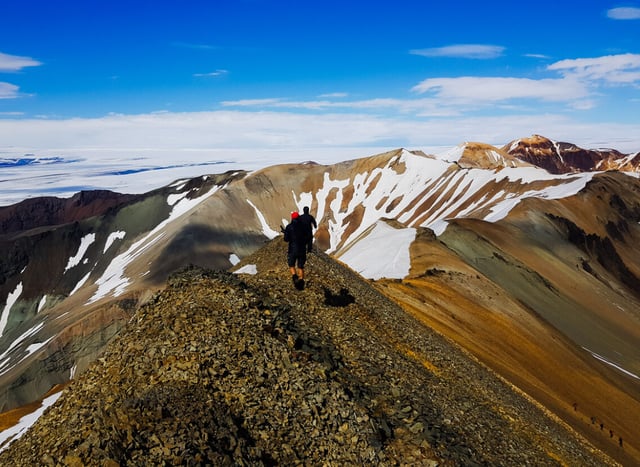
Days are spent walking through broad valleys, flower-covered heathland and dramatic coastal terrain shaped by glaciers, storms and centuries of changing weather. Evenings are spent camping beside fjords and remote beaches while surrounded by towering cliffs, seabird colonies and the vast North Atlantic coastline. The rhythm of the trip remains simple throughout the week — walk, eat, rest and continue deeper into Hornstrandir’s wilderness.
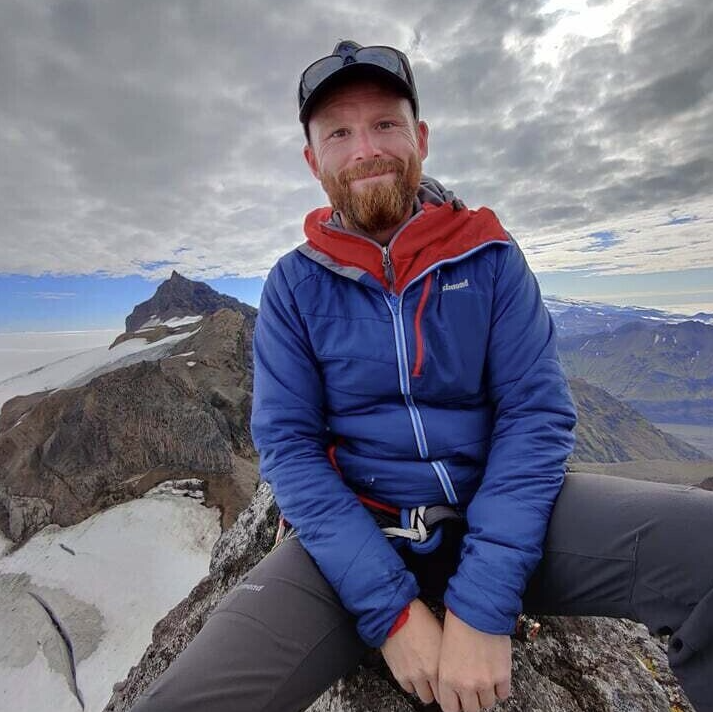
Trips are led by experienced local guides who know the Hornstrandir region intimately and focus on creating a personal and thoughtful wilderness experience rather than rushing between checkpoints. Daniel and the guiding team place strong emphasis on moving at a sustainable pace, travelling responsibly and helping participants connect with the landscape beyond simply completing the route.
Group sizes are kept smaller to preserve the quiet atmosphere that makes Hornstrandir so special. Rather than operating large commercial tours, the approach remains flexible, personal and expedition-focused, allowing the journey to feel more immersive and connected to the environment around you.
The expedition begins with a boat ride from Ísafjörður into the remote inlet of Veiðileysufjörður. After landing, the route climbs steadily over a mountain pass with expansive views before descending towards Hornvík, one of Hornstrandir’s most dramatic bays surrounded by steep sea cliffs and huge seabird colonies.
Camp is established near the bay where the evening light often illuminates the cliffs above the fjord. The first day sets the tone for the week ahead with immediate immersion into Hornstrandir’s isolated landscapes.
Leaving Hornvík behind, the trail heads west through broad valleys and grassy ridges with regular views back towards the coastline. Old remains of fishing camps and seasonal settlements can still be found scattered across the landscape.
The route eventually descends into the quiet fjord of Hlöðuvík where camp is established for the evening. This section of the trek introduces the slower pace and remote atmosphere that defines life inside the nature reserve.
One of the more demanding trekking days of the expedition crosses a higher mountain pass overlooking the wide fjord system of Fljótavík. Views stretch across open bays, steep mountains and remote coastal terrain shaped by centuries of isolation.
Descending towards the fjord, the terrain gradually softens into marshland and driftwood-lined beaches where Arctic foxes are sometimes spotted during the evening around camp.
Today’s route travels southwest through rolling valleys and coastal landscapes towards Aðalvík. The remains of old farms and abandoned homes scattered throughout the fjord offer reminders of the communities that once survived in these isolated conditions.
Camp is positioned near the coast beside the broad curve of the bay, creating one of the quieter and more reflective evenings of the expedition.
A shorter trekking day follows the coastline and inland heathland towards Hesteyri, once the largest settlement within Hornstrandir. A handful of restored buildings and ruins still remain, offering a fascinating insight into the region’s history and the lives once lived here.
With more time available during the afternoon, participants can explore the area around camp and visit the old doctor’s house if open before the final evening in the reserve.
The expedition concludes with a morning boat ride from Hesteyri back to Ísafjörður. Travelling out through the fjords offers a final perspective of the remote landscapes crossed during the week.
As the cliffs and isolated bays slowly disappear behind the boat, the quiet atmosphere of Hornstrandir tends to stay with participants long after leaving the reserve.
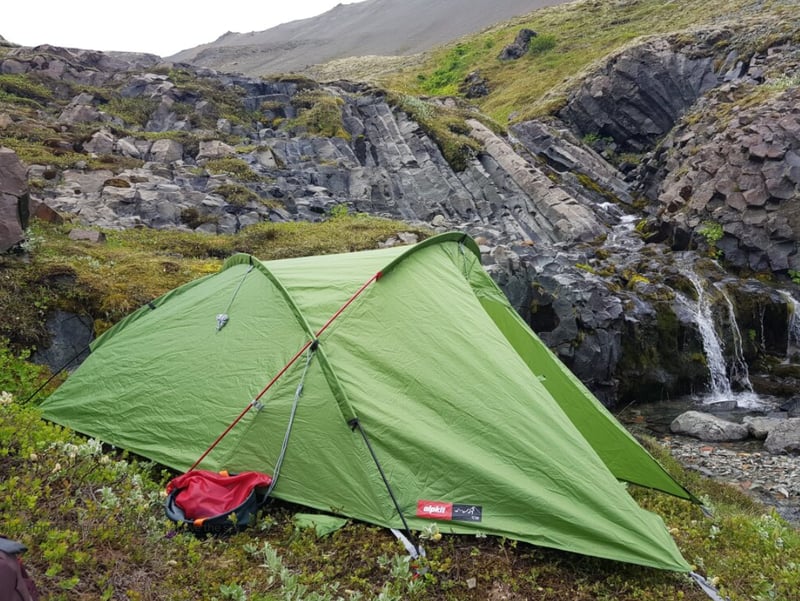
Accommodation throughout the expedition is based entirely on wild camping in remote fjord and coastal locations. Camps move each day alongside the route, allowing participants to experience Hornstrandir’s changing landscapes from deep within the reserve itself.
Camping forms an essential part of the journey and creates a much stronger connection to the rhythm of life in the wilderness. Evenings are spent cooking, resting and enjoying the quiet surroundings far away from roads, traffic and modern distractions.
This expedition involves multiple consecutive days of hiking while carrying personal equipment between camps. Participants should expect uneven terrain, mountain passes and changing weather conditions throughout the route.
Although the daily distances are manageable for experienced hikers, the remote nature of the environment and lack of facilities make this a more demanding trek than standard day hiking routes.
Previous hiking or trekking experience is strongly recommended, especially experience carrying a backpack over several days. Participants should feel comfortable walking for long periods across uneven terrain in changing weather.
The route is not technical mountaineering, but the remoteness and expedition style of the journey require a good level of fitness and outdoor confidence.
Hornstrandir is one of Iceland’s most isolated regions with no roads, permanent settlements or shops inside the reserve. Access is only possible by boat and once the expedition begins there are very few signs of modern infrastructure.
This remoteness is one of the defining features of the experience and creates a genuine sense of wilderness throughout the journey.
Arctic foxes are commonly spotted throughout Hornstrandir, particularly around quieter valleys and coastal areas. Huge seabird colonies also nest on the cliffs during the summer months, creating dramatic wildlife scenes across the reserve.
The absence of roads and permanent human activity has allowed wildlife to thrive here in a way that feels very different from much of the rest of Iceland.
Camps are established in remote fjords, valleys and coastal areas along the route. Facilities are minimal or non-existent, which is part of what makes the expedition feel so immersive and disconnected from normal daily life.
Each campsite offers different surroundings, from beaches lined with driftwood to grassy bays beneath steep mountain slopes and seabird cliffs.
Weather in the Westfjords can change rapidly and participants should be prepared for wind, rain and cooler temperatures even during summer months. Conditions near the coast can feel especially exposed depending on the day.
Good waterproof clothing and layering systems are essential for staying comfortable throughout the trek.
Participants carry their personal clothing, sleeping equipment and daily supplies throughout the route. Group camping and cooking equipment is shared among the group where appropriate.
Packing efficiently is important because the trek involves several days of continuous movement between camps without access to resupply points.
About the centre
Hornstrandir
Operated by Pict Expeditions, a partner of adventuro.
Vík & South Coast, Iceland
From kr320000
Vík & South Coast, Iceland
From kr139600
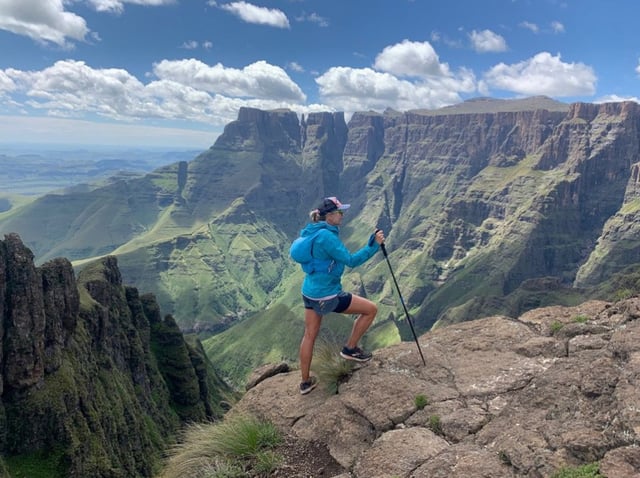
Drakensberg Amphitheatre, South Africa
From R9512