We partner with Rewilding Britain to help protect our natural spaces for future adventures.
All centres are vetted for safety and quality. Your adventure is in good hands with adventuro.
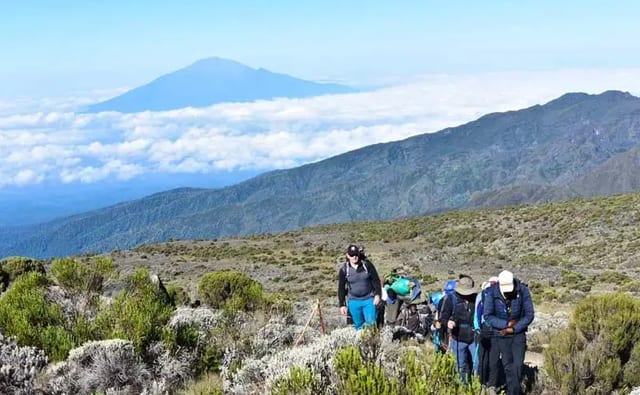
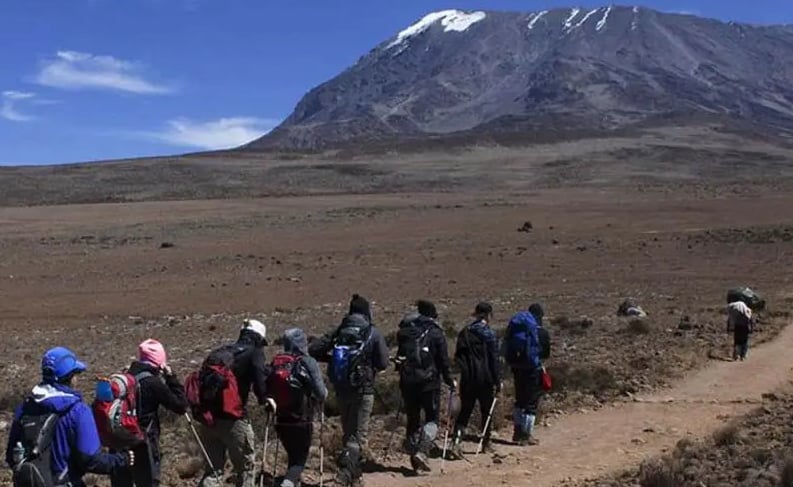
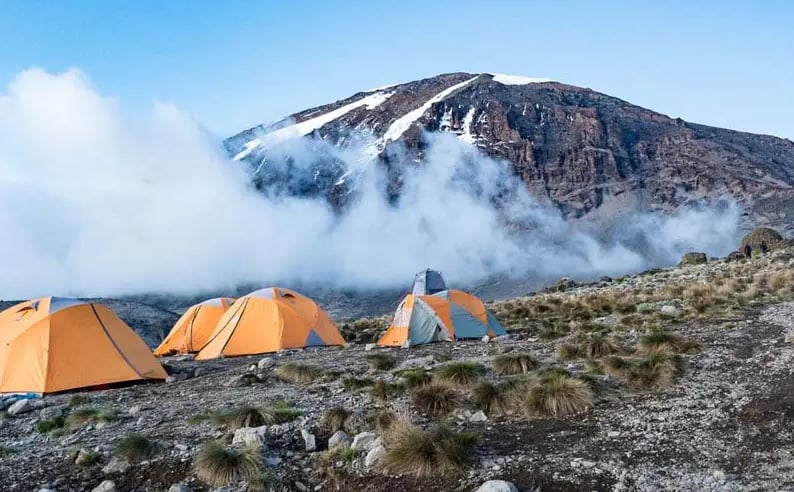
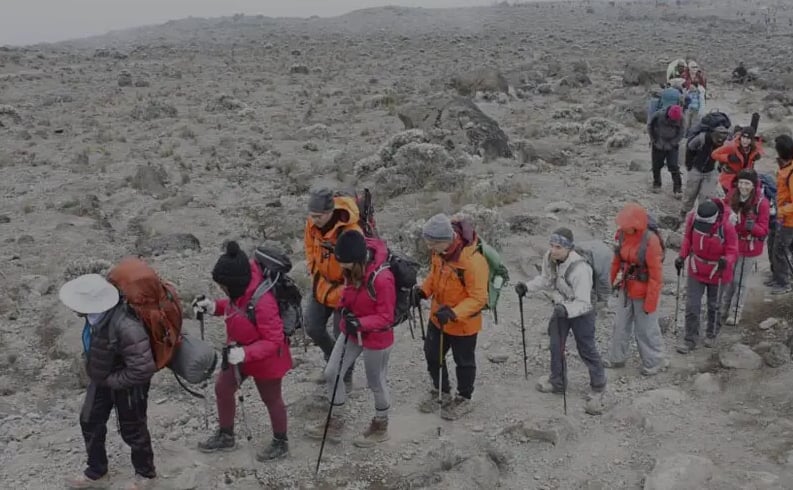
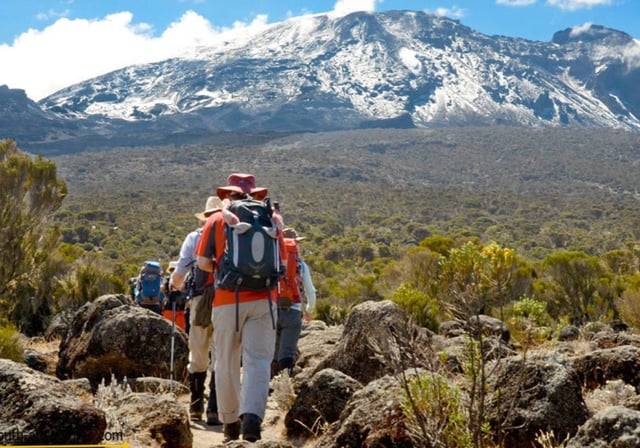
This six-day Kilimanjaro trek offers a faster-paced climb with the option to choose between three different routes, each suited to different preferences and experience levels. Whether you opt for the hut-based Marangu Route, the steeper and more direct Umbwe Route, or the varied and well-known Machame Route, each option provides a clear and structured path to the summit.
The shorter duration means the pace is more demanding compared to longer itineraries, but all routes still include acclimatisation strategies to support a safe ascent. You’ll move through changing environments, from forest to high-altitude terrain, with experienced guides supporting you throughout.
With a full support crew handling logistics, meals, and camp or hut arrangements, you can focus on the climb itself. This trek is ideal for those with limited time who still want to take on Kilimanjaro with a well-organised and supported approach.
This is the only route offering hut accommodation instead of camping. It follows a well-established path and includes an acclimatisation day, making it a good option for those who prefer more comfort and a steady pace.
Known as one of the more demanding routes, Umbwe is steep from the start and suits experienced trekkers looking for a more physically challenging climb with fewer crowds.
This route offers a mix of landscapes and a strong acclimatisation approach. It’s a popular choice for those wanting a varied and engaging climb within a shorter timeframe.
The team brings strong experience in leading shorter Kilimanjaro climbs, focusing on maintaining a safe pace while managing the tighter schedule of a six-day itinerary. Guides monitor altitude closely and support you throughout, helping you stay on track while adjusting to the conditions.
All logistics are handled carefully, from route planning to accommodation and meals, ensuring a smooth experience from start to finish. There is also a focus on responsible trekking practices, supporting local crews and protecting the mountain environment while delivering a well-organised climb.
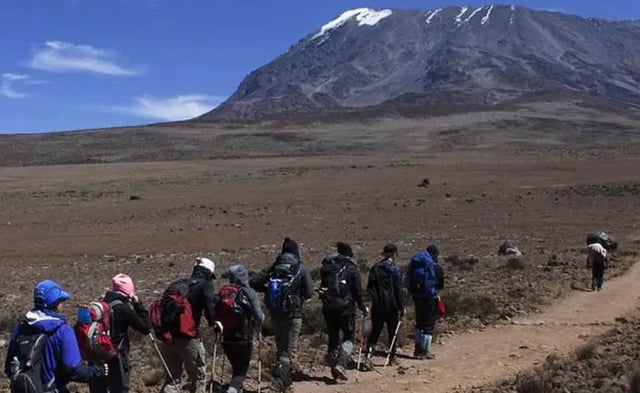
The trek begins at the Marangu Gate, leading you through rainforest where the trail is well-defined and gradually ascending. The use of huts instead of tents makes this route feel more structured, especially in the early stages as you settle into the rhythm of the climb.
An extra acclimatisation day at Horombo Hut allows your body to adjust before moving higher. You can take a short hike to nearby viewpoints, helping with altitude adaptation while keeping the pace manageable. As you continue, the terrain becomes more open and dry as you approach the alpine zone.
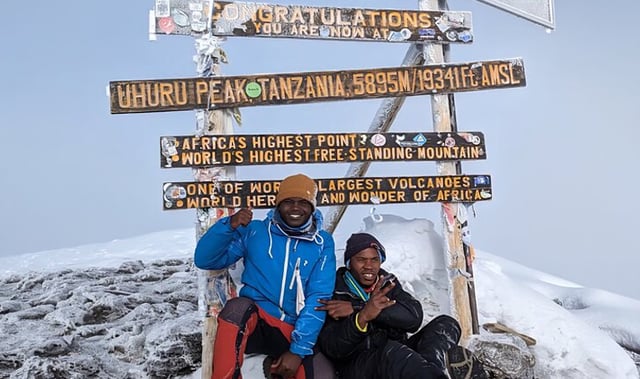
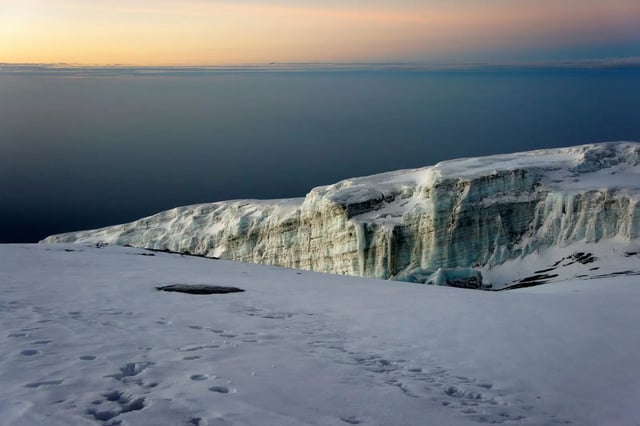
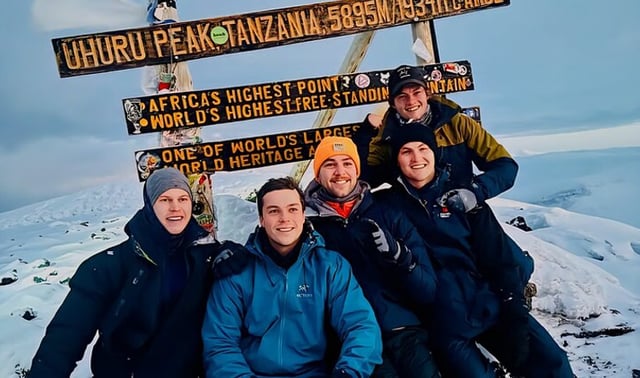
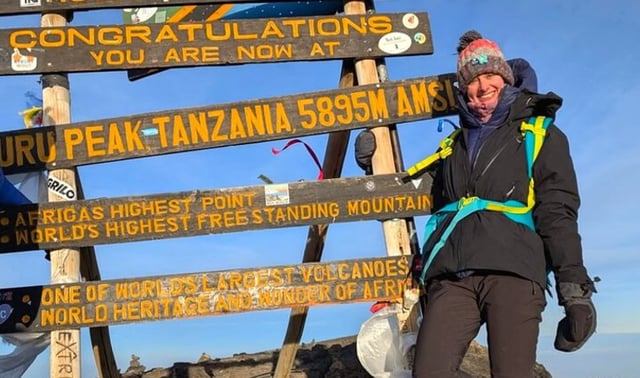
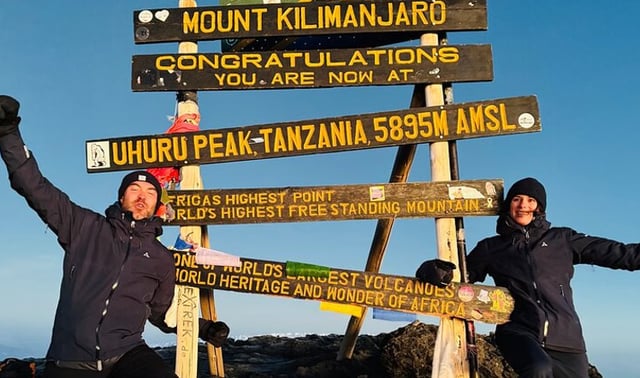
The summit attempt begins from Kibo Hut with a midnight start. The climb is steady and demanding, leading to Uhuru Peak at sunrise. After reaching the summit, you descend back through the same route, returning to the lower huts and eventually the gate.
This route begins with a steep climb right from the start, moving quickly through dense forest into higher elevations. It’s one of the more direct approaches, gaining altitude faster than other routes, which makes it more physically demanding.
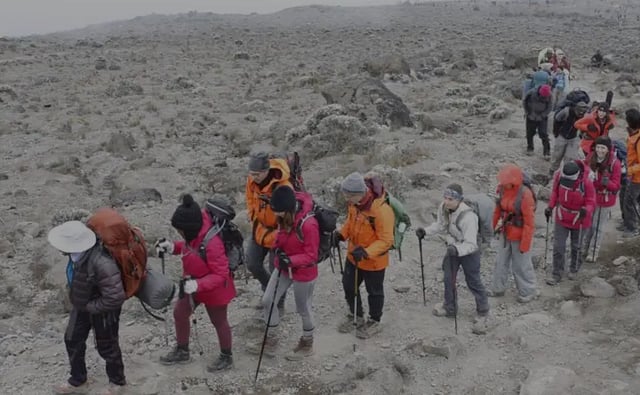
As you progress, the trail opens up into rugged terrain with views of valleys and ridgelines. You join the southern circuit of the mountain, allowing for some acclimatisation as you continue towards higher camps. The Barranco Wall is a key feature, requiring effort but offering rewarding views once completed.
The summit push follows the standard midnight ascent from base camp. After reaching Uhuru Peak, you descend via the southern route, passing through different terrain before finishing at the exit gate.
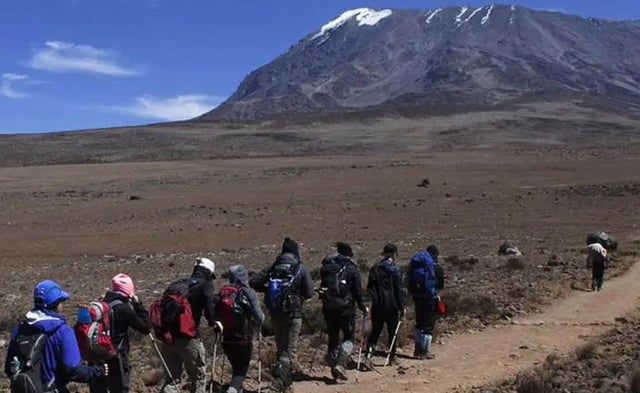
Starting in rainforest, this route quickly introduces steeper sections as you climb towards moorland. The changing landscapes keep the trek varied, with ridges, valleys, and open plateaus along the way.
The route follows a climb-high-sleep-low pattern, helping your body adjust to altitude within the shorter timeframe. You’ll pass key landmarks such as Lava Tower and the Barranco Wall, both of which play a role in acclimatisation and route progression.
Summit night begins from base camp, with a steady ascent to Uhuru Peak. After reaching the summit, you descend through multiple zones, eventually returning to the forested lower slopes to complete the trek.
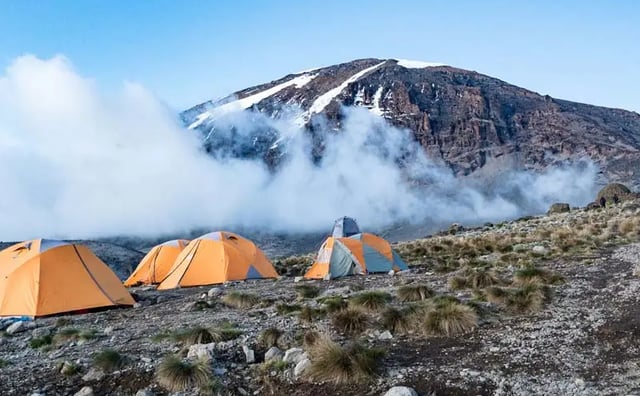
Accommodation varies depending on the route you choose. On the Marangu Route, you will stay in mountain huts, offering a more sheltered and structured setup with shared sleeping and dining areas.
On the Machame and Umbwe Routes, you will stay in mountain tents at designated camps. These are set up by the support team each day. Accommodation before and after the trek can be arranged separately in Moshi or Arusha if needed.
Each route offers a different experience. Marangu is ideal if you prefer hut accommodation and a steady pace, Machame provides a balanced mix of scenery and acclimatisation, while Umbwe is better suited to experienced trekkers looking for a more demanding climb.
Your choice should depend on your fitness level, previous trekking experience, and preference for comfort or challenge. Guidance can be provided when booking to help you decide.
A six-day trek is more demanding because the ascent is quicker, giving your body less time to adjust to altitude. This makes proper pacing and preparation especially important.
While many people successfully complete it, those with more time often choose longer routes for a more gradual climb. Fitness and determination play a big role in your experience.
Experience is recommended, especially for routes like Umbwe, which are steeper and more direct. However, beginners with good fitness can still complete routes like Marangu or Machame.
Preparing in advance with regular walking and endurance training will make the trek more manageable.
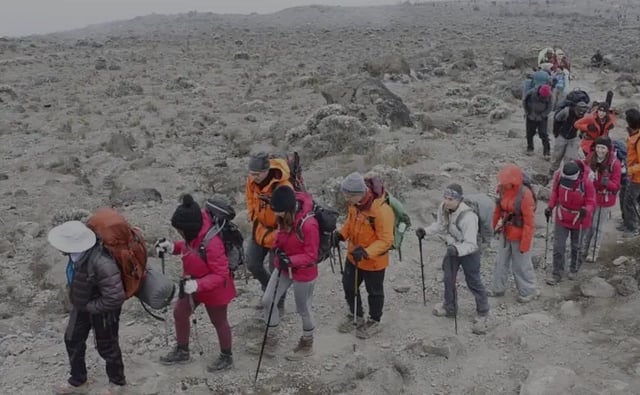
Summit night begins around midnight and involves a long, steady climb in cold conditions. You’ll move slowly with head torches as you make your way towards the summit.
Reaching Uhuru Peak at sunrise is the highlight, followed by a long descent to lower altitude for rest.
Guides monitor your condition daily and check for symptoms of altitude sickness. The itinerary includes acclimatisation strategies, even within the shorter timeframe.
If symptoms worsen, the plan may be adjusted or descent initiated. Safety is always the priority.
The best conditions are usually between January and mid-March and from June to October, when the weather is more stable and visibility is clearer.
Rainy seasons can make trails slippery, although some routes may still be suitable depending on conditions.
On the Marangu Route, you will stay in mountain huts with shared facilities, offering more shelter compared to camping. This makes it a popular choice for those who prefer not to sleep in tents.
On the other routes, you will stay in mountain tents set up at camps along the trail. These are prepared by the support team and provide a consistent place to rest each night.
Prices typically start from around $1800 per person, but this is only a rough estimate. The final cost depends on group size, route choice, time of year, and level of support.
To get an accurate price, it’s best to request a personalised quote using the booking form. This allows the trip to be tailored to your plans.
About the centre
Moshi, Tanzania
Operated by Tanzania Migration Safaris and Travel, a partner of adventuro.
Kilimanjaro & Arusha, Tanzania
From $2600
Kilimanjaro & Arusha, Tanzania
From $2800
Kilimanjaro & Arusha, Tanzania
From $2800
Kilimanjaro & Arusha, Tanzania
From $850