We partner with Rewilding Britain to help protect our natural spaces for future adventures.
All centres are vetted for safety and quality. Your adventure is in good hands with adventuro.
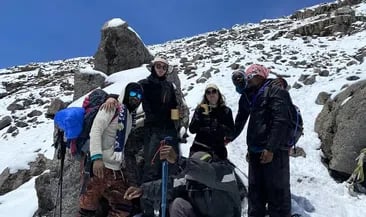
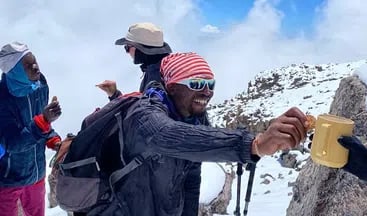
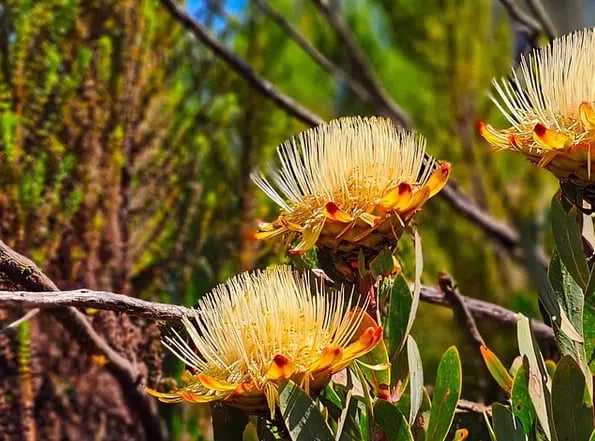
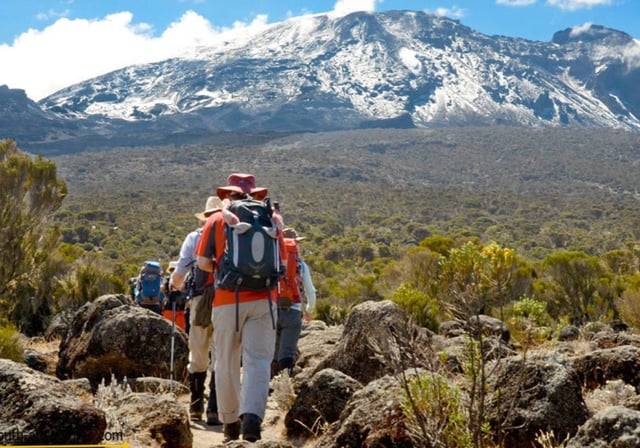
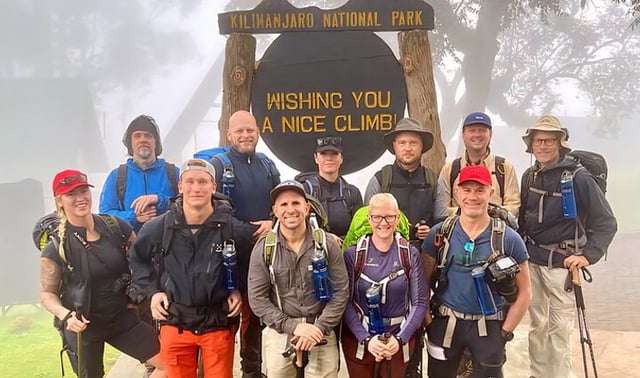
This six-day trek follows Kilimanjaro’s northern approach, offering a quieter trail that moves through changing ecosystems from forested slopes to high-altitude desert. The route gradually builds in elevation, giving time to adjust while passing through remote valleys and wide open landscapes near the Kenya border.
Progress is structured to balance steady ascent with recovery periods, including time at higher camps to support acclimatisation before the summit attempt. Each day is supported by a dedicated team managing food, logistics, and safety, allowing the focus to remain on the terrain and altitude.
Every trek is supported by experienced high-altitude leaders trained in wilderness safety and emergency response. Daily monitoring, oxygen availability, and controlled pacing are used to support climbers throughout the ascent, particularly during the upper sections of the mountain.
Alongside mountain safety, each journey contributes to community-based projects in the Moshi region, supporting health education initiatives for local schoolgirls. This approach combines structured expedition support with a wider commitment to responsible travel outcomes.
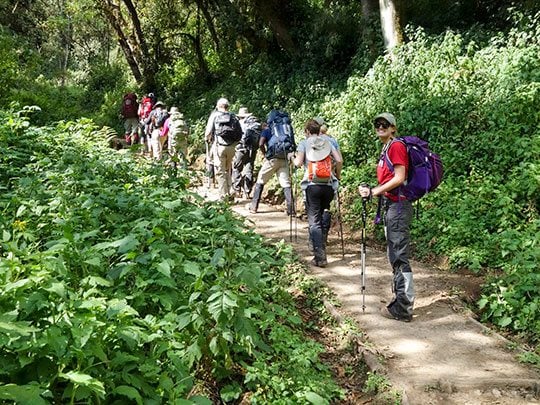
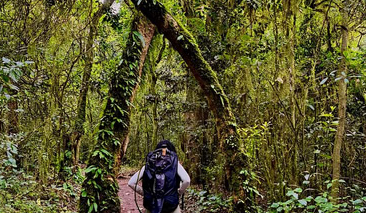
The journey begins with a transfer from Moshi through rural villages toward the Rongai Gate on the northern side of Kilimanjaro. After registration, the trail enters a quieter rainforest zone where the path winds through tall trees and dense vegetation.
As the climb continues, the forest gradually opens toward Simba Camp. The first night is spent at altitude with meals prepared by the support team, allowing time to rest and adjust after the initial ascent.
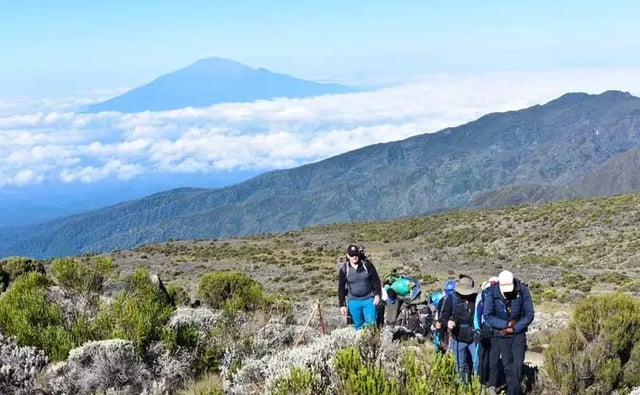
The route transitions into moorland with wide views stretching across the Kenyan plains. Vegetation becomes lower and more scattered, with a clearer sense of elevation gain throughout the day.
After passing the Second Cave area, the trail continues toward Kikelewa Camp, located in a sheltered valley beneath Mawenzi’s jagged peaks. The evening is kept steady with rest and hydration ahead of the next stage.
Today’s ascent is shorter in distance but more demanding due to the increasing altitude and steeper sections. The landscape becomes more dramatic as the trail approaches high alpine terrain.
Mawenzi Tarn sits in a striking natural amphitheatre beneath the towering spires of Mawenzi Peak. The afternoon is reserved for rest and light acclimatisation, helping prepare for the higher camps ahead.
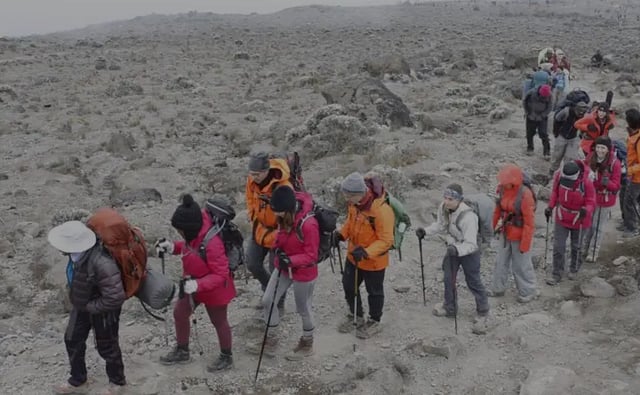
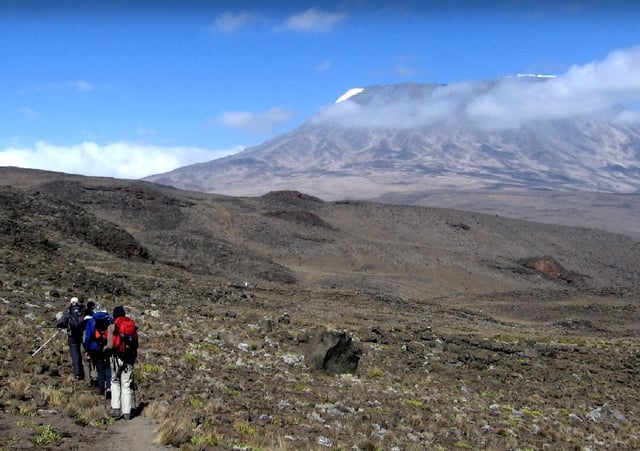
The route crosses the wide, open expanse of the Saddle, a high-altitude desert between Mawenzi and Kibo. The terrain is mostly flat but the thinner air makes progress slower and more deliberate.
Arrival at Kibo Hut marks the final stop before the summit attempt. The remainder of the day focuses on rest, hydration, and preparation for the midnight ascent.
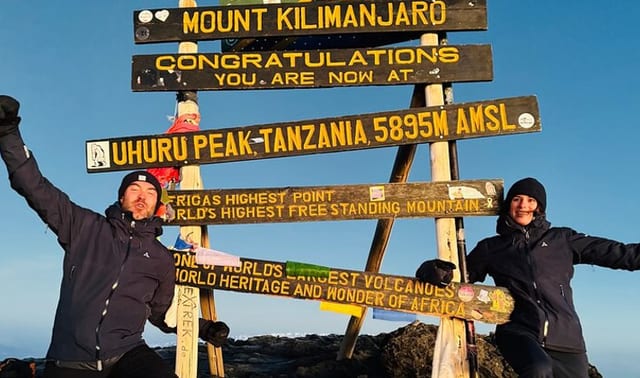
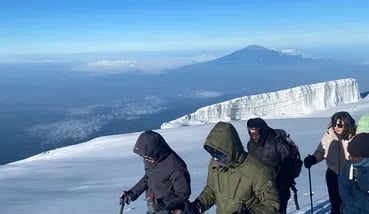
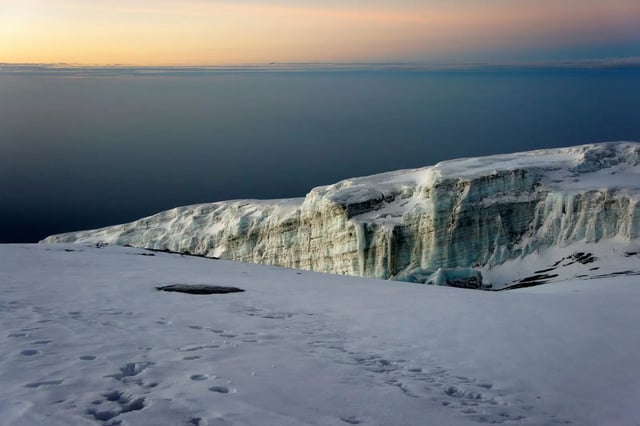
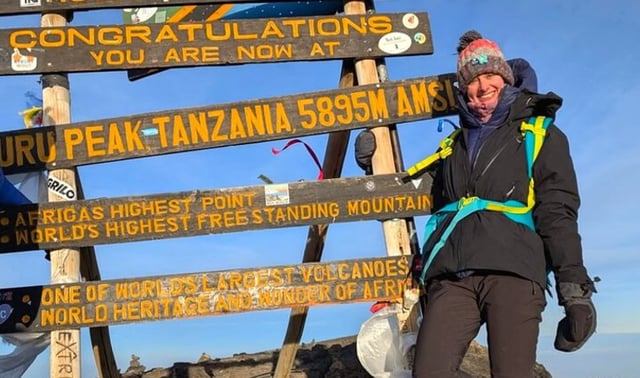
The summit attempt begins just after midnight, climbing steadily through volcanic scree toward Gilman’s Point on the crater rim. From here, the route continues along the edge to Uhuru Peak, where sunrise conditions often reveal the surrounding ice fields.
After a brief pause at the summit, the descent begins back to Kibo Hut before continuing down to Horombo Hut. This is a long and physically demanding day combining both ascent and full descent in one continuous effort.
The final stage retraces the trail through moorland and rainforest, where oxygen levels feel noticeably easier with each drop in elevation. The descent is steady, allowing time to reflect on the journey.
Arrival at the gate marks completion of the trek, where certificates are issued before transfer back to Moshi for rest and recovery after the climb.
Accommodation is provided in mountain huts and designated camps along the route, offering basic shelter and shared sleeping arrangements. These locations are positioned to support staged ascent and recovery between trekking days.
Facilities become more limited at higher elevations, reflecting the remote nature of the climb. Nights are cold at upper camps, and all equipment is carried and managed by the support team to ensure comfort and continuity throughout the trek.
🧳 Kit List
The northern approach is generally quieter, with fewer trekkers on the trail compared to other sides of the mountain. This creates a more open feeling across long sections of the route.
It also sits in a rain-shadow area, meaning drier conditions in many parts of the climb, particularly on the lower and middle sections.
A good general level of fitness is important due to the number of consecutive trekking days and sustained altitude gain. Regular walking or cardiovascular training beforehand is recommended.
The route is non-technical, but endurance and steady pacing are key factors, especially during summit night.
Daily monitoring is carried out using pulse oximetry to track oxygen levels and overall condition. Guides adjust pace based on how individuals are responding to altitude.
Emergency oxygen is available, and descent is prioritised if more serious symptoms develop.
Accommodation varies between basic huts and designated camps depending on the location along the route. These provide shelter, sleeping areas, and simple dining spaces.
Conditions become more basic at higher altitude, with colder nights and more limited facilities.
Meals are prepared by the support team and provided at each overnight stop, focusing on energy and recovery needs. Food is designed to support sustained trekking performance.
Water is treated where necessary and regular hydration is encouraged throughout the day.
The summit push starts around midnight on the penultimate night, allowing climbers to ascend in colder, more stable conditions. This timing also supports arrival at the summit around sunrise.
After reaching the top, the descent continues immediately with a stop at a lower camp before returning further down the mountain.
Guides closely monitor climbers throughout the trek and adjust pace or rest periods when needed. Mild symptoms are managed with rest and hydration.
If required, descent is arranged quickly, as moving to lower altitude is the most effective response.
No technical experience is required for this route. The trail is walked throughout and supported by a professional mountain team.
Preparation through fitness training is helpful to improve comfort over multiple days of sustained walking.
About the centre
Moshi
Operated by Hillborn Organic Coffee, a partner of adventuro.
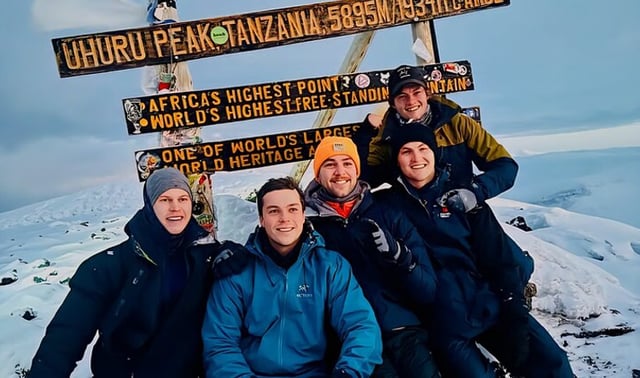
Kilimanjaro & Arusha, Tanzania
From $2800
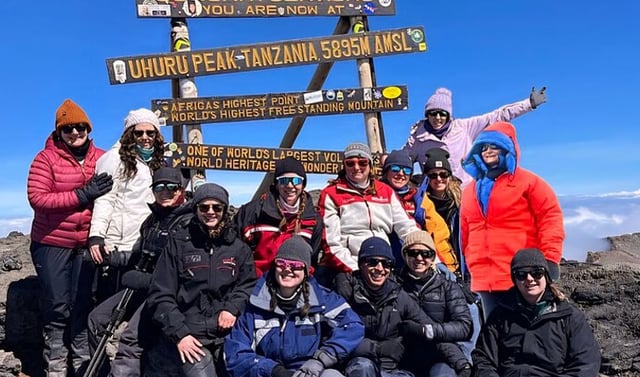
Kilimanjaro & Arusha, Tanzania
From $2600
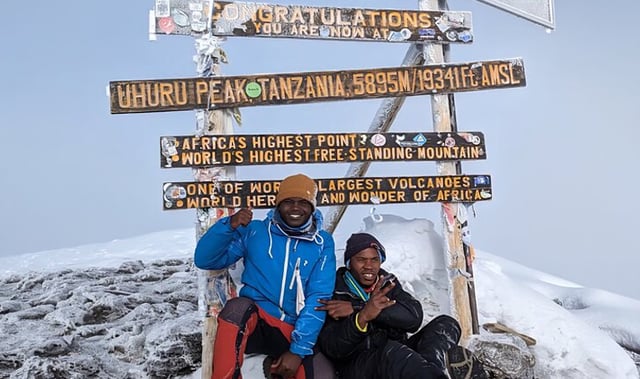
Kilimanjaro & Arusha, Tanzania
From $2600
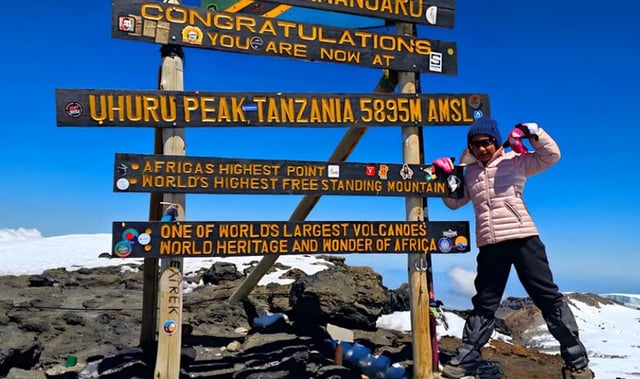
Kilimanjaro & Arusha, Tanzania
From $2200
Kilimanjaro & Arusha, Tanzania
From $80