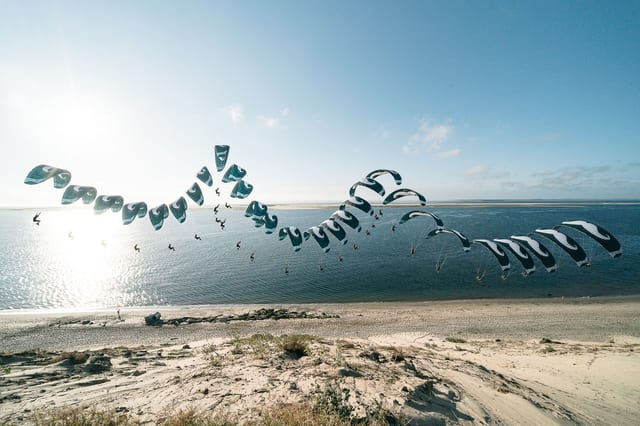
This week adapts you to Flare Moustache and Line parakite wings, from the school slope to longer valley flights when you are ready. It suits pilots who already fly a standard paraglider solo and want to learn the wrist-band controls step by step.
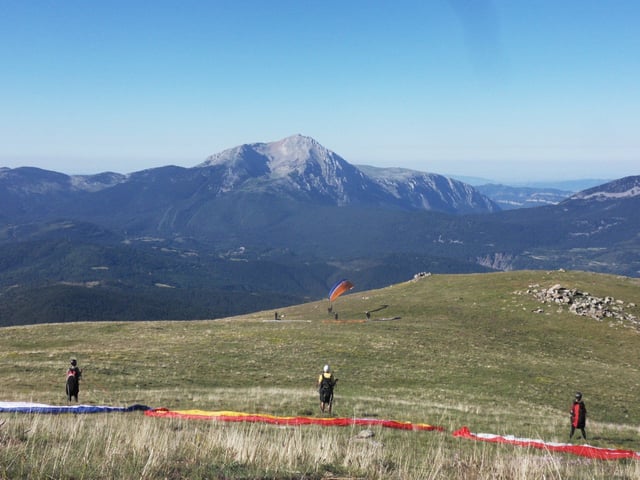
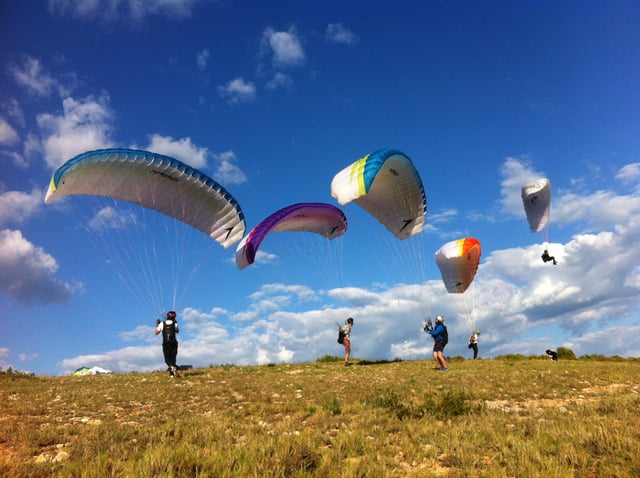
Days begin on the school slope with inflations and ground handling before we add height. We show how your usual paraglider hands translate to the wrist bands on Flare Moustache and Line wings, and we film short clips so you can spot habits on the ground. When control looks good, flights move onto the valley lines you may already know on a standard wing.
Each flying day follows a simple pattern: brief, fly, debrief, with radio help in the air. We drive you to launch and pick you up after landing like on our other valley courses. If wind keeps everyone on the hill, we use the time for theory rather than rushing extra flights.
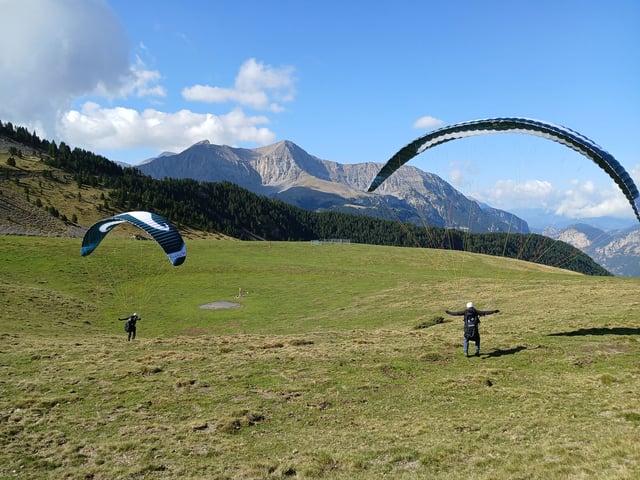
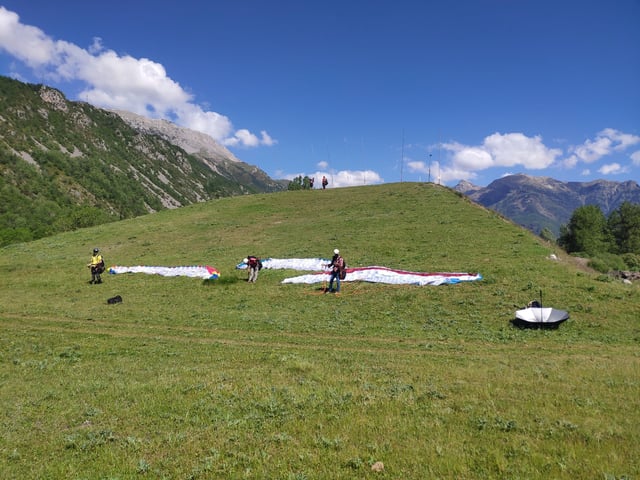
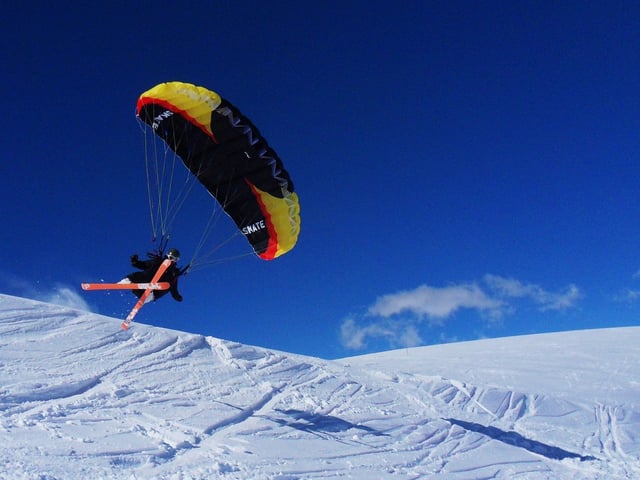
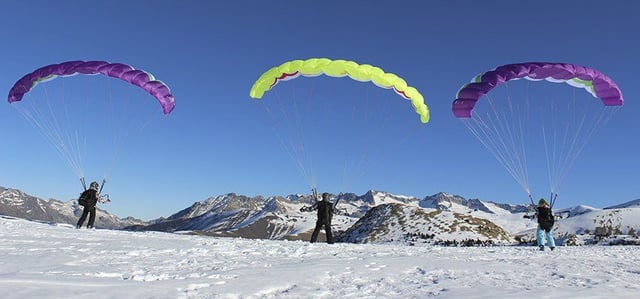
We start on the practice slope (Pendiente escuela) and other gentle hills around Castejón de Sos, then move to longer valley flights once take-offs and landings with the parakite controls feel solid. In summer we train on foot with Flare Moustache and Line wings; in winter we can continue on skis with the Line wing when there is enough snow.
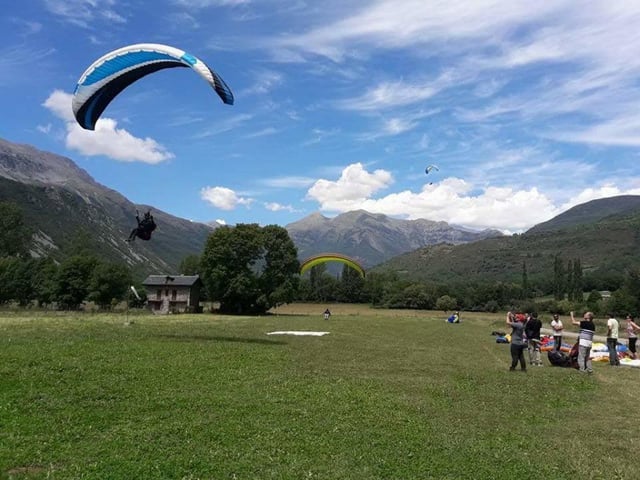
Castejón is a well-known free-flight town, with school landings set up for daily training. We include transport to launch and pickup after flights, the same as on our other valley courses.
You need to fly a normal paraglider solo already, including launch and landing without a coach in the air. This course is about learning the wrist-band system on Moustache and Line wings, not your first time off the ground.
Paragliding insurance (FADA or similar) is required. We begin on gentle slopes and the practice hill, then build toward longer flights when launches and landings look confident.
We teach Flare Moustache and Line parakite wings on valley slopes many pilots already know, with patient ground work before anyone adds height.
Summer is on foot; winter can include skis with the Line wing when snow is good. We film key moments so you can see launches and landings clearly.
Valley days follow the weather, so you might stack a few short flights or one longer session when conditions smile. Mornings often begin on the school slope before moving to the day's launch.
Coaches chase quality airtime, not a score on paper. Rides to launch and pickup after landing are part of valley course days when included in your course.
Flare Moustache and Line parakite wings plus harnesses and helmets are provided for adaptation sessions. Wear clothing you can move in for long ground-handling and flight days.
You should already fly paragliders solo; this course is about learning the wrist-band controls, not first flights from scratch.
Paragliding lives on wind, cloud base and thermals. If a launch is not safe, your instructor moves the plan or waits for a better window instead of flying in sketchy conditions.
We stay in touch to rearrange when needed. The Benasque Valley has its own micro-climates, so calls are made on the ground where it matters.
Valley courses usually start at our base in Castejón de Sos at a time we agree by message. Parking is available in the village; give yourself a moment to find the office if it is your first visit.
Launch sites change with the wind and your level. Each morning your instructor confirms where to head once the weather check is done.
Flexible layers, gloves, sun cream and shoes with good grip for the school slope and launches. Share your experience and weight so kit is matched to you.
Avoid scarves or loose items that could tangle in the lines during ground handling.
Valley paragliding courses include rides to launch and pickup after landing when that is part of the course. That way you spend energy on flying, not on shuffling cars.
Cerler speedriding is a separate mountain product with its own pass rules. Getting to Castejón de Sos for valley days is down to you unless we agree something different by message.
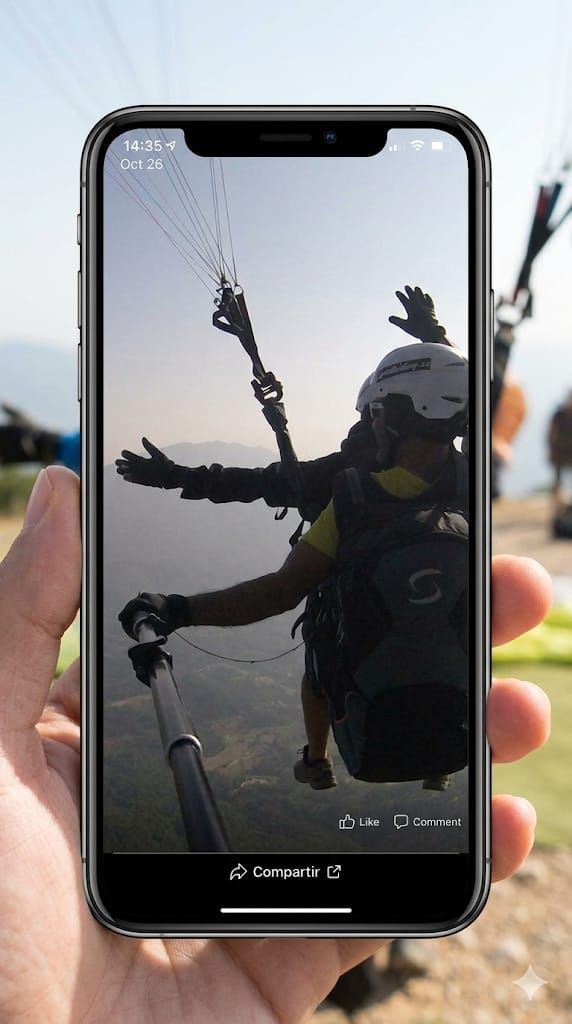
We often film key moments so you can see your body position and wing control with your coach afterwards. Clips are for learning, not for show reels.
Video backs up radio coaching in the air and helps the next launch feel clearer. Reviews usually happen while the kit is still on so fixes stick faster.
Groups stay small so every take-off and landing gets proper attention. You will often fly alongside people at a similar level, which makes the week social as well as focused.
If wind or lifts change the timetable, the plan flexes to the next good slot. We would rather keep you safe and enjoying the mountain than chase a rigid schedule.
Teenagers are welcome on many courses with parental consent when fitness and experience fit the activity. A parent or guardian should stay nearby for minors.
Tell us each person's age and recent flying or skiing experience ahead of time so we can match kit and launch sites properly.
Progression, cross-country and adaptation courses expect you to launch, fly and land with light support. Coaches still brief every flight and debrief on the ground.
If you have had a break from the sport, tell us when you last flew so the first days feel like a friendly refresh, not a shock.
We partner with Rewilding Britain to help protect our natural spaces for future adventures.
All centres are vetted for safety and quality. Your adventure is in good hands with adventuro.
About the centre
Castejón de Sos
Operated by Parapente Valle de Benasque, a partner of adventuro.