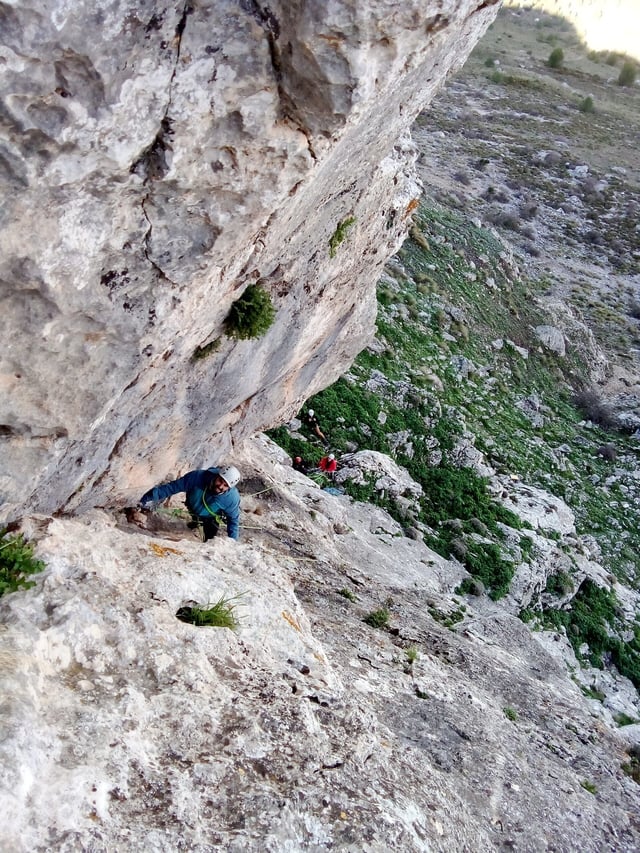
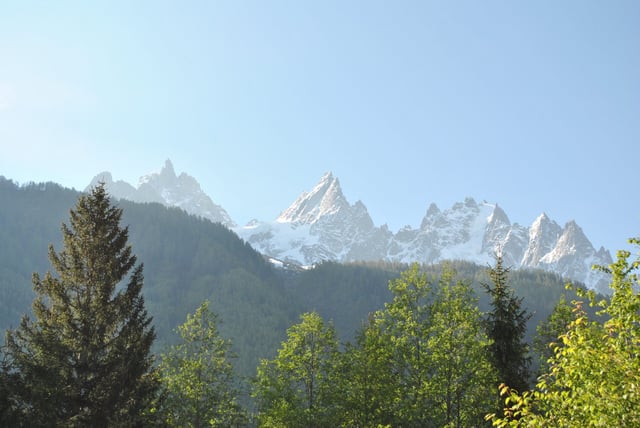
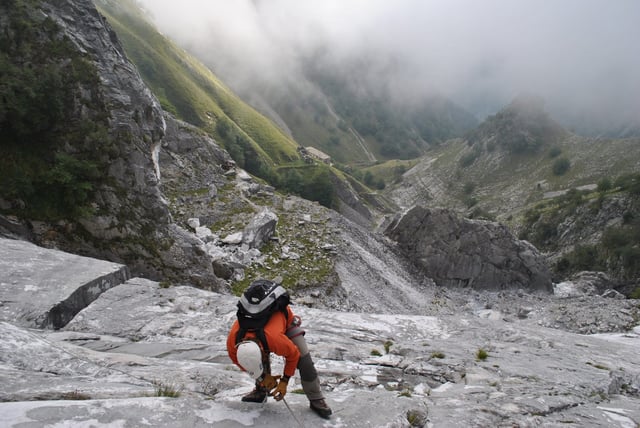
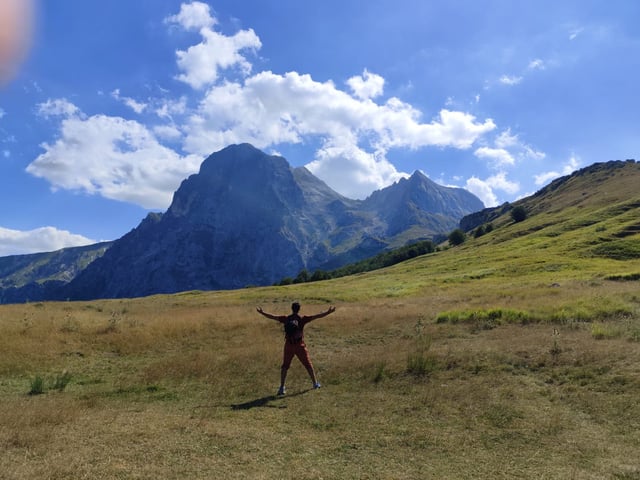
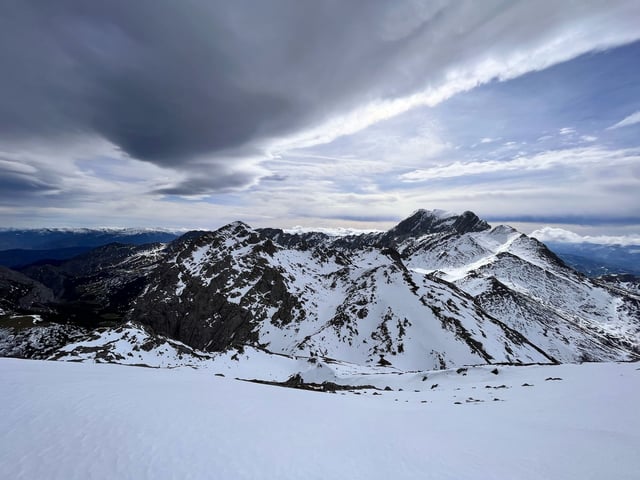
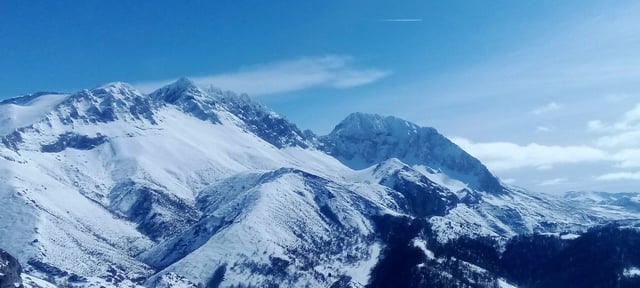
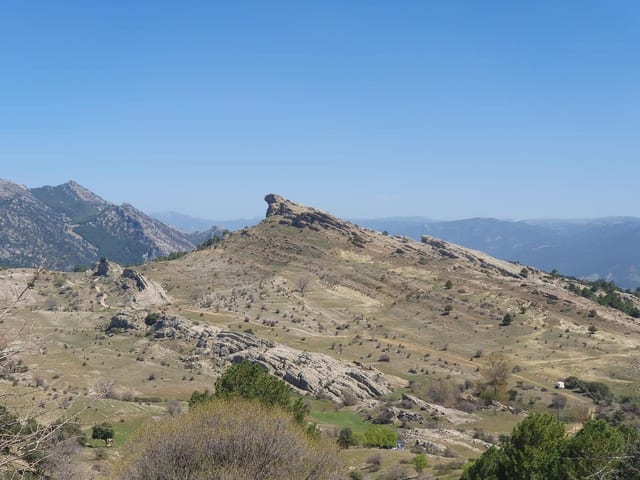
Bag two iconic Segura summits on one guided weekend in Cazorla Natural Park: Peña Corva, the "Lion King" rock, and neighbouring El Pardal. Forest climbs, quiet ridges and big views over the park reward a full two-day effort with a night in a simple mountain refuge.
Daytime walking links valley paths with open crests where the two peaks stand above the Segura countryside at 1,559 m and 1,580 m. The pace is steady rather than rushed, with time to enjoy laricio pine woods and the sudden panoramas at each top across roughly 18 km and 19 km on the two days.
Nights are spent in a basic free refuge with your own sleeping kit while the guide carries group safety equipment and shares a stove for hot water. Wildlife such as ibex and raptors often appears when the group moves quietly. Full day-by-day notes sit in the itinerary.
The Segura sector of Cazorla, Segura y Las Villas mixes forested valleys with open crests such as Peña Corva and El Pardal above the park's southern ramps. These twin tops sit in the heart of the natural park near Cazorla town, where limestone cliffs and pine forest dominate the skyline.
Spring and autumn usually bring stable walking weather and cooler refuge nights. Summer needs generous water and an early start on exposed ridges, while winter can bring snow on higher cols when the guide agrees the traverse is viable. Shoulder months can be quieter on the paths while still demanding warm layers and an early start on exposed cols.
Good fitness for 37 km total over two days with about 900 m ascent, plus a night in a free refuge where you bring sleeping bag and mat. Prior multi-day trekking experience on rough paths is important. Bring the personal hardware and clothing listed in your confirmation email; the guide will double-check before you start.
Pack all meals and snacks for both days and kit for a simple refuge stay. Circular or linear variants may use in-park transfer; carry a pack that fits two days of self-sufficiency and discuss recent hill weeks in the briefing if unsure.
These Segura paths are part of the guide team's regular season work, so turnaround points and refuge stops are chosen with local knowledge rather than guesswork. Pre-trip planning covers food, sleeping kit and transfer timing. Small rope teams keep communication clear on pitches, cols and narrow ridges where spacing and timing matter.
Small groups (up to eight) with included insurance and shared safety kit make exposed crest work feel controlled. You are not juggling navigation and group safety alone on a remote two-day route. Activity insurance is included for the guided days, and the team carries shared safety kit so you travel lighter on the hill.
Meet your guide, check kit and start the approach to the first mountain stage. The pace settles early so the group stays together on the climb or trail.
Camp or hut night follows with time to eat, repack and review weather for day two.
Longest day on the trail with ascent to cols, lakes or summits depending on the itinerary. Trekking poles and steady pacing help on rocky paths.
The guide monitors weather and group energy, adjusting breaks as needed.
The last day completes the loop or traverse back to the road with a steady descent and breaks for food and layers.
You finish in the afternoon with a team debrief and transfer notes if applicable.
Meeting point and parking for Sierra de Segura are confirmed in your pre-trip briefing, including any in-park transfer or cable-car timing when this product uses one.
Arrive with kit packed; many guests stay near Cazorla the night before an early start.
Nights are spent in mountain refuges, simple bivouacs or lodges depending on the route and season. You bring sleeping bag, mat and personal food unless half-board is confirmed for your international departure, and rooms are usually shared dormitory style in staffed huts when available.
Evenings are for cooking or hut meals, drying kit and reviewing the next day with your guide. Sites are chosen for water access and wind shelter when camping, and the team follows leave-no-trace practice throughout the trip.
Essential: Mountain boots, layered clothing, waterproofs, hat, sun protection, food and water for the full day or trip.
Climbing trips: Harness, helmet, rock shoes and personal hardware as advised. Multi-day trips need sleeping bag, mat and bivouac shelter when camping.
Up to eight participants can share one qualified mountain guide on the same date, whether you book solo or as a group travelling together under one reservation.
Small teams keep instruction personal on technical ground and make it easier to adjust pace when the terrain or weather demands it, especially on exposed ridges or multi-pitch walls.
Multi-day mountain fitness means comfortable days with a loaded pack, steady ascent and one or more nights away from the road without feeling exhausted by midday.
Regular hiking or climbing in the months before your trip makes the day feel more enjoyable and safer for everyone, and it helps you recover faster between long stages on multi-day routes.
Prior hill walking or trekking experience helps on rough paths, loose ground and at altitude where pacing and navigation matter as much as leg strength.
If you are unsure whether your background fits, mention it in the pre-trip briefing so we can advise honestly and keep expectations realistic for the whole team.
Pack trekking boots, layers, waterproofs, head torch, food and a suitable pack for the trip length.
The guide carries shared safety kit; you remain responsible for personal equipment and overnight gear on multi-day trips.
Guiding, insurance, planning and group safety kit are included; personal food and transport to the meeting point are not.
Refuge fees, flights or hut meals are only included when explicitly listed for international departures.
Exact rendezvous details for Sierra de Segura are confirmed in your pre-trip briefing, including parking or transfer notes when they apply.
You receive clear written notes on where to meet and what time to be ready so the day starts smoothly.
Conditions are reviewed before you leave the road; the guide may delay, shorten or reroute if wind, storms or visibility make the planned line unsafe.
Mountain safety comes first, and we would rather adapt the plan than push into clearly dangerous weather.
Yes. Solo walkers and climbers are welcome on the same departure when dates align, or you can travel as a private team if your group fills the guide for that day.
We confirm final team size and pacing in your briefing so everyone knows what to expect on the mountain.
Personal climbing hardware can sometimes be hired locally if arranged in advance; availability varies by season.
Ask during the pre-trip briefing and we will confirm what can be supplied versus what you must bring.
Spring and autumn often bring the most stable weather; summer needs early starts and plenty of water.
Winter variants may be possible only with appropriate snow and ice kit when the guide agrees conditions are safe.
We partner with Rewilding Britain to help protect our natural spaces for future adventures.
All centres are vetted for safety and quality. Your adventure is in good hands with adventuro.
About the centre
Cazorla
You'll join qualified mountain guides for guided hikes, high-altitude ascents, and rock routes across Spain and selected international destinations. Trips are built around solid mountain craft, clear briefing on the day, and pacing that matches the terrain — from introductory ridge walks to committing alpine-style days in the Sierra Nevada, Gredos, Picos, and beyond.
Whether you're aiming for a first 3,000 m summit, a classic climbing line, or a multi-day traverse, your guide focuses on safety, route choice for the conditions, and an experience that feels personal rather than rushed. Equipment expectations, meeting points, and what to bring are always explained upfront so you can arrive prepared and enjoy the mountain.
Operated by Guías del Mulhacén, a partner of adventuro.