Pakistan
Pakistan rises from the Arabian Sea coast to the mountains of the far north, home to five of the world's fourteen 8,000-metre peaks. Trek the Baltoro glacier towards K2, walk the orchards of Hunza, or explore Mughal Lahore.

Pakistan rises from the Arabian Sea coast to the mountains of the far north, home to five of the world's fourteen 8,000-metre peaks. Trek the Baltoro glacier towards K2, walk the orchards of Hunza, or explore Mughal Lahore.
Pakistan sits where the Karakoram, the Hindu Kush and the western Himalaya meet. Its north is a tangle of glaciers, apricot orchards and stone villages below peaks of seven and eight thousand metres. South of the mountains, the Indus runs through the farmland of Punjab and the old cities of Sindh to the Arabian Sea.
Most international flights land in Islamabad, Lahore or Karachi. For the mountains, you fly on from Islamabad to Skardu or Gilgit, or spend two long days driving north on the Karakoram Highway. The high trekking season runs from about June to September, and the south is at its best from November to February.
The far north is where most trekkers head. Gilgit-Baltistan and the Karakoram holds K2, Nanga Parbat and the Baltoro glacier, and the Karakoram Highway climbs through it to the Chinese border at the Khunjerab Pass. Hunza is the gentlest introduction, with village guesthouses, hiking trails along old irrigation channels and Rakaposhi filling the view. Skardu, a separate flight from Islamabad, is the gateway to the Deosai plateau and the Baltoro trek to Concordia. Mountaineering expeditions to the 8,000-metre peaks start there too. For a close look at a giant, a jeep ride and a half-day walk bring you to Fairy Meadows, under the north face of Nanga Parbat.
West of the Karakoram, Khyber Pakhtunkhwa is greener and more wooded. Swat has pine forest, trout rivers and winter skiing at Malam Jabba. The Kaghan valley climbs past alpine lakes to the Babusar Pass, the summer road into Gilgit-Baltistan. Guides run rafting trips on its Kunhar river when the water level suits. Further north, Chitral sits under Tirich Mir, the highest peak in the Hindu Kush, with the Kalash valleys a couple of hours south by jeep. To the east, Azad Jammu and Kashmir is the Pakistan-administered part of the disputed Kashmir region, where the Neelum valley road follows a fast green river towards alpine lakes.
Islamabad and the Margalla Hills make an easy start to a trip. Numbered trails climb from the city's northern edge through pine and scrub to ridge-top viewpoints, and you can be back in town for lunch. Neighbouring Punjab is the country's heartland. Its capital, Lahore, is four or five hours down the motorway, with a walled old city, the Badshahi Mosque and a Mughal fort. Between the two cities, the Salt Range hides the Khewra salt mine and the temples of Katas Raj. Far to the south, Derawar Fort rises from the sand of the Cholistan desert.
The south is best in winter. In Sindh, Karachi is a port city with boat trips on the harbour and reefs to snorkel off the coast. The carved tombs of the Makli necropolis, a UNESCO site near Thatta, make an easy day trip. Further up the Indus, the brick streets of Mohenjo-daro were laid out around 4,500 years ago. West of Karachi, the Makran Coastal Highway runs into Balochistan, past the wind-carved cliffs of Hingol National Park to long, empty beaches. Balochistan is the largest province by area and one of the least visited. Most trips there run with local operators who know the roads.
Plan a night in Islamabad at each end of a mountain trip, because northern flights depend on the weather. In Gilgit-Baltistan, Karimabad in Hunza and Skardu are the two main bases. They're about a day's drive apart, and a two-week trip can take in both. For Khyber Pakhtunkhwa, stay in Mingora or Kalam for Swat, Naran for the Kaghan valley, or Chitral town for the Kalash valleys. Lahore and Karachi both have a wide choice of hotels and make comfortable bases in the cooler months.
Day hikes in the Margalla Hills, the Galiyat and Hunza suit beginners with reasonable fitness. Multi-day valley treks and the walk to Fairy Meadows are a good fit at improver level. Glacier treks such as Concordia, and expeditions to the big peaks, are for advanced hikers with altitude experience. Use the Book here tab to see live dates and prices from local centres.
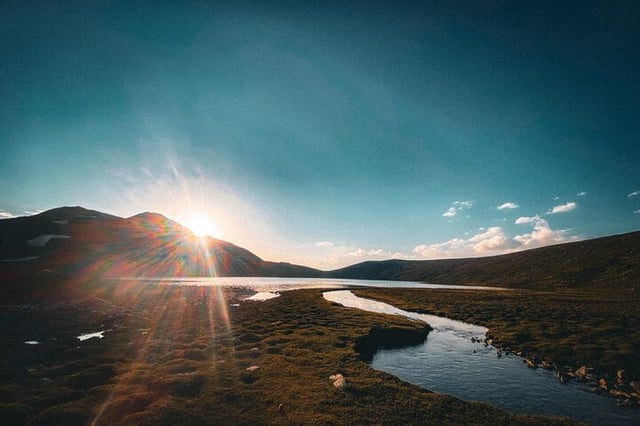
Five days from Hunza through Hooper Valley to alpine Rush Lake at 4,694m with porters, camping, and a celebratory return in the valley.
From $ 493
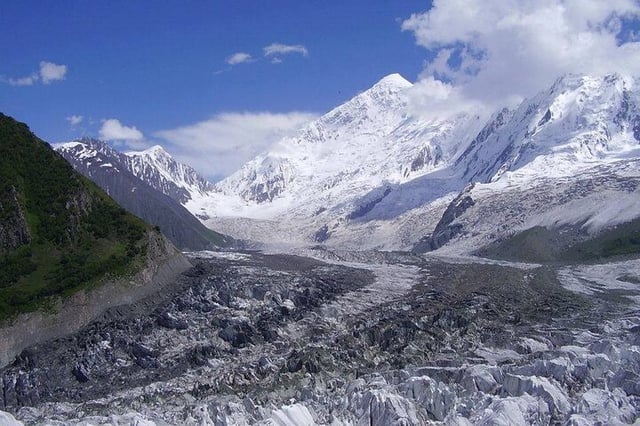
Three days from Hunza to Rakaposhi base camp at 7,788m with camping on the glacier trail and hotel pickup included.
From $ 267
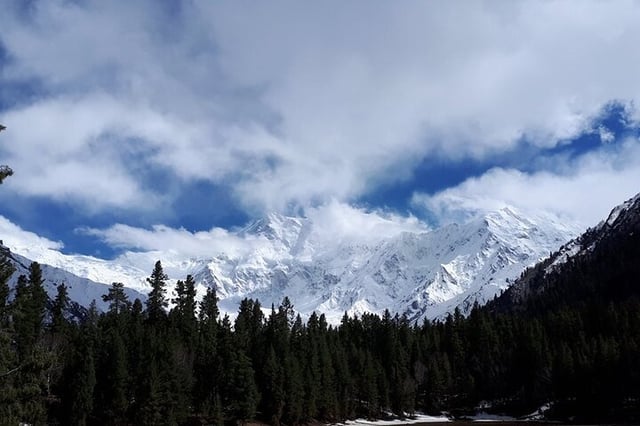
Twelve days from Islamabad through Hunza, Rakaposhi, Passu, and Fairy Meadows with glacier treks and local culture.
From $ 2000